Fomorians: Primordial Foes of the Tuatha Dé Danann Unveiled
🧙️ Dive into the mythic depths to uncover the Fomorians, the formidable Tuatha Dé Danann mythology foes, whose ancient battles and mystic…
Read article
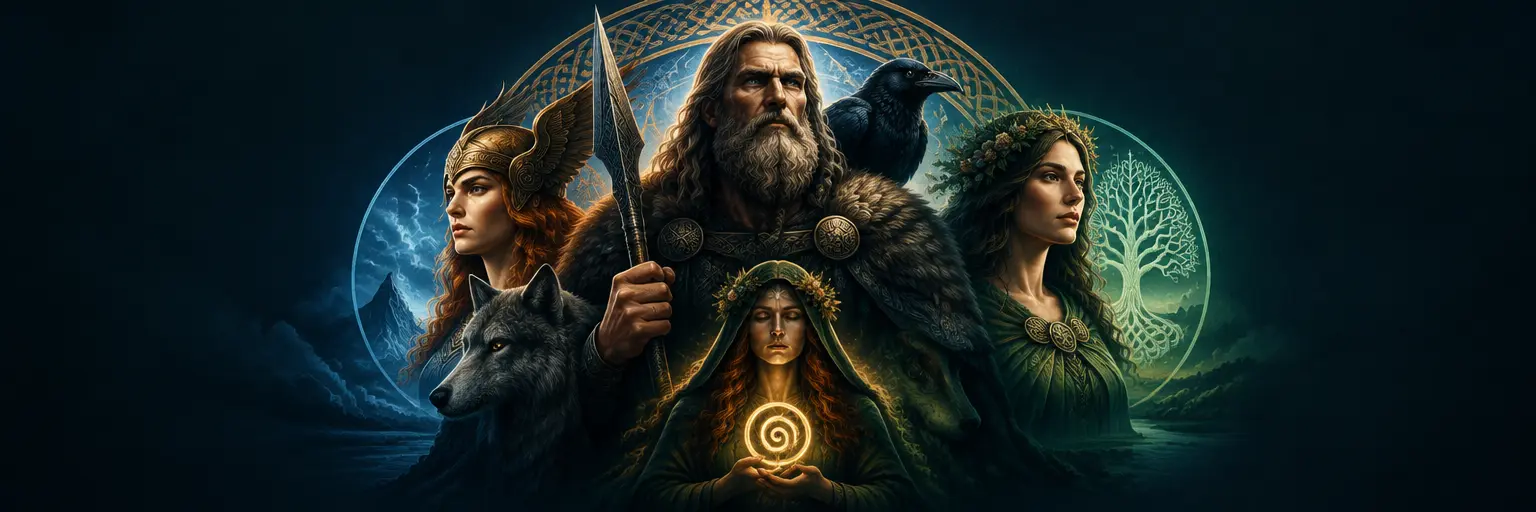
Dive into the awe-inspiring realm of Norse and Celtic deities, where mighty gods, enigmatic goddesses, and legendary pantheons shape the very fabric of ancient myth. From the thunderous halls of Asgard to the misty Otherworld of the Celts, these divine figures embody cosmic forces, heroic ideals, and timeless tales of creation, conflict, and destiny. Explore the powerful Æsir and Vanir like Odin’s wisdom and Thor’s might, or uncover the mystical Tuatha Dé Danann and their magical sovereignty over the land. Whether you’re seeking the fierce protection of the Morrígan or the poetic inspiration of Bragi, this page illuminates the rich tapestry of gods and goddesses that continue to inspire modern storytelling, art, and spirituality. Perfect for mythology enthusiasts, scholars, or curious minds, uncover how these ancient pantheons still echo in today’s culture—from Marvel movies to neo-pagan practices. Journey with us through archetypes, symbols, and epic sagas that reveal the profound connections between humanity and the divine across Celtic and Norse traditions.
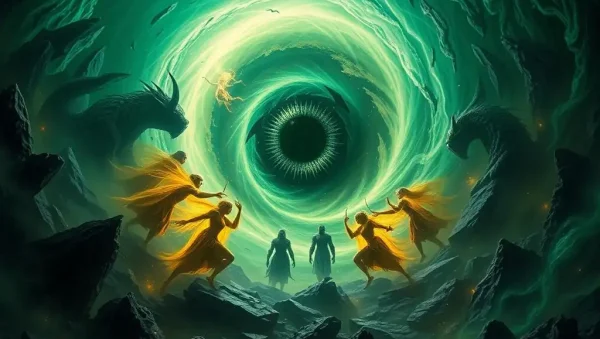
🧙️ Dive into the mythic depths to uncover the Fomorians, the formidable Tuatha Dé Danann mythology foes, whose ancient battles and mystic…
Read article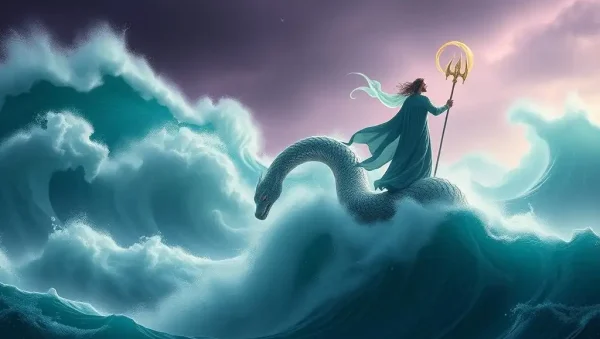
🌊 Dive into the epic clash of Njord and Manannán mac Lir, two legendary masters of the sea. Explore their roles within…
Read article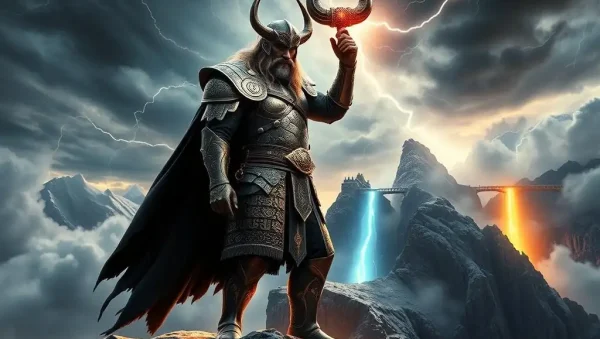
🔔 Discover Heimdall’s horn, the legendary signal for Ragnarok, and explore the myth of the Watchman whose alert heralds the world's end.…
Read article
🌟 Discover the captivating tales of Freyr and Freyja in Norse mythology, where their shared power symbolizes fertility, love, and sovereignty, highlighting…
Read articleWelcome to our dedicated exploration of Deities and Pantheons within the rich tapestry of Norse and Celtic Mythology. Here, we journey beyond the epic sagas and heroic tales to meet the powerful gods, goddesses, and divine beings who shaped the spiritual lives of ancient Northern and Insular cultures. From the mighty Æsir of Asgard to the enigmatic Tuatha Dé Danann of Ireland, this subcategory offers a deep, SEO-rich dive into the myths, attributes, and enduring legacy of these sacred figures. Whether you are a student, a writer, or a mythology enthusiast, you will find comprehensive lore, cultural context, and insightful analysis designed to illuminate these fascinating pantheons and their relevance today.
The Æsir represent the principal pantheon in Norse mythology, characterized by their association with sovereignty, warfare, wisdom, and the cosmic order. Within this subcategory, we dissect the complex personalities of Odin, the Allfather, who traded an eye for wisdom and hung from Yggdrasil for runes; Thor, the thunderous protector of Midgard with his hammer Mjölnir; and Tyr, the one-handed god of justice and heroic glory. Each profile details their genealogies, key myths, symbols, and archaeological evidence, helping you understand their roles not just as war-gods but as guardians of societal contracts and the lifecycle of the cosmos.
Readers can expect a balanced portrayal that moves beyond the popular Marvel interpretations, focusing instead on the original Eddas and sagas. We explore nuance — Odin’s shamanistic ecstasy versus his ruthless battle-fury — and explain how the Æsir’s internal conflicts, particularly with the Vanir after the Aesir-Vanir War, shaped the Norse worldview. Expect timelines, attribute lists, and a discussion of how these deities were actively worshipped in temples like Uppsala, complete with references to primary sources. This section is your definitive guide to understanding the divine machinery behind Ragnarök and the daily lives of Vikings.
In contrast to the Æsir, the Vanir are an older, more enigmatic group of deities tied to fertility, prosperity, seafaring, and the untamed forces of nature. Our subcategory highlights figures such as Njord, the sea god who controlled winds and coastal wealth; Freyr, the radiant god of peace, sunshine, and bountiful harvests; and Freyja, the powerful goddess of love, beauty, and war, who also presides over the afterlife realm of Fólkvangr. We delve into the myths that explain their exchange with the Æsir as hostages and their eventual integration into the wider Norse pantheon, revealing a sophisticated religious system that balanced male and female, sky and earth, and order and abundance.
For readers, this section offers essential context on how Norse society valued agricultural and domestic prosperity, not just combat. We discuss archaeological finds like the Fertility rituals associated with Freyr's phallic statues and Freyja’s association with seiðr (magic). Detailed comparisons with the Celtic deities are provided, highlighting parallel functions in sustaining life. Expect a nuanced look at how the Vanir’s magical prowess and erotic symbolism contrasted with the Æsir’s militarism, yet cooperatively maintained cosmic balance. This content is ideal for those interested in the softer, yet equally vital, forces of the Norse cosmos.
Shifting to the Celtic world, we explore the Tuatha Dé Danann, the "People of the Goddess Danu," a supernatural race that embodies the Irish pantheon. Our detailed profiles cover Dagda, the good god with his club of life and death; Lugh, the skilled warrior and master of all arts; Brigid, the triple goddess of poetry, healing, and smithcraft; and Morrígan, the spectral goddess of fate and battle. We trace their arrival in Ireland from the mythical cities, their battles against the Fomorians, and their eventual retreat into the Otherworld (Tír na nÓg) after the Milesian invasion, becoming the immortal fairies of later folklore.
This subcategory goes beyond simple god lists to analyze their function in Celtic society as cultural ancestors and protectors of the land. You will discover how their names are embedded in Irish place names and seasonal festivals like Samhain and Imbolc. We provide primary source analysis with references from the Lebor Gabála Érenn and the Ulster Cycle, plus insights into their associations with sovereignty, kingship, and druidic wisdom. Expect to learn how these deities were venerated through stone carvings, votive offerings, and the oral traditions that preserved their narratives for millennia, making them vital to understanding Celtic identity.
Our subcategory also covers the Welsh and Gaulish divine figures, who enrich the broader Celtic pantheon beyond Ireland. Here, we introduce Welsh figures from the Mabinogion, such as Arianrhod of the Silver Wheel, Gwydion the magician, and the powerful mother goddess Modron. From Celtic Gaul and Britain, we examine the healing god Belenus, the sky god Taranis, and the equestrian goddess Epona, who was adopted by Roman cavalry. These deities reveal the regional variances and shared Indo-European roots, illustrating how trade, conquest, and cultural exchange shaped ancient religious practices across continental Europe and the British Isles.
Readers can expect a comparative approach that highlights syncretism with Roman gods, such as the identification of Sulis with Minerva at Bath. We discuss the epigraphic evidence from altars and coins, alongside the limited classical Greek and Roman accounts, to reconstruct their characteristics and cults. This section is invaluable for understanding the fluidity of Celtic religion, where local tribal deities often blended with larger archetypes. By exploring these less famous but equally fascinating gods, you gain a comprehensive view of the Celts’ spiritual landscape, reinforcing how ancient polytheism was deeply rooted in local landscapes and daily needs.
One of the most enriching aspects of our subcategory is the in-depth comparative analysis between Norse and Celtic pantheons. We examine striking parallels: Odin’s wisdom quest versus the Dagda’s cauldron of knowledge; Thor’s hammer versus Lugh’s spear; Freyja’s chariot and war magic versus Morrígan’s battlefield prophecies. Conversely, we highlight distinct philosophical differences, such as the Norse focus on a doomed cosmic cycle leading to Ragnarök versus the Celtic cyclical time of rebirth and endless renewal. These comparisons help readers see the universal human impulses behind mythology while respecting each culture’s unique historical context and social priorities.
This section delivers practical value by helping you trace the origins of shared motifs like the "sacred king" and the "triple goddess." We use genealogical charts, thematic matrix tables, and direct text excerpts from translations of the Poetic Edda and the Mabinogion. Expect to learn why scholars debate direct historical contact versus parallel development. By the end, you will be equipped to discuss how geography, climate, and social structure influence supernatural narratives. This comparative lens is perfect for students, educators, and writers seeking to understand mythological archetypes across adjacent cultures.
The Æsir are primarily gods of war, governance, wisdom, and cosmic order, like Odin and Thor. The Vanir, including Freyr and Freyja, are associated with fertility, nature, prosperity, and magic. They were originally distinct groups who merged after a conflict, exchanging hostages, to form a unified pantheon coexisting in Asgard and Vanaheimr.
There is no single "most powerful" god, as power varies by domain. The Dagda is often called the "father god" with supreme magical abilities, while Lugh excels in all arts and warfare. Morrígan controls fate in battle, and Brigid governs healing and inspiration. Celtic deities were specialized, not omnipotent across all realms.
They are not directly related, but they share common Indo-European roots, leading to similar archetypes such as thunder gods and mother goddesses. Some scholars suggest limited contact and trade influenced motifs, but the pantheons developed independently in Scandinavia and the British Isles with distinct cosmologies and ritual practices.
The Norse worldview was shaped by harsh climates and a warrior culture emphasizing honor, courage, and inevitable death. Ragnarök provided a narrative explaining cosmic decay, the struggle against chaos, and the possibility of rebirth, aligning with the fatalistic yet heroic ethos of their society.
Worship involved open-air sanctuaries, sacred groves, springs, and stone circles, with ceremonies led by druids. Offerings included food, weapons, and animal sacrifices. Festivals like Samhain and Beltane marked seasonal transitions. After Roman conquest, some deities were syncretized with Roman gods, but native worship persisted locally.