Whispers from the Past: Reconstructing Norse Rituals Today
🔮 Discover how modern interpretations of Norse rituals breathe new life into ancient traditions, revealing their enduring cultural significance and inspiring contemporary…
Read article
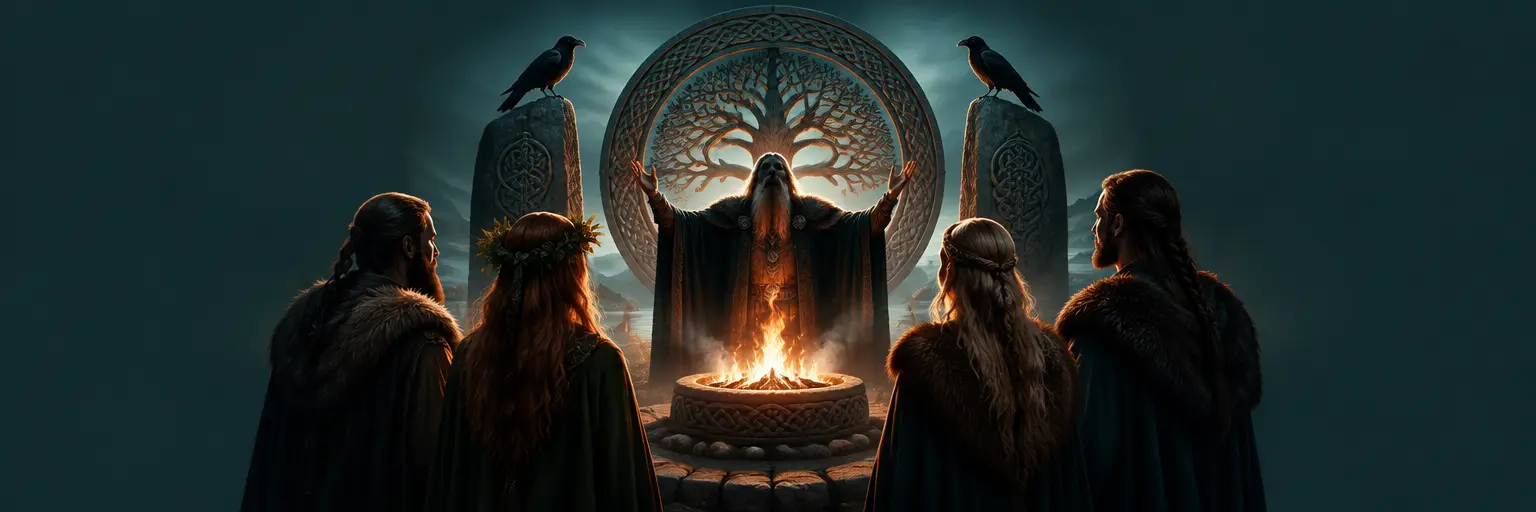
Explore the profound spiritual traditions of the ancient Norse and Celtic worlds through their sacred rituals and ceremonies, where myth met practice and the divine walked among mortals. From the thunderous blóts of the Vikings—sacrificial feasts honoring Odin, Thor, and Freyr—to the enigmatic druidic rites of the Celts, these ceremonies were not mere performances but vital conduits for community, fertility, and cosmic balance. Discover how seasonal festivals like Samhain, Beltane, and Yule marked the turning of the wheel of the year, blending reverence with revelry, while rites of passage—birth, marriage, and death—wove individual lives into the larger tapestry of legend. Uncover the symbolism of sacred groves, stone circles, and mead-halls, where offerings, chants, and divination bridged the seen and unseen. These age-old traditions continue to echo today, inspiring modern Pagan practices, cultural festivals, and a renewed fascination with ancestral wisdom.
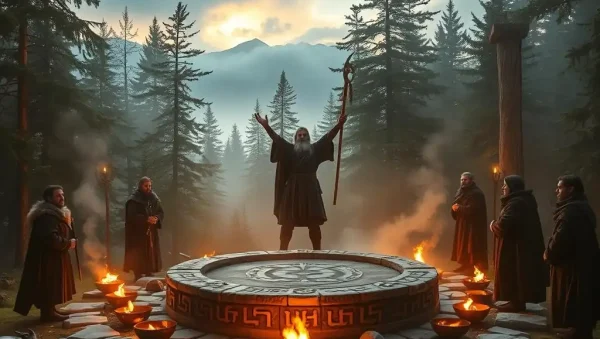
🔮 Discover how modern interpretations of Norse rituals breathe new life into ancient traditions, revealing their enduring cultural significance and inspiring contemporary…
Read article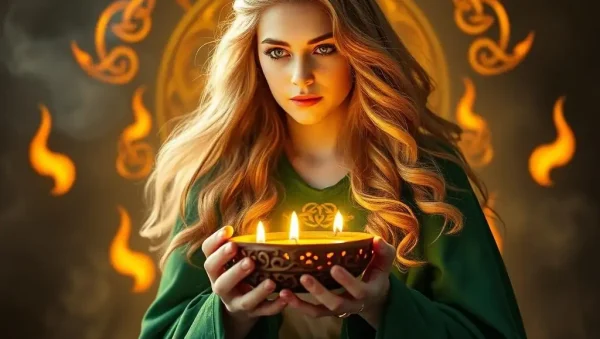
✨ Discover the enchanting world of Brigid Celtic ritual practices, where hearth, healing, and poetry intertwine. Explore how these ancient rituals continue…
Read article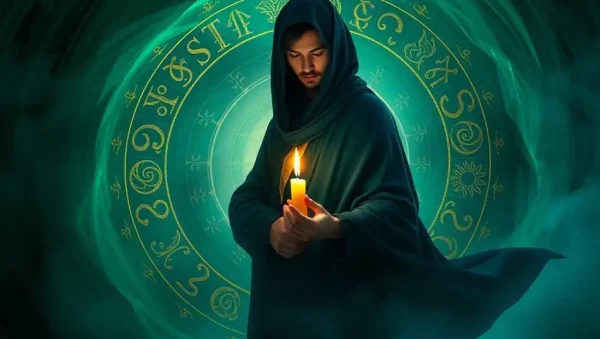
✨ Discover the mystical significance of Runes and Ogham in ritual magic, exploring how these ancient symbols forge powerful spiritual bonds. Dive…
Read articleWelcome to the profound world of Rituals and Ceremonies within Norse and Celtic Mythology. Here, we delve into the sacred practices, seasonal festivals, and communal rites that defined the spiritual lives of ancient Northern and Celtic peoples. From Viking blóts to Celtic Samhain, this subcategory uncovers the deep symbolism, historical context, and enduring modern relevance of these powerful traditions. Whether you are a mythology enthusiast, a history buff, or a spiritual seeker, you will find rich, detailed insights into how these ceremonies shaped worldviews and still echo in today’s culture.
The Viking blót was far more than a simple offering; it was a communal covenant between humans, gods, and the land. These ceremonies typically involved animal sacrifice, the sharing of sacred mead, and communal feasting, all intended to ensure fertility, victory, and cosmic balance. Our content explores the major blóts tied to the Norse calendar—such as the Winter Nights (Vetrnætr) and the Yule sacrifice—detailing the precise rituals, symbolic gestures, and the role of the goði (priest) in mediating divine favor.
Expect to learn how these ceremonies were intertwined with agricultural cycles and social hierarchies. We also discuss the ethical and practical aspects of sacrifice in a pre-Christian context, and how modern Ásatrú communities reinterpret these rites today. This section provides a balanced, historically grounded view, highlighting the importance of community bonding and seasonal rhythm in Norse spirituality.
The Celtic year was punctuated by four great fire festivals, each marking a critical agricultural or pastoral transition. Samhain (November 1st) opened the dark half of the year, a liminal time when the veil between worlds thinned—this later evolved into modern Halloween. Imbolc (February 1st) honored the goddess Brigid, symbolizing purification and the awakening of spring. Beltane (May 1st) celebrated fertility with bonfires, dancing, and the crowning of the May Queen. Lughnasadh (August 1st) marked the first harvest, dedicated to the god Lugh.
Our deep dives cover the historical evidence from early Irish and Welsh texts, as well as archaeological finds. You’ll discover how these festivals were not merely celebrations but essential cosmological maintenance rituals, designed to ensure the continued order of the world. We also trace their survival into folk customs, showing how these ancient fire rites transformed into modern regional traditions, from hilltop bonfires to fairy fairs.
Unlike the later stone temples of the Greeks or Romans, Norse and Celtic ceremonies often took place in sacred natural sites—oak groves, rivers, lakes, and megalithic monuments. Tacitus described the Germanic peoples’ reverence for sacred groves, and Irish mythology is replete with holy wells and tree sanctuaries. This section examines the concept of nemeton (a Celtic sacred space) and how the Vikings used natural landmarks as focal points for oaths, judicial assemblies, and offerings to the landvættir (land spirits).
We analyze the archaeological evidence of votive deposits—weapons, jewelry, and even human remains found in bogs—suggesting deliberate, ritualized sacrifice. Learn how the orientation of stone circles and the selection of tree species were not random but deeply symbolic, mapping the cosmos onto the landscape. This content helps you understand the profound animistic worldview that underpinned these ceremonies, where the divine was immanent in nature itself.
Life-cycle ceremonies were critical in both Norse and Celtic societies, marking an individual’s transition between social roles and cosmic states. Norse naming ceremonies involved sprinkling water and reciting ancestral lineages, while weddings included the exchange of swords and the hammer of Thor (Mjölnir) to bless the union. Funerals ranged from simple inhumations to elaborate ship burials, designed to equip the deceased for the afterlife journey. Celtic equivalents included fostering rituals, handfasting (temporary marriage contracts), and keeners who sang laments at wakes.
Our detailed articles unpack the symbolism of each rite—why a bride’s veil, why a warrior’s spear, why a grave’s orientation toward the setting sun. We also compare Norse and Celtic approaches to death, contrasting Valhalla’s warrior hall with the Celtic Otherworld’s undying feast. This comparative lens reveals both shared Indo-European roots and unique regional adaptations, providing a holistic understanding of how these cultures navigated life’s greatest thresholds.
Ceremonies were led by specialized figures whose authority stemmed from esoteric knowledge. The Celtic druids were not just priests but also judges, historians, and advisors, preserving oral traditions through rigorous memorization. Norse völvas (seeresses) practiced seidr, a form of shamanic magic involving trance, prophecy, and shape-shifting, often performed on high seats. This section explains the training, social status, and ritual tools of these figures, from the druid’s oak and mistletoe to the völva’s staff and herbs.
We address the controversial aspects—such as alleged human sacrifice by druids (based on Roman accounts) and the ambiguous gender roles surrounding seidr. You’ll gain insights into how knowledge was mobilized to legitimize rulers and resolve community disputes. By examining the rituals of divination (e.g., casting lots, reading bird flight), we show how these leaders provided cognitive orientation, making the chaotic world predictable and manageable.
Today’s Ásatrú, Heathen, and Celtic Reconstructionist communities actively revive these ancient rituals, but with modern sensibilities. This section covers contemporary blóts, open-air gatherings, and the construction of modern hofs (temples). We discuss how these groups handle issues of authenticity—how much can be reconstructed from fragmented sources versus creative adaptation. The popularity of Beltane festivals and Norse-themed weddings shows a broader cultural fascination, beyond strict religious practice.
We also critically examine how these revivals sometimes romanticize the past, occasionally attracting far-right elements, while most communities emphasize inclusivity and historical nuance. Expect a balanced view of the cultural appropriation debates and the genuine spiritual needs these rituals fulfill today. Our articles help you navigate the complex interplay between historical fact, heritage imagination, and living faith, ensuring a respectful and informed perspective on modern Pagan practice.
A Norse blót was typically a sacrificial feast focused on honoring specific gods (Odin, Thor, Freyr) at fixed seasonal times, often involving animal blood and communal drinking. Celtic ceremonies, like Samhain, were more aligned with agricultural transitions and ancestor veneration, with less emphasis on animal sacrifice and more on liminal, nature-based rites. Both, however, centered on maintaining cosmic and social order.
Historical evidence is sparse and often biased from Roman or Christian writers. Norse accounts mention occasional human victims in extreme crises, like famine or royal funerals, but this was rare. Celtic druids may have practiced human sacrifice according to Roman sources, but archaeology suggests it was exceptional, not routine. Most ceremonies involved animal offerings, food, and symbolic items.
Yule’s log-burning, evergreen decorations, and twelve-day celebration heavily influenced Christmas traditions. Beltane’s bonfires and maypole dancing evolved into May Day celebrations. Samhain directly gave rise to Halloween, with its costumes, jack-o’-lanterns, and focus on spirits. These ancient rituals survived through folk customs, losing their religious meaning but retaining festive structure.
Most modern Heathen and Celtic Reconstructionist communities welcome newcomers, though they may require basic education about customs and etiquette. Open blóts and festivals are common, but some inner rituals may be restricted to initiated members. Always respect local rules—attend as an observer first, ask questions, and approach with sincerity rather than cultural tourism.
For Norse and Celtic peoples, the divine was present in nature itself. Groves and wells were seen as liminal zones where the mundane and otherworld met, making them ideal for accessing spiritual power. Built temples appeared later, influenced by Roman contact, but natural sites remained primary, reflecting an animistic worldview that saw trees, water, and stones as living guardians of cosmic order.