The Underworld Beckons: Hades, Hell, and the Afterlife in Pop Culture
🌌 Explore how Hades afterlife pop culture themes shape our perception of the underworld, revealing enduring myths and legends that influence modern…
Read article
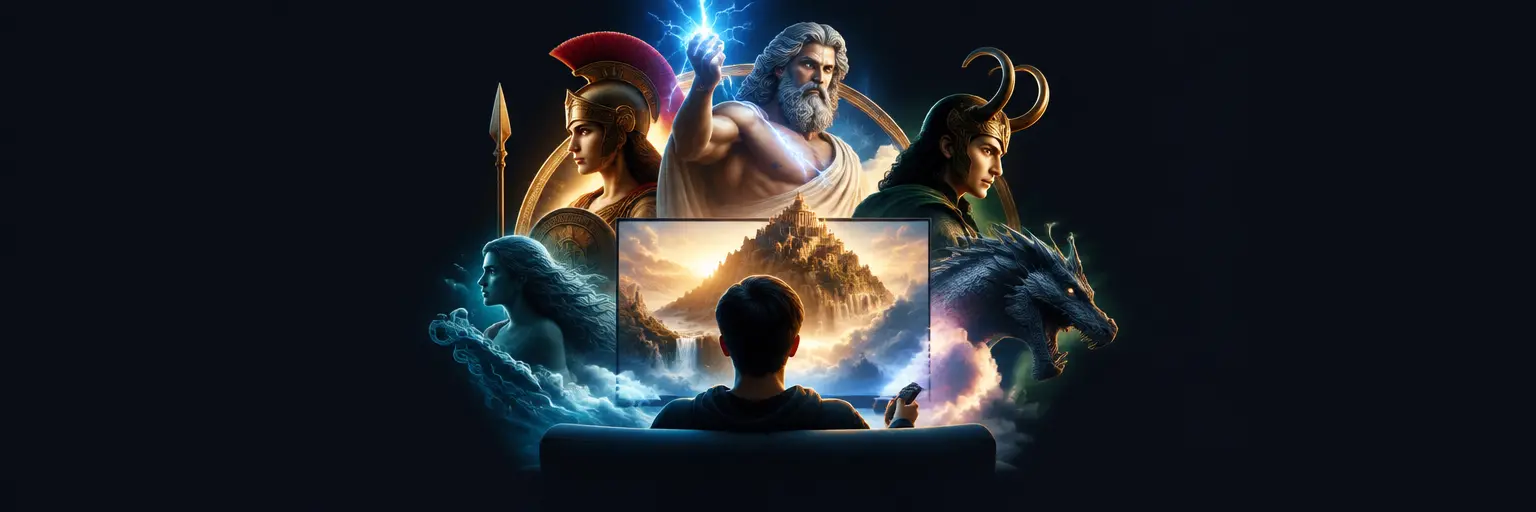
Dive into the mesmerizing world where ancient tales collide with modern screens! 🌟 On this page, you’ll discover how timeless myths are reborn through blockbuster films, gripping TV series, graphic novels, and viral video games, reshaping our collective imagination. From Zeus’s lightning bolts in superhero sagas to Norse gods in epic fantasy epics, we decode the clever adaptations and bold reimaginings that keep these legends alive. Explore how creators weave old archetypes into new storytelling—transforming villains into antiheroes and rewriting fate for today’s audiences. Whether it’s a subtle allusion in your favorite sitcom or a full-blown mythological universe, we unpack the cultural DNA behind every reference. Perfect for fans of pop culture analysis, creative writing inspiration, and folklore enthusiasts—this is your backstage pass to the eternal echo of myth in our daily entertainment. Uncover the surprising ways ancient wisdom still shapes heroes, monsters, and moral dilemmas on screen and page. Let’s journey through the looking glass where Olympus meets Hollywood! ✨
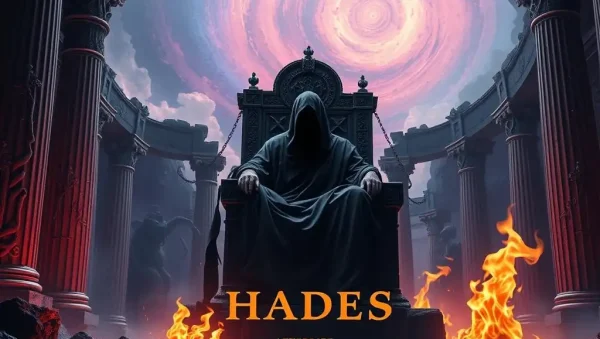
🌌 Explore how Hades afterlife pop culture themes shape our perception of the underworld, revealing enduring myths and legends that influence modern…
Read article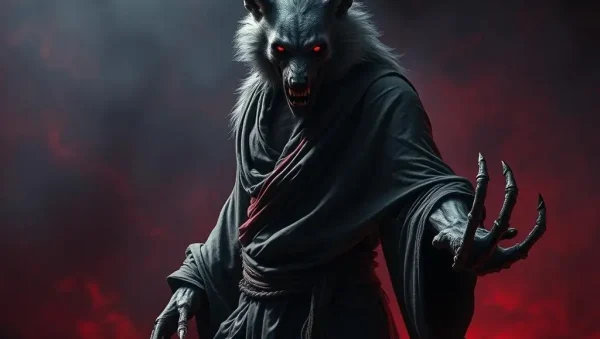
🧙️ Explore the chilling world of Lycanthropy transformation myths horror, uncovering how shapeshifters and werewolves symbolize primal fears and cultural fears of…
Read article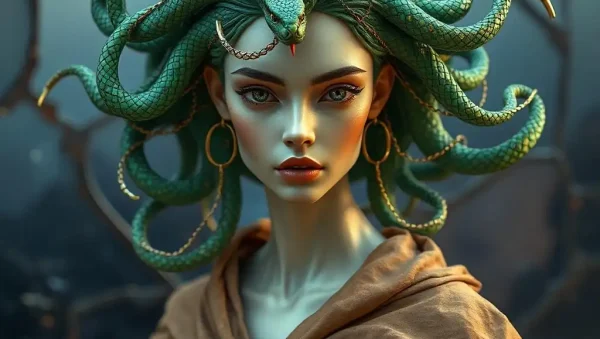
✨ Discover how Gorgons' modern interpretations reshape their symbolism, blending myth with contemporary culture. This reimagining of Medusa and monsters offers fresh…
Read articleWelcome to Mythology in Popular Culture, where timeless gods, heroes, and monsters leap from ancient scrolls into today’s films, TV series, video games, comic books, and memes. This subcategory explores how modern interpretations and visual storytelling reimagine classic myths, making them relevant for new generations. From Marvel’s Thor to Netflix’s *Blood of Zeus*, here you’ll discover the creative alchemy that turns age-old legends into blockbuster franchises, plus the cultural commentary hidden beneath the spectacle.
When you dive into this section, expect a deep analysis of how studios like Marvel, DC, and Disney adapt mythological figures. We’ll break down why Zeus, Loki, and Hercules dominate box offices, and how visual effects turn mythical powers into cinematic spectacles. You’ll learn about the tension between fidelity to source myths and the need for new narratives, including character reinventions that sometimes spark fan debates.
Beyond mere reviews, this facet examines commercial storytelling mechanics—how mythic archetypes travel across cultures, and what these adaptations reveal about contemporary anxieties, such as power, identity, and morality. Case studies include *Clash of the Titans*, *Thor: Ragnarok*, and *Wonder Woman*, showing how hero journeys are recalibrated for global audiences while retaining core mythological bones.
Here, we explore how gaming studios transform mythology into playable landscapes, from *God of War*’s Norse saga to *Hades’* Greek underworld roguelike. You’ll find insights into world-building, character progression, and how player choice reshapes legendary quests. We also cover lore accuracy versus creative liberty, plus how game soundtracks and art direction evoke ancient awe.
This subcategory digs into narrative immersion techniques—how dialogue, environmental storytelling, and moral dilemmas make myths feel alive. Expect breakdowns of boss battles inspired by hydras or minotaurs, and discussions on how games like *Assassin’s Creed Odyssey* incorporate historical mythology into open-world exploration, appealing to both scholars and casual players.
For readers, this section reviews modern literary retellings such as Madeline Miller’s *Circe* or Rick Riordan’s *Percy Jackson* series. We analyze how authors infuse psychological depth, feminist perspectives, and contemporary social issues into ancient stories. You’ll also find graphic novel adaptations that blend visual art with mythic symbolism, from *The Sandman* to *Lore Olympus*.
Here, the focus is on textual reinterpretation and canon expansion—how writers update family dramas, prophecies, and tragic flaws for modern sensibilities. We compare original myths with retold versions, highlighting shifts in character agency and moral ambiguity, and how these works often serve as entry points for younger audiences to explore authentic folklore.
This facet covers small-screen adaptations like *American Gods*, *Kaos*, and *The Witcher* (which draws on Slavic myth). We examine episodic structures that allow multi-season character arcs, political intrigue, and slow-burn mythology building. Discussions include how streaming platforms globalize niche myths, bringing Hindu, Egyptian, or Celtic legends to mainstream eyes.
Expect analysis of serialized storytelling’s impact on mythic cycles—how cliffhangers and ensemble casts mirror ancient pantheon dynamics. We’ll also look at documentary series that explain real mythological origins, bridging entertainment and education, plus the rise of fan theories and online communities that co-create lore around these shows.
Beyond screens, mythology permeates fashion brands (like Versace’s Medusa), tattoos, jewelry, and internet memes. This section explores visual symbolism in logos, streetwear, and social media trends, from “Greek mythology aesthetic” Instagram filters to viral TikTok videos about Poseidon’s temper. It’s about how archetypes shape personal identity and consumer behavior.
Here, we unpack cultural appropriation versus appreciation in merchandise and art, plus how ancient metaphors (like Pandora’s box or Achilles’ heel) become shorthand for modern situations. You’ll learn about mythological references in advertising, music videos, and even corporate names, showing how these narratives remain a flexible language for expressing universal human themes.
Superheroes often borrow divine powers, tragic flaws, and epic quests from myth—for example, Batman mirrors Hades’ underworld traversal, while Wonder Woman draws from Amazon warrior lore. These adaptations provide ready-made archetypes that audiences instantly recognize, allowing writers to explore contemporary ethics through timeless conflicts. Mythology lends weight and depth to otherwise simple power fantasies.
No, most adaptations prioritize entertainment over scholarly accuracy. Creators intentionally alter names, relationships, and outcomes to fit new narratives or avoid cultural insensitivities. For instance, *Percy Jackson* changes several Greek myths for a younger audience. However, some works, like *Hades*, deliberately include canonical details as easter eggs, rewarding mythology enthusiasts, while purists may critique deviations.
Greek and Norse myths dominate, largely due to Western media dominance and established tropes like gods, monsters, and epic battles. Marvel’s Thor boosted Norse visibility, while Disney’s Hercules kept Greek stories family-friendly. Egyptian and Hindu myths appear through documentaries and some films, but less frequently in major franchises. Recently, Slavic and Celtic myths are gaining niche attention in indie games and novels.
Absolutely. Pop culture acts as a gateway—viewers often research original myths after enjoying adaptations. The key is to use fictional versions as starting points, then consult scholarly texts or authentic regional sources. Many creators provide reading lists or include historical footnotes. Comparing adaptations to originals also teaches critical thinking about narrative evolution and cultural transmission.
Yes, because myths address universal fears and hopes—love, power, mortality—that never age. With global streaming and gaming, forgotten legends now find new audiences. Emerging technologies like VR and AI could enable immersive mythological experiences. Moreover, as societies diversify, we’ll see more non-Western myths adapted, ensuring this subcategory remains vibrant and ever-expanding.