Digital Art's Role in Preserving and Rediscovering Forgotten Myths
🌟 Forgotten myths digital art revitalizes ancient stories, bridging past and present. By visually reimagining lost legends, it preserves cultural heritage and…
Read article
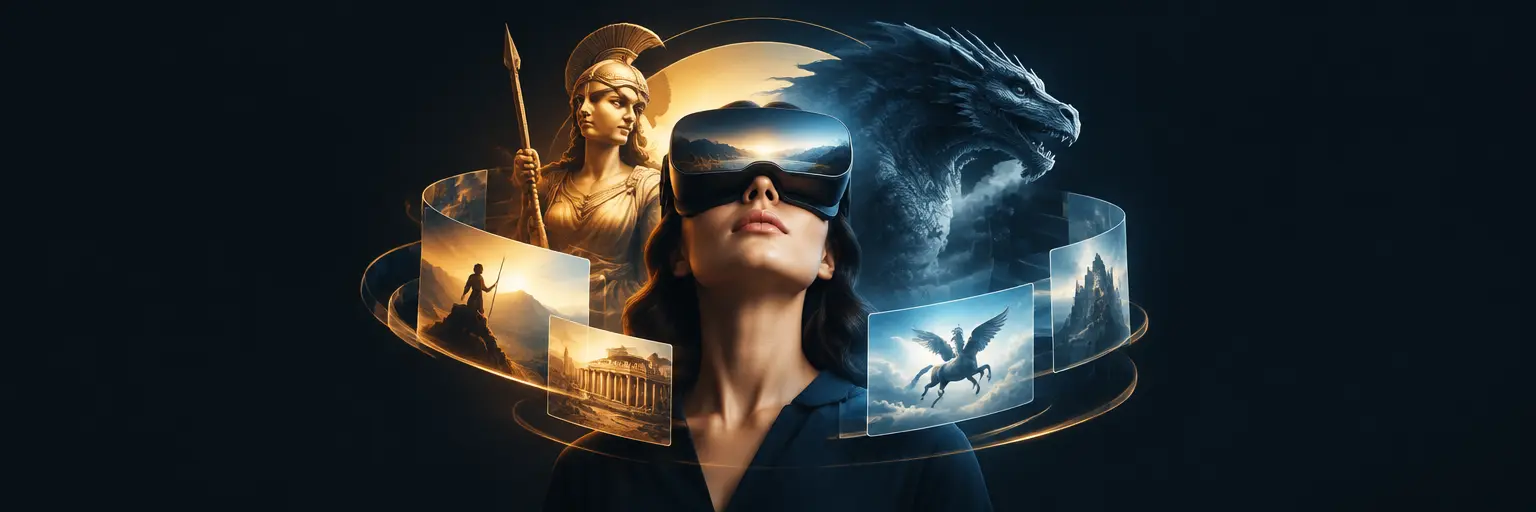
Visual Media Innovations are transforming how ancient myths and legends are told, blending cutting-edge animation, virtual reality, and interactive design to breathe new life into timeless stories. From immersive 3D worlds that let you walk alongside Greek gods to AI-driven visual effects that reimagine Norse sagas, these modern tools make folklore more accessible, engaging, and emotionally resonant than ever before. By merging traditional symbolism with state-of-the-art digital artistry, creators are not just retelling tales—they’re crafting dynamic visual languages that connect global audiences to cultural heritage in surprising ways. Whether through animated short films, augmented reality exhibits, or dynamic graphic novels, these innovations ensure that ancient wisdom remains vibrant and relevant, inviting both new explorers and lifelong enthusiasts to see mythology through a fresh, awe-inspiring lens.
🌟 Forgotten myths digital art revitalizes ancient stories, bridging past and present. By visually reimagining lost legends, it preserves cultural heritage and…
Read article
🌍 Discover how AI predicting mythological futures is transforming our understanding of ancient legends, revealing new insights into cultural narratives and shaping…
Read article
🌟 Discover how VFX creating believable myths transforms fantastical creatures into captivating, immersive realities, blending ancient legends with modern technology to deepen…
Read articleWelcome to the intersection of ancient myth and cutting-edge technology. Within "Visual Media Innovations," we explore how filmmakers, game developers, virtual reality creators, and digital artists are reimagining timeless legends for modern audiences. This subcategory examines the tools, techniques, and artistic choices that transform oral traditions into immersive visual experiences—from CGI-driven epics to interactive myth-based worlds. Whether you are a mythology enthusiast, a digital artist, or a content strategist, you will discover how innovation keeps these ancient stories alive, relevant, and emotionally resonant in a screen-dominated age.
Modern blockbusters like Thor, Clash of the Titans, and Moana have redefined how we visualize gods, monsters, and heroes. This section dives into the use of photorealistic CGI, motion capture, and virtual production to breathe life into mythological creatures—from the Hydra’s serpentine movements to the gods’ aerial battles. You will learn how directors balance archaeological accuracy with artistic license, and why visual effects teams study ancient pottery and sculptures to design armor and landscapes. Expect analysis of narrative pacing, color grading, and sound design that evoke the epic scale of ancient sagas.
Moreover, we examine the cultural implications of Westernizing non-Western myths, such as in The Monkey King or Black Panther’s African futuristic motifs. By comparing live-action remakes with animated classics, we highlight how visual innovation can either preserve or distort a legend’s core moral lesson. For SEO, this section targets keywords like "mythology CGI films," "ancient legends in cinema," and "visual effects for gods and monsters."
Video games are the most immersive medium for myth since oral tradition itself. This subcategory explores titles like God of War, Hades, and Assassin’s Creed Odyssey, which allow players to step directly into the sandals of mythological heroes. We analyze how game designers use environmental storytelling—ruined temples, sacred groves, and underworld caverns—to build lore without lengthy exposition. You will see how non-linear narratives let players experience alternate versions of familiar myths, such as multiple endings for Orpheus’s journey or branching quests involving Medusa’s redemption arc.
We also investigate procedural generation and AI-driven NPCs that create unique mythic encounters every playthrough. For creators, this section offers practical tips on integrating mythological symbols into gameplay mechanics—for example, using the labyrinth as a level design metaphor or echoing the Fates’ threads as a reward system. Keywords here include "mythology in video games," "interactive folklore," and "game design for legends."
Virtual reality (VR) and augmented reality (AR) push visual storytelling beyond the screen, making you an active participant in a myth. This section highlights experiences like The Climb inspired by Icarus, Wolves in the Walls based on folklore, and museum AR apps that resurrect ancient artifacts. You will learn how spatial audio and haptic feedback simulate the rumble of a titan’s footsteps or the chill of entering Helheim. We discuss the psychological impact of “presence”—why facing a wyrm in VR triggers real adrenaline, and how that deepens emotional connection to cultural heritage.
Additionally, we cover the challenges of translating non-visual myth elements—like the ambiguity of prophecy or the moral weight of hubris—into interactive spatial narratives. For developers, we provide case studies on optimizing 3D models for performance without losing ornate Celtic or Mayan details. SEO focus: "VR mythology experiences," "AR folklore apps," and "immersive storytelling technology."
From the art of Yoshitaka Amano to contemporary DeviantArt communities, digital painting has become a primary vehicle for reimagining deities. This section showcases how illustration software, 3D sculpting tools like ZBrush, and AI-assisted art generators produce unique visual interpretations of Zeus, Quetzalcoatl, and Amaterasu. We break down the anatomy of iconic designs—why Thor’s hammer has specific runes, or why Athena’s owl is both a symbol and a visual anchor. You will find tutorials on creating atmospheric lighting that evokes divine radiance or chthonic gloom, plus guidance on respecting cultural symbolism when redesigning sacred figures.
We also analyze how concept art influences film, gaming, and merchandise, creating a feedback loop between audience taste and mythological authentication. For artists, we curate resources on color palettes derived from ancient frescoes, or textures mimicking marble and bronze. Keywords: "mythological digital art," "god concept design," "AI mythology illustrations."
Platforms like YouTube, TikTok, and Netflix have birthed a new genre: bite-sized mythic storytelling with high visual impact. This section examines series like Mythology: The Animated Series or creators who use motion graphics to explain the Labors of Hercules in under 60 seconds. We delve into the use of kinetic typography, infographic-style animation, and stop-motion to make complex legends accessible to Gen Z audiences. You will learn how episodic cliffhangers borrow from serialized Greek dramas, and how monetization strategies like Patreon support independent myth artists.
Moreover, we study the viral spread of mythological memes and how visual shorthand—like the eye of Horus as a logo—bridges ancient and modern semiotics. For content creators, this section offers SEO tips on structuring titles, thumbnails, and chapters to dominate search results for "mythology explainer videos" and "legends in pop culture."
Innovative visual media also serves archaeology and cultural heritage. This subcategory explores photogrammetry, LiDAR scanning, and 3D animation to reconstruct ruined temples, lost statues, and fading cave paintings. Projects like the “Digital Giza” or “Scanning the Sphinx” allow global audiences to walk through ancient sites from their laptops. We explain how these models are texture-mapped using historical color references and how animation reintroduces movement—for instance, showing how Achille’s shield might have been forged in Hephaestus’s workshop. You will see case studies where 3D prints aid museum accessibility for visually impaired visitors.
We also discuss ethical dilemmas: should we colorize white-marbled classical statues when original pigments are uncertain? How do we prevent digital replicas from undermining sacred indigenous sites? This section is a resource for museum educators, digital humanists, and heritage managers. SEO terms: "3D reconstruction of mythology," "cultural heritage digitization," "ancient ruins VR."
They consult historians, archaeologists, and folklorists, then study ancient art, pottery, and texts. For God of War, developers used Norse sagas and runestone carvings for armor details. They also analyze historical color pigments and environmental landscapes to ground fantasy in plausible reality, ensuring that innovations enhance rather than erase the myth’s cultural roots.
AI can mimic styles but often misses nuanced symbolism—like the duality of a trickster god. It excels at generating variations for concept art or backgrounds, but human artists are necessary to embed deeper meanings. We recommend using AI as a brainstorming tool, then refining with cultural consultation to preserve sacred narratives.
Two standout examples are Skyrim VR’s modded realms and Asgard’s Wrath, which offer combat, exploration, and character-driven quests. For lighter immersion, The VR Museum of Fine Art includes Norse artifact replicas. These experiences balance gameplay with lore, letting you visit Yggdrasil or duel Fenrir with motion controls.
Use open-source tools like Blender for 3D modeling and DaVinci Resolve for editing. Leverage free sound libraries and AI voiceovers for narration. Start with short 2D animations using Procreate or Krita, then graduate to 3D for captivating scenes. Crowdfunding via Kickstarter can fund professional voice actors and original scores.
Always seek permission from living cultures, avoid caricatures, and provide context in captions or disclaimers. For closed traditions like Indigenous or Hindu deities, consult community leaders. When in doubt, emphasize artistic interpretation rather than claiming factual accuracy, and credit original cultures to foster respectful engagement.