
The Art of Making Mythical Beings Believable Through VFX

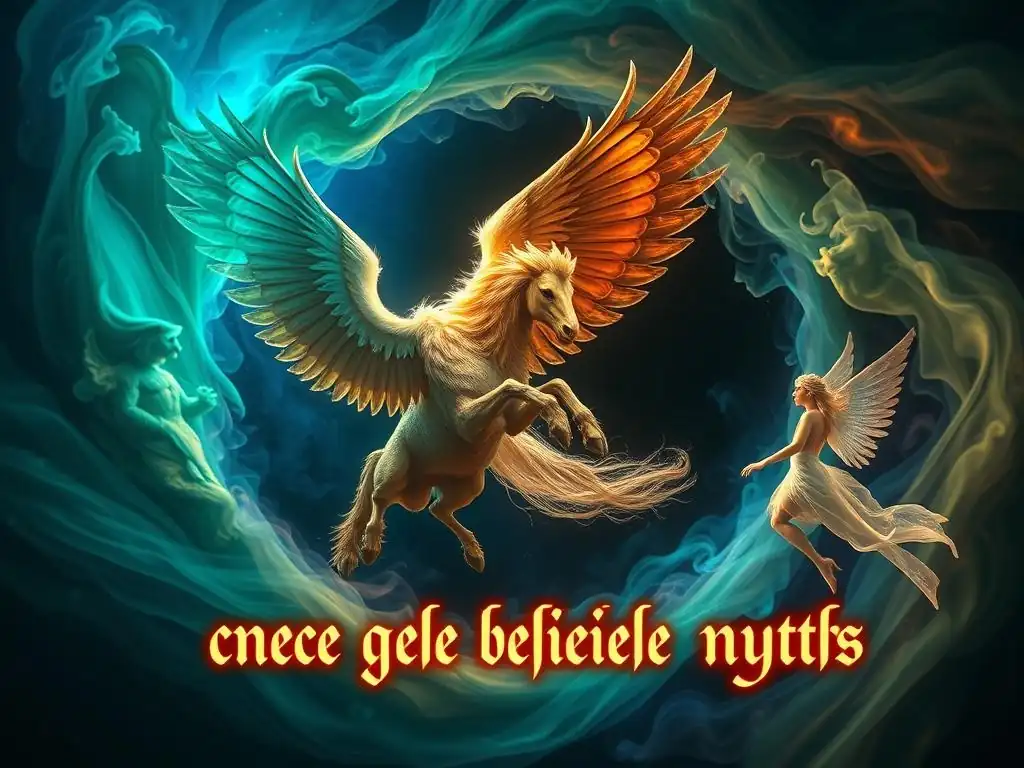
Welcome to Mythology and Legends, your gateway to the timeless tales shaping cultures across the globe! Ever wondered how mythical creatures, once confined to ancient texts, are brought vividly to life on screen? Delve into the captivating world of VFX creating believable myths and discover the secrets behind crafting dragons, gods, and other legendary beings that resonate with modern audiences. Prepare to be amazed by the artistry and technology that breathe life into the extraordinary... what if the impossible was made real?
- Introduction: Breathing Life into Legends with Visual Effects
- Understanding the Core of Mythical Creature Design for VFX
-
Key VFX Techniques for Realistic Mythical Creatures
- Digital Sculpting and Modeling: Crafting the Foundation of Believable VFX Creatures
- Texturing and Shading: Adding Depth and Realism to VFX Mythical Beings
- Rigging and Animation: Bringing Movement and Life to Digital Legends
- Compositing: Seamlessly Integrating VFX Mythical Creatures into Live-Action or CGI Environments
- Case Studies: Examining Successful VFX Mythical Creature Creations
- The Role of Performance and Motion Capture in Believable VFX
- Future Trends in VFX for Mythical Beings
- Conclusion: The Enduring Power of VFX in Shaping Our Understanding of Myth
-
Frequently Asked Questions
- How crucial are VFX in modern interpretations of mythology?
- What are some key challenges in using VFX to portray mythical beings realistically?
- How does cultural sensitivity play a role in using VFX to depict myths from different cultures?
- Can advancements in VFX technology make any myth believable on screen?
- What is the future of VFX in bringing myths and legends to contemporary audiences?
- Final Reflection: Weaving Magic: The Enduring Power of Believable Myth
- Unleash Your Inner VFX Artist: Bring Myths to Life!
Introduction: Breathing Life into Legends with Visual Effects
The Power of VFX in Modern Mythology and Legends Storytelling
Visual effects (VFX) have become an indispensable tool in bringing the rich tapestry of mythology and legends from around the world to the screen. In an era dominated by visual media, VFX provides the bridge between ancient tales and modern audiences, enabling filmmakers and content creators to depict creatures, landscapes, and events that exist only in the realm of imagination.
This ability to visualize the impossible is crucial for adaptations of classic myths, allowing stories of gods, monsters, and heroes to resonate with contemporary viewers who expect a high degree of visual fidelity. The success of films and series leveraging advanced VFX to tell these stories underscores their impact; for instance, major fantasy franchises heavily reliant on mythical elements and robust VFX pipelines have collectively grossed billions of dollars worldwide, demonstrating the audience's appetite for seeing these legends brought to life with stunning realism.
The evolution of VFX technology has fundamentally changed how mythological narratives are consumed. Where once these stories were confined to oral traditions, written texts, or static illustrations, they can now unfold dynamically with creatures that move, interact, and evoke genuine emotion. This transformation is not merely aesthetic; it allows for deeper thematic exploration and character development.
By crafting believable mythical beings through meticulous VFX work, storytellers can explore complex relationships between humans and the supernatural, delving into the cultural significance and psychological depth of these ancient figures. The drive towards creating believable myths through VFX isn't just about spectacle; it's about honoring the source material by presenting its fantastic elements with a level of visual sophistication that encourages suspension of disbelief and fosters a deeper connection with the narrative.
Why Believable VFX are Crucial for Mythical Creature Design
The credibility of a fantasy or mythology-based production often hinges on the believability of its non-human characters. For mythical creatures, this is paramount. Audiences, while accepting the premise of fantastical beings, still subconsciously apply real-world physics and biology to what they see on screen.
If a creature's movement feels unnatural, its weight seems wrong, or its interaction with the environment is unconvincing, the illusion is broken, pulling the viewer out of the story. This immediate disconnect undermines the narrative's impact, making even the most compelling plot or character arc fall flat. Achieving believable mythical creatures with VFX requires painstaking attention to detail, ensuring that everything from skin texture to muscle flexes aligns with an internal logic established for that specific creature within its fictional world.
Furthermore, believable VFX are essential for evoking the intended emotional response. A poorly rendered dragon might look comical rather than terrifying, or a clumsy sprite might appear irritating instead of enchanting. When VFX creating believable myths are successful, they allow the audience to accept these fantastical beings as real entities within the story's context, enabling empathy, fear, wonder, or awe as intended by the narrative.
Industry surveys and audience feedback often highlight VFX quality as a significant factor in critical reception and viewer satisfaction for genre films. A study by one film analytics firm indicated that films with highly-rated visual effects often correlate with higher audience engagement scores and repeat viewings, suggesting that the perceived realism of fantastical elements directly impacts enjoyment and immersion.
Understanding the Core of Mythical Creature Design for VFX
Grounding Fantasy: Researching Real-World Inspirations for VFX Mythical Beings
The journey of creating a believable mythical being through VFX often begins not in the digital realm, but in the real world. Deep research into biology, anatomy, physics, and even cultural history provides the essential foundation. Artists and designers study the movement patterns of animals—how a lioness stalks prey, how an eagle soars and lands, how a snake coils and strikes—to inform the locomotion and behavior of their fantastical creations.
They examine muscle structure, skeletal systems, and skin textures of various creatures to understand how form follows function and how surfaces react to light. For instance, depicting a Griffin effectively might involve extensive study of both large felines and birds of prey to convincingly blend their anatomies and movements. This grounding in reality helps answer fundamental questions: How would a creature of this size support its weight?
How would wings of that span generate lift? What kind of skin or scales would protect it?
Beyond biology, cultural research into the myth's origin is vital. The design of a creature often carries symbolic weight within its original folklore. Understanding this context helps inform design choices that are not just visually striking but also culturally authentic and narratively meaningful.
For example, a Kitsune (fox spirit) from Japanese folklore might be designed with specific features reflecting its intelligence, mystical abilities, and traditional depictions, drawing inspiration from real foxes while incorporating magical elements. This phase involves extensive collaboration between concept artists, VFX supervisors, and often cultural consultants. Hundreds of hours are typically spent reviewing reference material, sketching concepts, and refining ideas before a single polygon is modeled, ensuring the creature is not just visually appealing but also feels inherently 'right' based on its mythological roots and the laws of its fictional world.
The Importance of Anatomy and Biomechanics in VFX Creature Creation
Once the foundational research is complete, translating that knowledge into a functional digital model requires a rigorous understanding of anatomy and biomechanics. A creature might look impressive as a static sculpt, but its believability collapses if it moves unnaturally. VFX artists meticulously build digital skeletons (rigs) and muscle systems that mimic real-world biological structures.
They consider how bones articulate, how muscles contract and bulge, and how skin stretches and wrinkles over moving forms. Simulating the physics of movement—the inertia of mass, the effect of gravity, the resistance of air or water—is critical. A large creature's steps must feel heavy and impactful, while a flying creature's wingbeats must generate visible force and affect its environment.
This focus on accurate biomechanics is what allows VFX creating believable myths to transcend simple animation and achieve genuine realism. For example, the movement of the dragons in HBO's Game of Thrones was heavily influenced by studying the locomotion of bats and large birds, combined with theories on how such massive, winged reptiles might realistically move on the ground and in the air.
Artists spent countless hours refining the digital anatomy and physics simulations to ensure that Drogon's flight felt powerful and his landings impactful. This level of detail, often requiring complex simulation software and artist-driven sculpting of muscle deformations and skin sliding, consumes significant computational resources and artist time—often thousands of hours per complex creature model and animation cycle—but is indispensable for making the fantastical feel physically plausible.
Defining the Visual Language: Establishing the Look and Feel of Your VFX Myth
Establishing a clear visual language is crucial for ensuring that a mythical creature integrates seamlessly into its environment and narrative. This involves defining not just the creature's physical form, but also its texture, color palette, material properties, and overall aesthetic style. Is the creature ancient and stony, sleek and scaled, ethereal and glowing, or rugged and earthy?
These choices are guided by the creature's origins, its role in the story, and the overall tone of the production. Consistency in this visual language across all appearances of the creature helps reinforce its identity and presence within the fictional world. Concept art plays a vital role here, with artists producing numerous iterations—often dozens or even hundreds of sketches and paintings—to explore different possibilities and refine the design before it moves to the 3D modeling stage.
This phase also involves defining how the creature interacts visually with light and its surroundings. Will its scales reflect light like polished metal, absorb it like dark stone, or refract it like crystal? How will its eyes glow in the dark? How will its presence affect the environment—will dust settle on it, water ripple around it, or plants wither near it?
These details, governed by look development artists and shading technicians, are critical for integrating the creature believably into live-action footage or CGI environments. The visual language dictates the creature's 'materiality' and how it feels to the audience, contributing significantly to achieving believable mythical creatures with VFX. A well-defined visual language ensures that the final VFX asset doesn't look like a digital element pasted onto the screen, but a tangible being inhabiting the story's world.
Key VFX Techniques for Realistic Mythical Creatures
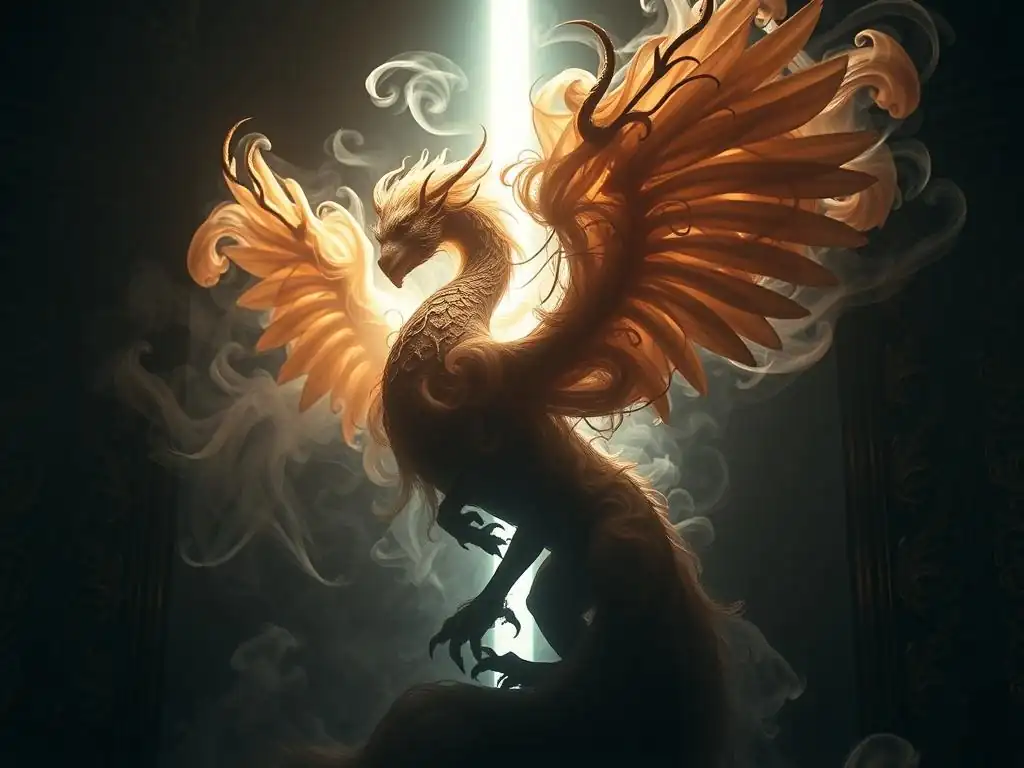
Digital Sculpting and Modeling: Crafting the Foundation of Believable VFX Creatures
The initial step in bringing a mythical creature from concept art to the screen involves digital sculpting and modeling. This process is akin to traditional sculpting but performed in a 3D software environment. Artists begin by creating a basic mesh, a digital armature, and then use specialized tools to push, pull, and shape the virtual clay, adding intricate details like scales, wrinkles, pores, and scars.
High-resolution sculpting is essential for capturing the fine surface details that contribute significantly to realism. A single creature model can easily contain millions, or even billions, of polygons to capture this level of detail, far exceeding the complexity of models from just a decade ago.
This phase requires a keen artistic eye combined with a strong understanding of anatomy and form. Sculptors work closely with concept art and real-world references to ensure accuracy and visual appeal. Iteration is key; models are constantly refined based on feedback from supervisors and directors.
The output of this stage is a highly detailed 3D model, often including multiple versions representing different levels of detail (LODs) optimized for various uses in the VFX pipeline, from close-up renders requiring maximum detail to distant shots needing less complexity for faster processing. This foundational work is critical for creating believable myths through VFX, as any anatomical inaccuracies or lack of detail at this stage will negatively impact all subsequent steps.
Texturing and Shading: Adding Depth and Realism to VFX Mythical Beings
Once the 3D model is sculpted, it needs surface properties—color, texture, reflectivity, transparency, and how it reacts to light. This is handled in the texturing and shading phase. Texturing involves painting detailed color maps, displacement maps (to add fine surface relief like skin pores without needing billions of polygons), and other maps that define surface characteristics.
Artists often use photographic references of real animals, rocks, or other materials, or paint textures from scratch using digital painting software. The goal is to make the creature's surface look organic, worn, or otherwise appropriate for its nature and environment. A dragon's scales might have subtle variations in color and reflectivity, showing age or battle scars, while a forest spirit's bark-like skin might exhibit mossy patches and rough textures.
Shading defines how light interacts with these textures and the 3D model's surface. This involves setting up complex material properties within the rendering software. Artists specify how much light is absorbed, reflected (specular reflection), scattered beneath the surface (subsurface scattering, crucial for skin and fleshy parts), and transmitted (transparency).
Advanced shading models simulate the physics of light interaction to achieve photorealistic results. For instance, achieving believable mythical creatures with VFX often relies heavily on accurate subsurface scattering for soft tissues like wings or faces, giving them a natural, translucent quality when backlit. This combination of detailed texturing and sophisticated shading is what makes a creature look like it's made of tangible material, not just a smooth digital surface.
Rigging and Animation: Bringing Movement and Life to Digital Legends
A static creature model, no matter how detailed, is lifeless. Rigging is the process of building a digital skeleton and control system within the model that animators will use to pose and move it. This involves creating a hierarchy of digital 'bones' and 'joints' that mimic the creature's anatomy, along with controls (like handles or sliders) that simplify complex movements for the animator.
Setting up deformation rigs, which control how the surface mesh deforms when the bones move (e.g., muscle bulges, skin sliding, wrinkles), is a highly technical and artistic process crucial for realistic motion. Complex mythical creatures, like a multi-limbed spider-like being or a creature with dozens of tentacles, require incredibly sophisticated and often custom-built rigs.
Animation is where the creature truly comes to life. Animators use the rig to pose the creature frame by frame or use motion capture data to drive its movements. They focus on conveying weight, force, personality, and emotion through motion. This requires not just technical skill but also a deep understanding of acting and performance.
An animator must think about how a creature would feel in a given situation and translate that into believable movement. For a fearsome beast, every step and roar must convey power and aggression; for a gentle forest spirit, movements might be fluid and light. Achieving believable mythical creatures with VFX through animation involves capturing subtle nuances—the flick of a tail, the shift of weight, the subtle tension in muscles before an action—that sell the illusion of a living being. A complex creature shot can require hundreds of hours of dedicated animation work.
Compositing: Seamlessly Integrating VFX Mythical Creatures into Live-Action or CGI Environments
The final, critical step in making a VFX mythical creature believable is compositing. This is the process of combining the rendered digital creature with live-action footage, CGI environments, or other VFX elements (like dust, water splashes, or magical effects) to create the final image. Compositors adjust color, lighting, shadows, and atmospheric effects to ensure the creature looks like it was actually filmed in the scene, not simply layered on top.
This involves meticulous work matching the black levels, white points, color temperature, and depth of field of the plate photography. Shadows cast by the creature must fall correctly on the environment, and light from the environment must bounce and reflect realistically off the creature's surface.
Integration is key to achieving believable myths through VFX. Compositors add subtle elements like motion blur, film grain, lens distortion, and environmental effects (rain hitting the creature, wind affecting its fur or scales) to further bed it into the shot. They also handle interactions, ensuring that if a character touches the creature, or if the creature interacts with props or the environment, these moments look physically convincing.
This process requires a sharp eye for detail and a deep understanding of how visual elements interact in the real world. A single complex shot involving a mythical creature interacting with live actors can take days or even weeks of dedicated compositing work to achieve photorealistic integration that makes the audience believe the impossible is real.
Case Studies: Examining Successful VFX Mythical Creature Creations
The Dragon's Ascent: Analyzing the VFX Behind Smaug in "The Hobbit" Trilogy
Smaug, the dragon from "The Hobbit" trilogy, stands as a prime example of VFX creating believable myths on an epic scale. Weta Digital's work on Smaug involved creating a creature of immense size and power that needed to be not only visually stunning but also convey intelligence, arrogance, and menace through performance. The design process involved extensive anatomical study of reptiles and bats, scaled up to gargantuan proportions.
The digital sculpt was incredibly detailed, featuring millions of scales, scars, and wrinkles, each individually crafted or procedurally generated with artistic direction. The texturing and shading involved sophisticated layered materials to simulate the look of ancient, hardened scales, softer underbellies, and fiery internal illumination.
What truly set Smaug apart was the animation and performance capture. Actor Benedict Cumberbatch provided the voice and motion capture data, allowing his performance—the sneers, the subtle head tilts, the predatory movements—to directly inform the dragon's actions and facial expressions. The rigging system was complex, designed to handle the dragon's massive wingspan, powerful limbs, and expressive head and neck.
Animators worked to translate Cumberbatch's performance into dragon physicality, focusing on weight, scale, and serpentine grace combined with brutal power. The final compositing seamlessly integrated the massive CGI dragon into live-action plates and vast digital environments, with meticulous attention paid to lighting, shadows, and atmospheric perspective, resulting in a creature that felt truly ancient, terrifying, and undeniably real within the context of the film.
Ape to Legend: Deconstructing the Visual Effects of Caesar in "Planet of the Apes"
While technically an evolved ape rather than a traditional mythical being, Caesar from the modern "Planet of the Apes" trilogy functions as a legendary, almost mythological figure within his narrative, and his creation represents a pinnacle of believable VFX creature work. Weta Digital again spearheaded the effects, focusing intensely on translating nuanced human performance onto a non-humanoid form. The process began with highly detailed anatomical studies of chimpanzees and other primates. The digital models were incredibly complex, featuring intricate muscle systems, fat layers, and skin that wrinkled and stretched realistically.
The key to Caesar's believability was the integration of cutting-edge performance capture technology. Andy Serkis, the actor portraying Caesar, performed on set alongside live-action actors, wearing a motion capture suit and a facial capture rig.
This allowed his subtle gestures, posture, and incredibly detailed facial expressions—the worry in his brow, the determination in his eyes, the set of his jaw—to be recorded and transferred directly onto the digital ape model. VFX artists then refined this raw data, adding secondary motion (like fur dynamics and muscle jiggle) and ensuring the digital character's eye line and interaction with the environment were perfect.
The compositing work ensured Caesar felt physically present in every shot, perfectly integrated with lighting and atmosphere. This meticulous process, requiring teams of hundreds of artists and consuming millions of rendering hours per film, resulted in a digital character that audiences connected with on a deeply emotional level, proving the power of VFX creating believable myths (or legends) when grounded in performance and physical reality.
Lessons Learned: Common Pitfalls and Best Practices in VFX Creature Design
Creating believable mythical beings through VFX is fraught with challenges. One common pitfall is neglecting real-world physics and anatomy; even in fantasy, a creature's movement and structure need internal consistency or they will feel weightless or anatomically impossible, breaking immersion. Another is insufficient detail in modeling, texturing, or shading, leaving creatures looking plasticky, smooth, or low-resolution, especially in close-ups.
Poor integration during compositing—mismatched lighting, incorrect shadows, or lack of environmental interaction—is a frequent error that immediately flags a creature as a digital element rather than a physical presence. Over-reliance on flashy effects without a solid foundation in design and performance can also lead to creatures that are visually noisy but lack substance or believability.
Best practices emphasize a holistic approach. Start with strong concept art grounded in research. Prioritize realistic anatomy and biomechanics in modeling and rigging. Invest heavily in high-resolution sculpting, detailed texturing, and sophisticated shading to give creatures tangible surface qualities.
Crucially, leverage performance capture and work closely with actors and animators to inject personality and life into the digital model; motion capture data often provides the nuanced timing and subtle shifts that hand animation alone might miss. Finally, dedicate significant resources to compositing to ensure seamless integration into the final image, paying meticulous attention to lighting, shadows, and environmental interaction. Following these principles significantly increases the chances of successfully creating believable myths through VFX that resonate with audiences.
The Role of Performance and Motion Capture in Believable VFX
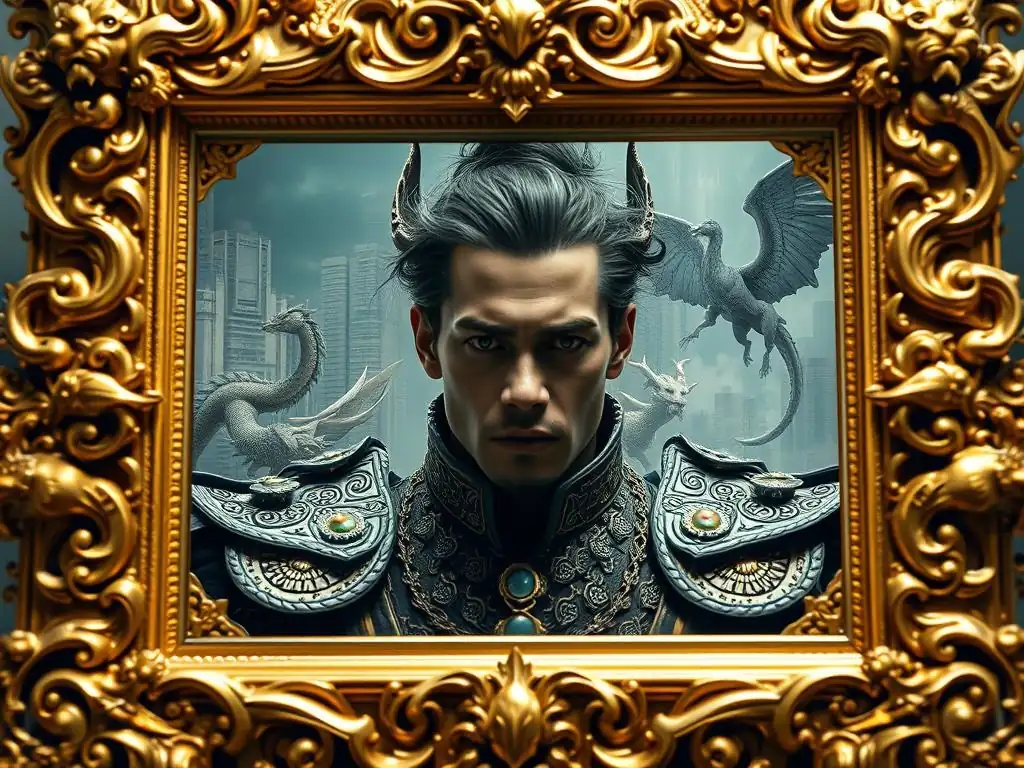
Capturing Human Movement: Using Motion Capture to Enhance VFX Creature Realism
Motion capture (mocap) has revolutionized the process of animating complex digital characters, including mythical beings. By recording the movements of human (or occasionally animal) performers using special suits and cameras, artists gain access to a wealth of realistic motion data. This data provides a highly accurate foundation for translating nuanced human or animalistic performances onto a digital rig.
For creatures with humanoid characteristics, like centaurs or satyrs, mocap of actors can directly inform their locomotion and gestures. For creatures with non-humanoid forms, like dragons or multi-limbed beasts, mocap of actors (or even stunt performers mimicking creature movements) or animals can provide reference for weight distribution, timing, and the subtleties of organic motion that are difficult to animate from scratch.
The primary benefit of using motion capture for VFX creating believable myths is the injection of natural, organic timing and complex, interconnected body movements that are characteristic of living beings. While hand animation allows for complete creative control, achieving the fluid, spontaneous quality of real motion can be incredibly time-consuming. Mocap provides a realistic base layer that animators can then refine and stylize.
It's particularly effective for capturing realistic weight shifts, complex limb coordination, and the subtle ways the body reacts to forces like gravity and momentum. A typical mocap session for a major film sequence might capture terabytes of data, providing animators with a rich library of authentic movement to work with, significantly enhancing the believability of the final VFX creature animation.
Working with Actors: The Importance of Performance in VFX-Driven Storytelling
Beyond just physical motion, the performance of an actor is invaluable in imbuing digital mythical beings with character and emotional depth. Actors like Andy Serkis or Benedict Cumberbatch don't just provide movement data; they provide the soul of the character. Their understanding of motivation, emotion, and dramatic timing translates through the motion and facial capture data, giving animators a blueprint for the creature's emotional state and intentions.
This is particularly important for creatures that need to convey personality or interact dramatically with human characters. A mythical being that just moves realistically might be visually impressive, but one that acts—showing fear, anger, curiosity, or wisdom through subtle shifts in posture, gaze, and expression—is far more compelling and believable.
This collaboration between actor and animator is a cornerstone of achieving believable mythical creatures with VFX. The actor's performance provides the emotional core, while the animators and technical artists translate that performance onto the often very different physical form of the creature, ensuring the emotion reads clearly despite the non-human anatomy.
Directors often work closely with the performance capture actors on set, directing them as they would any other actor, focusing on the emotional beats and narrative requirements of the scene. This emphasis on performance ensures that the VFX creature is not just a technical marvel, but a character that contributes meaningfully to the story and connects with the audience on an emotional level.
Refining the Performance: Post-Production Tweaks and Enhancements for VFX Creatures
Raw motion capture data is rarely used directly in the final shot. The data captured from a human actor needs significant refinement to apply correctly to a creature with different proportions, weight, and anatomy.
Post-production involves a complex process of retargeting the mocap data onto the creature's rig, adjusting timing and spacing to account for scale and mass (a giant creature moves slower than a human), and adding secondary animation. This secondary animation includes elements like overlapping action (when one part of the body continues moving after another has stopped), follow-through (the natural settling of limbs and tissues), and the simulation of physics like muscle jiggle, skin sliding, and the dynamics of fur, hair, or clothing.
Animators also enhance the captured performance, pushing expressions or actions to better suit the creature's design or the dramatic needs of the scene. They may add subtle eye darts, twitches, or breathing cues that weren't captured, or exaggerate certain movements to emphasize the creature's personality or power.
Facial animation is particularly complex, often requiring manual sculpting or sophisticated facial rigging systems layered on top of facial capture data to achieve nuanced expressions on a non-human face. This meticulous refinement process, often taking many hours per shot even with mocap data, is essential for polishing the animation and ensuring the final VFX mythical creature delivers a compelling and believable performance.
Future Trends in VFX for Mythical Beings
Advancements in AI and Machine Learning for VFX Creature Creation
The field of artificial intelligence and machine learning is beginning to have a significant impact on VFX, promising to streamline and enhance the creation of believable mythical beings. AI is already being used to assist with tasks like generating realistic textures, simulating complex natural phenomena (like fire, water, or cloth), and even automating aspects of the rigging process.
Machine learning algorithms can analyze vast datasets of real-world movement or imagery to generate more realistic and varied animations or textures procedurally, reducing the need for manual creation of every detail. Imagine AI assisting in generating millions of unique scales for a dragon, ensuring natural variation and detail, or learning from animal locomotion to suggest realistic secondary motion for a creature rig.
In the future, AI could potentially be used to create more autonomous and reactive digital characters. This could mean creatures that can partially animate themselves based on simple high-level instructions or that react intelligently to changes in the environment or the actions of live-action characters. While full AI-driven creature creation is still some way off, the integration of machine learning into existing VFX pipelines is already increasing efficiency and enabling higher levels of detail and realism. This means VFX creating believable myths will likely become more accessible for productions of various sizes, pushing the boundaries of what's possible visually.
Real-Time VFX: Exploring New Possibilities for Interactive Mythology Experiences
Traditionally, rendering complex VFX shots takes significant time, often hours per frame for high-resolution creatures. However, advancements in real-time rendering technology, driven largely by the video game industry, are opening up new possibilities. Real-time VFX allows for complex digital assets, including highly detailed mythical creatures, to be rendered and displayed instantaneously. This technology is already being used in virtual production environments, allowing filmmakers to see VFX creatures integrated into the scene on set through cameras or monitors, aiding in composition and performance.
The move towards real-time VFX also holds immense potential for interactive mythology experiences, such as immersive theme park attractions, augmented reality (AR) experiences, or high-fidelity video games centered on mythology. Imagine walking through a digital forest and encountering a mythical creature that reacts to your presence in real-time, with its fur or scales rendered with cinematic quality.
This technology allows for greater spontaneity and interaction, blurring the lines between pre-rendered film and interactive media. As real-time rendering engines become more powerful and capable of handling film-quality assets, the potential for creating believable myths through VFX in interactive formats will explode, offering audiences entirely new ways to engage with ancient legends.
The Evolving Landscape of Visual Storytelling and the Impact on VFX
Visual storytelling is constantly evolving, with platforms expanding from traditional cinema and television to streaming services, virtual reality (VR), and augmented reality (AR). This diversification of platforms and formats presents both challenges and opportunities for VFX creating believable myths. Each medium has unique technical requirements and audience expectations. VR and AR, for instance, demand real-time rendering and a high degree of interaction, pushing the boundaries of current VFX pipelines. The increasing demand for high-quality content across numerous platforms also drives innovation and necessitates more efficient and scalable VFX workflows.
Furthermore, the stories themselves are becoming more ambitious, frequently drawing upon diverse and often obscure mythologies from around the globe. This requires VFX artists to research and create an ever-wider array of unique and culturally specific mythical beings. The emphasis remains on believability, regardless of the platform or the creature's origin.
As technology continues to advance and storytelling formats diversify, the role of VFX in visualizing the fantastical elements of mythology will only grow. The pursuit of creating believable mythical creatures with VFX will continue to drive innovation, pushing the boundaries of digital artistry and technical achievement to keep ancient legends alive and compelling for future generations.
Conclusion: The Enduring Power of VFX in Shaping Our Understanding of Myth
VFX as a Tool for Preserving and Reinterpreting Mythology and Legends
Visual effects have become a powerful tool in the modern preservation and reinterpretation of mythology and legends. By providing the means to visualize these ancient stories with unprecedented realism and detail, VFX helps keep them relevant and engaging for contemporary audiences. Films, television series, and games leveraging advanced VFX introduce mythical beings and narratives to millions globally, often sparking renewed interest in the original source material and the cultures they come from. This visual revitalization ensures that stories passed down through generations do not fade into obscurity but find new life in the digital age.
Furthermore, VFX allows for creative reinterpretation. Artists and storytellers can explore different facets of a myth, depict creatures in new environments, or imagine their interactions with modern society, all made possible by the ability to create believable myths through VFX.
This reinterpretation isn't always strictly traditional but can offer fresh perspectives and explore universal themes inherent in mythology through a modern lens. In essence, VFX acts as a modern scribe and illustrator, translating the oral and written traditions of the past into the visual language of the present, ensuring that the magic and wisdom contained within myths and legends continue to inspire.
The Ethical Considerations of VFX in Representing Mythical Beings
While the power of VFX in creating believable myths is undeniable, it's important to consider the ethical implications, particularly when depicting mythical beings from specific cultural or religious traditions. Misrepresenting or trivializing sacred or culturally significant figures through inaccurate or insensitive visual design can perpetuate stereotypes or cause offense. There's a responsibility to approach the source material with respect and diligence, ideally involving cultural consultants when adapting myths from traditions outside the production team's direct experience.
The pursuit of "believability" also raises questions. While realism is often the goal for immersion, does it risk flattening the symbolic or abstract nature of some mythical beings?
Some creatures are meant to be mysterious, unknowable, or purely symbolic, and rendering them with hyper-realistic detail might inadvertently strip away some of their original meaning or power. The ethical use of VFX in representing mythology requires balancing the desire for visual spectacle and realism with fidelity to the spirit and cultural context of the original myths, ensuring that the art of creating believable mythical creatures with VFX serves to enrich, rather than diminish, the legacy of these ancient stories.
Frequently Asked Questions
How crucial are VFX in modern interpretations of mythology?
VFX are absolutely critical for bringing mythical creatures and worlds to life. They allow filmmakers and artists to create believable and immersive experiences that resonate with audiences, enhancing the storytelling.
What are some key challenges in using VFX to portray mythical beings realistically?
One major challenge is balancing the fantastical nature of myths with the need for photorealistic details. Another is ensuring the VFX don't detract from the story, but rather enhance the emotional impact and narrative flow.
How does cultural sensitivity play a role in using VFX to depict myths from different cultures?
It's essential to approach the depiction of myths with cultural respect and sensitivity. VFX artists should collaborate with cultural experts to avoid misrepresenting or appropriating sacred imagery or narratives.
Can advancements in VFX technology make any myth believable on screen?
While VFX technology is constantly evolving, believability also relies on storytelling and artistic direction. Even the best VFX can fall flat if the narrative context or character development is weak. It's a collaboration.
What is the future of VFX in bringing myths and legends to contemporary audiences?
The future likely involves even more sophisticated AI-powered tools and real-time rendering techniques. This will allow for more interactive and immersive experiences, blurring the lines between reality and the mythical realm.
Final Reflection: Weaving Magic: The Enduring Power of Believable Myth
The seamless integration of VFX with compelling storytelling is no longer a futuristic fantasy; it's the very fabric of modern mythmaking. We've explored how advanced visual effects can breathe life into creatures and worlds once confined to the realm of imagination, transforming the fantastical into something tangible and emotionally resonant. This isn't just about technical prowess; it's about forging a connection between the audience and the impossible.
The impact of believable mythical creatures, brought to life through VFX, is profound and far-reaching. These images, once relegated to the pages of books or the canvases of artists, now inhabit our collective consciousness, shaping our understanding of narrative and influencing how we perceive the world around us. They challenge our preconceived notions of reality, prompting us to question the boundaries between the possible and the impossible. The purpose of art is washing the dust of daily life off our souls.
– Pablo Picasso. This sentiment rings true for the creation of believable mythical beings; they offer an escape, a chance to confront our fears and aspirations through a lens of wonder.
Consider the power of these images, the stories they tell, and the emotions they evoke. You, the reader, now possess a deeper understanding of the artistry and technical skill required to create believable mythical beings. Go forth and appreciate the magic woven into the films and games you consume. More importantly, consider how you, too, can contribute to this evolving art form, whether through your own creative endeavors or by simply engaging more deeply with the stories that these incredible visuals bring to life.
Unleash Your Inner VFX Artist: Bring Myths to Life!
Thanks for diving deep into the world of believable mythical creatures with us! You've now unlocked powerful techniques to elevate your own creative projects. Ready to put your newfound knowledge into action?
- Craft your own mythical creature design: Start sketching! Let your imagination run wild and bring a completely unique being to life. Don't be afraid to experiment with unusual combinations and unexpected features. This is your chance to create something truly original.
- Share your creative process: Post your sketches on social media, tagging #MythicalVFX and #MythologyAndLegends. Let's inspire each other!
- Explore advanced VFX tutorials online: There's a whole world of learning waiting for you – use this newfound inspiration to dig deeper into the techniques discussed.
What incredible mythical being will you create and share with the world?