
Global folklore remix: What happens when cultures collide in future stories?

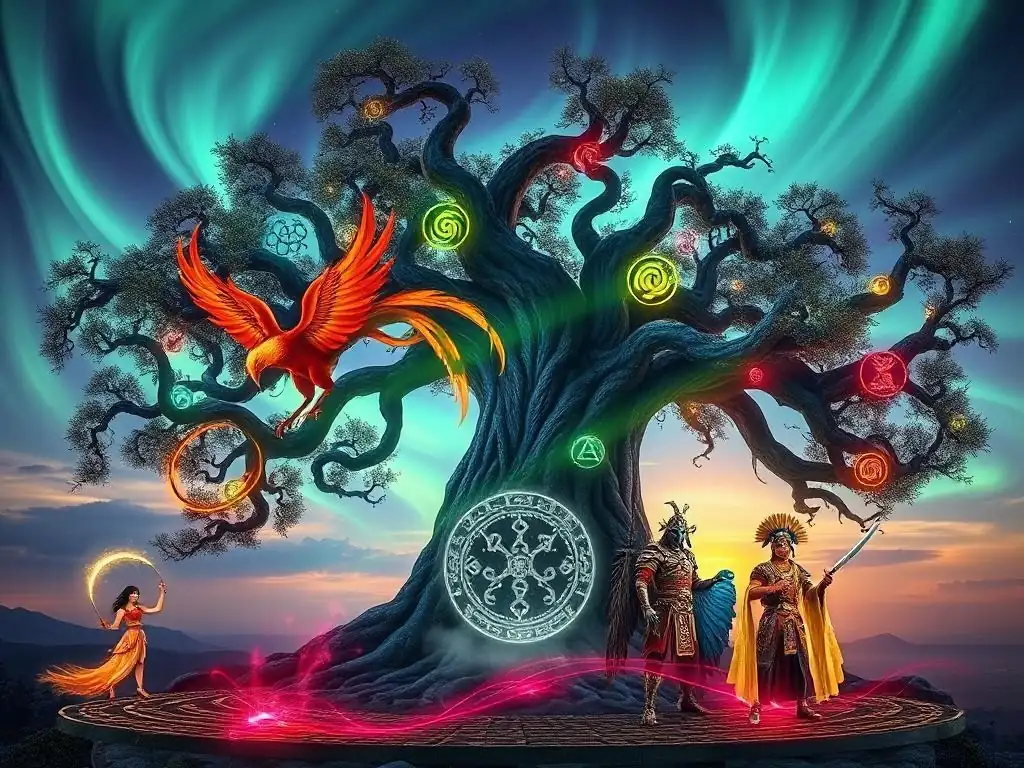
Welcome to Mythology and Legends, where the echoes of ancient tales resonate through the ages. Ever wondered what happens when the threads of different cultures intertwine, creating entirely new tapestries of narrative? Prepare to delve into the fascinating world of cultural folklore fusion storytelling and discover how these vibrant remixes are shaping the future of stories. Explore with us, and let's unravel the magic together.
- Cultural Folklore Fusion Storytelling: Remixing Global Myths for Future Worlds
- The Rise of Cultural Folklore Fusion in Storytelling
- Case Studies: Examples of Cultural Folklore Fusion Storytelling
- The Power of Global Mythology in Future Storytelling
- Challenges and Considerations in Cultural Folklore Fusion
- Future Trends in Cultural Folklore Fusion Storytelling
- The Benefits of Embracing Cultural Folklore Fusion Storytelling
- The Art of Weaving Cultural Narratives for a Global Audience
- Conclusion: The Enduring Appeal of Cultural Folklore Fusion Storytelling
-
Frequently Asked Questions
- How does "Cultural Folklore Fusion Storytelling" benefit modern narratives?
- What are some potential pitfalls of "Cultural Folklore Fusion Storytelling"?
- What role does research play in successful "Cultural Folklore Fusion Storytelling"?
- How can storytellers ensure they are respectfully engaging with "Cultural Folklore Fusion Storytelling"?
- What makes "Cultural Folklore Fusion Storytelling" relevant in today's globalized world?
- Final Reflection: Weaving a Tapestry of Global Myths
- Unlock Your Inner Storyteller: Remix the Myths!
Cultural Folklore Fusion Storytelling: Remixing Global Myths for Future Worlds
Exploring the Intersection of Mythology, Legends, and Future Narratives
Mythology and legends have long served as foundational pillars for human storytelling, providing archetypes, cosmologies, and moral frameworks that resonate across generations. In the modern era, and increasingly as we look towards future narratives, creators are not just retelling these ancient tales but actively weaving them together, exploring the rich intersection where diverse cultural mythologies collide and merge.
This process involves taking elements from disparate traditions – perhaps a trickster god from West Africa, a creation myth from Indigenous Australia, and a creature from Slavic folklore – and remixing them within a single narrative, often set in contemporary or future worlds. It’s a dynamic evolution that reflects our increasingly interconnected global society.
This creative convergence is particularly evident in popular media like speculative fiction, video games, and streaming series, genres with significant global reach. The global fantasy and science fiction market, which heavily utilizes mythic elements, is estimated to be worth billions of dollars annually across publishing, film, television, and gaming.
This substantial market size indicates a strong audience appetite for imaginative worlds and narratives, many of which are now drawing upon a wider spectrum of global myths than ever before. This trend in cultural folklore fusion storytelling allows for the creation of truly unique and complex fictional universes that feel both ancient and brand new, tapping into a collective human fascination with the unknown and the mystical while offering fresh perspectives through the blending of distinct cultural lenses.
The Rise of Cultural Folklore Fusion in Storytelling
Defining Cultural Folklore Fusion: A New Era of Mythic Narratives
Cultural folklore fusion storytelling is more than simply borrowing a name or a monster from another culture's tradition. It is a deliberate and often complex process of integrating narrative elements, character archetypes, cosmological concepts, and thematic concerns from two or more distinct cultural mythologies or folklore traditions into a single, cohesive story.
This isn't about creating a simple pastiche but rather a synergistic blend where the interaction between different mythic systems generates new meanings, conflicts, and possibilities. The goal is typically to explore themes relevant to a modern or future context through the lens of these ancient, intertwined narratives, creating something that acknowledges its diverse roots while forging an entirely new path.
This approach moves beyond the traditional model of stories drawing heavily from a single cultural wellspring, such as the prevalence of Greek or Norse mythology in Western fantasy for many decades. It recognizes the vast, untapped potential in the world's myriad mythologies – from the intricate spirit worlds of Shintoism to the epic cycles of the Mahabharata, the dreamtime stories of Aboriginal peoples, or the vibrant pantheons of various African cultures.
By combining these rich sources, cultural folklore fusion storytelling opens up boundless creative avenues, allowing for the creation of original pantheons populated by gods from different lands, unique magical systems born from the clash of distinct spiritual beliefs, and characters who embody the virtues or vices of multiple mythic archetypes simultaneously.
Why Cultural Remixing Resonates with Modern Audiences
The increasing resonance of cultural folklore fusion storytelling with contemporary audiences can be attributed to several factors driven by globalization and evolving cultural landscapes. Firstly, modern audiences are more exposed to diverse cultures and narratives than ever before, thanks to the internet, streaming services, and increased travel. This exposure fosters curiosity and a desire for stories that reflect the complexity and interconnectedness of the real world, moving beyond monocultural narratives that might feel limited or overly familiar. The novelty of seeing elements from different, perhaps previously unknown, mythologies interacting provides a sense of discovery and intellectual engagement.
Secondly, cultural folklore fusion storytelling often provides a powerful lens through which to examine contemporary issues such as identity, migration, cultural clash, and the search for meaning in a globalized world. When ancient gods from different lands find themselves navigating the complexities of modern society, as seen in various examples, it offers a compelling metaphor for the experiences of immigrants, the challenges of cultural assimilation, and the persistence of heritage in new environments.
This thematic depth, combined with the inherent imaginative appeal of myth and legend, creates narratives that are not only entertaining but also thought-provoking and relevant to the lived experiences of a diverse global audience, driving interest in this form of cultural folklore fusion storytelling.
Case Studies: Examples of Cultural Folklore Fusion Storytelling
American Gods - A Deep Dive into Global Pantheon and Modern America
Neil Gaiman's novel American Gods, later adapted into a popular television series, stands as a quintessential example of cultural folklore fusion storytelling. The core premise involves Old Gods from various global mythologies – including Odin (Norse), Anansi (West African/Caribbean), Czernobog (Slavic), and figures from Egyptian mythology like Thoth and Anubis – living secretly in modern America.
They struggle for survival and relevance as their power wanes, challenged by emergent "New Gods" representing modern phenomena like technology, media, and globalization. The protagonist, Shadow Moon, a former convict, becomes entangled in their hidden war, traveling across the United States and encountering figures from an astonishing array of cultural backgrounds.
The narrative success of American Gods lies in its ingenious juxtaposition of the ancient and the contemporary. It doesn't just list deities; it explores their personalities, powers, and struggles for survival in a world that has largely forgotten them. The story delves into specific myths and legends associated with each deity, showing how these ancient narratives manifest or conflict in a modern setting.
For instance, the interactions between Mr. Nancy (Anansi) and the other gods, or the rituals performed by the Zorya sisters (Slavic goddesses), are deeply rooted in their respective folklore, yet are presented within the context of roadside motels, suburban homes, and cross-country road trips. This bold blend created a narrative that captivated readers and viewers, demonstrating the rich potential of cultural folklore fusion storytelling.
Lovecraft Country - Blending Cosmic Horror with African American History and Folklore
Lovecraft Country, originating as a novel by Matt Ruff and adapted into an acclaimed HBO series, offers another powerful instance of cultural folklore fusion storytelling by merging the cosmic horrors popularized by H.P. Lovecraft with the very real historical horrors faced by African Americans in the Jim Crow era United States.
The narrative follows Atticus Freeman, his friend Letitia, and his Uncle George as they journey through the racially segregated 1950s, confronting both literal monsters from Lovecraftian lore (like Shoggoths) and the metaphorical, yet equally terrifying, monsters of systemic racism, violence, and discrimination. Crucially, the series incorporates elements of African American folklore, Hoodoo, and ancestral magic as sources of power and resistance against both forms of horror.
This fusion is particularly potent because it reclaims and empowers narratives traditionally marginalized or ignored in mainstream horror. Instead of presenting Black characters solely as victims of supernatural forces or racial prejudice, Lovecraft Country imbues them with agency drawn from their own cultural heritage. Figures and concepts from African American folklore, often rooted in resilience and survival, become vital tools against both otherworldly threats and human oppression.
The show explicitly links the cosmic dread of Lovecraft's universe to the lived experience of racial terror, creating a narrative that is both terrifyingly imaginative and historically grounded. This challenging and innovative use of cultural folklore fusion storytelling highlights its capacity for social commentary and empowering underrepresented voices.
Avatar: The Last Airbender - How Eastern Philosophies and Martial Arts are Reimagined in a Fantasy Setting
While Avatar: The Last Airbender is set in an original fantasy world, its creation is a prime example of drawing heavily upon and reimagining diverse real-world cultural elements, particularly from East Asia, to create a unique form of cultural folklore fusion storytelling within its universe. The series' core concept of "bending" the elements (air, water, earth, fire) is explicitly based on various Chinese martial arts styles, with each bending form's movements directly referencing specific styles like Tai Chi (Waterbending), Hung Ga (Earthbending), Ba Gua (Airbending), and Shaolin Kung Fu (Firebending).
Beyond martial arts, the show incorporates philosophical and spiritual concepts drawn from Taoism, Buddhism, and Hinduism, influencing character development, the world's cosmology, and thematic exploration.
The world itself is a fusion of diverse East Asian, South Asian, and even some Indigenous architectural styles, clothing, and societal structures. For instance, the Air Nomads draw inspiration from Tibetan Buddhist monks, the Water Tribes from Inuit and Yupik cultures, the Earth Kingdom from various historical Chinese dynasties, and the Fire Nation incorporates elements reminiscent of Imperial Japan.
While the narrative doesn't literally feature gods from different real-world pantheons interacting, it builds a rich, complex fantasy world by fusing aesthetics, philosophies, and martial/spiritual practices derived from a range of distinct cultural traditions. This approach demonstrates how cultural folklore fusion storytelling can manifest not just in character or plot but in the very fabric of a fictional world, resulting in a globally appealing narrative that feels authentic despite being entirely invented.
The Power of Global Mythology in Future Storytelling
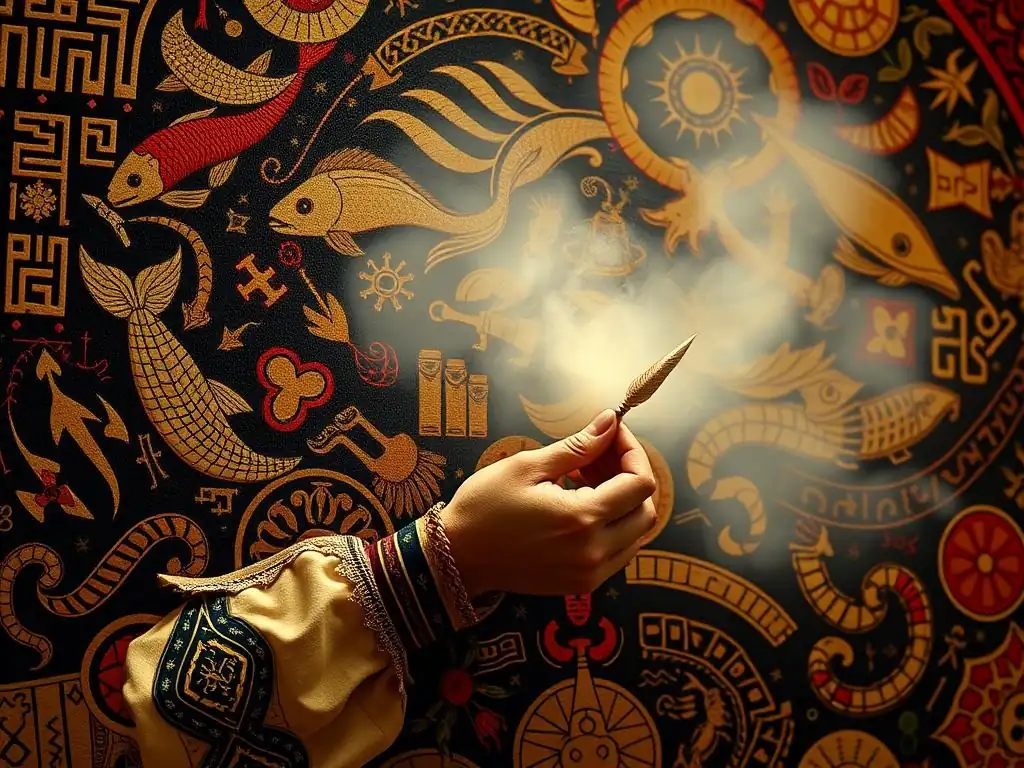
Enhancing Worldbuilding with Diverse Mythological Systems
Incorporating diverse mythological systems is one of the most effective ways to enhance the richness and complexity of worldbuilding in future storytelling. Instead of relying on a single, familiar mythological framework, creators can draw upon the vast tapestry of global myths to create settings that feel truly unique and multifaceted.
Imagine a future city where buildings are designed based on the architecture of mythical realms from different cultures, or where different districts are governed by entities inspired by various pantheons, each with their own rules, rituals, and hierarchies. The interaction between these disparate systems can generate compelling narrative possibilities, explaining everything from the laws of physics (or magic) in that world to the social structures and conflicts between its inhabitants.
For example, blending creation myths from different cultures could lead to fascinating cosmologies. What happens when a world is believed to have been sung into existence by a celestial serpent from one tradition, while another group within that same world believes it was forged in a cosmic blacksmith's fire from another?
Such fusions create inherent tension and diversity within the narrative's foundation, providing fertile ground for conflict, mystery, and exploration. This approach ensures that the fictional world isn't just a backdrop but a character in itself, imbued with layers of history, belief, and wonder drawn from the world's collective mythological heritage, significantly elevating the potential for engaging cultural folklore fusion storytelling.
Creating Unique Characters Inspired by Folklore Archetypes
Global folklore is a treasure trove of unique character archetypes that can inspire compelling figures in future stories. Beyond the universally recognized hero or trickster, each culture offers specific iterations and entirely distinct roles.
Consider the Kitsune (fox spirit) from Japanese folklore, capable of shapeshifting and possessing immense wisdom or mischievous intent; the Baba Yaga from Slavic folklore, a complex figure who can be both terrifying and helpful; or the Anansi spider, a cunning trickster and storyteller from West African tales. Drawing on these specific archetypes, or even combining elements from several, allows creators to move beyond generic character molds and craft individuals who feel deeply rooted yet entirely original.
Furthermore, future cultural folklore fusion storytelling can explore what happens when these archetypes adapt to new environments or technological advancements. What does a shapeshifting Kitsune do in a world of digital surveillance? How does a Baba Yaga operate her magical hut in a sprawling cyberpunk metropolis?
By placing these ancient figures in modern or futuristic contexts and perhaps blending their traits with those of other cultural archetypes, creators can develop characters with inherent depth, surprising abilities, and complex motivations that stem directly from their rich mythological origins. This method provides a powerful shortcut to character depth and originality, leveraging millennia of cultural narrative development.
Infusing Plots with Timeless Mythic Themes
At their heart, myths explore timeless themes that resonate with the human condition: creation, destruction, love, loss, sacrifice, the journey of the hero, the struggle between good and evil, and the search for meaning. Cultural folklore fusion storytelling allows creators to infuse their plots with these powerful, universal themes while presenting them through fresh, unexpected cultural lenses.
By blending narratives or motifs from different mythologies, a story can explore a theme like "the afterlife" by combining concepts from the Egyptian Duat, the Greek Underworld, the Norse Valhalla, and the various spiritual realms of Indigenous cultures, creating a unique and complex vision of what lies beyond death.
Similarly, a plot centered on a "creation myth" could weave together elements from multiple traditions – perhaps a cosmic egg from one, a divine craftsman from another, and ancestral spirits from a third – to build a narrative about origins that is far richer and more symbolic than a single source could provide. This infusion of timeless mythic themes, filtered through the creative blending of diverse cultural narratives, gives future stories a profound resonance and emotional weight.
It connects contemporary audiences to the enduring questions humanity has pondered for millennia, demonstrating that while the settings and characters may change, the fundamental human experience, as captured in our myths, remains a powerful source for compelling cultural folklore fusion storytelling.
Challenges and Considerations in Cultural Folklore Fusion
Avoiding Cultural Appropriation: Respectful Storytelling Practices
One of the most significant challenges in cultural folklore fusion storytelling is navigating the complex issue of cultural appropriation. This occurs when elements from a marginalized culture are taken and used by members of a dominant culture without proper understanding, respect, attribution, or benefit to the original culture, often for commercial gain or superficial aesthetic. To avoid this, respectful storytelling practices are paramount.
This begins with deep, genuine research into the cultural context, significance, and original meaning of the myths, legends, and symbols being used. It's not enough to simply find a cool-sounding name or creature; one must understand its place within its cultural ecosystem.
Respectful practice also involves acknowledging the source material and, where possible and appropriate, collaborating with or consulting members of the culture whose folklore is being referenced. This could mean hiring sensitivity readers, working with cultural consultants, or even partnering with creators from that background.
The goal is to move beyond mere extraction to engagement and exchange, ensuring that the use of cultural elements is not exploitative but contributes positively, perhaps by introducing these traditions to a wider audience in a way that honors their depth and significance. Approaching cultural folklore fusion storytelling with humility and a commitment to ethical engagement is vital for its success and integrity.
Ensuring Authenticity and Accuracy in Mythological Representations
While creative license is inherent in storytelling, ensuring a degree of authenticity and accuracy in mythological representations is crucial for building trust with the audience and respecting the source material. This doesn't mean rigidly adhering to every detail of every version of a myth – folklore is often fluid and varied – but it does mean understanding the core beliefs, values, and narratives associated with the elements being used.
Misrepresenting sacred figures, distorting important stories without a clear narrative purpose, or perpetuating harmful stereotypes derived from colonial interpretations of folklore can be deeply disrespectful and alienate audiences familiar with the source material.
Achieving authenticity requires diligent research using reliable sources, including academic texts, anthropological studies, folklore archives, and primary sources from within the culture itself, where available. It also involves understanding the historical and social context in which these myths arose and function.
While a story might place ancient gods in a futuristic setting, their core personalities, powers, and relationships should ideally reflect their original depictions unless the narrative explicitly explores a transformation or adaptation grounded in a thoughtful premise. Striving for accuracy, even within a work of fiction, demonstrates respect for the cultural heritage being drawn upon in cultural folklore fusion storytelling.
Mythology and folklore are often deeply intertwined with a culture's spiritual beliefs, historical traumas, and social identity. Consequently, using elements from these traditions requires careful consideration of cultural sensitivities to avoid causing offense or perpetuating misinterpretations. Certain stories, symbols, or figures may hold sacred meaning, be associated with specific rituals, or be tied to painful historical experiences. Presenting these elements flippantly, out of context, or in a way that trivializes their significance can be harmful. This is particularly true for the folklore of marginalized or oppressed communities, where traditional narratives have often been suppressed or misrepresented by dominant cultures.
Navigating these sensitivities involves being aware of which stories or figures might be considered sensitive, understanding why they are sensitive, and deciding whether their inclusion is truly necessary for the story or if it risks causing harm. It requires a willingness to listen to feedback from members of the relevant cultures and to be prepared to adjust the narrative approach.
Avoiding misinterpretation means ensuring that the way mythological elements are presented aligns with their intended meaning within their original context, or that any departure is clearly framed within the narrative's exploration of cultural change or adaptation. Responsible cultural folklore fusion storytelling prioritizes respect and understanding over sensationalism or careless borrowing.
Future Trends in Cultural Folklore Fusion Storytelling
The Role of Technology in Amplifying Diverse Voices
Technology is poised to play an increasingly significant role in the future of cultural folklore fusion storytelling, primarily by amplifying diverse voices that have historically been excluded from traditional publishing and media channels. Digital platforms, including self-publishing websites, webcomic hosts, indie game development tools, and streaming services, lower the barrier to entry for creators from around the world. This allows storytellers from cultures rich in unique folklore to share their own narratives, or their fusions of multiple traditions, directly with a global audience without needing approval from gatekeepers who may lack understanding or appreciation for non-Western mythologies.
Furthermore, technology facilitates the creation of interactive and immersive forms of cultural folklore fusion storytelling, such as virtual reality experiences exploring mythical realms or augmented reality games placing legendary creatures in our everyday world. These technologies can offer deeper engagement with complex mythologies. Social media and online communities also enable creators and audiences to connect, discuss cultural nuances, and even collaborate, fostering a more informed and respectful approach to fusion. This technological landscape democratizes access and encourages a wider array of perspectives, paving the way for more authentic and innovative cultural folklore fusion storytelling in the future.
Emerging Themes and Archetypes in Global Mythology Remixing
As cultural folklore fusion storytelling evolves, we can anticipate the emergence of new themes and the innovative remixing of lesser-known archetypes. Future narratives may increasingly explore themes directly related to globalization, migration, and identity in a multicultural world, using fused mythologies as metaphors for these experiences. For instance, stories might examine what happens when spirits of the land from different continents must co-exist in a single urban environment, or how the concept of a "hero's journey" changes when the hero's guides and challenges are drawn from wildly different cultural traditions.
We may also see a shift towards incorporating folklore beyond the most commonly known pantheons. Future cultural folklore fusion storytelling could draw more heavily on the rich mythologies of Indigenous peoples worldwide (with appropriate consultation and respect), the diverse traditions of Southeast Asia, the complex narratives of Central and South America, or the intricate folklore of Central Asia and Eastern Europe.
Archetypes like the Bakunawa (Philippine sea serpent), the Adlet (Inuit human-canine hybrid), or figures from the vast body of African trickster tales beyond Anansi could become central to new narratives, offering fresh perspectives and expanding the global vocabulary of mythic figures available for creative fusion.
The Impact on the Future of Storytelling and Cultural Understanding
The continued rise of cultural folklore fusion storytelling is likely to have a profound impact on the future of storytelling itself and on global cultural understanding. By demonstrating the commercial and creative viability of narratives drawing from diverse sources, it encourages more creators to look beyond traditional Western canons for inspiration, leading to a richer, more varied landscape of stories available to audiences worldwide. This trend challenges established narrative structures and opens up possibilities for entirely new genres and forms of expression rooted in blended mythic traditions.
Crucially, by making diverse mythologies accessible and engaging through popular media, cultural folklore fusion storytelling fosters empathy and cross-cultural understanding on a global scale. Exposure to the beliefs, values, and worldviews embedded in different cultures' myths helps break down barriers and challenges ethnocentric perspectives. It encourages audiences to see the world through different eyes, appreciating the shared human experience while recognizing and celebrating cultural differences. This form of storytelling becomes a powerful tool for connection, education, and mutual respect in an increasingly interconnected world.
The Benefits of Embracing Cultural Folklore Fusion Storytelling
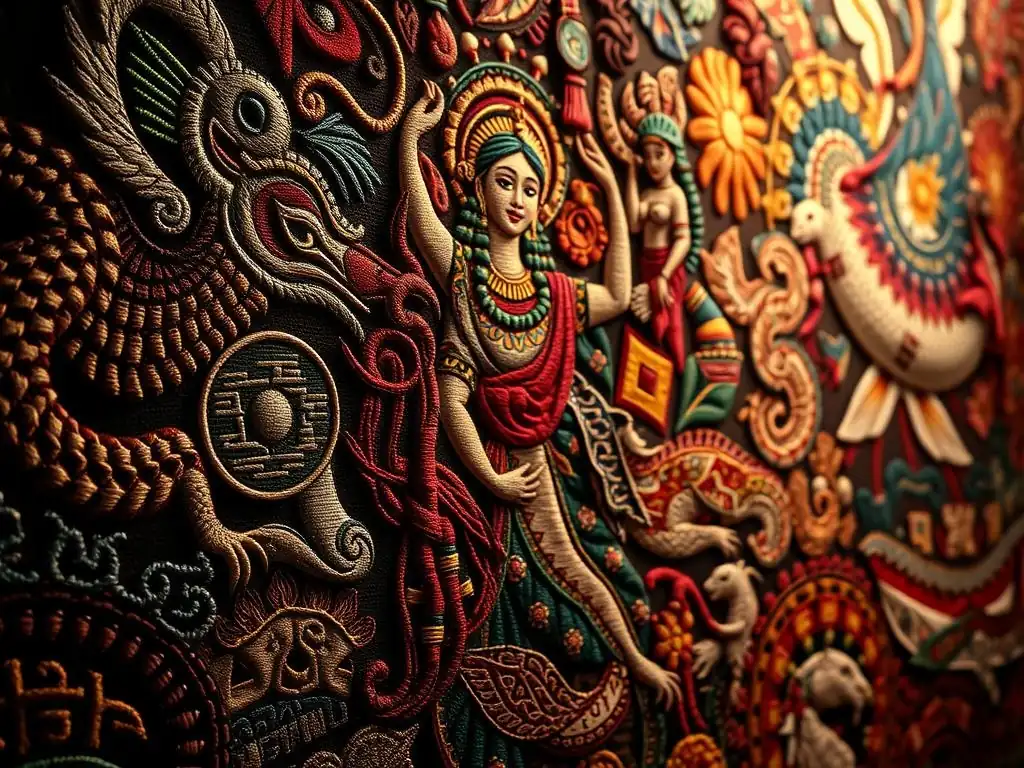
Fostering Empathy and Cross-Cultural Understanding
One of the most significant benefits of cultural folklore fusion storytelling is its unparalleled ability to foster empathy and cross-cultural understanding. When audiences engage with characters, themes, and worlds built from blended mythologies, they are exposed to different ways of seeing the world, different value systems, and different historical perspectives. A story that successfully weaves together, for example, a Japanese Kitsune with an Irish Leprechaun in a narrative about navigating modernity requires the audience to consider the cultural context and original meaning behind each figure, even within the fictional framework.
By making these diverse cultural elements accessible and relatable through compelling narratives, cultural folklore fusion storytelling helps to break down stereotypes and overcome ignorance. It humanizes different cultures by showcasing the depth, complexity, and imagination inherent in their traditional stories. This exposure encourages curiosity rather than fear of the unknown, promoting a greater appreciation for global diversity and building bridges between cultures. It’s a powerful, entertaining way to promote global citizenship and mutual respect.
Expanding Creative Horizons and Narrative Possibilities
For creators, embracing cultural folklore fusion storytelling dramatically expands creative horizons and narrative possibilities. It liberates them from the constraints of working within a single, potentially over-explored mythological system. Suddenly, the entire world's treasury of myths and legends becomes a potential source of inspiration, offering an almost infinite combination of characters, creatures, magical systems, and plot devices. This wealth of material allows for the creation of truly original concepts that haven't been seen before.
Imagine a story where the laws of magic are derived from a blend of Polynesian creation myths and alchemical traditions, or where the antagonists are monstrous figures drawn from both Arctic folklore and desert legends. Such combinations spark imagination and lead to unique narrative challenges and solutions. This approach pushes the boundaries of conventional storytelling, encouraging innovation in plot structure, character development, and world design. It's an exciting frontier for creators looking to tell stories that are fresh, complex, and deeply imaginative.
Preserving and Revitalizing Global Mythological Heritage
In an era where traditional forms of storytelling and cultural transmission are changing, cultural folklore fusion storytelling can play a vital role in preserving and revitalizing global mythological heritage. By recontextualizing ancient myths and legends within modern or future narratives, creators introduce these stories to new generations and global audiences who might otherwise never encounter them. A teenager who watches a show featuring characters inspired by West African deities might be prompted to learn more about the original Anansi tales.
While critics sometimes worry about distortion, a respectful and well-executed fusion can spark genuine interest in the source material. It can highlight the beauty, complexity, and relevance of traditional narratives, encouraging audiences to seek out authentic versions and support cultural preservation efforts. By demonstrating that these ancient stories are not just relics of the past but living, adaptable narratives with enduring power, cultural folklore fusion storytelling helps to ensure that global mythological heritage continues to inspire and inform in the future.
The Art of Weaving Cultural Narratives for a Global Audience
Tips for Crafting Compelling Cultural Folklore Fusion Stories
Crafting compelling cultural folklore fusion storytelling requires a delicate balance of creativity, research, and respect. Here are some tips for creators embarking on this journey:
- Do Your Homework: Deep, thorough research is non-negotiable. Understand the cultural context, variations, and significance of the myths you are using. Go beyond surface-level details.
- Find Your "Why": Why are you fusing these specific mythologies? Is there a thematic connection, a historical link (like trade routes or migration), or a symbolic resonance between them that serves your story? A clear purpose for the fusion makes it feel intentional, not arbitrary.
- Focus on Connection, Not Just Collision: Explore how the different mythic elements interact and influence each other. Do their beliefs clash? Do their powers combine in unexpected ways? The synergy is key to a successful fusion.
- Prioritize Character: Even with fascinating mythic backdrops, the audience connects with characters. Ensure your characters, whether human or divine, are well-developed with relatable motivations, even if those motivations are rooted in ancient lore.
- Seek Feedback: Engage with sensitivity readers or cultural consultants from the backgrounds you are drawing upon. Their insights are invaluable for avoiding missteps and ensuring respectful representation.
- Be Transparent: If you are taking creative liberties or blending elements in novel ways, consider how to signal this to your audience. Acknowledging the source material where appropriate can also be beneficial.
Following these tips can help creators navigate the complexities and ethical considerations inherent in this powerful form of storytelling.
Resources for Researching and Understanding Global Mythologies
Accessing reliable resources is fundamental for creators engaged in cultural folklore fusion storytelling. Relying solely on casual internet searches can lead to misinformation or a lack of necessary context. Instead, seek out reputable sources that offer depth and accuracy. Academic texts and scholarly journals on mythology, folklore, anthropology, and religious studies are excellent starting points, often providing detailed analysis and historical context. University libraries and online academic databases can be invaluable.
Folklore archives and cultural institutions dedicated to preserving specific traditions are also crucial resources. Museums, cultural centers, and historical societies often hold collections or information about local or regional myths and legends. Books published by university presses or reputable publishers specializing in cultural studies or mythology are generally reliable.
Furthermore, engaging with primary sources, such as translations of ancient texts, epic poems, or transcribed oral histories (when handled ethically and with permission), can provide direct insight into the narratives. Finally, connecting with cultural experts, elders, or community members is perhaps the most authentic way to understand the living traditions behind the stories, though this must always be approached with respect and sensitivity to their time and knowledge.
The Importance of Collaboration and Consultation with Cultural Experts
Collaboration and consultation with cultural experts are not merely best practices in cultural folklore fusion storytelling; they are often essential for ethical and accurate representation. Cultural experts – including academics specializing in a particular culture's folklore, community elders, spiritual leaders, or artists who are keepers of traditional knowledge – possess a deep understanding of the nuances, sacredness, and historical context of the myths and legends being used. They can identify potential inaccuracies, point out sensitive areas to avoid, and offer insights that enrich the narrative in ways that research alone cannot.
Engaging in genuine consultation means involving experts early in the creative process, listening attentively to their feedback, and being willing to make changes based on their guidance. This is particularly important when working with the folklore of marginalized or historically exploited communities. Collaboration might involve hiring cultural consultants, forming a diverse writing team, or partnering with artists from the relevant cultural background.
This approach ensures that the cultural elements are handled with the respect they deserve, contributes to more authentic and nuanced storytelling, and helps build trust with audiences from those cultures. It transforms the act of borrowing into an act of respectful engagement and shared creation.
Conclusion: The Enduring Appeal of Cultural Folklore Fusion Storytelling
The Future of Myth and Legend in a Globalized World
In a world that is increasingly interconnected yet often divided, the future of myth and legend is not one of fading relevance but of dynamic transformation. Cultural folklore fusion storytelling represents a powerful evolution, demonstrating that ancient narratives retain their potent ability to capture the human imagination and speak to contemporary concerns.
As globalization continues to expose us to a vast array of cultural traditions, the opportunities for creative blending and remixing will only grow, leading to richer, more complex, and more inclusive stories. This form of storytelling is poised to become a dominant force, reflecting the multicultural reality of our global society.
The enduring appeal lies in the universal truths and profound insights contained within myths, combined with the excitement of seeing disparate traditions interact in unexpected ways. It taps into our innate human desire for meaning, connection, and wonder, providing narratives that are both deeply rooted in history and boldly imaginative about the future. The challenges of respectful engagement and accurate representation remain, but the potential rewards – for both creators and audiences – in terms of creativity, understanding, and empathy are immense.
Celebrating the Power of Story to Connect Cultures and Inspire Imagination
Ultimately, cultural folklore fusion storytelling is a celebration of the power of story itself – its ability to travel across borders, adapt to new contexts, and connect people from diverse backgrounds. By weaving together threads from the world's mythological tapestry, creators are not just crafting entertaining narratives; they are building bridges of understanding and fostering a shared sense of wonder. These stories remind us that despite our differences, humanity shares fundamental questions, fears, and aspirations, which are beautifully articulated in the myths we tell.
Embracing this form of storytelling inspires imagination by presenting the familiar in unfamiliar ways and introducing audiences to the vast, awe-inspiring landscapes of global mythology. It encourages curiosity about other cultures and celebrates the richness of human creativity across time and space. As we look to the future, cultural folklore fusion storytelling stands as a testament to the enduring vitality of myth and legend, proving that the oldest stories can be remixed to create the newest, most compelling narratives for a global audience, fostering connection and sparking imagination for generations to come.
Frequently Asked Questions
How does "Cultural Folklore Fusion Storytelling" benefit modern narratives?
It enriches stories by offering diverse perspectives and unique narrative structures drawn from various cultures, creating more compelling and relatable tales. This enhances audience engagement and understanding.
What are some potential pitfalls of "Cultural Folklore Fusion Storytelling"?
Misappropriation and misrepresentation are significant risks. Inaccurate portrayal or disrespectful use of cultural elements can lead to offense and damage cultural heritage.
What role does research play in successful "Cultural Folklore Fusion Storytelling"?
Thorough research is crucial for accurate representation and understanding. It prevents cultural insensitivity and ensures the authentic integration of folklore elements.
How can storytellers ensure they are respectfully engaging with "Cultural Folklore Fusion Storytelling"?
By actively collaborating with and consulting members of the cultures they are drawing from. This helps to avoid harmful stereotypes and ensures ethical representation.
What makes "Cultural Folklore Fusion Storytelling" relevant in today's globalized world?
It reflects the increasing interconnectedness of cultures, offering new avenues for understanding and celebrating our shared human experience through innovative and inclusive narratives.
Final Reflection: Weaving a Tapestry of Global Myths
The fusion of global folklore is no longer a niche interest; it's a vital reflection of our increasingly interconnected world. The stories we tell, the myths we inherit, are constantly being reshaped by the influx of new cultures and perspectives, creating a vibrant and evolving narrative landscape. This dynamic exchange offers not just entertaining new tales, but also a powerful tool for understanding and celebrating our shared humanity.
The impact of cultural folklore fusion on storytelling is profound and far-reaching. It challenges traditional narratives, forcing us to reconsider ingrained biases and assumptions. It fosters empathy and understanding by allowing us to see the world through different lenses, recognizing the common threads that bind us despite our differences. Myth is a powerful way of understanding the world, and when we combine myths from different cultures, we gain a richer, more nuanced understanding of ourselves and each other.
This quote encapsulates the transformative power of this creative process, highlighting its potential to bridge cultural divides and foster a sense of global community.
Consider the stories you consume, the narratives that shape your understanding of the world. How can you actively participate in this global exchange? Seek out diverse voices, explore unfamiliar mythologies, and allow yourself to be challenged and inspired by the rich tapestry of human storytelling. Embrace the opportunity to create your own fusions, to weave together threads of different cultures into new and exciting narratives. Let your imagination be your guide, and contribute to the ever-evolving, ever-enriching world of global folklore remix.
Unlock Your Inner Storyteller: Remix the Myths!
Thanks for diving into the fascinating world of global folklore remixes! You've now glimpsed the incredible potential for cross-cultural storytelling. Ready to take the next step?
- Craft your own folklore fusion: Think about two seemingly unrelated mythologies – what exciting new narratives could emerge from their collision? Write down a few ideas, even if they're just sparks of inspiration!
- Share your unique perspectives: Discuss your thoughts on the future of storytelling in the comments below. What new hybrid mythologies are you excited to see?
- Explore other articles on MythologyAndLegends.org to discover even more captivating stories and cultural connections!
What unexpected character or plot twist could you weave into a well-known myth from a completely different culture?