The Power of Symbol: How Documentaries Unpack Mythic Meaning
✨ Discover how documentary myths reveal symbolic meanings that deepen our understanding of diverse cultures, unpacking powerful narratives and shedding light on…
Read article
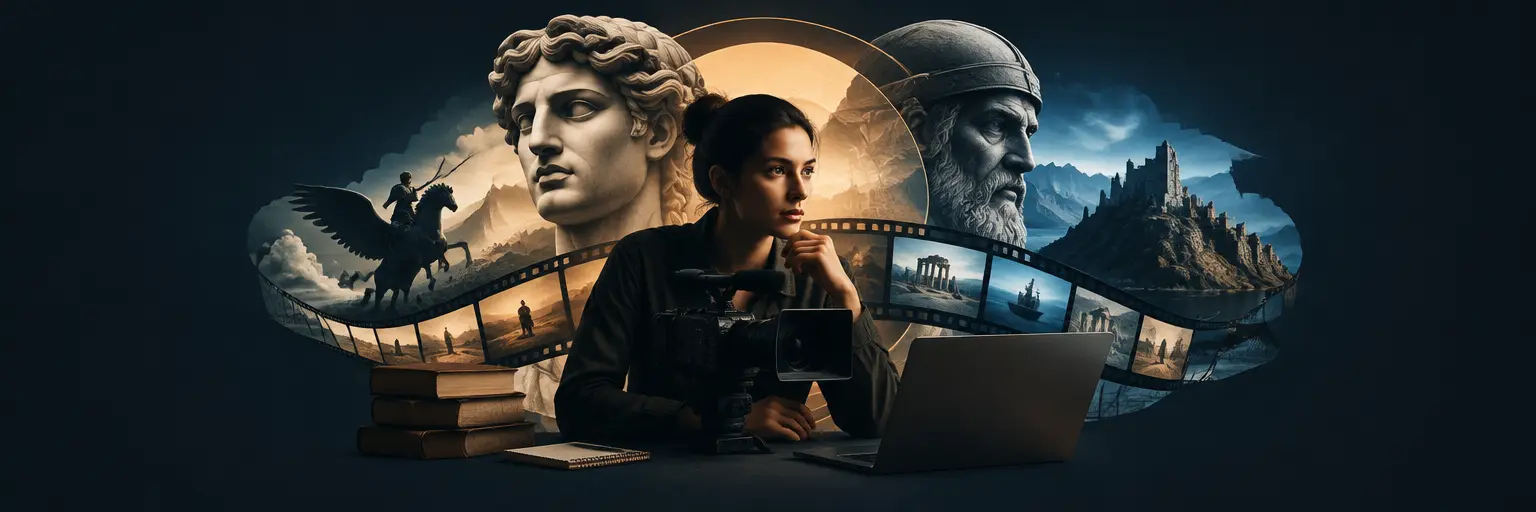
Documentary Storytelling reimagines ancient myths and legends through the lens of modern media, blending cinematic visuals with rigorous research to bring timeless tales to life. By weaving together archival footage, expert interviews, and immersive reenactments, this subcategory transforms folklore into compelling narratives that resonate with today’s audiences. Discover how digital documentaries and visual essays decode cultural symbolism, bridge historical gaps, and provoke fresh perspectives on age-old wisdom. Whether exploring Greek tragedies, Norse sagas, or indigenous oral traditions, these storytelling techniques emphasize emotional depth and factual accuracy, making mythology accessible while preserving its sacred essence. Ideal for educators, filmmakers, and mythology enthusiasts seeking innovative narrative approaches that honor tradition while embracing contemporary artistry.
✨ Discover how documentary myths reveal symbolic meanings that deepen our understanding of diverse cultures, unpacking powerful narratives and shedding light on…
Read article
🌍 Discover how indie myth documentary trends are revolutionizing storytelling by amplifying diverse voices and uncovering hidden legends, enriching our understanding of…
Read article
🌟 Discover the fascinating realm of folklore’s supernatural origins explained, as this article delves into world myths and legends, revealing how supernatural…
Read article
🌊 Dive into "Documenting the Sea," where ocean myths, film legends, and folklore intertwine, revealing how cultural narratives shape our understanding of…
Read articleWelcome to our exploration of Documentary Storytelling within the realm of Modern Interpretations and Visual Storytelling. Here, we dive into how filmmakers, documentarians, and digital creators transform age-old myths and legends into compelling visual narratives. This subcategory bridges traditional folklore with contemporary cinematic techniques, offering fresh perspectives that resonate with today’s audiences while preserving cultural authenticity. Discover how real-world locations, archival footage, and expert interviews breathe new life into tales of gods, heroes, and monsters.
Expect to uncover how modern documentarians use dramatic reenactments, aerial drone footage, and immersive soundscapes to recreate legendary events. From the volcanic landscapes of Iceland for Norse sagas to the sun-drenched ruins of Greece for Olympus’s stories, visual choices amplify emotional impact. You’ll learn about the balance between factual history and mythical interpretation, ensuring that each frame respects the source culture while captivating viewers. We analyze lighting, color grading, and camera movement that evoke ancient atmospheres, making you feel as though you walk alongside the deities themselves.
Furthermore, we explore how voice-over narration—often delivered by acclaimed actors or Indigenous storytellers—adds layers of gravitas and oral tradition authenticity. Modern documentaries integrate subtle CGI for mythical creatures without overshadowing human drama, preserving the “documentary” essence. This section also highlights case studies, such as the BBC’s Atlantis or National Geographic’s Gods of War, breaking down their stylistic choices. Whether you’re a filmmaker seeking inspiration or a mythology enthusiast, you’ll gain a director’s-eye view of translating ancient texts into visual poetry.
This facet focuses on how documentary storytellers ensure respectful portrayal of indigenous myths, avoiding cultural appropriation and sensationalism. Expect discussions on collaborating with local historians, shamans, or community elders during production—their insights guide costume, ritual, and language accuracy. We examine the ethical dilemmas of dramatizing sacred ceremonies, and how consent and context shape final edits. For example, Australian documentaries working with Aboriginal Dreamtime stories often blur faces or omit sacred segments to honor taboos, a practice you’ll find deeply informative.
Moreover, we highlight documentaries that challenge colonial-era misinterpretations, giving voice to marginalized legends previously erased from mainstream media. You’ll see how producers navigate the fine line between educational outreach and sensational entertainment, using disclaimers and contextual footnotes to separate myth from historical fact. This section also reviews audience reception, showing how ethical choices boost trust and engagement. Through detailed examples from Latin American, African, and Pacific Islander traditions, you’ll understand why authenticity isn’t just a buzzword—it’s a storytelling superpower.
Dive into the real-world settings that anchor mythological documentaries. We profile legendary sites—from the Cave of the Sibyl in Italy to Mount Fuji in Japan—explaining how filmmakers use geographic accuracy to ground fantastical tales. Expect behind-the-scenes insights into scouting, permits, and weather challenges faced during shoots. You’ll also discover how archaeological discoveries, such as the recent unearthing of a temple to Poseidon, directly shape documentary narratives, providing tangible evidence that bridges faith and fact. This section is a treasure trove for travelers wanting to visit these mythic locales.
Additionally, we discuss the use of recreated ancient environments through virtual reality (VR) and augmented reality (AR) in modern series, offering immersive experiences without leaving your couch. Compare how cinematic depictions of Troy differ from the actual terrain of Hisarlik, or how the labyrinth of Crete is reimagined through drone paths. We include interviews with location scouts who reveal hidden gems—like the Icelandic black sand beaches that double for Hel’s realm. Whether you’re planning a documentary or a pilgrimage, this content enriches your understanding of how place drives myth.
Learn how documentary storytellers amplify credibility by featuring mythologists, archaeologists, and cultural custodians as on-camera guides. We explore interview techniques that elicit captivating anecdotes, from open-ended questions to silent pauses that let legends breathe. Expect insights into translating oral traditions onto screen, where a single story may have regional variants—how do editors choose which version to spotlight? This section profiles renowned scholars like Karen Armstrong and local griots in West Africa, showing how their charisma and expertise anchor documentaries. You’ll also find behind-the-scenes notes on pre-interview research to avoid missteps.
Moreover, we highlight how community storytelling circles are filmed, preserving the interactive, call-and-response nature of original myths. These scenes create a visceral connection, reminding viewers that mythology is a living art form. We discuss the rise of podcasts turned visual documentaries, where audio archives gain visual depth through reenactments. Additionally, you’ll see how interviews with contemporary artists—writers, painters, musicians—who reinterpret myths offer a bridge from past to present. Whether you’re a researcher or a curious listener, this content celebrates human voices as the heart of legend.
Finally, we analyze how Netflix, Disney+, and niche platforms like MagellanTV are reshaping myth documentaries. Expect a breakdown of algorithmic trends, such as the recent spike in Norse mythology content following Vikings and Ragnarok series. We examine interactive documentaries—choose-your-own-adventure styles that let viewers alter myth endings—from platforms like Eko. You’ll learn about behind-the-scenes marketing, where short viral clips of gods and monsters drive binge-watchers. Social media integration, including live Q&A with creators, is also covered, showing how fan theories influence subsequent episodes.
Furthermore, we touch on educational licensing for schools and museums, demonstrating how these documentaries serve as teaching tools beyond entertainment. Engagement metrics, such as watch-time and rewatchability, reveal which mythological themes resonate strongest—often those with moral gray areas like Loki or Prometheus. We compare production budgets between big-budget epics and crowdfunded independent documentaries, proving that compelling storytelling transcends budget constraints. This section equips creators with platform-specific strategies, and viewers with curated watchlists. Ultimately, you’ll see how digital distribution amplifies ancient voices to global audiences.
Audiences crave epic stories with moral depth, and mythological documentaries offer a perfect blend of history, fantasy, and real-world stakes. They provide escapism while grounding viewers in cultural heritage, often featuring stunning visuals and universal themes like heroism, betrayal, and fate. Streaming platforms also invest heavily because these films attract diverse age groups and international viewers, maximizing global subscriptions.
Filmmakers collaborate with academic experts, local historians, and cultural practitioners from the myth’s origin region. They cross-reference multiple versions of the tale, incorporate archaeological findings, and sometimes include on-screen disclaimers for speculative elements. Ethical guidelines forbid altering core sacred elements, and editors often add a “further resources” section for viewers to verify facts independently.
Highly praised titles include The Rise and Fall of the Aztecs (PBS), Norse Mythology: The Real Story (BBC), and Greek Gods Unlocked (National Geographic). For less mainstream options, try Dreamtime Stories: Aboriginal Australia or Shinto: Spirits of Japan. Each combines expert commentary, cinematic reenactments, and on-location filming in unique ways.
Yes, if creators mishandle sacred knowledge or misrepresent rituals. However, ethical productions actively consult with tribal councils, blur or omit exclusive ceremonies, and share revenue with source communities. The best documentaries treat myths as living practices, not museum curiosities, and include cultural leaders in editing decisions to safeguard secrecy and dignity.
Begin by selecting a specific myth and region you deeply understand or can research extensively. Outline your unique angle—archaeological, cultural, or personal connection. Assemble a small team with diverse expertise, including a cultural liaison. Start with crowdfunding or grants from humanities councils. Focus on authentic interviews and breathtaking locations before considering complex visual effects. Then, pitch to platforms or film festivals.