Gods and Goddesses in Your Timeline: Social Media's Mythic Avatars
✨ Explore how social media gods and goddesses transform ancient mythic archetypes into modern digital avatars, shaping contemporary culture and identity through…
Read article
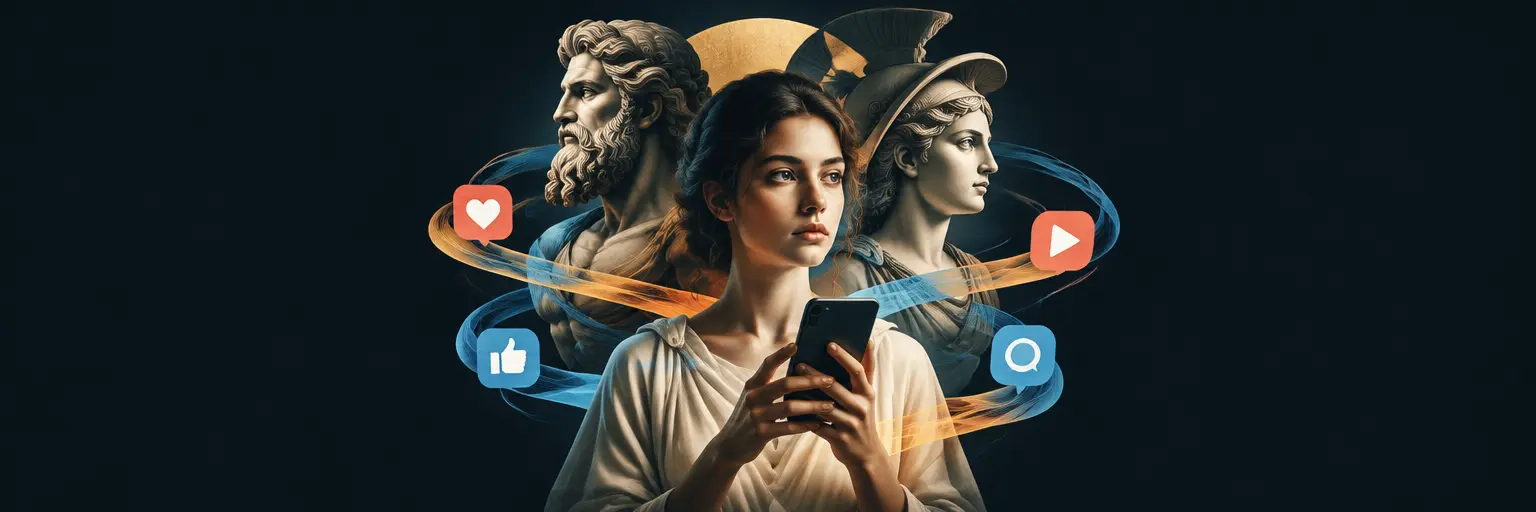
Social media has become the modern campfire, where ancient myths are retold, remixed, and sometimes reborn in viral posts, memes, and short-form videos. Here, gods and heroes clash with hashtags, and folklore adapts to the relentless pace of online trends—turning age-old legends into shareable narratives that shape identity, belief, and digital culture. From TikTok’s mythological explainers to Instagram’s visual reimaginings of epic quests, this space explores how platforms amplify, distort, or even create new myths, while debunking viral fabrications that blur fact and fiction. Whether you’re tracking the rise of digital folklore or dissecting how a single tweet can resurrect a forgotten deity, this is where storytelling meets the algorithm—proving that myth is not static, but a living, evolving force in our connected world.
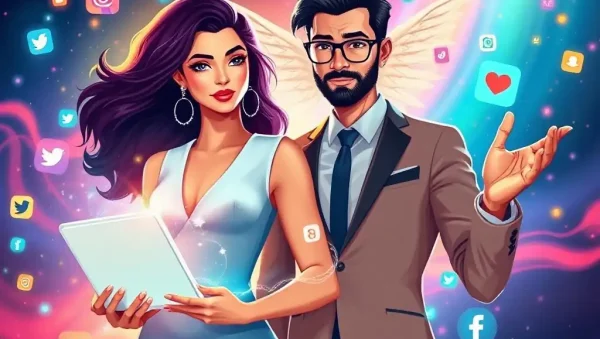
✨ Explore how social media gods and goddesses transform ancient mythic archetypes into modern digital avatars, shaping contemporary culture and identity through…
Read article
🌟 Discover how to navigate the overwhelming online noise and uncover authentic myths online resources that preserve cultural truths. This article guides…
Read article
🌟 Discover how modern urban legends spread rapidly in the digital age, shaping cultures worldwide. "Viral urban legends explained easily" reveals the…
Read articleIn the modern landscape, myths no longer live only in dusty tomes or oral traditions—they pulse through your feeds, memes, and viral narratives. This subcategory explores the fascinating intersection of timeless folklore with platforms like Instagram, TikTok, and X, revealing how gods, heroes, and monsters are reimagined, remixed, and repurposed for digital audiences. Here, you’ll discover the mechanics of myth-making in real-time, from hashtag-driven rituals to algorithmic archetypes, and see why ancient wisdom remains irresistibly shareable.
Social media acts as a global campfire, where the hero’s journey gets compressed into a 60-second reel or a thread of tweets. Expect to learn how figures like Loki or Anansi are reinterpreted as chaotic, relatable personas, while goddesses like Athena become influencers for productivity and strategy. This section unpacks the algorithmic amplification of certain traits—bravery, trickery, or tragedy—based on engagement metrics, proving that virality often mirrors ancient storytelling’s emotional hooks.
You’ll also see how niche communities (e.g., witchtok, mythtok) create subcultures that blend folk practices with digital aesthetics, from tarot card unboxings to deity worship through aesthetic moodboards. By understanding these patterns, you gain tools to spot modern folklore as it forms, and to appreciate how social media doesn’t destroy myths but instead accelerates their evolution into participatory, crowd-sourced narratives.
Here, we dissect the most pervasive modern myths—from lockdown rumors to celebrity conspiracy theories—using the frameworks of classical folklore. Learn how structural elements like repetition, moral lessons, and “witness” testimonies make certain claims spread like wildfire, often outpacing fact-checkers. This section provides a critical lens to differentiate between harmless urban legends and harmful misinformation, all while tracing their roots to ancient predecessor tales of monsters, curses, and divine punishment.
You’ll encounter case studies, such as the “Slenderman” phenomenon or Chupacabra sightings, and see how they mirror the functions of traditional myths: explaining the unexplained and enforcing social boundaries. By analyzing viral posts as contemporary folklore, you gain a practical toolkit for media literacy, enabling you to identify narrative patterns and emotional triggers—essential skills for anyone navigating today’s information ecosystem.
This segment celebrates the creative explosion of myths through remix practices. From TikTok dances choreographed to Persephone’s abduction to Instagram comic strips featuring Zeus as a problematic boss, fandom culture turns ancient gods into canvas for modern anxieties and humor. Expect insights into how cosplay and digital art foster embodied connections to mythological identities, transforming passive reading into active, communal performance.
We also explore the economics of myth-based content—merchandise, Patreon-supported lore podcasts, and NFT “god packs”—showing how ancient stories become intellectual property and influencer currency. By understanding these dynamics, content creators and enthusiasts can see opportunities for storytelling innovation while respecting cultural origins. This space is a testament to how myth remains alive, mutable, and deeply personal in the hands of millions of online storytellers.
Hashtags function as modern invocation spells, gathering scattered voices into unified narratives. This section demonstrates how #HadesTakes, #GoddessEnergy, or #MythicalMonday create shared vocabularies and virtual rites, fostering a sense of belonging among strangers. You’ll learn how these tags structure conversations, set expectations, and even facilitate collective mourning or celebration, echoing ancient festivals’ communal catharsis.
Additionally, we analyze the role of misinformation within these ritual spaces—from wellness influencers co-opting Norse runes to wellness gurus sanitizing dark myths. You’ll gain clarity on how to engage respectfully with living traditions while also appreciating their hyper-modern adaptation. By the end, you’ll view hashtags not merely as metadata but as threads weaving a global, ever-evolving tapestry of shared meaning and identity.
Psychologically, social media satiates a deep need for narrative coherence, heroism, and moral order. This section explores research on how mythic framing reduces anxiety by offering clear villains, quests, and resolutions—far more satisfying than chaotic real-world events. Expect insights into why “rage-bait” myths, like corporate villain narratives, attract millions, and how parasocial bonds with mythic influencers substitute for community ties in an increasingly isolated world.
We also address the dangers—echo chambers reinforcing polarized worldviews, and the exploitation of archetypes to manipulate political movements. Yet, the flip side reveals pro-social benefits: increased cultural empathy, creative problem-solving, and a sense of wonder. This balanced perspective empowers you to consume mythic content mindfully, harnessing its motivational power while guarding against narrative traps.
Ancient myths address universal human experiences—love, betrayal, power, and death—which remain relevant today. Social media amplifies their emotional resonance through short-form visuals, memes, and relatable archetypes. Platforms naturally favor high-arousal content, and myths pack an emotional punch, making them perfect for viral sharing and community building.
Check for narratives that rely on vague sources, fear-based language, or oversimplified heroes/villains. Compare with multiple credible outlets and track the origin of the claim. Authentic folklore often evolves slowly, while misinformation spreads rapidly and loses context. Use critical thinking and fact-checking tools before sharing.
Yes, especially for living cultures like Indigenous or Hindu traditions. Respect cultural context by researching the original meanings and asking communities for guidance. Avoid trivializing deities or rituals for shock value. Many creators do this respectfully, but some cross lines—so always acknowledge sources and avoid commercial exploitation.
What role do algorithms play in shaping mythological narratives?
Algorithms prioritize engagement over accuracy, so myths that elicit strong reactions—anger, awe, joy—get promoted. This can distort original stories, emphasizing dramatic elements and filtering out nuance. Creators adapt their content to survive, leading to a feedback loop where certain mythic traits become stereotyped.
Can social media actually preserve dying myths and folklore?
Absolutely. Digital archives, oral storytelling channels, and community-led pages document endangered tales. Young people discover and retell these stories in creative formats, ensuring survival. However, digital storage is fragile—so active sharing, teaching, and evolving the stories is essential for true preservation.