
Shapeshifters and Werewolves: Lycanthropy and Transformation Myths in Horror

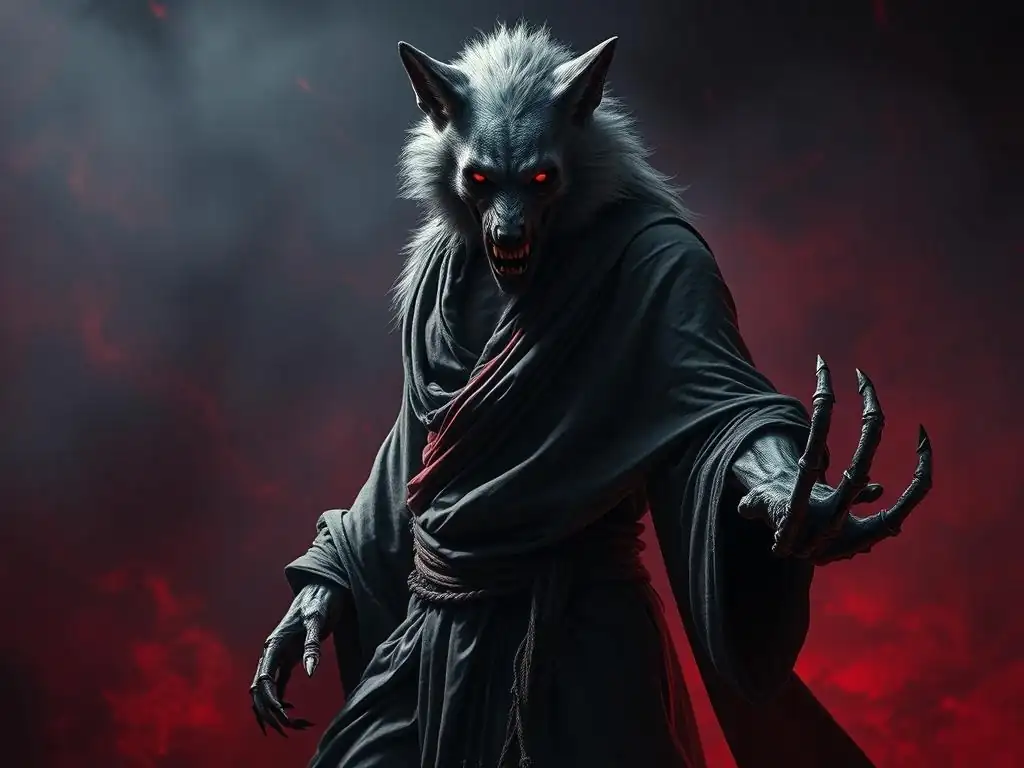
Welcome to Mythology and Legends, where ancient whispers echo through modern tales. Delve into the chilling heart of folklore as we unravel the terrifying transformations of Lycanthropy transformation myths horror. What secrets lie hidden within the beast? Prepare to be captivated as we explore the enduring legacy of shapeshifters and werewolves, and how their savage stories continue to haunt our screens and nightmares. Discover the origins and terrifying interpretations of shapeshifting now!
Werewolves in Asian Mythology: Japanese Kitsune and Korean Kumiho
While the term "lycanthropy" specifically pertains to human-to-wolf transformation, Asian mythology features a rich tapestry of shapeshifting creatures that embody similar themes of identity, deception, and transformation myths. Japanese Kitsune, or fox spirits, are perhaps the most widely recognized examples. These beings are often depicted as intelligent, long-lived entities whose power, including their shapeshifting ability, increases with age and the number of tails they possess (up to nine).
Kitsune transformation myths describe them taking human form, often female, to interact with or trick humans. Folklore abounds with tales ranging from benevolent Kitsune who serve as messengers for the god Inari or act as loyal companions, to malevolent tricksters who cause mischief, possess individuals, or even drain their life force.
The horror element in Kitsune stories often lies in the deception, the blurring of lines between human and spirit, and the potential for a seemingly harmless human form to conceal a powerful, unpredictable, and sometimes dangerous supernatural being. These transformation myths highlight the ancient fear of the unknown and the hidden nature behind appearances, a core concept in many horror narratives, even those dealing with lycanthropy transformation myths horror.
Korean mythology presents the Kumiho, another prominent nine-tailed fox creature, which shares similarities with the Kitsune but often carries a darker, more explicitly predatory connotation. Kumiho are typically depicted as ancient foxes that have lived for a thousand years, gaining the ability to transform, most frequently into a beautiful woman. Unlike the varied nature of Kitsune, Kumiho legends often focus on their desire to become fully human, a goal they pursue by consuming human livers or hearts.
This grim pursuit places the Kumiho squarely within the realm of horror, embodying themes of monstrous appetite, deception, and the violation of the human body. The transformation myth here is intertwined with a terrifying need for sustenance derived from victims.
While not lycanthropy, these transformation myths showcase the inherent horror in losing one's original form or preying upon others through a deceptive new one. Tales of Kumiho attempting to marry humans or infiltrate families to consume their organs provide chilling examples of how shapeshifting can be used as a tool for profound evil, reflecting a universal fascination and fear surrounding the concept of radical, often horrifying, change.
- What is Lycanthropy, and how is it portrayed in mythology?
- How do transformation myths contribute to the horror genre?
- What are some common themes associated with Lycanthropy transformation myths?
- How have werewolf myths evolved from folklore to modern horror films?
- What cultural variations exist in Lycanthropy transformation myths across different regions?
Frequently Asked Questions
What is Lycanthropy, and how is it portrayed in mythology?
Lycanthropy is the transformation of a human into a wolf, or a wolf-like creature. Mythologically, it's often portrayed as a curse or affliction, sometimes linked to the lunar cycle.
How do transformation myths contribute to the horror genre?
Transformation myths, especially those involving lycanthropy, provide fertile ground for horror by exploring themes of loss of control, the duality of human nature, and the fear of the 'other'.
What are some common themes associated with Lycanthropy transformation myths?
Common themes include loss of humanity, the struggle between human and animal instincts, and the societal fear and ostracization of those perceived as different.
How have werewolf myths evolved from folklore to modern horror films?
Werewolf myths started as folklore explaining strange events, evolving into modern horror by incorporating elements of body horror, psychological torment, and social commentary on inner darkness.
What cultural variations exist in Lycanthropy transformation myths across different regions?
While the core concept remains, cultural variations include different triggering factors (e.g., curses, bites, lunar cycles), varying forms of the transformed creature, and specific rituals or remedies associated with the transformation.
Final Reflection: The Enduring Power of the Shifting Beast
The enduring fascination with lycanthropy isn't just a niche horror trope; it's a potent reflection of our deepest anxieties about identity, control, and the primal forces within us. The monstrous transformation, the loss of self, the terrifying power – these are timeless themes that continue to resonate in a world grappling with rapid societal change and the ever-present fear of the unknown. We see echoes of the werewolf in anxieties surrounding pandemics, political extremism, and the blurring lines between the human and the digital.
The exploration of lycanthropy throughout history reveals a fascinating interplay between societal fears and the human desire to understand the boundaries of self. The werewolf myth, in its various iterations, acts as a powerful metaphor for the anxieties of a given era. The werewolf is not merely a monster; it is the embodiment of our own repressed desires and fears, a reflection of the darkness that lurks within us all.
This quote encapsulates the enduring power of the myth, highlighting its ability to adapt and reflect the changing anxieties of each generation. It's a mirror held up to society, showing us what we fear most about ourselves and the world around us.
Consider the ways in which the themes explored in this article – the loss of control, the struggle for identity, the primal urges – manifest in your own life. What are your own "transformations," both literal and metaphorical? How do you grapple with the duality of human nature, the light and the shadow within? Let the enduring power of the shapeshifter's myth inspire you to confront your own inner beast, to understand and embrace the complexities of your own identity, and to find strength in the face of the unknown.
Unleash Your Inner Mythmaker: Explore Lycanthropic Lore!
Thanks for delving into the fascinating world of lycanthropy with us! You've now uncovered some truly captivating myths and legends surrounding shape-shifting. Ready to take your exploration further?
- Craft your own werewolf tale: Let your imagination run wild and write a short story, poem, or even a song inspired by the transformations we discussed. Think outside the box – what makes your werewolf unique?
- Share your favorite lycanthrope: Which fictional werewolf (book, movie, game) resonates most with you and why? Let's build a community of myth lovers in the comments below!
- Dive deeper into shape-shifting mythology: Research other cultures' interpretations of transformation – you might discover surprising parallels and unexpected twists!
What unique twist would you add to the classic werewolf myth to make it truly your own?