Initiations of the Healer: Trials and Transformations
🌍 Discover how ancient rituals of healing and transformation across worldwide cultures shape legendary narratives, revealing profound initiations that foster personal growth…
Read article
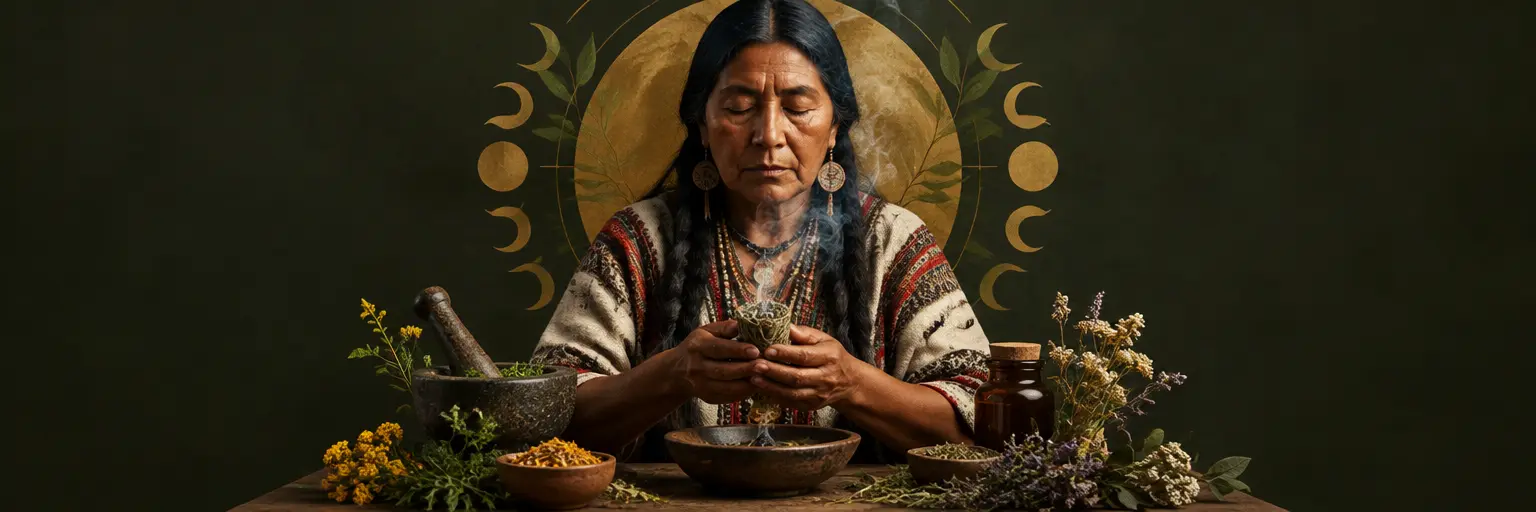
Explore the hidden wisdom of folk medicine and ritual practices, where ancient remedies, symbolic ceremonies, and spiritual healing traditions converge to shape cultural identities and modern wellness trends. From herbal concoctions passed down through generations to sacred rites that honor ancestral spirits, this rich domain reveals how indigenous knowledge systems fuse with everyday life, offering holistic approaches to health, community bonding, and cosmic balance. Discover the enduring power of these practices—still alive in remote villages and urban adaptations alike—and see how they influence contemporary alternative medicine, ecological stewardship, and storytelling. Whether you’re a curious seeker, a cultural historian, or a wellness enthusiast, these traditions unlock a treasure trove of resilience, symbolism, and human connection that transcends time and borders.

🌍 Discover how ancient rituals of healing and transformation across worldwide cultures shape legendary narratives, revealing profound initiations that foster personal growth…
Read article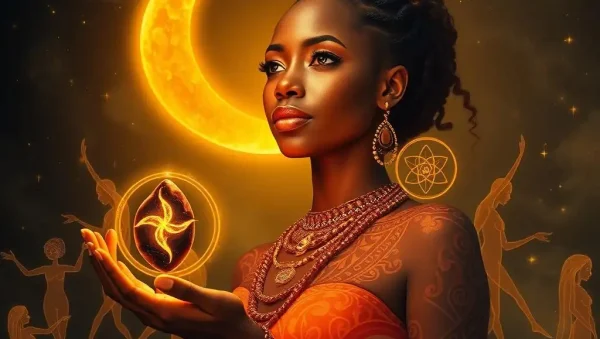
🌍 Discover the profound power of African healing rituals health practices, where calling spirits through traditional ceremonies aims to restore balance and…
Read article
🔮 Discover how ancient folklore illness diagnosis offers unique insights into uncovering the true causes of ailments, blending mystical practices with cultural…
Read articleWelcome to the Folk Medicine and Ritual Practices subcategory, a profound journey into the healing traditions, symbolic ceremonies, and ancestral wisdom embedded in indigenous cultures worldwide. Here, we unravel how communities have intertwined spirituality, botany, and ritual to treat ailments, restore balance, and honor cycles of life. This page is your gateway to understanding these practices—not as relics, but as living systems that continue to influence modern wellness, ethnobotany, and cultural identity. Whether you are a researcher, a folklore enthusiast, or a curious mind, you will find rich narratives, historical contexts, and practical insights designed to deepen your appreciation for humanity’s diverse healing heritage.
Dive into the verdant world where plants are not merely resources but living allies with spirits and stories. This section explores how indigenous healers—often called shamans, curanderos, or medicine men—utilize local flora for physical and spiritual healing. Expect detailed profiles of sacred plants like ayahuasca, peyote, sage, and yarrow, alongside their mythological origins and preparation rituals. You will learn how traditional ecological knowledge, passed down orally, encodes complex pharmacological wisdom, from anti-inflammatory properties to psychotropic effects for vision quests.
Beyond the plants themselves, we examine the ritual contexts that elevate botanical use into sacred acts. Harvesting often involves prayers, offerings, or lunar timing, reflecting a worldview where nature and humanity are inseparable. This subcategory also addresses contemporary debates, such as cultural appropriation and the sustainability of harvesting wild plants, ensuring you gain a balanced perspective on how ancient practices adapt to modern ethics and ecological challenges.
Here, we focus on ritualistic performances designed to purge negative energies, diseases, or spiritual afflictions. From the limpias of Mesoamerica using eggs and herbs to the sweat lodge ceremonies of North American tribes, these practices blend physical action with symbolic meaning. You will discover step-by-step accounts of ceremonies, including the roles of drumming, chanting, and incense, and how they induce altered states of consciousness believed to facilitate healing. The content highlights the psychological and communal benefits, such as stress reduction and social cohesion, that these rituals provide beyond any supernatural claims.
We also explore the concept of ritual space—how designated areas like medicine wheels, altars, or sacred groves are prepared and sanctified. Understanding the spatial and temporal boundaries helps readers appreciate why timing, direction, and purity are critical. This section includes comparative examples, such as African divination dances and Australian Aboriginal healing songs, showing a universal human need to transform suffering into meaning through structured, collective action.
Uncover the enigmatic realm of shamanism, where practitioners serve as intermediaries between the human and spirit worlds. This subcategory explains the techniques used to enter trance states—rhythmic percussion, fasting, sensory deprivation, or entheogens—and how these states are interpreted for diagnosis and healing. You will meet historical and contemporary shamans from Siberia, the Amazon, and South Africa, learning their initiatory journeys and the symbolic languages they use to communicate with ancestors, animal spirits, or deities. The emphasis is on the cultural logic behind these practices, demystifying them while respecting their profound emotional and psychological power.
Additionally, we address the ethical and epistemological questions surrounding shamanic knowledge. How do we validate healing outcomes without dismissing alternative worldviews? This section discusses participatory observation studies, the role of belief in placebo effects, and the dangers of neo-shamanic commercialization. By presenting both emic (insider) and etic (outsider) perspectives, we offer a nuanced view that helps you critically engage with sources, whether you’re reading an anthropological paper or a travel memoir.
This section illuminates how folk medicine extends beyond the body to include rites marking birth, puberty, marriage, and death. These rituals often incorporate protective charms, dietary taboos, and herbal baths to ensure well-being during transitions. For instance, you will learn about the rosary of African diaspora traditions that honors ancestors, or the post-partum confinement practices in East Asia using ginger and warming foods. Each practice is analyzed for its symbolic meaning—such as rebirth, community integration, or appeasement of spirits—revealing a holistic model of health that includes social harmony and cosmic balance.
Moreover, we explore how grief and mourning are ritualized to prevent “pathological” spirits from causing illness. From the Day of the Dead altars in Mexico to Indonesian Torajan funerals, these customs offer psychosocial support and a framework for ongoing relationships with the deceased. By documenting these practices, we underline the preventive aspect of folk medicine, emphasizing that maintaining proper relationships with ancestors is as vital as addressing physical symptoms. This perspective challenges Western biomedicine’s focus on individual pathology, inviting a broader conversation about community-based health.
Travel with us through region-specific case studies that bring theory to life. We spotlight the curanderismo of Latin America, blending Catholic saints with pre-Hispanic deities; the Hoodoo of the American South, using roots and mojo bags; and the Kampo of Japan, integrating Chinese medicine with local folklore. Each case study includes historical origins, key figures, typical remedies, and current practice status, supported by primary texts and ethnographic accounts. This comparative approach allows you to identify common threads—like the use of water, fire, and earth—while appreciating unique cultural expressions.
We also include global diasporic adaptations, showing how migration transforms these traditions. For example, how Caribbean Obeah evolved in Brooklyn or how Korean shamanism is practiced in Los Angeles. These narratives highlight resilience and innovation, proving that folk medicine is not static but dynamically responds to new environments, legal constraints, and second-generation practitioners. This section serves as an inspirational archive for anyone interested in cultural preservation and hybrid identity formation.
Finally, we tackle the contemporary applications of folk medicine, from bioprospecting in pharmaceuticals to integrative health clinics offering herbal consultations. You will read about successful collaborations between indigenous healers and scientists, such as the development of antimalarial artemisinin from Chinese wormwood. However, we also critically examine bio-piracy, intellectual property rights, and the commodification of sacred knowledge. This section provides tools for ethical engagement, including protocols like the Nagoya Protocol, and encourages respect for cultural sovereignty. Practical advice is given for those seeking authentic experiences, emphasizing sustainable tourism and reciprocal learning.
Additionally, we reflect on the psychological and spiritual void in modern life that draws people to these traditions. The rise of “plant medicine retreats” and “shamanic coaching” indicates a search for meaning beyond materialism. By framing folk medicine as a complement not alternative to scientific care, we empower you to approach these practices with discernment—honoring their wisdom while avoiding exploitation. This balanced stance positions our site as a trusted resource for both academic rigor and humanistic empathy.
Folk medicine is rooted in cultural traditions, oral knowledge, and holistic worldviews, often incorporating spiritual or ritual elements. Modern medicine relies on scientific evidence, standardized dosages, and biological mechanisms. However, both aim to alleviate suffering, and many pharmaceutical drugs derive from plants used in folk remedies. The key difference lies in validation methods—folk practices prioritize personal experience and community consensus, while modern medicine demands controlled trials and reproducibility.
Yes, some rituals can be harmful if they replace effective treatment, involve toxic substances, or exploit vulnerable individuals. Examples include unsafe ingestion of plants or dangerous physical ordeals. However, most traditional healers act responsibly, and rituals often provide psychological comfort. It's crucial to evaluate each practice critically, consult medical professionals for serious conditions, and ensure that participation is informed and voluntary, respecting both cultural authenticity and personal safety.
Cultural appropriation is a significant concern. Some traditions require initiation, lineage, or community consent. Outsiders should approach with humility, seek permission, and support indigenous-led initiatives. Learning academically is possible, but practicing sacred ceremonies without authorization can be disrespectful. Instead, consider studying with accredited teachers who openly welcome students, or focus on understanding the cultural context before engaging in any active ritual participation.
Scientists are increasingly investigating folk remedies as a source of bioactive compounds. Clinical studies have confirmed some uses, such as willow bark for pain (aspirin) or ginger for nausea. However, many remedies lack rigorous testing, and dosages vary. Researchers often collaborate with indigenous communities to document ethnobotanical knowledge ethically, recognizing that traditional knowledge can guide drug discovery. Nevertheless, efficacy claims must be validated by peer-reviewed research, not just anecdotal evidence.
Support by purchasing products from fair trade cooperatives, donating to cultural preservation organizations, and advocating for legal protections of traditional knowledge. Attend ceremonies only when invited and compensate healers fairly. Share information with proper attribution, credit sources in academic work, and avoid homogenizing diverse practices. Additionally, educate others about the value of folk medicine, helping to reduce stigma while promoting respectful cultural exchange and biodiversity conservation.