
Initiations of the Healer: Trials and Transformations


Welcome to Mythology and Legends, where ancient narratives come alive!
Ever wondered how rituals can unlock profound healing and transformation across cultures? Delve into the captivating world of "Initiations of the Healer," and explore the trials and tribulations that shape healers in indigenous and folk traditions. Discover the secrets behind these powerful practices and how they continue to resonate today. Prepare to embark on a journey of discovery... the transformation begins now!
- Case Studies: Examples of Initiations Worldwide
-
Frequently Asked Questions
- What is the typical role of initiation in the context of healing rituals across different cultures?
- How do worldwide cultures view the trials endured during the initiation process for healers?
- Can you explain the concept of transformation as it relates to the healing rituals described in the Mythology and Legends article?
- How do healing rituals and initiations reflect the broader myths and legends of a particular culture?
- What is the significance of studying initiation rituals related to healers in understanding contemporary society?
- Final Reflection: Echoes of Healing Across Cultures
- Unleash Your Inner Healer: Begin Your Transformation Today!
Case Studies: Examples of Initiations Worldwide
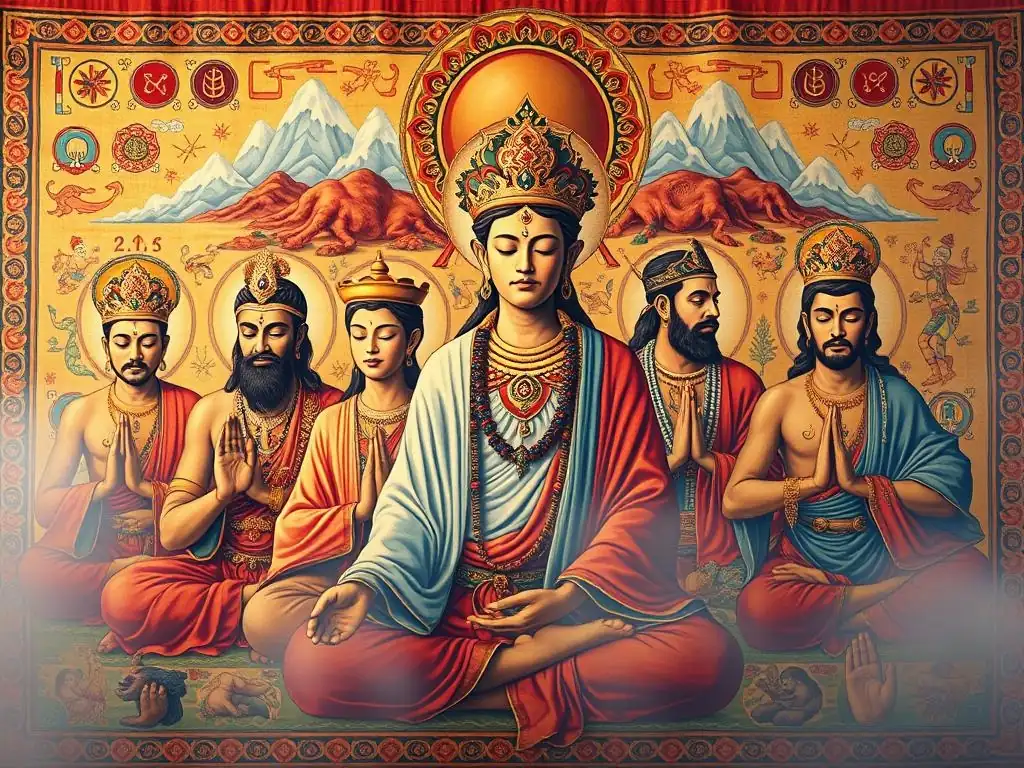
Traditional healing practices around the globe feature diverse and often rigorous initiation processes, each steeped in the unique cultural and spiritual landscape from which it originates. These rituals are not merely academic training; they are profound rites of passage designed to break down the individual's former identity and rebuild them as a vessel capable of mediating between the physical and spiritual realms for the purpose of healing. Exploring these examples offers insight into the universal themes of calling, trial, and transformation inherent in becoming a traditional healer, highlighting the deep-rooted rituals healing transformation worldwide cultures have developed over centuries.
These case studies demonstrate the varied paths taken by individuals chosen for the healing arts, from intense solitary spiritual quests involving psychoactive plants to communal training under experienced mentors, and dramatic public ceremonies affirming their new status. Each process involves specific trials—physical, mental, and spiritual—that test the initiate's resilience, commitment, and connection to the unseen forces believed to be essential for effective healing.
These examples underscore the vital role of traditional healers in their communities, not only as practitioners of folk medicine but also as guardians of cultural knowledge and spiritual well-being, embodying the living legacy of rituals healing transformation worldwide cultures rely upon.
Amazonian Shamanic Initiation: The Ayahuasca Journey
In many indigenous cultures of the Amazon basin, such as the Shipibo-Conibo and Asháninka peoples, the path to becoming a shaman or curandero often involves a deep and sustained engagement with the psychoactive brew known as Ayahuasca. This potent concoction, typically made from the Banisteriopsis caapi vine and leaves of the Psychotria viridis plant, is considered a master teacher and a gateway to the spirit world. The initiation is not a single event but a prolonged process, often spanning several years, under the guidance of an experienced elder shaman.
A core component is the dieta, a strict regimen of fasting from certain foods, sexual activity, and social interaction, often undertaken in isolation while consuming specific medicinal plants. This period purifies the body and mind, heightening sensitivity to the subtle energies and spirits of the forest, which are seen as sources of healing knowledge.
The Ayahuasca ceremony itself is central to this initiation, serving as a powerful ritual of healing transformation. Initiates participate in numerous ceremonies, where the visions and insights gained are interpreted by the guiding shaman. These experiences are often challenging, involving intense physical purging and confronting deep-seated fears or traumas, which is understood as necessary shadow work for the aspiring healer.
Through repeated journeys, the initiate learns to navigate the spiritual realms, diagnose illnesses (often perceived as spiritual imbalances or intrusions), and acquire icaros—sacred healing songs that are vital tools for conducting ceremonies and facilitating healing. The mastery of these songs, learned directly from plant spirits or senior shamans during altered states, is a critical milestone in the transformation from novice to recognized healer.
Southern African Sangoma Initiation: Thwasa Training
In Southern Africa, across cultures like the Zulu, Xhosa, and Swazi, the calling to become a Sangoma, a traditional healer and diviner, is known as ubungoma. This calling often manifests initially through a period of spiritual illness, shinbyeong, characterized by physical ailments, vivid dreams, and psychological distress that modern medicine may fail to alleviate. These symptoms are interpreted as the ancestors ( amadlozi) choosing the individual to serve as a mediator between the living and the spirit world.
The formal initiation process, called thwasa, is a rigorous and lengthy apprenticeship under a senior Sangoma, known as a gobela. This training is a profound ritual of healing transformation, stripping away the initiate's former identity and instilling the knowledge and discipline required for their new role.
The thwasa training involves various trials and learning experiences. Initiates learn about herbal medicines, how to diagnose ailments through divination (often using bone throwing or interpreting signs and dreams), and how to communicate with ancestral spirits. They undergo various cleansing rituals, often involving cold water or specific plant infusions, to purify their bodies and spirits.
A significant part of the training involves learning drumming, singing, and dancing, which are essential for inducing trance states necessary for divination and healing ceremonies. The process is physically demanding and emotionally challenging, requiring humility and obedience to the gobela. The completion of thwasa is marked by a graduation ceremony, a public ritual affirming the initiate's transformation and their acceptance by the ancestors and community as a fully fledged Sangoma, ready to perform rituals healing transformation worldwide cultures within their sphere rely upon.
Korean Shamanic Initiation: Becoming a Mudang
In Korean folk religion, the path to becoming a Mudang (female shaman) or Baksu (male shaman) is often initiated by a spiritual calling known as shinbyeong, or "spirit sickness." This condition is characterized by severe physical and psychological symptoms, including loss of appetite, insomnia, anxiety, and sometimes hallucinations, which are believed to be caused by a restless spirit or deity seeking to possess the individual and make them a shaman. Western medicine is typically unable to cure shinbyeong, and the only path to recovery is to accept the calling and undergo initiation.
The culmination of this acceptance is the Naerim-gut, a complex and dramatic initiation ritual presided over by an experienced senior shaman, known as a mansin. This ceremony is a pivotal ritual of healing transformation, marking the novice's death to their old life and rebirth as a spiritual medium.
The Naerim-gut is an elaborate multi-day event involving specific costumes, music played on traditional instruments, and intricate dance movements. During the ritual, the novice shaman enters a trance state, allowing the possessing spirit or deity to manifest through them. This moment is the official "descent" ( naerim) of the spirit, confirming the individual's legitimacy as a shaman.
The process is physically and emotionally intense, often involving public displays of spiritual power or endurance as proof of the spirit's presence. Through this ordeal, the initiate demonstrates their ability to channel the spirit world, a fundamental skill for their future role in conducting gut (shamanic rituals) for healing, divination, and appeasing spirits. The successful completion of the Naerim-gut signifies the initiate's profound transformation and their formal entry into the ranks of shamans capable of facilitating rituals healing transformation worldwide cultures, particularly in Korea, have long depended upon.
Frequently Asked Questions
What is the typical role of initiation in the context of healing rituals across different cultures?
Initiation often marks a rite of passage, signifying a transformation from a layperson to someone with specialized healing knowledge and power. It usually involves trials and symbolic death/rebirth.
How do worldwide cultures view the trials endured during the initiation process for healers?
The trials are seen as essential for purification and testing, ensuring the initiate is worthy and capable of wielding the healing power effectively. They often involve physical and mental challenges.
Can you explain the concept of transformation as it relates to the healing rituals described in the Mythology and Legends article?
Transformation refers to the profound shift in the initiate's identity and abilities. They emerge from the initiation with a renewed sense of purpose and the spiritual capacity to heal.
How do healing rituals and initiations reflect the broader myths and legends of a particular culture?
These rituals often re-enact core myths, reinforcing cultural beliefs about healing, the spiritual world, and the origin of medicinal practices. They serve as a living connection to the past.
Understanding these rituals provides insights into cultural values, beliefs about health and well-being, and the enduring power of narrative in shaping our understanding of the world.
Final Reflection: Echoes of Healing Across Cultures
The enduring power of ritual in healing transcends geographical boundaries and historical periods. Initiation rites, whether ancient or modern, represent a profound human need to navigate life's transitions and traumas through symbolic action and communal support. These rituals, far from being relics of the past, offer a potent framework for understanding and addressing the pervasive challenges of mental and emotional well-being in our increasingly complex world.
The exploration of healing rituals across diverse cultures has profoundly impacted my understanding of the human experience. It revealed the universality of suffering and the inherent human capacity for resilience and transformation. The shared threads of symbolic death and rebirth, purification, and community bonding underscore the deep-seated need for meaning-making in the face of adversity. The wound is the place where the Light enters you.
– Rumi. This quote perfectly encapsulates the transformative potential inherent in confronting our vulnerabilities and embracing the journey of healing.
Consider the rituals in your own life – the small acts of self-care, the moments of connection with loved ones, the practices that bring you solace and strength. These, too, are forms of initiation, subtle yet powerful pathways towards wholeness. I invite you to reflect on the rituals that shape your life, to identify those that nurture your well-being, and to consciously cultivate practices that support your personal journey of healing and transformation. Let the echoes of these ancient and modern rituals resonate within you, guiding you towards a more meaningful and fulfilling life.
Unleash Your Inner Healer: Begin Your Transformation Today!
Thanks for joining us on this journey into the trials and transformations of healers in mythology! We hope you gained valuable insights into the power of resilience and the profound impact of embracing challenges. Now it's your turn to take action.
- Embark on your own healing journey: Reflect on a personal challenge you’ve overcome and how it shaped you. Write it down, sharing your experience with us in the comments below! This is your chance to contribute to our community of learners.
- Explore symbolic representations of healing in your own life: Look for recurring symbols, dreams, or experiences that resonate with the themes discussed and consider what they might signify for your personal growth.
- Share this article with someone who needs a little inspiration and encouragement on their own path. Let's spread the message of resilience and transformation together!
What personal challenge are you ready to transform into a source of strength? Let’s discuss!