The Rites of the New Year: Purifying and Renewing the Community
🌟 Discover how diverse cultures celebrate New Year purification rituals to cleanse and renew their communities, symbolizing fresh beginnings. These ancient rites…
Read article
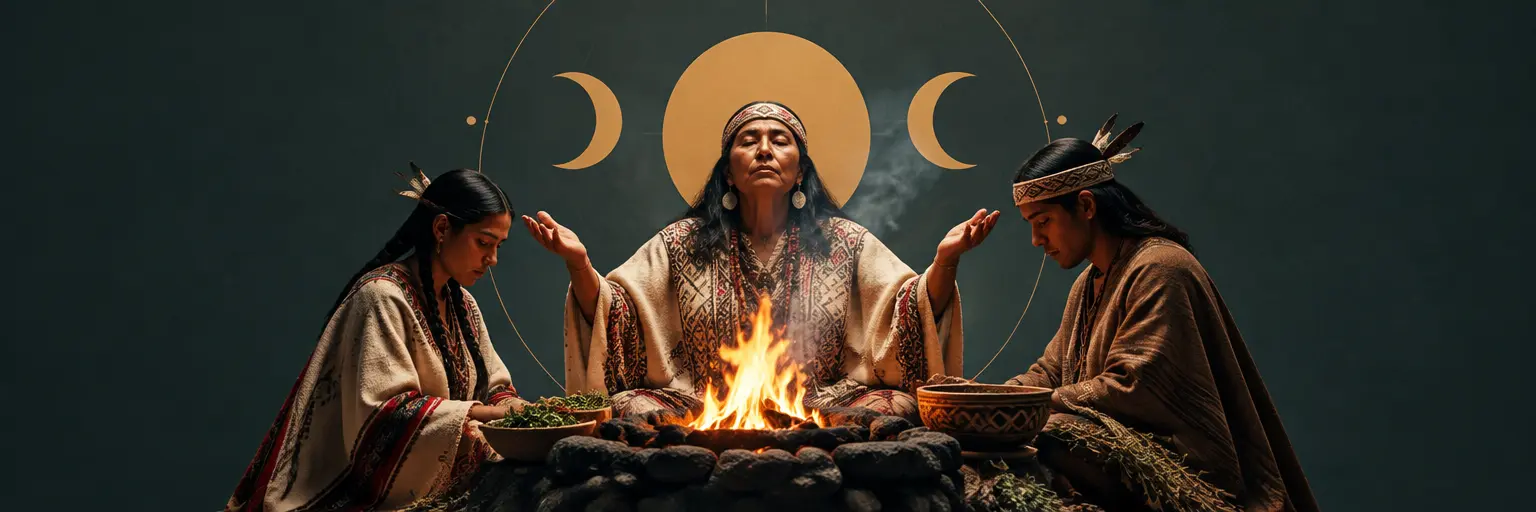
Step into the sacred heartbeat of cultural heritage with Rituals and Ceremonies—where ancient Indigenous and folk traditions come alive through vibrant practices, symbolic acts, and timeless storytelling. 🌿🔥 Here, we journey beyond mere myth to explore the living, breathing ceremonies that connect communities to their ancestors, the natural world, and the divine. From rain-invoking dances and harvest festivals to healing rites and rites of passage, each ritual is a doorway into a culture’s deepest beliefs and values. Discover how these sacred traditions are not relics of the past but dynamic forces shaping identity, resilience, and contemporary spirituality today. Whether you’re a folklore enthusiast, a cultural researcher, or a curious seeker, this space illuminates the profound power of ceremony—transforming myth into shared experience and collective memory. 🕯️✨ Uncover the symbols, chants, and offerings that bridge worlds, and see how these ancient practices continue to inspire modern celebrations and personal meaning. Your exploration of humanity’s ritual soul starts here.
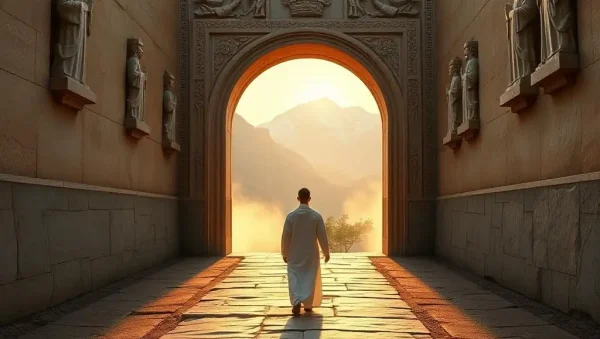
🌟 Discover how diverse cultures celebrate New Year purification rituals to cleanse and renew their communities, symbolizing fresh beginnings. These ancient rites…
Read article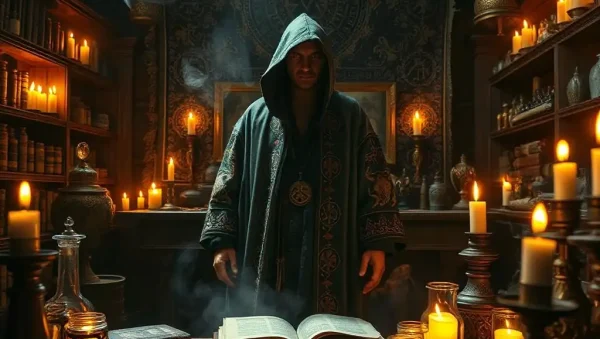
✨ Discover the intriguing hoodoo rituals history practices that blend ancient traditions with modern spirituality, revealing how these mystical rituals shape cultural…
Read article
🛡️ Dive into the fascinating world of protection rituals folklore beliefs, where ancient customs and practices serve to ward off evil spirits.…
Read article
🧙♂️ Dive into the intriguing world of dangerous ritual spirit mediums and serpent handlers, exploring how these perilous practices, rooted in diverse…
Read articleRituals and ceremonies are the living arteries of Indigenous and folk traditions, transforming myth into tangible experience. On Mythology and Legends, this subcategory delves into the sacred performances, seasonal observances, and lifecycle rites that have preserved cultural wisdom for generations. From the drum-led dances of the Plains Nations to the intricate fire-walking vows of South Asia, you will uncover how these practices forge identity, heal communities, and connect the human realm with the spirit world. Our curated content focuses on symbolic meaning, historical continuity, and modern adaptations, offering both casual readers and dedicated researchers a rich, SEO-optimized tapestry of knowledge.
Here, you will explore how farming communities have historically anchored their survival to the rhythms of solstices, harvest moons, and monsoon rains. Expect detailed case studies of festivals like the Inca Inti Raymi and the Celtic Beltane, with attention to the symbolism of fertility, renewal, and gratitude. We decode the choreography of these rites — who participates, what objects are central, and which prayers or chants are recited — to reveal a robust system of ecological wisdom and social cohesion.
Modern environmental movements often borrow from these traditions, and our articles highlight such adaptations. You will see how seed blessing ceremonies and rainmaking rituals are being revived in drought-prone regions, blending ancestral knowledge with contemporary urgent needs. Each piece aims to demonstrate that agricultural rites are not obsolete superstitions but dynamic frameworks for sustainable living, ripe for reinterpretation and respect.
This section illuminates the most intimate and universal ceremonies marking human existence. From the Apache Sunrise Ceremony for adolescent girls to the elaborate Yam festival funerals of West Africa, you will learn how these rites structure individual identity within a communal web. We emphasize the threshold crossings—the symbols of death and rebirth, the trials of endurance, and the gifting of ancestral names—providing emotional and psychological insights into why such rituals remain indispensable.
Beyond description, our content addresses evolving gender roles and diaspora adaptations. For instance, you can read how modern Māori tangi accommodate urban settings while preserving core protocols. Expect thoughtful analysis of the tension between authenticity and innovation, ensuring you grasp how these ceremonies serve as living, negotiable contracts between generations, not rigid museum pieces.
Dive into the transformative world of shamanic rituals, from Amazonian ayahuasca circles to Siberian drumming journeys. We explain the cosmological frameworks behind healing—such as soul retrieval and spirit extraction—while noting the ethical and cultural sensitivities surrounding entheogens. You will find balanced discussions of neuroanthropology, detailing how rhythm, breath, and plant compounds alter consciousness to produce therapeutic effects, and how local healers act as guardians of this knowledge.
Our practical guides also cover non-entheogenic practices like smudging with sage, sweat lodge protocols, and Andean despacho offerings. Each article stresses consultation and reciprocity with Indigenous communities, respecting intellectual property over appropriation. By framing these ceremonies as sophisticated healthcare systems, we position them alongside modern psychotherapy, offering you a holistic view of well-being that crosses cultural boundaries.
Explore how cultures use water, fire, smoke, and silence to cleanse individuals and entire settlements from pollution—physical, moral, or spiritual. Key examples include the Japanese misogi under waterfalls, Balinese melukat dips, and Greek Thargelia scapegoating. We analyze the symbolic grammar of washing away misfortune and the cyclical recreation of communal purity, linking these to concepts of sin, taboo, and social order.
The articles here also investigate the revival of purification rites in fasting culture and digital detox retreats. You will discover parallel structures between ancient lustral waters and modern mineral baths, or between annual village cleansing and urban community clean-up days. This comparative approach helps you see purification as a universal psychological need, wrapped in culturally distinct aesthetics and narratives.
No ritual is complete without corporeal expression, and this section celebrates the role of rhythm and movement in inducing ecstatic states. From Sufi whirling to the fire dances of the Pacific, we decode how tempo, polyrhythms, and hypnotic repetition build collective effervescence. Expect profiles of master drummers and ceremonial costumes, as well as the neurophysiological basis of trance—how repetitive drumming entrains brainwaves, fostering dissociation and heightened suggestibility.
We also address the secularization of sacred movement, such as the global popularity of West African dance classes or the transformation of temple dances into stage spectacles. Our goal is to balance respect for original contexts with an honest conversation about appropriation and appreciation. You will finish with a nuanced understanding of how dance and music serve as both a doorway to the sacred and a bridge to communal joy.
A ritual is a structured, repeatable set of actions with symbolic meaning, such as lighting a candle or reciting a prayer. A ceremony is usually a larger, event-based occasion that may include multiple rituals, like a wedding or harvest festival. In practice, the terms overlap, but ceremonies often have a defined audience and social function, while rituals can be private or habitual.
Yes, many are vibrantly alive, often combining ancient protocols with modern logistics. For instance, Native American powwows draw thousands, and Aboriginal Australian smoking ceremonies are used at official events. Some ceremonies have become public festivals, while others remain restricted to initiated members. Our site highlights both public observances and insider perspectives, always respecting cultural privacy and ownership.
Ethical participation depends on invitation, context, and consent. Some cultures welcome visitors as observers or even guests in open rituals, such as Hindu Diwali lamp lighting. Others, like closed ceremonies of the Hopi or certain Australian First Nations, prohibit outside presence. Always research, ask for permission, follow protocols, and avoid recording without explicit approval. The best approach is to support Indigenous-led cultural centers rather than seeking “authentic” experiences unmediated.
Rituals provide predictability, structure, and a sense of control, which can reduce anxiety and grief. Communal ceremonies foster social bonding, reducing loneliness and depression. The focused attention during trance or prayer can induce meditative states, lowering stress hormones. Additionally, symbolic “rites of passage” help individuals navigate transitions, such as from adolescence to adulthood, by giving clear roles and emotional support from the community.
Cultural appropriation occurs when outsiders adopt rituals, symbols, or sacred items without permission, understanding, or respect, often stripping them of meaning. Examples include commercializing dreamcatchers or using sage smudging as a trendy “hack.” Appreciation involves learning, crediting origins, and supporting the source communities. Always ask who holds the authority to transmit the practice and ensure your engagement benefits the Indigenous or folk originators, not just your own aesthetic pleasure.