The Ethical Maze of Preserving Sensitive Cultural Narratives
🌍 Navigating the complex landscape of cultural narrative preservation ethics, this article explores the delicate balance between safeguarding sensitive stories and respecting…
Read article
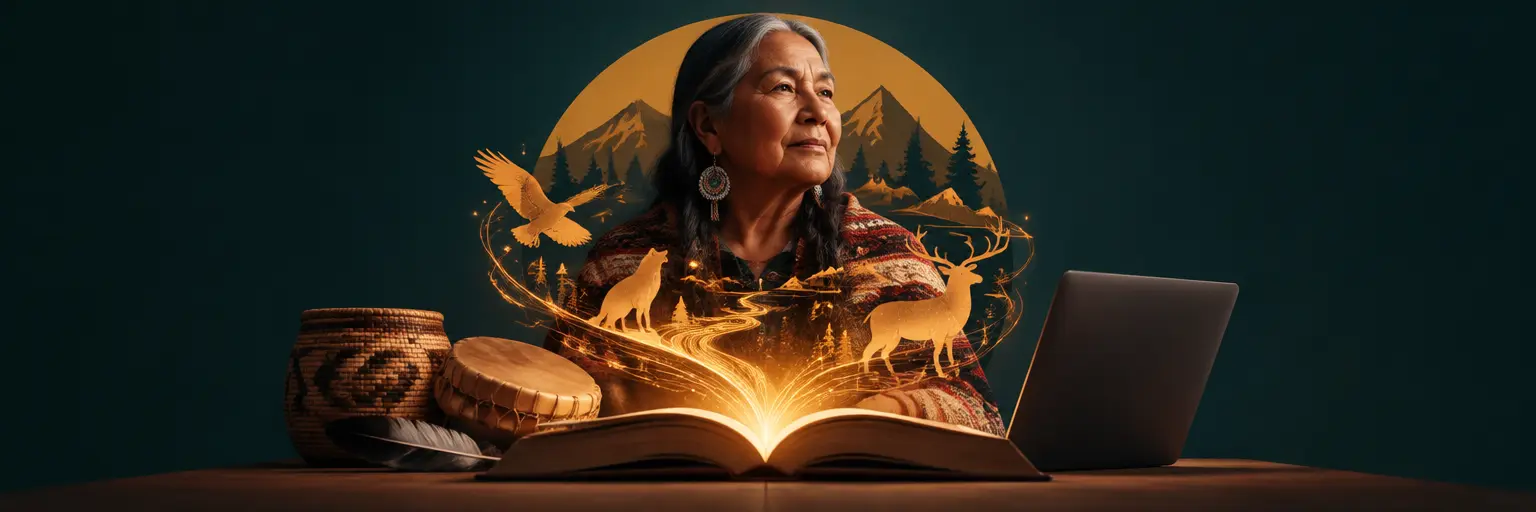
Step into the living heart of cultural memory with our dedicated exploration of Folklore Preservation, where ancient tales, rituals, and oral traditions are safeguarded for future generations. In an era of rapid globalization, the stories whispered by grandparents, sung at festivals, and etched into handcrafted artifacts face unprecedented risk—yet they hold profound wisdom about identity, nature, and human resilience. Our resource delves into the vibrant efforts to document, revitalize, and transmit these intangible treasures, from digital archiving projects to community-led storytelling circles. Discover how myths and legends are not static relics but dynamic, evolving forces that shape modern art, language, and social values. By championing heritage conservation, we connect you to the guardians—indigenous elders, folklorists, and passionate volunteers—who ensure that every epic, fable, and lullaby remains a beacon of cultural diversity. Uncover practical insights on endangered languages, ritual practices, and the ethical storytelling that honors origin communities, all while seeing how these timeless narratives inspire contemporary creativity and global solidarity.
🌍 Navigating the complex landscape of cultural narrative preservation ethics, this article explores the delicate balance between safeguarding sensitive stories and respecting…
Read article
🌍 Discover the vital role of oral traditions and cultural preservation stories passed down by elders, revealing invaluable insights into our collective…
Read article
🌍 Discover how authentic folklore preservation strategies can safeguard cultural narratives from commercialization, ensuring that myths and legends remain genuine. By prioritizing…
Read articleWelcome to our Folklore Preservation subcategory, a dedicated space within Indigenous and Folk Traditions at Mythology and Legends. Here, we delve into the vital work of safeguarding oral narratives, rituals, crafts, and songs passed down through generations. Discover how communities worldwide resist cultural erosion, adapt ancient tales for modern audiences, and use digital tools to archive vanishing wisdom, ensuring that the heartbeat of humanity’s shared imagination never fades.
Folklore preservation begins with capturing the spoken word. This section explores initiatives that record elder storytellers, indigenous languages, and ceremonial chants before they disappear. Expect to learn about grassroots audio-visual projects, community-led transcription efforts, and how folklore archives like the Library of Congress or UNESCO’s Intangible Heritage lists prioritize authenticity over commercial adaptation.
We also highlight the ethical complexities—who owns a story, consent protocols, and the balance between preserving a tale verbatim versus allowing its natural evolution. Discover practical case studies from the Amazon, Celtic regions, and sub-Saharan Africa, showing how recording devices become tools of empowerment, not just documentation. Each piece emphasizes that preservation is a dynamic dialogue between past and present, not a static museum display.
In the 21st century, folklore preservation has gone digital. Explore how open-access platforms, interactive maps, and 3D reconstructions of ritual sites are democratizing access to vanishing traditions. We examine projects like the World Oral Literature Project and national folkloric databases that use AI for language classification, metadata tagging, and predictive analysis to identify at-risk narratives.
Expect practical guides on utilizing these repositories for research, education, or personal curiosity. We also discuss the perils of digitization—algorithmic bias, digital decay, and the risk of cultural appropriation when stories are stripped from their communal context. Our content balances technological optimism with critical reflection, ensuring you understand both the power and pitfalls of a virtual folklore vault.
Folklore is not just words—it’s woven into textiles, carved in wood, stamped in pottery. This section focuses on preserving folk arts, from Navajo rug-weaving techniques to Baltic amber jewelry-making. We profile artisan cooperatives that teach ancestral skills, the revival of natural dyes, and the role of cultural fairs in keeping craft economies alive.
Delve into the legal frameworks protecting traditional knowledge, such as Geographical Indications and the UNESCO 2003 Convention. Learn how museums are shifting from showcasing artifacts to supporting living artisans, and how young creators remix ancient motifs without erasing their sacred meanings. This facet of preservation underscores that folklore is embodied, tactile, and intrinsically tied to sustainable livelihoods.
Many folktales come alive only through performance—dance, drama, music, and seasonal festivals. Here, we investigate how communities are reviving suppressed rituals, from Sami shamanistic drums to Irish wake games. Expect behind-the-scenes looks at festival committees, cultural tourism’s double-edged impact, and the role of diaspora communities in reimporting forgotten practices.
We also analyze how performance preservation goes beyond replication. Choreographers, playwrights, and musicians are contemporizing rituals—think Hawaiian hula fused with hip-hop—to attract youth while respecting core symbolism. Our articles offer interviews with culture bearers and practical tips for documenting ephemeral events, ensuring that the experience of folklore remains a live, breathing phenomenon.
Preservation fails without transmission. This section explores how folklore is integrated into school curricula, university folklore departments, and intergenerational workshops. Discover model programs from Japan, Mexico, and Scandinavia that pair elderly knowledge-holders with students through mentorship, experiential learning, and collaborative storytelling projects.
We also cover the rise of community-based participatory research (CBPR), where local people lead documentation, not just serve as subjects. Expect resources for educators—lesson plans, activity kits, and assessment tools—plus critiques of colonial-era folklore collecting. Each article argues that effective preservation is educational justice, giving marginalized voices authority over their own heritage.
Folklore preservation involves respectful, community-led documentation and transmission, often with financial or legal benefits returning to the culture bearers. Cultural appropriation occurs when outsiders take elements without permission, context, or reciprocity, often stripping sacred or significant meanings. Preservation prioritizes consent and co-authorship, while appropriation commodifies and distorts.
Digital archives capture audio, video, and gestures, but they miss the full sensory and relational context—smell, touch, audience feedback, and spontaneous improvisation. However, high-quality recordings with extensive contextual metadata, alongside community-held physical gatherings, can approximate the experience. The best practice is to treat digital copies as supplements, not replacements, for live transmission.
Yes. The UNESCO 2003 Convention for the Safeguarding of the Intangible Cultural Heritage provides an international framework, while national laws like India’s Geographical Indications and U.S. Native American Graves Protection and Repatriation Act (NAGPRA) offer specific protections. However, enforcement is uneven, and many traditions still lack formal legal shields, relying on community governance and social norms instead.
Start by interviewing elders in your own family or community, recording their stories with professional-grade equipment and seeking written consent. Share these narratives through community archives, local historical societies, or open-source platforms like StoryCorps. Attend or volunteer at folk festivals, support indigenous-owned artisan businesses, and push for folklore inclusion in local school history courses.
No, effective preservation embraces adaptation. It documents a living tradition’s core values while allowing innovations, such as new melodies or digital retellings, to emerge. Preservation frameworks like the “folklore process” view change as healthy, not contamination. The goal is to maintain a continuity of meaning, not a museum-like stasis, ensuring traditions stay relevant for future generations.