The Sound of the Sacred: Nature's Music in Indigenous Beliefs
🎶 Discover how Indigenous nature music beliefs shape spiritual practices worldwide, emphasizing the sacred sounds of nature that connect communities to their…
Read article

Discover how Indigenous and folk traditions revere the natural world as a living, sacred presence—where mountains speak, rivers carry ancestral memories, and every grove holds a story of creation. In these belief systems, nature is not a backdrop but a divine partner, intertwined with rituals, taboos, and seasonal ceremonies that honor the spirit within all things. From the animistic views of Siberian shamans to the maize gods of the Andes, this exploration reveals how sacred landscapes shape identity, ethics, and community resilience. Delve into myths of thunderbirds, forest guardians, and earth mothers, and see how these ancient perspectives offer timeless wisdom for modern environmental stewardship. Whether you’re a mythology enthusiast, a seeker of spiritual depth, or simply curious about humanity’s bond with the wild, this lens transforms how you see both the forest and your place within it. Uncover the rituals that heal, the taboos that protect, and the stories that remind us: the sacred is not somewhere else—it’s right beneath your feet.
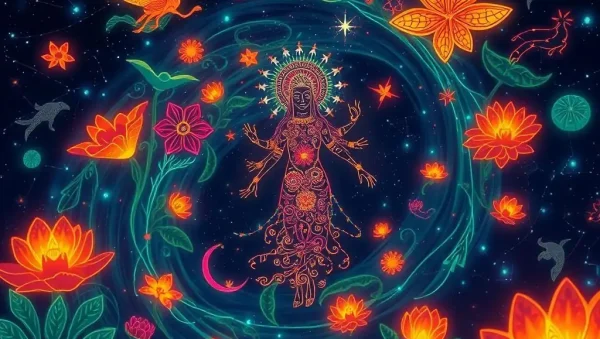
🎶 Discover how Indigenous nature music beliefs shape spiritual practices worldwide, emphasizing the sacred sounds of nature that connect communities to their…
Read article
🌿 Discover the enchanting world of sacred forests folklore beliefs, where ancient trees are believed to harbor spirits and wisdom. These hidden…
Read article
🌍 Discover the profound connection between sacred sites and global legends, unveiling myths that shape cultures and inspire modern spirituality. Explore how…
Read article
🌄 Discover the mysterious world of sacred caves, where ancient rituals and hidden secrets reveal humanity’s spiritual heritage. Explore how these sacred…
Read articleWithin the vast tapestry of Mythology and Legends, the subcategory Nature and the Sacred delves into the profound spiritual relationships indigenous and folk cultures have with the natural world. Here, rivers, mountains, forests, and animals are not mere scenery but living entities imbued with divine presence, ancestral memory, and moral significance. This space uncovers how these traditions perceive the earth as a sacred text, where every ecosystem, weather pattern, and creature carries symbolic meaning and spiritual instruction. By examining these narratives, you will gain a deeper appreciation for ecological wisdom embedded in ancient lore, revealing how nature becomes a vessel for the holy, the mysterious, and the eternal.
This section explores how indigenous and folk traditions designate specific natural features—like the Andean Apu mountain spirits, Australian Uluru’s dreamtime caves, or Celtic holy wells—as thresholds between the mundane and the divine. You’ll learn how these landscapes are not passive backdrops but active characters in creation myths, pilgrimage routes, and ritual offerings. The sacredness is often place-bound, with taboos and ceremonies that honor the spirits residing within, teaching respect for topography as a form of worship. Expect detailed case studies showing how community identity and moral laws are tied to the protection of these hallowed sites.
Understanding these sacred geographies illuminates why modern indigenous movements often fight for land rights with spiritual urgency. The narratives reveal that desecrating a mountain or damning a river is not just ecological damage but a spiritual assault on the collective soul. By mapping these stories, you’ll see how human well-being is conceptually inseparable from the health of the local environment, offering a compelling counter-narrative to exploitative resource extraction. This perspective transforms our own relationship with place, inviting us to see the ordinary landscape around us as potentially layered with unseen significance.
Here, the focus shifts to animals as sacred mediators, tricksters, and ancestors across traditions such as Native American totemism, Siberian shamanic animal spirits, and African folk tales of shape-shifting leopards. You’ll discover how specific species—the crow, the bear, the snake—are not merely symbolic but active partners in cosmic order, often acting as guides for heroes or punishers of hubris. These stories encode profound ecological knowledge, such as migration patterns or predator-prey balance, wrapped in spiritual reverence. The narratives emphasize reciprocal obligations: humans must honor animal spirits through taboos, offerings, and respectful hunting practices.
This subcategory also addresses the blurry line between human and animal in folk belief, where shamans or mythic figures can transform into beasts, and animals can speak or bestow blessings. By engaging with these tales, you’ll understand how indigenous cosmologies reject human exceptionalism, instead viewing all species as part of a moral community. This challenges contemporary readers to reconsider our daily consumption and waste, as these stories insist that harming an animal is akin to harming a relative or deity. Learning these traditions can inspire more sustainable, compassionate interactions with the non-human world.
Focusing on agrarian folk traditions, this part examines how the planting, growing, and harvesting of crops are ritually framed as sacred acts. From the Greek Eleusinian Mysteries to the Slavic festival of Kupala Night and the Incan Inti Raymi, you will see how communities appease earth deities, weather spirits, and grain mothers to ensure fertility. These rituals often involve fasting, communal feasting, music, and symbolic death-rebirth enactments reflecting the annual vegetation cycle. The narratives emphasize that human survival depends on maintaining a harmonious relationship with unseen forces that govern soil health and rainfall.
Beyond mere mythology, these seasonal stories provide a calendar of ethical labor, reinforcing social cohesion and gratitude. For example, the Corn Mother figure in many Native American traditions teaches that maize is a sacrifice from a divine being, thus demanding humility and sharing among the tribe. These accounts also reveal how folk traditions adapt to climate variability, embedding risk-management strategies within sacred narratives. For modern readers, this section offers a profound reminder of our dependence on nature’s rhythms, countering industrial food’s disconnection from seasonal reverence and encouraging mindful, celebratory engagement with local harvests.
This segment investigates how indigenous and folk cosmologies personify the classical elements as potent, capricious deities or animistic forces. Whether it’s the Polynesian fire goddess Pele shaping volcanic shores, the Hindu Agni as a mouthpiece of the gods, or Amazonian river spirits demanding propitiation, these narratives personify natural disasters and life-giving forces alike. Each element carries dual symbolism—fire as both creative hearth and destructive inferno, water as purifying and drowning, earth as nurturing and vengeful. You’ll explore ritual practices designed to court these forces, such as fire-walking, water blessings, and wind charms, alongside cosmogonic myths of elemental chaos ordering into cosmos.
Important here is how these elemental stories function as collective memory of geological and meteorological hazards. They encode warnings—such as “do not cross the river during flood season” wrapped in tales of river spirits punishing intruders. This fusion of practical survival with metaphysics shows how folklore is a dynamic knowledge system. Furthermore, engaging with elemental sacredness encourages a humbler human posture toward earth’s power, prompting contemporary ecological activism rooted in respect rather than solely economic cost-benefit. You’ll leave with a richer language for discussing climate change as a spiritual and moral crisis, not just a scientific one.
Here, we journey into the sacred dimension of flora—from the Yggdrasil of Norse lore and the Bodhi tree of Buddhism to the corn spirits of Mesoamerican cultures and the healing herbs of Amazonian shamans. These plants are not inert resources but sentient beings with desires, memories, and lessons to impart. The Tree of Life appears across continents as a central axis linking underworld, earth, and sky, symbolizing cosmic order and the interconnection of all beings. Medicinal plants in this context are often discovered in trance states or through visionary encounters, as chronicled in ethnobotanical folklore, with taboos governing their harvesting and preparation.
This subcategory profoundly challenges Western botanical reductionism, where a plant is merely a chemical compound. Instead, traditional narratives teach that plants have spirits who can bless or curse, and that healing requires ritual preparation, deservingness, and reciprocal gratitude. You’ll uncover stories of sacred groves where cutting a branch brings misfortune, or where a single leaf offers prophetic visions. These tales provide an alternative model for conservation, suggesting that preserving biodiversity is akin to safeguarding a library of sentient wisdom. For readers, this fosters a mindset of stewardship and respect for nature’s intelligence, making the act of planting or foraging a mindful, sacred act.
It refers to the belief that natural elements—landforms, animals, plants, weather—possess divine or spiritual essence, requiring reverence, ritual, and ethical interaction. Unlike modern secular views, these traditions see no hard divide between nature and spirit; the sacred is immanent within the physical world, and human actions toward nature carry moral and cosmic consequences.
These narratives offer alternative value systems that frame ecological preservation as a spiritual duty rather than just a legal obligation. They provide powerful metaphors for interdependence, humility, and reciprocity, inspiring activists to advocate for land and species protections by appealing to cultural identity, ancestral wisdom, and moral imagination, which often resonates more deeply than scientific reports alone.
Yes, recurring symbols include the world tree, sacred mountains, cleansing water, fire as transformative power, and animal totems. These archetypes appear in diverse cultures due to shared human experiences with natural forces. However, meanings are culturally specific; for example, a snake may symbolize healing in one myth and chaos in another, so context is vital when interpreting.
Absolutely, though respectfully and without appropriation. You can adopt practices like mindful observation of local flora and fauna, seasonal gratitude rituals, or learning the ecological knowledge embedded in your own ancestral folk traditions. The core lesson of treating nature as a sacred partner can be universalized without claiming ownership of specific rituals or deities.
Taboos function as guardrails for sustainable behavior and spiritual humility. They prohibit actions like overhunting, polluting sacred springs, or disrespecting animal spirits, thus preventing ecological collapse. These prohibitions are often justified through cautionary tales of punishment, ensuring communities internalize environmental stewardship as a moral imperative rather than an abstract rule.