The Hero's Metamorphosis: From Caterpillar to Legend
🌟 Discover the transformative power of caterpillar myth transformation stories, illustrating how humble beginnings evolve into legendary tales. Journey through diverse cultures'…
Read article

Explore the timeless allure of Transformation and Rebirth in hero myths, where legendary figures undergo profound metamorphosis—rising from ashes, shedding mortal limits, or embracing new identities. These powerful narratives, rooted in global folklore, reveal how change fuels courage, wisdom, and destiny, from phoenix-like resurrections to symbolic deaths and renewals. Delve into captivating tales of gods, warriors, and tricksters whose rebirths mirror our own struggles for growth and second chances, offering profound insights into resilience and the eternal cycle of life. Perfect for mythology enthusiasts and seekers of inspiration, this journey highlights the heroic potential within every transformation, blending ancient wisdom with modern meaning.
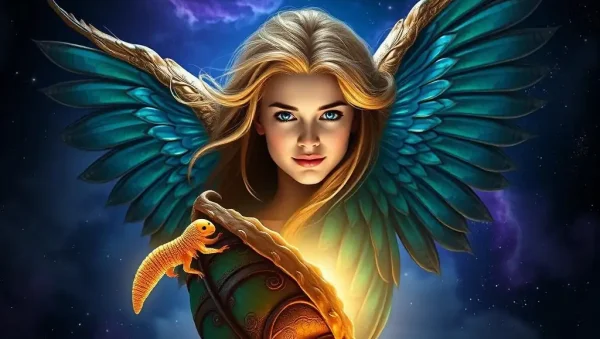
🌟 Discover the transformative power of caterpillar myth transformation stories, illustrating how humble beginnings evolve into legendary tales. Journey through diverse cultures'…
Read article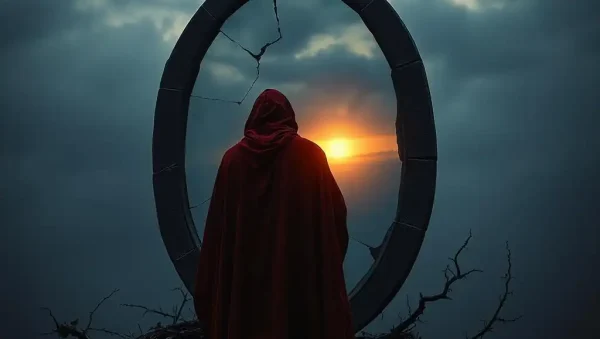
🌟 Discover how enduring trials leads to profound heroic self-discovery after hardship, inspiring individuals worldwide to reflect on their true strength and…
Read article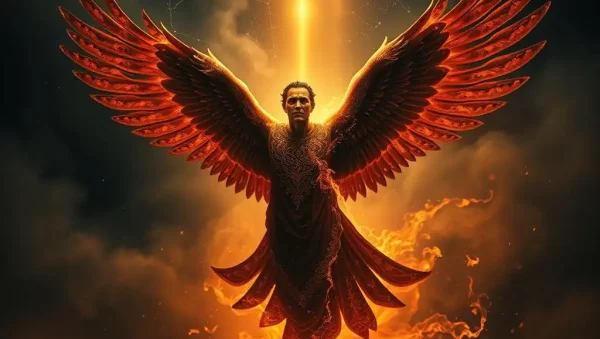
🌟 Delve into "Dying to Live," exploring the profound symbolism of heroic rebirth myths across cultures. This paradoxical theme reveals how stories…
Read article
🌟 Discover the enduring power of Messianic hero legends worldwide as we explore the timeless narratives of kings who will come again,…
Read articleExplore the profound theme of transformation and rebirth within hero myths, where legendary figures undergo radical changes—physical, spiritual, or symbolic—to emerge stronger, wiser, or divine. This subcategory delves into narratives of death and renewal, shedding old identities, and the cyclical nature of heroic journeys across global cultures. Discover how these stories shape our understanding of resilience, sacrifice, and personal evolution, while offering timeless lessons for modern life. From phoenix-like resurrections to ritualistic initiations, this page unpacks the symbolic depth and cultural significance of rebirth in mythology, optimized to help you find exactly what you seek.
Central to transformation tales is the hero’s symbolic or literal death, followed by a triumphant return. Expect to uncover myths like Osiris, who is dismembered and restored, or Jesus, whose crucifixion and resurrection redefine faith. This facet explains how these arcs encode cultural values—emphasizing sacrifice, hope, and renewal—while reflecting psychological stages of ego death and reintegration. You’ll see parallels in figures like Odin, who hangs on Yggdrasil, or Inanna, who descends to the underworld, each illustrating that true heroism often demands a journey through darkness to achieve light.
By examining these narratives, you’ll grasp how rebirth is not merely a plot device but a ritualistic pattern that mirrors agricultural cycles, human development, and seasonal renewal. These stories reassure communities that endings lead to new beginnings, fostering resilience against adversity. They also inspire personal transformations, urging you to embrace change as a heroic act. This section serves as a gateway to understanding why rebirth remains a universal motif, from ancient epic poems to contemporary cinema.
Here, focus shifts to heroes who evolve not via literal death but through grueling trials, rites of passage, or divine blessings. Expect figures like Hercules, whose labors forge him into a god, or King Arthur, who transitions from boy to sovereign through magical guidance. These myths teach that transformation often requires confronting inner demons, mastering skills, or gaining hidden knowledge. You’ll learn how initiation rituals—physical, emotional, or social—mirror these stories, preparing individuals for new roles in society.
This facet also explores shape-shifting, such as Zeus’s many forms or the Celtic selkies, where physical change symbolizes adaptability and fluid identity. Such transformations challenge fixed notions of self, inviting you to view growth as continuous and multifaceted. By tracing these arcs, you’ll appreciate how myths encoded mentorship, resilience, and the power of perseverance. This content is ideal for readers seeking motivational parallels in their own life’s challenges, proving that every trial can be a stepping stone to rebirth.
Delve into myths where transformation signifies spiritual elevation, not just physical change. Buddhas, bodhisattvas, and enlightened heroes like the Indian prince Siddhartha undergo profound inner rebirths, shedding attachments to attain nirvana. Similarly, Greek mysteries, such as Eleusinian rites, promised initiates a rebirth into a blessed afterlife. Expect to see how these narratives emphasize inner alchemy—turning base ignorance into golden wisdom—and connect to concepts like karma, reincarnation, and soul progression across traditions like Hinduism, Buddhism, and Orphism.
You’ll discover how these myths serve as blueprints for meditation, ethical living, and mental transformation, offering practical guidance for modern seekers. They underscore that rebirth is not always dramatic but can be a quiet, gradual unfolding of consciousness. This section is rich with comparative mythology, showing parallels between Eastern and Western spiritual paths, while highlighting unique cultural expressions. It’s a treasure trove for anyone exploring mindfulness, self-improvement, or the philosophical foundations of heroism as a spiritual quest.
Many legendary figures embody nature’s cycles, representing rebirth through seasons, vegetation, and celestial events. Persephone’s yearly return from Hades, Demeter’s joy, and the dying-and-rising gods like Tammuz, Adonis, and Baal all symbolize agricultural renewal. Expect to understand how these myths explained seasonal changes, ensuring communal order and hope for harvests. You’ll also encounter cosmic cycles—the Norse Ragnarök, where the world is reborn after destruction, or Hindu yugas, which endlessly repeat creation and dissolution.
This facet highlights how rebirth is a macrocosmic principle, mirroring microcosmic human experiences. It connects mythology to ecology, reminding us that destruction and renewal are natural, not punitive. By framing these tales, you’ll see how ancient peoples managed anxiety about mortality and uncertainty, projecting resilience onto the cosmos. This perspective offers modern audiences an eco-spiritual lens, urging sustainable living and acceptance of life’s impermanence. Ideal for readers interested in comparative religion, environmental philosophy, or seasonal storytelling traditions.
Here, transformation applies to entire bloodlines or nations, where heroes restore kingdoms or reborn identities through generational struggles. Myths like the Greek tale of Orestes, who purges his family curse, or the Arthurian cycle’s eventual return of the Once and Future King, epitomize hope for a dynasty’s rebirth. Expect to analyze how these stories legitimize rulership, link political power to divine favor, and offer narratives of collective redemption. You’ll also see parallels in African, Polynesian, and Native American lore, where ancestral rebirth ensures cultural continuity.
This section explores the symbolism of the heir, the exile returning, or the orphan discovering royal roots—common motifs like Moses, Perseus, or Romulus and Remus—as metaphors for marginalized peoples reclaiming agency. These myths inspire social movements and national identities, proving that rebirth can be collective. This content is valuable for those studying historical legitimization, folklore’s role in identity politics, or narrative patterns in modern fantasy literature and film. It emphasizes that rebirth is not only personal but social, affecting entire communities’ futures.
Transformation generally involves a change in form, status, or character—like gaining powers or wisdom—while rebirth specifically implies a death-and-return cycle, whether literal, spiritual, or symbolic. Rebirth is often a dramatic transformation that includes a rupture or ending, whereas transformation can be gradual. Both are essential to heroic arcs, with rebirth serving as a potent subtheme of ultimate renewal.
Rebirth mirrors natural cycles—day-night, seasons, and agriculture—making it intuitive for ancient societies. It also offers psychological comfort, framing death as transition rather than finality, and reinforcing cultural values of hope and resilience. This universality allows myths to address shared existential fears and aspirations, transcending geography and era, making rebirth a fundamental archetype in human storytelling.
Absolutely. Contemporary figures like Batman’s resurrection in comics, Neo in The Matrix, or Simba in The Lion King embody rebirth arcs. These narratives use symbolic death and renewal to depict personal growth, redemption, and mastery of one’s fate, showing that ancient motifs remain relevant. They offer audiences relatable metaphors for overcoming trauma or reinventing oneself.
Rebirth myths provide a framework for viewing personal crises as opportunities for growth. They encourage embracing endings—relationships, careers, or beliefs—as necessary for transformation. By internalizing these stories, people can cultivate resilience, self-compassion, and a positive attitude toward change, seeing themselves as heroes capable of emerging stronger from difficulties.
Yes, many cultures have rites of passage—like baptisms, vision quests, or initiations—that simulate death and rebirth for individuals. Modern practices include therapy-oriented "transformational retreats," mindfulness programs, or personal development courses using metaphor and ceremony. These rituals help participants symbolically shed old identities and embrace new roles, drawing directly from mythological templates.