The Gentle Hero: Challenging Traditional Masculine Norms in Myth
🌟 Discover how mythic heroic figures embody gentle masculinity, challenging traditional norms and redefining strength. This exploration reveals the power of compassion,…
Read article
Discover how gender shapes heroism across world mythologies, from warrior goddesses and cunning heroines to male heroes redefining courage through compassion and wisdom. This exploration of hero myths and legendary figures unpacks the cultural expectations, divine interventions, and societal norms that have long defined who gets to be a hero—and how these archetypes evolve today. Whether examining Athena’s strategic brilliance, Mulan’s defiance of gendered roles, or the quiet valor of male deities like Loki’s shapeshifting or Odysseus’s endurance, each tale reveals powerful questions about identity, strength, and legacy. Dive into the intersection of folklore and gender studies, where ancient stories challenge modern stereotypes and inspire fresh interpretations of bravery, sacrifice, and leadership. Perfect for mythology enthusiasts, students, and storytellers seeking SEO-friendly insights into how legendary characters reflect—and resist—their cultural moments, making heroism a truly inclusive, ever-changing mirror of humanity.
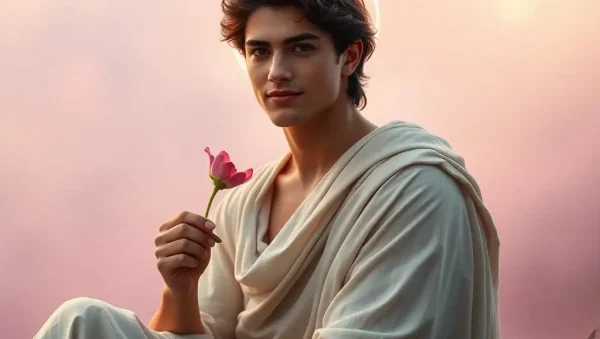
🌟 Discover how mythic heroic figures embody gentle masculinity, challenging traditional norms and redefining strength. This exploration reveals the power of compassion,…
Read article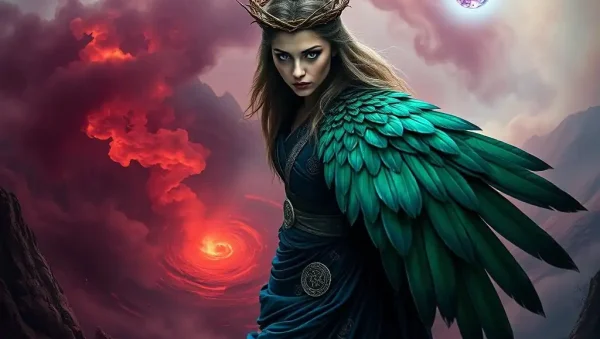
🌟 Discover how female folklore hero symbolism, from witches to queens and rebels, embodies diverse forms of female heroism across cultures, inspiring…
Read article
🌍 Explore the Hero archetype gender roles across cultures, questioning whether this timeless narrative inherently favors masculinity or if diverse societies have…
Read articleIn the vast tapestry of hero myths and legendary figures, the lens of gender reveals how cultures define courage, sacrifice, and strength. The subcategory Gender Perspectives in Heroism on Mythology and Legends delves into the nuanced roles of male, female, and non-binary heroes across global folklore, challenging traditional archetypes. Here, you will uncover how ancient narratives both reinforce and subvert gender norms, from warrior queens to gentle saviors, and how these stories continue to shape modern ideals of heroism. This resource provides a rich, SEO-optimized exploration for enthusiasts, scholars, and storytellers seeking deeper cultural insight.
This section illuminates legendary women who wielded weapons, wisdom, or wit to save their people, defying patriarchal expectations. Figures like the Celtic warrior Scáthach, the Hindu goddess Durga, or the Amazonian Penthesilea showcase agency and martial prowess, proving that heroism transcends gender binaries. You will explore how these tales were often marginalized or reframed by later male-centric retellings, yet they persist as powerful symbols of resilience.
Expect detailed character analyses, cultural contexts, and comparisons to male counterparts in similar myths. This angle emphasizes how female heroism often integrates community care, strategic intelligence, and emotional depth, offering a holistic model of bravery. For SEO, keywords like female heroes in mythology, warrior women legends, and goddess empowerment stories anchor this content, attracting readers interested in feminist folklore and historical gender studies.
While many hero myths celebrate brute force, this facet explores male heroes who embody compassion, vulnerability, or unconventional strength. Think of the Greek hero Odysseus, whose cunning rivaled his brawn, or the Norse god Baldr, whose goodness was his greatest power. These narratives challenge the toxic masculinity often associated with epic quests, showing that true heroism sometimes requires emotional courage and self-reflection.
Here, we dissect how cultural pressures shape male hero archetypes—from the stoic warrior to the wise sage—and why subverting these norms resonates with modern audiences. You’ll find case studies on figures like the Buddha’s earlier heroic incarnations or the Celtic Cú Chulainn’s tragic flaws. Keywords such as redefined masculinity in myths and vulnerable heroes help this section rank for searches on gender fluidity in ancient stories, appealing to readers exploring progressive interpretations of legendary figures.
Many cultures embraced gender diversity long before contemporary discourse, and this segment uncovers heroes who transcend binary labels. Examples include the Hindu deity Ardhanarishvara (a fusion of Shiva and Parvati), the Two-Spirit figures in Indigenous North American traditions, or the Japanese kami with shifting forms. These legends offer profound insights into how societies historically honored fluid identities, often granting such heroes unique spiritual or magical powers.
This section is essential for readers seeking inclusive mythology content. We provide contextual explanations of cultural terms, ritual roles, and narrative functions, ensuring respectful and accurate representation. With keywords like non-binary deities, genderqueer folklore, and Two-Spirit legends, this page attracts a niche yet passionate audience, positioning your site as a forward-thinking authority on diverse heroism.
Joseph Campbell’s monomyth assumed a male protagonist, but this section contrasts that with the heroine’s journey—a cyclical path focused on integration, transformation, and rebuilding community. Drawing from tales like Inanna’s descent to the underworld or the Russian Vasilisa’s wise-woman trials, we map out differences in call to adventure, allies, and rewards. This framework highlights how female heroes often face internal demons and societal constraints rather than external monsters alone.
You’ll gain a comparative structure useful for writers, educators, and psychologists. This analysis uses SEO terms like heroine’s journey stages, female quest myths, and Inanna’s descent analysis, making it a valuable resource for academic research or creative inspiration. By linking to contemporary feminist theory, we connect ancient wisdom to modern storytelling, enriching your site’s relevance.
Every nation glorifies heroes who mirror its ideal citizen, and gender often becomes a central symbol of that identity. For instance, Joan of Arc embodies French defiance and piety, while the Chinese Mulan represents filial loyalty and martial skill—each gendered presentation carrying political weight. This section compares such figures across continents, examining how colonial histories, religious reforms, or nationalist movements amplified or erased certain gendered aspects.
Expect geopolitical context, iconography analysis, and modern adaptations in film or literature. Keywords like national hero gender roles, Joan of Arc symbolism, and Mulan cultural impact drive targeted traffic. This content serves educators and cultural historians, but also general readers fascinated by how gender stereotypes are weaponized for national pride. We ensure balanced, critical perspectives to avoid oversimplification.
Notable examples include the Greek Atalanta, a swift hunter and archer; the Norse Valkyries, choosers of the slain; and the Hindu Kālī, a fearsome demon-slayer. Each represents different facets—physical skill, divine judgment, or raw destruction—proving female heroism is as varied as male. Their stories often highlight resilience against patriarchal opposition, making them enduring symbols of female agency.
Male heroes typically follow a linear quest—leaving home, defeating foes, and returning triumphant—while female heroes often engage in cyclical, inward journeys focused on renewal and community. However, exceptions abound, such as the androgynous trickster Loki or the wise Athena, who uses strategy over strength. These patterns reflect societal expectations but are not absolute, offering rich comparative material.
Yes, several cultures included gender-variant figures. The Sumerian goddess Inanna changed forms, the Hindu Ardhanarishvara merges male and female, and many Native American tribes honored Two-Spirit people as spiritual leaders. These heroes often possessed unique wisdom or healing powers, and their stories challenge modern binary thinking about sex and gender in historical contexts.
The heroine’s journey often begins with a denial of self or community wound, not just a call to adventure. She may descend into darkness to reclaim fragmented parts of herself, relying on allies and intuition rather than brute force. The goal is integration, not conquering—her triumph elevates the collective. This framework, popularized by scholars like Maureen Murdock, offers a feminist counter-narrative to Campbell’s model.
Absolutely. Reading Achilles through a gendered lens reveals his rage as tied to honor codes, while Penelope’s weaving becomes a form of heroic resistance. Interpretation shifts based on which traits—strength, cunning, caregiving—are highlighted, altering moral lessons. These perspectives invite us to question whose heroism is valued, encouraging a more inclusive understanding of legendary deeds across cultures.