David vs. Goliath: More Than Just a Stone and a Sling?
🌍 Discover how the ancient David Goliath symbolism meanings transcend myth, embodying themes of courage, resilience, and the fight against overwhelming odds,…
Read article
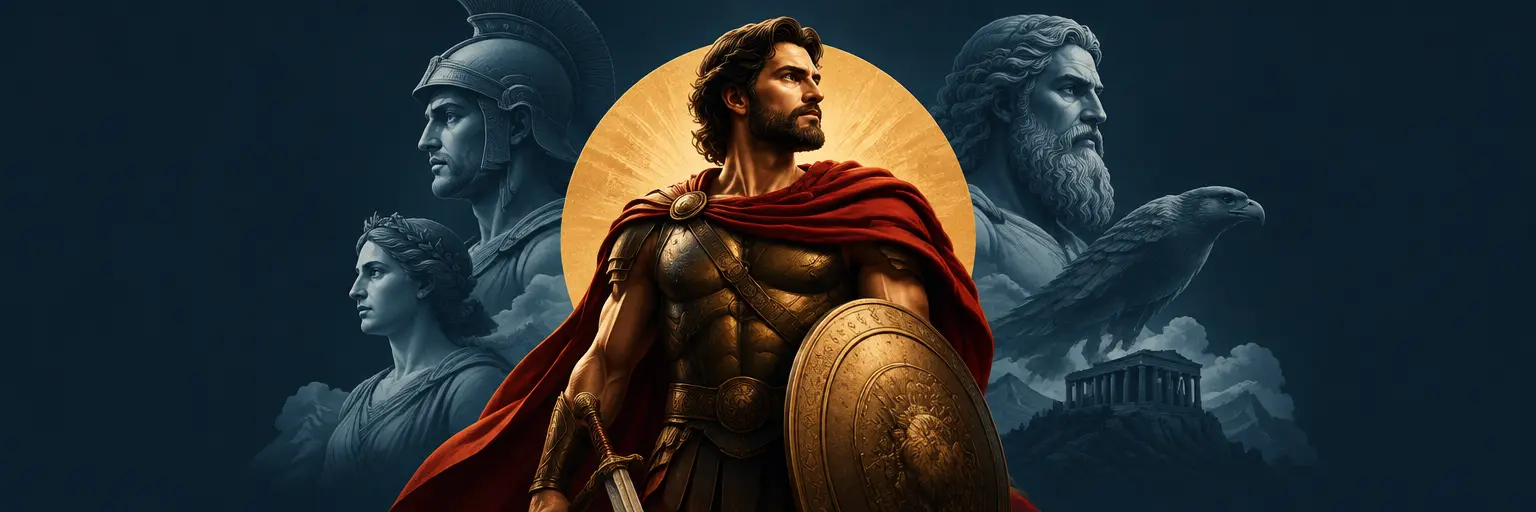
Discover the timeless allure of legendary heroes—the indomitable souls whose deeds transcend time, culture, and imagination. From the cunning wit of Odysseus to the raw strength of Heracles, these iconic figures embody the ultimate quest for glory, justice, and immortality. Dive into epic sagas of bravery, sacrifice, and divine intervention, where mortal flaws meet superhuman courage, shaping the very foundations of world mythology. Whether you’re a seeker of ancient wisdom or a modern storyteller, explore how these mythic champions—like Achilles, Gilgamesh, and Beowulf—continue to inspire today’s films, literature, and leadership ideals. Uncover the symbolic power of heroism, the trials that forge legends, and the cultural values they mirror, all while enriching your understanding of humanity’s enduring fascination with the extraordinary. Your journey into the heart of legendary valor starts here, where every tale reveals a deeper truth about our own potential.
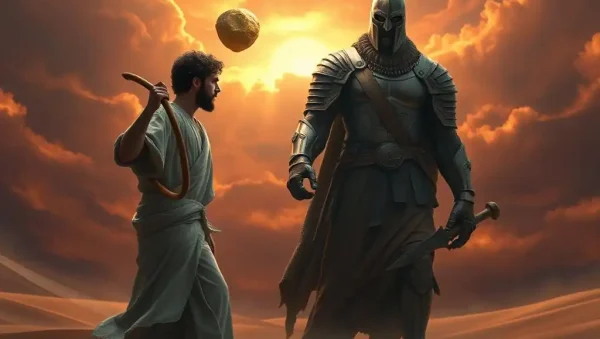
🌍 Discover how the ancient David Goliath symbolism meanings transcend myth, embodying themes of courage, resilience, and the fight against overwhelming odds,…
Read article
🌟 Discover the fascinating world of hidden legendary figure identities, where iconic heroes conceal their true selves. This exploration reveals how these…
Read article
🔮 Discover how hero betrayal myths stories reveal the peril of misplaced trust, illustrating timeless lessons on loyalty and deception that continue…
Read article
✨ Explore how heroic tales often depict Fate versus free will choices, highlighting whether heroes are guided by destiny or personal agency.…
Read articleWelcome to our deep dive into Legendary Heroes, a subcategory within Hero Myths and Legendary Figures at Mythology and Legends. Here, we uncover the timeless narratives of extraordinary individuals whose deeds, sacrifices, and flaws have shaped cultural identities for millennia. From demigods to mortal warriors, these figures embody the ideals, fears, and aspirations of their societies. Our goal is to provide a rich, SEO-optimized resource that satisfies both casual readers and devoted mythology enthusiasts, blending historical context, symbolic analysis, and modern relevance.
In this section, we analyze what makes a hero “legendary” versus merely historical or mythical. Common threads include superhuman abilities, a divine or noble birth, a transformative journey, and a tragic or triumphant end. You’ll discover how heroes like Gilgamesh, Hercules, and Arjuna share structural similarities despite vast cultural differences, reflecting universal human themes of ambition, mortality, and duty.
We also explore how these traits evolve with storytelling—what was heroic in ancient Mesopotamia differs from medieval knights or modern anti-heroes. Expect clear comparisons, cross-cultural tables, and insights into Joseph Campbell’s Hero’s Journey framework. This section is ideal for students, writers, and anyone seeking a foundational understanding of heroic archetypes.
Dive into the pantheon of Mediterranean heroes, from Perseus slaying Medusa to Odysseus navigating the Trojan War’s aftermath. We break down key narratives, including the twelve labors of Hercules, the exploits of Theseus, and the tragic arcs of Achilles and Aeneas. Each profile includes historical origins, regional variations, and artistic depictions in pottery, sculpture, and literature.
You’ll also learn how Roman writers like Virgil reinterpreted Greek heroes for political purposes, turning Aeneas into a founding figure of Rome. Our content highlights primary source references (e.g., Homer’s Iliad) and modern adaptations in film and novels. This is perfect for readers seeking detailed, citation-ready material on classical heroes.
Shift north to the frostbitten sagas and misty epics of Scandinavia, Ireland, and Wales. Here, heroes like Sigurd (slayer of Fafnir) and Cú Chulainn (the Hound of Ulster) operate in worlds of honor, fate, and supernatural creatures. We examine their unique codes—such as the Viking drengskapur (honor) or the Celtic geis (taboo)—that both empower and doom them.
Also featured are figures like Beowulf, Finn MacCool, and the Welsh warrior Arthur before his later Arthurian romance. Our analysis covers oral traditions, medieval manuscripts, and how these heroes influenced modern fantasy genres (e.g., Tolkien, Game of Thrones). Expect vivid retellings and cultural context that make these ancient stories accessible and engaging.
This section celebrates Eastern heroic traditions, often overlooked in Western-centric mythologies. You’ll meet Rama and Hanuman from the Ramayana, the Pandavas and Krishna from the Mahabharata, and the Chinese epic heroes like Guan Yu and Sun Wukong (the Monkey King). Japanese legends bring us Yamato Takeru and the samurai ideal of bushidō.
We emphasize philosophical underpinnings—dharma in India, Confucian loyalty in China, Shinto purity in Japan—that distinguish these heroes from their Western counterparts. You’ll also find modern pop-culture connections, such as anime adaptations, martial arts films, and video games, showing how these legends persist dynamically. This is a must-read for global audience and niche researchers.
Why do we still care about Achilles or Arjuna in the 21st century? This closing section traces the afterlife of these heroes in literature, cinema, comics, and even advertising. From Marvel’s Thor to Disney’s Hercules and the rise of “gritty” reboots, we examine how creators deconstruct, parody, or revere these figures to address contemporary issues like identity, power, and morality.
We also discuss psychological interpretations (e.g., Jungian archetypes) and educational uses in classrooms and therapy. By understanding how ancient heroes adapt, we gain insight into our own values. This section provides a bridge between past and present, ensuring you leave with both knowledge and critical perspective.
A mythic hero often has divine origins or supernatural powers and exists within sacred stories explaining natural or cosmic phenomena. A legendary hero is typically based on a historical person (like King Arthur) but embellished over time, with plausible deeds amplified into legend. Both blur in practice, but myths are more religious, while legends retain a core of historical truth.
Power is relative to cultural context; Hercules (Greek) had super strength, while Sun Wukong (Chinese) had immortality and shapeshifting. In Hindu epics, Arjuna could wield divine weapons, whereas Cú Chulainn had supernatural battle frenzy. There is no single answer, but Gilgamesh is often cited as most influential because he predates many others and explores human vulnerability.
No, though male heroes dominate ancient records, female legendary figures exist—e.g., Joan of Arc (historical turned legendary), the Valkyries (Norse), and the warrior queen Penthesilea of the Amazons. In Hindu mythology, Draupadi and Sita hold heroic agency. Modern retellings increasingly spotlight these women, but ancient sources often subjugated them to supporting roles.
Heroes are idealized mirrors: Achilles values honor and glory, aligning with Greek kleos; Beowulf embodies Anglo-Saxon loyalty and bravery; Rama represents dharma and duty in Hindu society. Their failures also teach cultural warnings—e.g., Hubris in Greek tragedies. Studying a hero reveals what a society prized, feared, or deemed just, making them invaluable historical artifacts.
Some likely have historical kernels—e.g., Arthur may have been a post-Roman warlord, and Gilgamesh a real king of Uruk. However, centuries of oral transmission and supernatural additions make separating fact from fiction impossible. Scholars treat them as semi-historical, valuable for understanding how societies remember and mythologize actual events and persons.