
The Hero in Disguise: Hidden Identities of Legendary Figures


Welcome to Mythology and Legends, where ancient tales come alive. Ever wondered if the heroes you know are truly who they seem? Prepare to unravel the secrets behind the Hidden Legendary Figure Identities that have shaped cultures for centuries. Intrigued? Delve deeper and discover the surprising truths concealed within these iconic narratives...
- Unmasking the Legends: Exploring Hidden Identities in Hero Myths
- Notable Examples of Hidden Legendary Figure Identities Across Cultures
- The Significance of Hidden Identities: Symbolism and Meaning
- The Impact of Hidden Legendary Figure Identities on Storytelling
- Exploring Variations: Different Types of Hidden Identities
- Conclusion: The Enduring Appeal of Hidden Identities in Legend
-
Frequently Asked Questions
- How often did legendary figures use disguise or hidden identities?
- Why would a legendary figure choose to conceal their true identity?
- What are some examples of well-known legendary figures who utilized hidden identities?
- How did the use of hidden identities affect the narratives and outcomes of myths and legends?
- What does the prevalence of hidden identities in mythology reveal about cultural values and beliefs?
- Final Reflection: Unveiling the Masks of Legend
- Unmask Your Inner Mythmaker!
Throughout the vast tapestry of global folklore and mythology, a recurring motif captivates audiences: the hero or legendary figure who operates under a hidden identity. This narrative device adds layers of intrigue, suspense, and character depth, transforming simple tales of strength and courage into complex explorations of deception, perception, and true nature.
The concept of concealed identities allows storytellers to explore themes of vulnerability, the burden of destiny, and the contrast between external appearance and internal reality. It's a powerful tool that transcends cultural boundaries, appearing in myths from ancient Greece to modern superhero narratives, highlighting the universal appeal of the unknown and the surprise reveal.
The allure of hidden legendary figure identities lies in the dramatic tension they create. Readers and listeners are often privy to the true identity while other characters in the narrative remain oblivious, leading to dramatic irony.
This creates anticipation for the moment of revelation and allows for commentary on how individuals are judged based on their outward presentation rather than their intrinsic qualities or actions. Exploring these concealed identities provides insight into the cultural values, fears, and aspirations of the societies that birthed these myths, offering a window into the human fascination with mystery and the potential for greatness hidden beneath the surface.
Legendary figures adopt hidden identities for a multitude of strategic and symbolic reasons within their narratives. Often, the primary purpose is protection or the ability to gather information without revealing their true power or vulnerability. By concealing who they are, heroes and deities can move freely among mortals or enemies, observing situations, testing loyalty, or executing plans that would be impossible if their identity were known. This allows for crucial plot developments, enabling characters to overcome obstacles or learn vital truths that drive the narrative forward.
Beyond practical considerations, the use of hidden identities by legendary figures serves significant thematic purposes. It can represent a shedding of the burden of their status or destiny, allowing them to experience life from a different perspective. It can also be a deliberate test for others, revealing true character based on how they treat someone they perceive as ordinary or powerless.
Furthermore, the act of disguise often symbolizes a transformation or a period of growth for the hero, who must rely on wit, skill, and character rather than inherent power or fame to navigate challenges. These complex motivations make the exploration of hidden legendary figure identities a rich area of study in mythology.
Ancient Greece: Gods and Heroes in Disguise
Ancient Greek mythology is replete with instances of gods and heroes adopting hidden identities, often with profound consequences. The Olympian deities, known for their anthropomorphic qualities and involvement in human affairs, frequently descended to Earth in various forms to interact with mortals, observe events, or pursue romantic interests. These divine disguises highlight the capricious nature of the gods and the precarious relationship between the divine and human realms. Heroes, too, employed disguise, typically for survival, strategic advantage, or as part of a quest, demonstrating their cunning and adaptability in the face of overwhelming odds.
One famous account involves the gods Zeus and Hermes visiting the Phrygian countryside disguised as poor travelers. They sought hospitality from numerous homes but were turned away until they reached the humble cottage of Baucis and Philemon. This elderly couple, despite their poverty, welcomed the disguised gods with open arms and shared what little they had. Their kindness stood in stark contrast to the indifference of their wealthy neighbors, leading Zeus to reveal his true identity and reward the pious couple while punishing the others. This story emphasizes the divine test of human virtue through concealed identity.
Zeus's Many Forms: Concealing Identity for Divine Purposes
Zeus, the king of the Olympian gods, is arguably the most prolific user of disguise in Greek mythology, adopting a vast array of forms to achieve his objectives, particularly in his numerous amorous pursuits. His transformations were not merely cosmetic; they were often integral to gaining access or trust from mortals he desired.
For instance, he appeared to Leda as a swan, seduced Europa as a bull, and approached Danaë as a shower of gold. These shape-shifting abilities allowed him to circumvent obstacles, including protective fathers or watchful husbands, showcasing his supreme power and willingness to bend the rules of both divine and mortal realms.
Beyond romantic endeavors, Zeus also used disguise for observation and judgment, as seen in the tale of Baucis and Philemon. These instances demonstrate that divine hidden legendary figure identities served multiple purposes: facilitating interaction with the mortal world, enabling the gods to exercise their will or satisfy their desires, and sometimes acting as agents of divine justice or testing human morality. The variety and cleverness of Zeus's disguises reflect the creative imagination of the ancient Greeks and their understanding of divine power as inherently fluid and unpredictable.
Odysseus: The King in Rags - A Test of Loyalty
Odysseus, the cunning king of Ithaca and protagonist of Homer's Odyssey, famously returns to his homeland after twenty years of wandering disguised as a beggar. This is one of the most significant instances of a hero adopting a prolonged hidden identity in Greek epic. His disguise is not just a means of protection against the suitors who have overrun his palace and seek to marry his wife Penelope; it is a crucial narrative device that allows him to assess the loyalty of his household and subjects, including his wife, son Telemachus, and various servants and swineherds.
Living among the suitors and his own people while in rags, Odysseus endures insults, abuse, and tests of patience. This period under a hidden identity allows him to observe firsthand the corruption and disloyalty that have taken root in his absence, as well as identify those who have remained faithful.
The reveal of his true identity is a powerful moment, leading to the epic battle against the suitors and the restoration of his kingdom. This use of disguise highlights themes of patience, endurance, justice, and the profound impact of a leader's return, making it a quintessential example of a hidden legendary figure identity serving both practical and thematic functions.
Norse Mythology: Odin's Wanderings and Disguises
Norse mythology features Odin, the Allfather, frequently venturing from Asgard into the other realms, often under various disguises. These journeys are typically undertaken in pursuit of knowledge, wisdom, or to influence the events of the cosmos and the lives of mortals and other beings. Unlike Zeus's disguises, which often served personal desires, Odin's hidden identities are usually linked to his insatiable quest for understanding and his role as a cosmic observer and manipulator. His most common disguise is that of a lone wanderer, emphasizing his solitary journey through the nine realms.
Odin's disguises allow him to interact with giants, dwarves, and humans on their own terms, gleaning secrets and wisdom that would likely be withheld from the mighty Allfather. These encounters, facilitated by his concealed identity, are crucial to many Norse myths, explaining the origin of poetry, the acquisition of magical runes, and the foretelling of Ragnarok. The motif of Odin in disguise underscores the Norse emphasis on wisdom, cunning, and the sacrifices required to gain knowledge, portraying their chief god not just as a ruler but as an eternal seeker.
The Wanderer's Cloak: Odin Seeking Wisdom in Disguise
Odin is perhaps best known in his disguised form as "Gagnráðr," the Wanderer. He is typically depicted as an old man with a long beard, wearing a wide-brimmed hat pulled low over one eye (symbolizing the eye he sacrificed for wisdom), and cloaked in a dark, often blue, mantle. He carries a staff and travels the roads and paths of the world, appearing unassuming and humble. This hidden identity allows him to test the wisdom and hospitality of those he meets, often engaging them in riddling contests or philosophical discussions without revealing his divine status.
One notable instance is recounted in the Poetic Edda, where Odin, disguised as Gagnráðr, challenges the wise giant Vafþrúðnir to a contest of knowledge. By concealing his true identity, Odin is able to extract ancient lore from the giant, ultimately winning the contest by asking a question only he, the Allfather, would know the answer to (what Odin whispered into the ear of his son Baldr on his funeral pyre).
This episode perfectly illustrates how Odin's hidden legendary figure identities are tools for acquiring the knowledge necessary for him to fulfill his cosmic role and prepare for the inevitable future.
Celtic Lore: Figures Shrouded in Mystery and Transformation
Celtic mythology, rich in tales of magic, shape-shifting, and the liminal spaces between worlds, also features prominent examples of hidden legendary figure identities. Figures from the Fae, heroes, and even deities sometimes adopt disguises or conceal their true nature to interact with the human world, pursue quests, or test mortals. Transformation is a key element in Celtic myths, often blurring the lines between human, animal, and supernatural beings, making hidden identities a natural fit for this tradition.
The concept of geasa (vows or prohibitions) in Irish mythology can also function almost like a form of imposed hidden identity, forcing heroes to act against their nature or conceal aspects of themselves. While not always a physical disguise, it compels a hero to behave in a way that masks their true character or abilities under certain circumstances. This adds another layer to the idea of concealed identity, where external compulsion rather than deliberate choice dictates the hidden aspect of a legendary figure.
Cú Chulainn: The Boy Hero Hiding his True Potential
While not always in a physical disguise, the legendary Irish hero Cú Chulainn's early life can be seen as a form of hidden identity regarding his immense potential. Born as Sétanta, the son of the god Lugh and the mortal Deichtine, his divine heritage and extraordinary future capabilities were initially unknown or underestimated by many. He displayed prodigious strength and skill from a young age, notably when he single-handedly slew the hound of Culann, earning his famous name, Cú Chulainn ("Hound of Culann").
Before fully embracing his heroic destiny and undergoing his famous warp-spasm, Cú Chulainn existed in a state where his true power and ultimate significance were not fully recognized by the world around him. This period represents a kind of concealed potential, a hidden aspect of his legendary identity waiting to be fully unleashed. His transformation from the exceptional boy Sétanta to the unstoppable warrior Cú Chulainn, triggered by specific events and prophecies, highlights the theme of a hidden nature being revealed, a common thread among hidden legendary figure identities.
Mythologies from Eastern traditions also utilize the motif of hidden identities, often involving deities, tricksters, or heroes who possess the ability to transform or adopt aliases. These narratives frequently explore themes of social hierarchy, the nature of reality, and the challenges of perceiving truth behind appearance. From shapeshifting deities to mortals concealing their true lineage or skills, hidden identities serve diverse narrative and symbolic functions across Asian folklore.
In Chinese mythology, figures capable of transformation are common, including animal spirits who take human form, or deities who walk among mortals in disguise. Japanese folklore features kitsune (fox spirits) and tanuki (raccoon dogs) renowned for their ability to shapeshift and play tricks, often adopting human appearances for various purposes. These examples demonstrate the widespread use of concealed identities as a driver of plot and a means to explore cultural beliefs about deception, perception, and the supernatural.
Sun Wukong: The Monkey King's Transformations and Aliases
Sun Wukong, the Monkey King, a central character in the classic Chinese novel Journey to the West, is a prime example of a legendary figure who extensively uses transformation and aliases. Blessed with immense power and 72 methods of transformation, he can change into virtually anything – animals, objects, or other people. While not always used to hide his identity in the sense of secrecy (he is often boastful), these transformations function as a form of fluid identity and are crucial to his adventures.
His transformations allow him and his companions to overcome obstacles, trick demons, and navigate complex situations. For instance, he might transform into a fly to scout an enemy's lair, into a powerful deity to frighten foes, or into a seemingly harmless object to escape capture.
Although his true identity as the mischievous and powerful Monkey King is widely known after his initial exploits, his ability to adopt countless forms means his appearance is constantly a hidden or variable aspect of his identity, making him a master of concealed presence and a quintessential example of dynamic hidden legendary figure identities in Eastern literature.
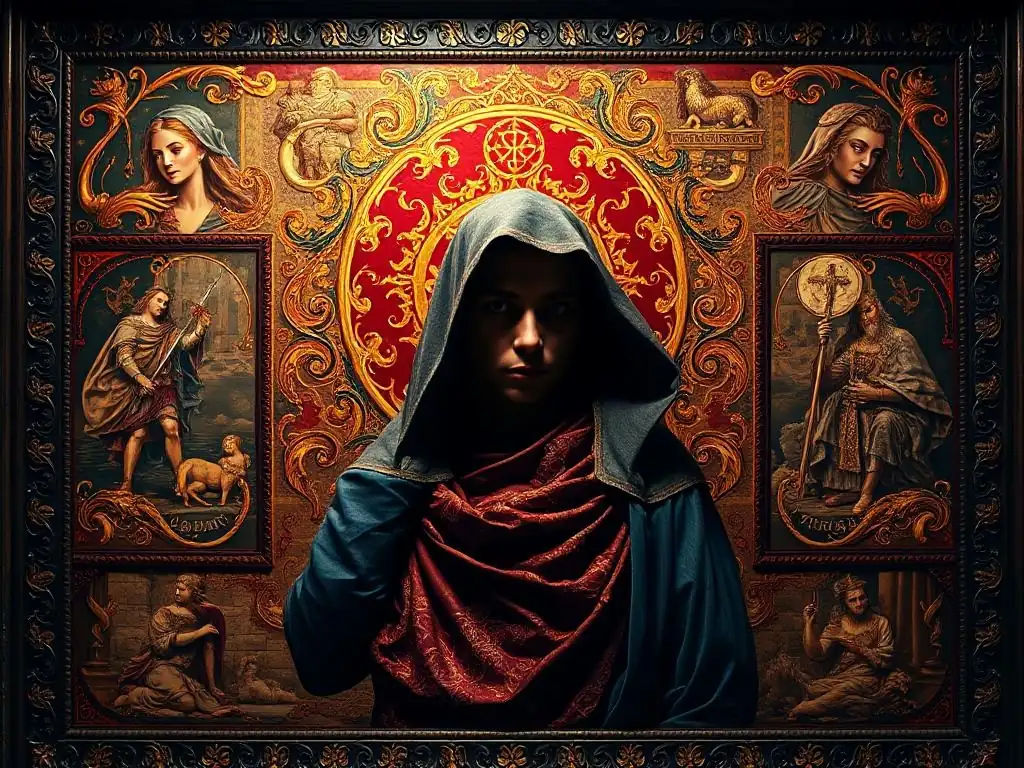
The recurring presence of hidden legendary figure identities across diverse mythologies speaks to their deep symbolic resonance and narrative power. These concealed aspects of heroes and gods serve not merely as plot devices but as carriers of meaning, reflecting cultural values, exploring psychological truths, and commenting on the human condition. The act of hiding and revealing identity is intrinsically linked to themes of perception, judgment, vulnerability, and authenticity.
Symbolically, a hidden identity can represent the potential that lies beneath the surface, the idea that true worth or power is not always immediately apparent. It can also symbolize a period of trial or humility, where a character must operate without the privileges or recognition typically afforded to their true status. Furthermore, the discovery or revelation of a hidden identity often signifies a moment of truth, transformation, or reckoning within the narrative, fundamentally altering the dynamics between characters and advancing the plot towards its climax.
Testing Morality and Loyalty: The Purpose of Disguise
One of the most common symbolic uses of hidden legendary figure identities is to test the morality and loyalty of other characters. By appearing in a humble or powerless guise, a god or hero can observe how individuals behave when they believe they are interacting with someone of lower status or no consequence. As seen with Zeus and Hermes visiting Baucis and Philemon, or Odysseus observing his household, this allows the disguised figure to discern genuine kindness, hospitality, and loyalty from hypocrisy or self-interest.
These tests reveal the true character of those being observed, often leading to rewards for the virtuous and punishment for the wicked. The hidden identity acts as a moral filter, exposing the underlying values of a society or individual. It highlights the idea that true virtue is demonstrated when it is not motivated by the expectation of reward or recognition from a powerful figure, making the test of loyalty under disguise a potent moral commentary within legendary narratives.
Revealing True Character: The Hero's Actions Undercover
Operating under a hidden identity often forces a hero or legendary figure to rely on their fundamental skills, wit, and inner strength rather than their status or renowned power. Stripped of the external markers of their true identity, their actions become a direct reflection of their core character. Odysseus, disguised as a beggar, cannot rely on his kingly authority but must use his cunning and physical prowess to survive and plan his reclaiming of Ithaca.
This period of operating undercover serves to purify the hero's identity, demonstrating that their inherent qualities, such as bravery, intelligence, resilience, and moral fiber, are what truly define them, not their title or reputation. The hidden identity acts as a crucible, forging a deeper understanding of the hero's true self and proving that their legendary status is earned through action and character, even when unrecognized by the world.
Hidden legendary figure identities can also serve as a form of social commentary, reflecting or critiquing societal structures and perceptions. The treatment of a disguised character, particularly one appearing as a beggar or commoner, can expose prejudices, class divisions, and the superficiality with which people are often judged based on appearance or social standing rather than their intrinsic worth.
Stories featuring hidden identities can challenge listeners to look beyond surface appearances and question their own biases. They highlight the potential for greatness or virtue to exist in unexpected places and criticize societies that fail to recognize or value individuals based on their true character. Thus, the motif of the hero in disguise becomes a mirror reflecting societal flaws and advocating for a deeper, more equitable way of evaluating individuals.
The use of hidden legendary figure identities has had a profound and lasting impact on storytelling across cultures and genres. It is a narrative technique that inherently generates suspense, creates opportunities for dramatic irony, and allows for complex character arcs centered around revelation and acceptance. This powerful trope continues to resonate with audiences, influencing modern literature, film, and even the archetypes found in contemporary popular culture.
The element of surprise inherent in a hidden identity reveal is a potent storytelling tool. It can shift the narrative's direction, redefine character relationships, and provide a satisfying payoff for built-up tension. The legacy of these ancient myths is evident in the enduring appeal of characters who lead double lives or whose true nature is initially concealed, demonstrating the timeless effectiveness of this narrative strategy.
The Power of the Reveal: Dramatic Irony and Suspense
The moment a hidden legendary figure identity is revealed is often the climax or a pivotal turning point in a story. This reveal is powerful because it leverages dramatic irony – the audience knows the truth that characters within the story do not. This creates suspense leading up to the reveal, as the audience anticipates the reaction and consequences when the truth comes out. The longer the hidden identity is maintained, the greater the potential impact of the revelation.
Examples like Odysseus revealing himself to the suitors, or a seemingly ordinary person demonstrating extraordinary powers, capitalize on this inherent tension. The power of the reveal lies in its ability to recontextualize everything that came before, forcing other characters (and the audience) to re-evaluate their perceptions and understand the true significance of the disguised figure's actions and presence. It is a moment of truth that shatters illusion and sets the stage for resolution or further conflict.
Inspiring Modern Characters: Echoes of Disguise in Contemporary Fiction
The archetype of the legendary figure with a hidden identity is clearly echoed in countless modern fictional characters, particularly within the superhero genre. The concept of a powerful being or individual living among ordinary people under a mundane guise is a direct descendant of the ancient myths of gods and heroes in disguise. These contemporary characters navigate similar challenges of maintaining secrecy, balancing their dual lives, and dealing with the consequences of their hidden nature.
From Clark Kent concealing Superman's powers behind glasses and a mild-mannered demeanor to Bruce Wayne operating as Batman under the cover of his billionaire playboy persona, the influence of hidden legendary figure identities is undeniable. These modern iterations continue to explore themes of dual identity, the burden of power, and the contrast between public perception and private reality, demonstrating the enduring relevance of this mythological trope in capturing the imagination.
Batman: A Modern Take on Concealed Identity and Heroism
Batman stands as a compelling modern example of a hero operating under a deliberately constructed hidden identity that serves multiple purposes. Bruce Wayne, the public face, is a wealthy socialite, seemingly detached from the city's problems, a persona that allows him to maintain secrecy and avoid suspicion regarding his nighttime activities. Batman, the true operative identity, is a symbol of fear and justice, allowing Bruce to fight crime in a way his civilian identity never could.
This dual identity is not merely a disguise; it is a fundamental aspect of the character, highlighting the sacrifices required for heroism and the psychological toll of leading a double life. Like ancient legendary figures in disguise, Batman uses his hidden identity to gather information, instill fear in enemies, and operate outside the constraints of conventional authority. His story explores the complexities of masking one's true self for a greater purpose, making him a powerful contemporary reflection of the ancient motif of hidden legendary figure identities.
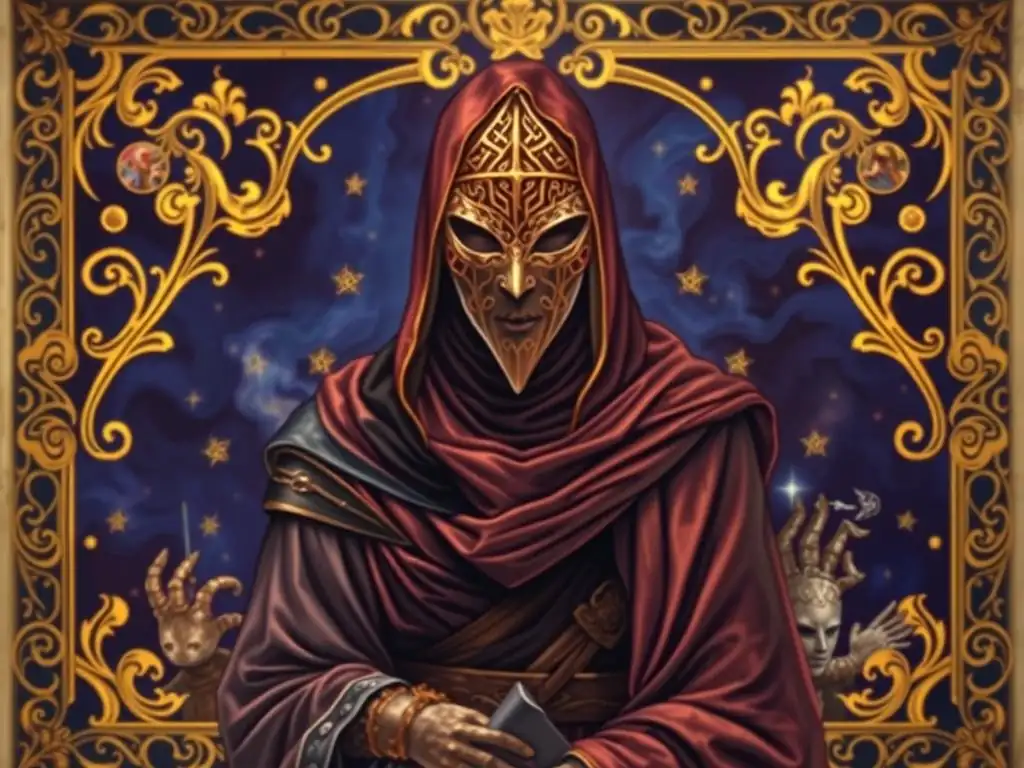
Hidden legendary figure identities manifest in various forms across different myths and stories. These variations offer different narrative possibilities and symbolic meanings, ranging from complete physical transformation to the concealment of lineage or the adoption of false social roles. Understanding these types helps to appreciate the versatility of the hidden identity trope in mythology and folklore.
The specific type of hidden identity employed often relates to the nature of the character and the challenges they face. A god might use total transformation to bypass physical barriers, while a hero might conceal their lineage to escape enemies or prove their worth independently. Each type of disguise adds a unique layer to the narrative, influencing how the character interacts with the world and the nature of the reveal when it eventually occurs.
Complete Transformation: Altering Physical Appearance
Complete transformation involves a legendary figure altering their physical appearance entirely, often taking the form of an animal, another person, or even an inanimate object. This is a common ability among deities, powerful sorcerers, or shapeshifting creatures in mythology. Zeus's transformations into animals or gold are classic examples, allowing him to access places or individuals inaccessible in his divine form.
This type of hidden identity is often used to achieve immediate objectives, such as gaining entry, observing secretly, or escaping danger. It emphasizes the fluidity of form and the supernatural power of the character. The challenge with complete transformation often lies in maintaining the disguise convincingly and reverting to the true form at the appropriate moment, adding elements of risk and control to the narrative.
Concealed Lineage: Hiding Royal or Divine Heritage
Another form of hidden identity involves concealing one's true lineage, particularly if it is royal, divine, or otherwise significant. Heroes raised unaware of their noble birth, or deities walking the Earth disguised as mortals without revealing their parentage, fall into this category. This type of hidden identity often sets up a narrative arc centered on discovery and the character coming into their rightful place or power.
Examples include heroes who grow up in humble circumstances before learning they are the child of a king or a god, such as Perseus, who was raised in obscurity before embarking on his legendary quests. Concealing lineage can protect the individual from enemies who might target them due to their heritage or allow them to develop skills and character traits forged through hardship rather than privilege. The revelation of concealed lineage is a powerful moment of self-discovery and destiny fulfillment.
Legendary figures sometimes adopt hidden identities by assuming false professions or social statuses that are vastly different from their true standing. This could involve a king disguised as a beggar, a god appearing as a humble traveler, or a skilled warrior posing as a common laborer. This type of disguise allows the character to move through different levels of society and interact with people from various backgrounds.
Odysseus's disguise as a beggar upon his return to Ithaca is a prime example, allowing him to observe and test his kingdom from the lowest social rung. This form of hidden identity often serves to highlight social inequalities and test the values of hospitality and respect across different classes. It emphasizes the character's ability to adapt and navigate the world based on cunning and observation rather than inherent authority or power.
The motif of hidden legendary figure identities is a timeless and cross-cultural narrative device that continues to fascinate audiences. From ancient myths to contemporary fiction, the idea of a powerful being or hero operating under a veil of secrecy provides rich ground for exploring themes of perception, reality, truth, and the nature of heroism itself. These stories tap into our innate curiosity about what lies beneath the surface and the potential for the extraordinary to be hidden in plain sight.
Whether for strategic advantage, testing others, or symbolizing internal struggles, the concealed identity adds layers of depth, suspense, and meaning to the legendary figure's journey. It challenges us to look beyond appearances and consider the true character defined by actions and intentions rather than external status or form. The enduring appeal of hidden legendary figure identities confirms their power as a fundamental element of compelling storytelling.
Why We Are Still Fascinated by Legendary Figures in Disguise
Our continued fascination with legendary figures in disguise stems from several deep-seated psychological and narrative reasons. Firstly, it plays into our love for mystery and the dramatic reveal. The suspense of knowing a character's true identity while others do not is inherently engaging. Secondly, it allows for wish fulfillment – the idea that someone extraordinary might be living among us, or that we ourselves might possess hidden potential waiting to be revealed.
Furthermore, these stories often explore universal themes: the contrast between appearance and reality, the test of character under pressure, and the journey of self-discovery. They remind us that judgment based solely on external factors can be misleading and that true worth is often found in unexpected places. The archetype of the hidden legendary figure identities resonates because it speaks to our own experiences of presenting different facets of ourselves to the world and the hope that our true selves will be recognized and valued.
Frequently Asked Questions
Disguise was a common trope in mythology. Many heroes and gods adopted hidden identities to test mortals, evade enemies, or influence events covertly.
Why would a legendary figure choose to conceal their true identity?
Figures might hide their identities to avoid unwanted attention, complete a mission without interference, or to assess the worthiness of others before revealing their true form.
Examples include Odin disguising himself as a wanderer, Zeus appearing in various animal forms, and heroes like King Arthur adopting the guise of a humble knight to learn about his kingdom.
Hidden identities often introduced elements of surprise and deception, leading to plot twists, moral lessons about judging appearances, and the ultimate revelation of the character's true power.
It suggests a societal fascination with secrets, transformations, and the power of perception. It also highlights a belief that appearances can be deceiving and that true worth lies beneath the surface.
Final Reflection: Unveiling the Masks of Legend
The exploration of hidden identities within legendary narratives remains profoundly relevant today, reminding us that heroism often flourishes in unexpected places and that truth is rarely as simple as it initially appears. The stories we tell, and the heroes we celebrate, shape our understanding of ourselves and the world around us. Understanding the complexities behind these seemingly straightforward narratives allows us to appreciate the nuances of human experience and the enduring power of myth.
The impact of uncovering these hidden identities extends far beyond the pages of history books; it challenges our preconceived notions and forces us to reconsider the very nature of heroism. These hidden layers, often deliberately obscured or forgotten over time, speak to the human tendency to create and perpetuate narratives that serve a specific purpose, whether political, social, or religious. The truth is rarely pure and never simple,
as Oscar Wilde so eloquently put it. This sentiment perfectly encapsulates the complexities we've explored, highlighting the multifaceted nature of legendary figures and the stories surrounding them.
Consider the implications of these revelations in your own life. How do the "hidden identities" of individuals – both historical and contemporary – shape your perceptions and understanding of the world? Are you willing to look beyond the surface narratives and seek out the deeper truths that lie beneath? Challenge yourself to question the stories you've been told, to seek out alternative perspectives, and to appreciate the multifaceted nature of heroism and legend. The journey towards understanding is a continuous one, and the unveiling of hidden identities is a crucial step in that process.
Unmask Your Inner Mythmaker!
Thanks for diving into the fascinating world of hidden identities with us! We hope you discovered some surprising truths about legendary figures and their secret lives. Now it's your turn to explore further!
- Craft your own legendary persona: Think about a hidden talent or secret passion you possess. Develop a brief backstory and imagine how you might use this "disguise" in your daily life. This is your chance to embrace the narrative!
- Share your favorite hidden identity reveal: Which legendary figure's secret captivated you the most? Tell us in the comments below—let's spark a discussion!
- Explore the mythology and legends of other cultures: Consider researching the hidden stories from a different part of the world. Expand your knowledge and discover new narratives.
What hidden aspect of yourself are you ready to unveil to the world—or at least to the Mythology and Legends community?