
The Hero's Shadow: Comparing Villains and Their Heroic Counterparts.

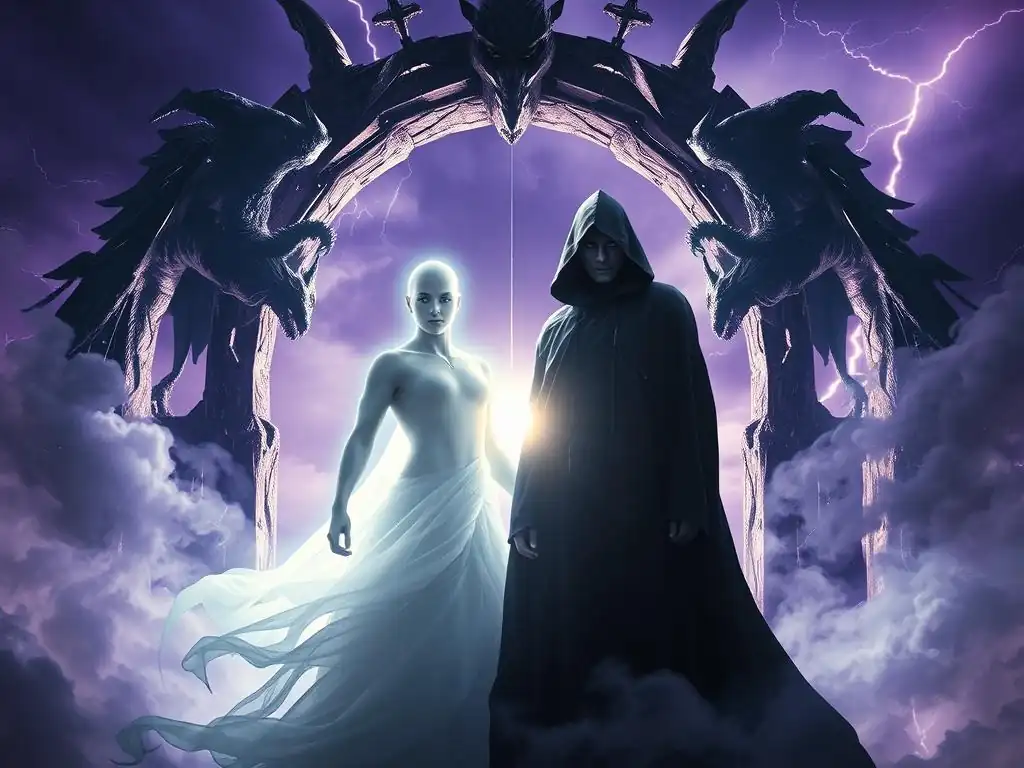
Welcome to Mythology and Legends, where we delve into the captivating tales that have shaped civilizations! Ever wondered if the line between hero and villain is thinner than we think? Prepare to have your perceptions challenged as we embark on a journey into the shadows, beginning with a compelling villainous heroes comparative analysis. Discover the surprising similarities and crucial differences that define these complex figures and unlock a deeper understanding of their enduring power. Are you ready to question everything you thought you knew about good and evil? Let's begin...
The Anti-Hero vs. the Villainous Hero: Dissecting the Nuances
While often conflated in popular discourse, the anti-hero and the villainous hero represent distinct archetypes within narrative structures, particularly in mythology and folklore. The anti-hero is a character who lacks conventional heroic attributes like idealism, morality, and selflessness. They may be cynical, morally ambiguous, or driven by self-interest, yet their actions ultimately serve a purpose traditionally associated with heroism, such as defeating a greater evil or protecting the innocent, albeit through unconventional or questionable means.
Consider figures like the trickster god Loki in some Norse myths (before later, more villainous portrayals) or many protagonists in modern dark fantasy – they operate outside the established moral code but are not inherently antagonists to the core values the narrative might uphold. Their journey isn't typically one of falling from grace, but rather existing in a gray area from the outset, challenging the audience's perception of what constitutes heroism.
In sharp contrast, the villainous hero is a character who begins their narrative journey possessing heroic qualities or the potential for heroism, only to undergo a transformation or descent into villainy. This archetype is defined by a clear transition from a position of good, or intended good, to actively committing acts of malevolence or becoming an antagonist. The key element is the fall – a corruption of their initial heroic nature, often driven by tragic flaws like hubris, fear, or unchecked ambition.
A villainous heroes comparative analysis highlights this critical difference: the anti-hero operates outside the traditional heroic path from the start, while the villainous hero deviates from it, becoming the very thing they might have once fought against. This distinction is vital for understanding the complex moral landscapes explored in many enduring myths and legends.
- How does "Mythology and Legends" define a villainous hero in the context of comparative analysis?
- What cultural narratives are typically explored when doing a villainous heroes comparative analysis?
- What impact does the study of villainous heroes have on our understanding of contemporary society?
- What are some examples of villainous heroes that are frequently compared in the "Mythology and Legends" articles?
- How does "Mythology and Legends" approach the comparative analysis of villainous heroes?
Frequently Asked Questions
How does "Mythology and Legends" define a villainous hero in the context of comparative analysis?
A villainous hero, for our analysis, is a character who possesses traits traditionally associated with villains but whose actions ultimately align with a heroic goal. This often involves morally questionable methods.
What cultural narratives are typically explored when doing a villainous heroes comparative analysis?
We examine a wide range of cultures, from Greco-Roman mythology to Norse sagas and Eastern folklore. This allows for a broader understanding of archetypes and their variations.
What impact does the study of villainous heroes have on our understanding of contemporary society?
Understanding these complex characters helps us analyze moral ambiguity in contemporary narratives. It also allows us to examine how societal values influence the portrayal of heroes and villains.
What are some examples of villainous heroes that are frequently compared in the "Mythology and Legends" articles?
Common examples include characters like Achilles, known for his rage, or Oedipus, whose actions are driven by fate. We also look at figures from folklore like Robin Hood, whose methods are often illegal.
How does "Mythology and Legends" approach the comparative analysis of villainous heroes?
Our approach involves identifying shared traits, contrasting their motivations, and analyzing their cultural context. We focus on the impact of their choices and their ultimate contribution to the narrative's resolution.
Final Reflection: Embracing the Gray – The Enduring Power of the Villain
The exploration of villainous motivations and their surprising parallels to heroic narratives remains critically relevant today. We live in a world increasingly nuanced, where clear-cut distinctions between "good" and "evil" often blur. Understanding the complexities of character, even in the most antagonistic figures, allows us to better comprehend the human condition and the motivations driving both our triumphs and our failures.
The enduring fascination with villains, as explored throughout this comparative analysis, speaks volumes about our own internal struggles. We are drawn to their compelling flaws, their relatable vulnerabilities, and the often-justifiable reasons behind their actions. As the philosopher Friedrich Nietzsche famously stated, Without music, life would be a mistake.
Similarly, without the compelling darkness of villains, the heroism of their counterparts would lack depth and meaning. Their existence forces us to confront uncomfortable truths about ourselves and the societies we build.
Consider the villains you've encountered throughout this article, and reflect on their impact. What aspects of their character resonated with you? What can we learn from their mistakes, their triumphs, and the ultimately human motivations that drive them? I urge you to continue this exploration beyond these pages. Look for the "hero's shadow" in the narratives you consume, in the people you encounter, and even within yourself. By embracing the complexity of both heroism and villainy, we can gain a richer understanding of ourselves and the world around us.
Unleash Your Inner Hero: Explore the Dynamics of Good and Evil
Thanks for diving into the fascinating world of heroes and villains! We hope you gained a new appreciation for the complex interplay between light and shadow. Ready to take your understanding further?
- Craft your own villain: Think about a hero you admire, and then imagine their opposite—their shadow self. What drives them? What are their motivations? Write a short character sketch to bring your villain to life!
- Share your thoughts: Discuss your favorite villain-hero pairings in the comments below. Do you think every hero needs a villain, and vice-versa?
- Explore the MythologyAndLegends.org archives: Delve deeper into our vast collection of articles on mythology and legends to discover more captivating stories of heroes and their nemesis!
What compelling villain-hero dynamic are you inspired to create today?