
Dying to Live: The Paradox of Heroic Rebirth

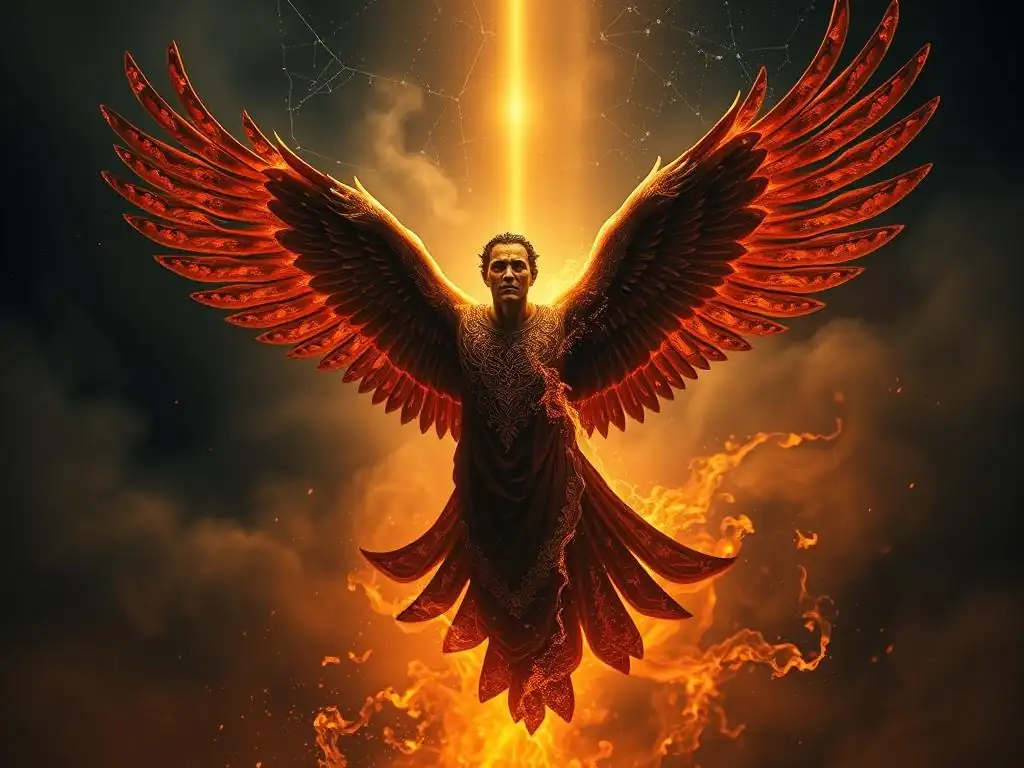
Dive into the enigmatic world of Mythology and Legends, where ancient tales whisper secrets of human nature. Are you ready to unravel the profound symbolism behind Heroic Rebirth Myths? Journey with us as we explore the paradox of dying to live, and discover how these age-old narratives continue to shape our understanding of life, death, and everything in between. Prepare to be reborn into a world of wonder...
- Introduction to Rebirth Myths and their Symbolism
-
Frequently Asked Questions
- What is the central theme explored in "Dying to Live: The Paradox of Heroic Rebirth"?
- How does the article connect "Heroic Rebirth Myths Symbolism" to contemporary society?
- What are some examples of cultural narratives that feature the "Heroic Rebirth Myths Symbolism"?
- Why is the concept of "dying" important in understanding "Heroic Rebirth Myths Symbolism"?
- What does the article likely suggest about the deeper meaning behind "Heroic Rebirth Myths Symbolism"?
- Final Reflection: Embracing the Ashes, Forging a New Dawn
- Unlock Your Inner Hero: Embark on a Journey of Transformation
Introduction to Rebirth Myths and their Symbolism
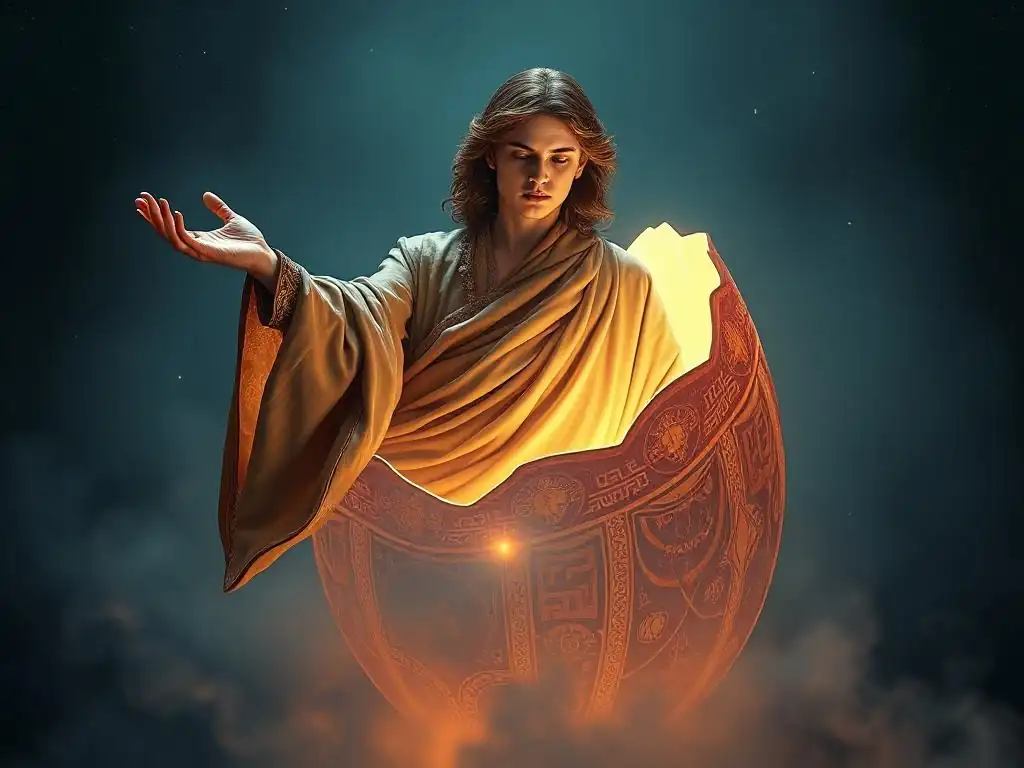
Exploring the Core Concept of Rebirth in Mythology
The concept of rebirth is a fundamental and pervasive theme found in mythological narratives across the globe. At its heart, rebirth in mythology signifies a profound transformation, often involving a symbolic death or descent followed by a return to life in a new, elevated state.
This isn't necessarily a literal resuscitation from physical death, though it can be, but rather a metaphorical shedding of an old self or existence to embrace a new one. It speaks to the inherent human understanding of cycles – the natural world's rhythm of decay and growth, day and night, seasons changing from barren winter to vibrant spring.
Heroic rebirth myths symbolism encapsulates this journey, where a protagonist undergoes trials that break them down, only for them to emerge stronger, wiser, and fundamentally altered, often with a new purpose or power. This process is central to the hero's journey archetype, representing a crucial stage of initiation and transcendence.
This transformative cycle is not merely about survival but about qualitative change. The hero or figure who experiences this mythological rebirth is rarely the same person who entered the ordeal. They have gained knowledge, overcome inner demons, or integrated aspects of themselves previously unknown or feared. Consider the legend of the Phoenix, a creature that immolates itself in flames after a long life, only to rise anew from its own ashes.
This vivid image perfectly embodies the idea of destruction preceding creation, of death being an essential precursor to renewal. The heroic rebirth myths symbolism associated with such narratives provides cultural blueprints for understanding personal growth, resilience, and the potential for radical change even in the face of utter devastation. It is a powerful narrative tool that resonates deeply with the human experience of overcoming adversity and starting anew.
Cultural Significance of Rebirth Narratives
Rebirth narratives hold immense cultural significance, serving various roles from explaining natural phenomena to providing moral guidance and shaping societal values. These stories are not mere entertainment; they are often deeply intertwined with religious beliefs, seasonal rituals, and rites of passage. Many ancient cultures structured their understanding of the cosmos and human life around cycles of death and renewal, mirroring the agricultural seasons or the celestial movements.
For instance, agricultural societies often had myths involving the death and rebirth of a deity responsible for vegetation, reflecting the annual cycle of planting, harvest, and winter dormancy. The Eleusinian Mysteries in ancient Greece, centered around the myth of Persephone's descent to the underworld and her return, were significant religious rites promising initiates hope for an afterlife and understanding of life's cyclical nature.
The symbolism embedded within heroic rebirth myths symbolism provides a framework for individuals and communities to understand and cope with change, loss, and transition. Rites of passage, such as puberty rituals or initiations into secret societies, often symbolically enact a form of death and rebirth, separating the individual from their old status and integrating them into a new one. These rituals frequently involve symbolic isolation, trials, and a return to the community with a new identity and responsibilities.
Such narratives reinforce cultural values related to perseverance, sacrifice, and the potential for redemption or transformation. They offer hope that even after periods of suffering or decline, renewal is possible, providing a powerful, unifying theme that transcends geographical and temporal boundaries.
Frequently Asked Questions
What is the central theme explored in "Dying to Live: The Paradox of Heroic Rebirth"?
The article explores the common motif of heroes undergoing a symbolic death and resurrection or rebirth in myths and legends worldwide. It focuses on the paradoxical nature of this cycle.
How does the article connect "Heroic Rebirth Myths Symbolism" to contemporary society?
The article examines how the underlying themes of transformation, sacrifice, and renewal found in these myths continue to resonate in modern literature, film, and even personal development narratives.
What are some examples of cultural narratives that feature the "Heroic Rebirth Myths Symbolism"?
While the article likely details examples, generally, narratives like the Egyptian myth of Osiris, the Greek myth of Persephone, and various shamanic initiation rituals often exemplify this pattern.
Why is the concept of "dying" important in understanding "Heroic Rebirth Myths Symbolism"?
The "death" is symbolic, representing the shedding of an old self or way of being. It's a necessary precursor to the hero's transformation and subsequent rebirth as a more powerful or enlightened figure.
What does the article likely suggest about the deeper meaning behind "Heroic Rebirth Myths Symbolism"?
It likely suggests that these myths tap into a universal human desire for growth, change, and overcoming adversity. They offer a framework for understanding personal struggles and the potential for renewal.
Final Reflection: Embracing the Ashes, Forging a New Dawn
The enduring power of heroic rebirth myths speaks directly to our contemporary anxieties. We live in a world grappling with constant change, facing challenges that feel overwhelming, and yearning for transformation. These ancient narratives, far from being relics of the past, offer a potent framework for understanding our own struggles and finding the strength to rise again.
The cyclical nature of death and rebirth, so prevalent in these myths, mirrors the constant process of letting go and renewal inherent in the human experience. We are all, in a sense, undergoing a continuous process of dying to the old and being reborn into something new. This constant cycle of transformation is not merely a metaphor; it's a lived reality. The cave you fear to enter holds the treasure you seek.
This quote encapsulates the essence of the heroic journey, highlighting the necessity of confronting our inner demons to achieve true growth and self-discovery. The myths remind us that the path to rebirth is often paved with hardship, but the rewards are immeasurable.
Consider the lessons of these ancient stories. What aspects of your own life are you ready to "die" to? What limiting beliefs or outdated patterns are preventing you from reaching your full potential? This is your call to action. Embrace the discomfort of transformation, confront your fears, and allow yourself to be reborn into a stronger, more authentic version of yourself. The journey may be challenging, but the promise of a new dawn, a heroic rebirth of your own, awaits.
Unlock Your Inner Hero: Embark on a Journey of Transformation
Thanks for exploring the powerful paradox of heroic rebirth! We hope you gained a new perspective on facing challenges and finding strength within. Now it's time to turn those insights into action.
- Embrace your own "death" and rebirth: Identify one area of your life needing transformation. What old habits or beliefs are holding you back? Start small, focusing on one specific change you can make this week.
- Share your story: Inspire others by sharing your journey on social media, using #HeroicRebirth. Connecting with others on this path is incredibly powerful.
- Explore further: Dive deeper into the myths and legends that inspired this article. Research different cultural narratives about rebirth and renewal—you might be surprised by what you discover!
What personal "monster" are you ready to conquer and rise above? Let's discuss in the comments below!