Uncanny Encounters: The Psychology of the Supernatural in Myth
✨ Dive into the fascinating world of psychology supernatural myth stories, exploring how uncanny encounters shape our understanding of myths and legends…
Read article
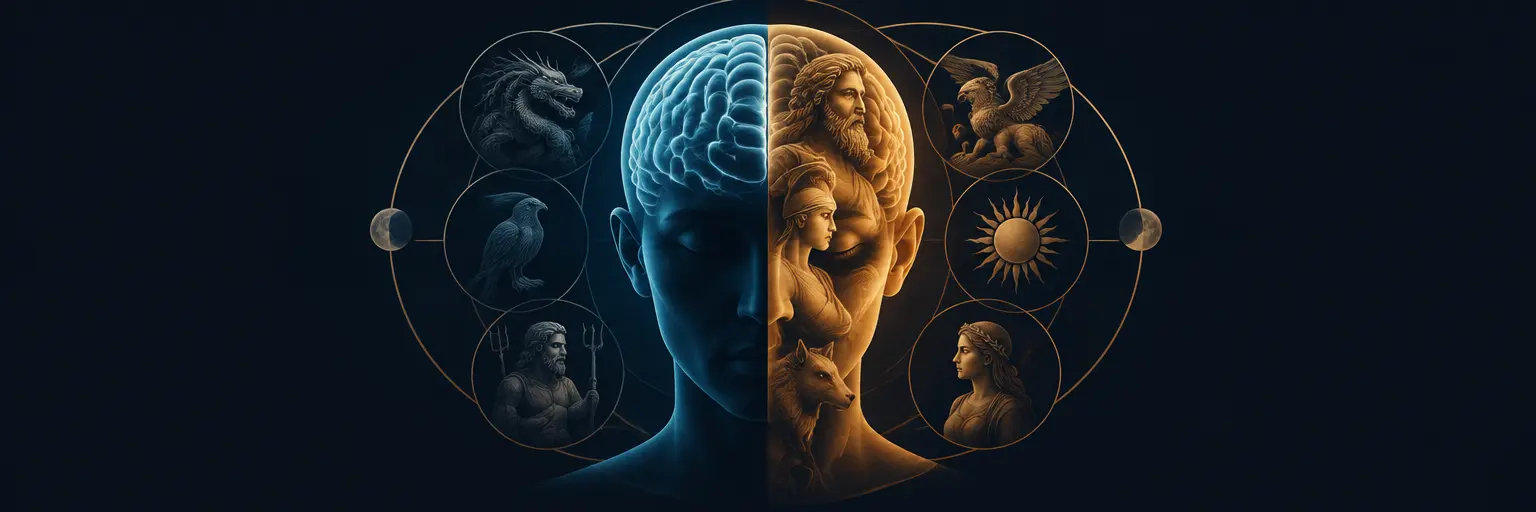
Delve into the fascinating intersection of ancient storytelling and the human mind with our exploration of Myth and Psychology. Here, we uncover how timeless tales serve as powerful mirrors to our subconscious, revealing universal archetypes, hidden fears, and collective desires. From Jungian archetypes like the Hero and the Shadow to Freudian interpretations of dream-like symbolism, we analyze how myths function as cultural blueprints for psychological growth and healing. Discover the therapeutic power of ancient narratives, understand the symbolic language of gods and monsters, and see how these age-old stories still shape our modern identity, emotional struggles, and personal development. Unlock the mind through myth and find meaning in the stories that have always defined humanity.

✨ Dive into the fascinating world of psychology supernatural myth stories, exploring how uncanny encounters shape our understanding of myths and legends…
Read article
🌟 Discover how mythic stories explore the timeless conflict of Fate vs. free will, revealing insights into human nature and cultural beliefs,…
Read article
🧠 Explore how the Trickster archetype psychological meaning reveals profound insights into human nature, as mythic tricksters and fools challenge norms, embodying…
Read articleWelcome to the Myth and Psychology subcategory, a fascinating corner of our Comparative Mythology library. Here, we delve into the profound ways ancient stories mirror the human mind, shaping both our personal identities and collective cultural narratives. By examining archetypes, dreams, and symbolic motifs through psychological lenses, you’ll discover how myths serve as timeless maps for navigating life’s complexities—from hero’s journeys to shadow work. This section is crafted for students, writers, therapists, and curious minds seeking deeper meaning behind the tales that define us.
Dive into Carl Jung’s groundbreaking theory that universal character patterns—like the Hero, the Shadow, the Anima, and the Wise Old Man—recur across global mythologies. We break down how these archetypes act as psychological blueprints, influencing everything from ancient epics to modern blockbusters. You’ll explore case studies comparing Greek gods, Norse figures, and Hindu deities to see how each embodies core human drives, fears, and aspirations. Expect actionable insights into using archetypes for creative writing, self-reflection, and understanding why certain stories resonate universally across cultures and centuries.
Uncover the symbolic language of dreams and how myths encode the same imagery that surfaces in our sleep. From flying serpents to labyrinthine caves, we analyze how mythic symbols act as keys to the unconscious, revealing suppressed emotions and unresolved conflicts. This section draws on Freudian dream analysis, Jungian amplification, and cross-cultural parallels, such as the recurring motif of the underworld journey. By studying these connections, you’ll learn to interpret personal dreams through a mythic lens, gaining practical tools for journaling, therapy, and creative problem-solving that harness your mind’s ancient storytelling machinery.
Joseph Campbell’s monomyth isn’t just a plot structure—it’s a roadmap for human development. Here, we dissect each stage of the Hero’s Journey (departure, initiation, return) and map it onto psychological milestones like identity formation, resilience, and ego death. You’ll see how mythic quests mirror our own life transitions, from leaving home to facing trials and integrating newfound wisdom. Real-world applications include career changes, recovery from trauma, and spiritual awakening. Through mythic comparisons—from Odysseus to Buddha—we illustrate how recognizing your personal “call to adventure” can transform modern anxiety into purposeful action.
How do cultures use stories to process collective and personal suffering? This section explores the psychological function of myths in making meaning out of chaos. We examine catastrophe narratives, such as flood myths and apocalypse tales, and their role in communal healing. Psychologically, myths offer a safe symbolic space to confront fears of death, loss, and the unknown. You’ll find analyses of rituals, mourning practices, and redemption arcs across traditions—like the Greek Persephone cycle or Japanese kintsugi philosophy. Practical takeaways include using mythic reframing in therapy, grief support, and personal storytelling to build resilience and post-traumatic growth.
In our digital age, myths are reborn through media, brand storytelling, and social identities. This section investigates how psychological principles of belonging and self-concept are shaped by mythic narratives. From national origin stories to superhero franchises, we explore how people adopt mythic roles to forge identities—whether as rebels, saviors, or seekers. You’ll learn about the rise of “personal mythology” in self-help culture and how collective myths influence political and social movements. By understanding these dynamics, you can critically evaluate media, craft more authentic personal narratives, and appreciate how ancient patterns still guide modern decisions about values, career, and community.
Myth is a cultural narrative that encodes shared values and existential questions, while psychology is a scientific discipline studying individual and group behavior. However, they intersect deeply: myths often serve as externalized projections of psychological processes, and many psychologists use mythic themes to illustrate theories of personality, development, and unconscious drives.
Archetypes are a theoretical framework, not empirically testable in a laboratory sense. However, cross-cultural studies show recurring motifs and character types across isolated societies, suggesting a biological or cognitive basis. Some researchers use neuroscience and anthropology to support the idea that archetypes reflect evolved mental structures, but they remain a useful interpretive lens rather than hard science.
Yes, many therapeutic approaches, such as Jungian analysis, narrative therapy, and psychodrama, incorporate mythic narratives. Therapists help clients reframe personal struggles as mythic journeys, fostering empowerment and meaning. Pop psychology also uses hero’s journey templates to guide coaching, leadership training, and personal development programs.
Myths tap into universal emotional triggers—fear, love, loss, triumph—while offering symbolic resolutions that mirror our brain’s reward pathways. They activate mirror neurons and emotional memory, making abstract lessons visceral. Additionally, myths provide a sense of order and purpose, reducing existential anxiety, which explains their enduring emotional resonance across generations.
Start by identifying recurring themes in your dreams or favorite stories—what heroes, monsters, or symbols draw you? Reflect on how these mirror your current challenges or desires. Use journals to frame personal setbacks as “trials” in your hero’s journey, and seek wisdom from myths of cultures you admire. This practice builds self-awareness, resilience, and a richer sense of meaning.