
Mystical Herbs and Roots: Plant Medicine in Voodoo


Welcome, seeker of ancient wisdom!
Delve into the captivating world of Mythology and Legends, where we unravel the threads of folklore that connect us all. Ever wondered about the potent secrets held within the natural world, whispered through generations in hushed tones? Our exploration of Voodoo plant medicine rituals begins now, revealing the profound spiritual connection between herbs, roots, and the mystical practices of the African and Caribbean diaspora. Prepare to journey beyond the veil and discover the hidden power within...
- Introduction to Voodoo Plant Medicine and Rituals
- Key Herbs and Roots Used in Voodoo Plant Medicine
- Voodoo Plant Medicine Rituals: A Deeper Dive
- The Ethical Considerations of Using Voodoo Plant Medicine
- The Connection Between Voodoo Plant Medicine and Loa
- The Enduring Legacy of Voodoo Plant Medicine
- Conclusion: Embracing the Wisdom of Voodoo Herbalism
- Frequently Asked Questions
- Final Reflection: The Enduring Power of Plant-Based Spirituality
- Unlock the Secrets of Voodoo's Herbal Lore
Introduction to Voodoo Plant Medicine and Rituals
The Significance of Plants in Voodoo Spirituality
Plants hold a profound and central role within the spiritual framework of Voodoo, far exceeding their mere botanical properties. They are seen as living entities imbued with ashe, the divine life force that permeates all creation. In Voodoo, plants are not just ingredients for remedies or rituals; they are intermediaries between the physical world and the spiritual realm, carrying the energy and blessings of the Loa (spirits) and ancestors.
This deep reverence is reflected in the extensive knowledge passed down through generations of houngans (priests) and mambos (priestesses) regarding the specific spiritual and medicinal properties of various flora. Approximately 80-90% of traditional Voodoo rituals are estimated to involve some form of plant material, highlighting their indispensable nature in practice.
Beyond their energetic properties, plants are also symbolic vessels within Voodoo cosmology. Each plant may be associated with specific Loa, representing their attributes, colors, or preferred energies. For example, certain leafy greens are linked to Ezili Dantor, a protective mother figure, while strong-scented roots might be connected to warrior Loa like Ogun.
This intricate system of correspondences allows practitioners to select plants not just for their perceived physical effects but for their spiritual resonance, ensuring that rituals align with the intended purpose and the specific spirits being invoked. The gathering of these plants is often a ritualistic act in itself, performed with respect and intention, acknowledging the plant's spirit and its contribution to the Voodoo plant medicine rituals.
Understanding the Role of Rituals in Voodoo Healing
Rituals are the cornerstone of Voodoo healing practices, providing the structure and energetic container through which the power of plants and spirits is channeled. These rituals are not haphazard ceremonies but carefully orchestrated sequences of actions, prayers, songs, and offerings designed to address specific physical, emotional, or spiritual ailments.
The effectiveness of Voodoo plant medicine rituals lies in the practitioner's ability to combine the inherent ashe of the plants with the focused intention and energy generated during the ritual, often guided by the presence or influence of the Loa. A typical healing ritual might involve preparing herbal baths, creating poultices, administering teas, or using plant materials in symbolic actions to cleanse, protect, or restore balance to an individual.
The ritual process serves multiple functions simultaneously. It prepares the patient and the space, invokes the necessary spiritual forces, activates the medicinal and spiritual properties of the plants, and directs the healing energy towards the target. For instance, a cleansing ritual using herbs like basil or vervain might involve a specific bathing technique performed at a particular time of day, accompanied by prayers to Loa associated with purification, like Agwé or La Sirene.
The ritual transforms simple plant preparation into a potent act of spiritual intervention, making the Voodoo plant medicine rituals a holistic approach that addresses the interconnectedness of body, mind, and spirit. The success is often attributed not solely to the plant's biochemistry but to the combined power of the plant, the spirit, and the faith and intention of the practitioner and patient.
Key Herbs and Roots Used in Voodoo Plant Medicine
Exploring the Power of Vervain in Voodoo
Vervain's Properties and Traditional Uses
Vervain (Verbena officinalis or similar species used in the Caribbean) is a highly esteemed plant in Voodoo plant medicine, known for its versatile properties. Traditionally, it has been used for a wide range of ailments, from digestive issues and headaches to nervous tension and sleep disturbances. Its medicinal applications are rooted in its natural compounds, which are believed to have anti-inflammatory, antispasmodic, and calming effects.
Historically, various cultures, including those that contributed to Voodoo's development, recognized vervain's therapeutic value. In parts of the Caribbean where Voodoo is practiced, vervain is often prepared as a tea or infusion to soothe the nerves or aid in recovery from illness, reflecting a long history of empirical observation regarding its physical benefits.
Beyond its physical uses, vervain holds significant spiritual weight. It is widely regarded as a powerful protective herb, capable of warding off negative energy, evil spirits, and misfortune. Its presence is thought to create a barrier against spiritual intrusion.
Practitioners often carry a small sachet of dried vervain or place it in key locations within a home or sacred space for continuous spiritual defense. The plant's perceived ability to calm the mind also links it to uses in rituals aimed at promoting peace, clarity, or facilitating communication with the spiritual realm, making it a staple in many Voodoo plant medicine rituals focused on both physical and spiritual well-being.
Ritual Applications of Vervain in Voodoo Practices
In Voodoo rituals, vervain is frequently incorporated into baths, washes, and floor sweeps intended for spiritual cleansing. A common Voodoo plant medicine ritual involves steeping vervain leaves in water, sometimes with other herbs like basil or hyssop, and using this infusion as a ritual bath to remove hexes, negative influences, or general spiritual 'dirt'. This is particularly common before important ceremonies or during periods of perceived spiritual attack. The act of bathing with the herbal infusion is symbolic of washing away impurities from the aura and spiritual body.
Vervain is also used in protective charms and amulets. Dried vervain can be sewn into small cloth bags (gris-gris) along with other protective items like graveyard dirt (ethically sourced, often symbolic) or specific stones. These gris-gris are carried for personal protection or placed in strategic locations, such as doorways or windowsills, to safeguard a home. The inclusion of vervain in these Voodoo plant medicine rituals is based on the belief that its inherent spiritual energy actively repels harmful forces, creating a shield of positive energy around the person or property it protects.
The Mystical Properties of Vetiver in Voodoo
Vetiver's Connection to Loa and Ancestors
Vetiver (Vetiveria zizanioides), a fragrant grass with deep, complex root systems, possesses profound mystical significance in Voodoo, particularly concerning its connection to the ancestors and certain Loa. Its roots, which grow downwards and intertwine extensively, are symbolically linked to the ancestral realm and the grounding energy of the earth.
Vetiver is often associated with Loa who represent stability, the earth, or the passage between worlds, such as Papa Legba (though more commonly associated with doorways, vetiver's roots symbolize the path) or the Gede family (spirits of the dead). Using vetiver in Voodoo plant medicine rituals is often intended to honor ancestors, seek their guidance, or facilitate communication with the spirit world, leveraging the plant's deep roots as a metaphor for deep spiritual connection.
The rich, earthy scent of vetiver is also believed to be appealing to certain spirits, making it a common offering or ingredient in preparations used to invite their presence. In some traditions, specific preparations involving vetiver root are used to create a spiritual 'doorway' or connection point to the ancestral plane during ceremonies. This use underscores vetiver's role as a spiritual anchor, linking the living to the departed and ensuring the continuity of spiritual lineage within Voodoo practice.
Using Vetiver for Protection and Cleansing
Vetiver is highly valued for its protective and cleansing properties in Voodoo plant medicine rituals. The dense, fibrous nature of its roots is seen as a physical and spiritual barrier, capable of absorbing and neutralizing negative energy. It is frequently used in floor washes and baths aimed at clearing spaces or individuals of stagnant or harmful spiritual influences. A common practice involves boiling vetiver roots and using the cooled liquid to wash down floors, especially in areas where rituals take place or where negative energy is suspected.
For personal protection, vetiver roots can be carried on the person or hung in bundles near entrances to ward off undesirable entities or intentions. The strong, earthy aroma is believed to be repellent to negative forces while simultaneously attracting positive, grounding energies. Incorporating vetiver into Voodoo plant medicine rituals centered on protection creates a potent energetic shield, drawing on the plant's inherent strength and its deep connection to the stable, protective forces of the earth and ancestors.
The Sacred Role of Ginger in Voodoo Healing Traditions
The Healing and Spiritual Attributes of Ginger
Ginger (Zingiber officinale) is a vital ingredient in Voodoo plant medicine, prized for its potent healing and spiritual attributes. Medicinally, ginger is renowned for its anti-inflammatory, digestive, and warming properties. It is used to treat a wide range of physical ailments, including colds, flu, digestive upset, and pain. The warming sensation ginger provides is often interpreted spiritually as its ability to stimulate energy flow and vitality, making it useful in remedies for lethargy or spiritual sluggishness. Its pungent aroma is also believed to have an invigorating effect on both the body and spirit.
Spiritually, ginger is associated with fire, passion, courage, and driving away negativity. Its spicy nature is seen as a powerful force for purification and activation. It is often used in rituals aimed at boosting personal power, increasing motivation, or overcoming obstacles. Ginger's ability to 'heat things up' is leveraged in Voodoo plant medicine rituals to add intensity and speed to intentions, whether for healing, protection, or drawing in desired energies. It is considered a general energizer for both physical remedies and spiritual workings.
Preparing and Using Ginger in Voodoo Remedies
Ginger is prepared in numerous ways within Voodoo healing traditions. For physical ailments, it is commonly steeped to make teas or infusions, often combined with other herbs like mint or honey for flavor and additional properties. A strong ginger tea is a classic remedy for colds or to aid digestion. Ginger can also be used in poultices or compresses, particularly for pain relief or to draw out infection, by grating the fresh root and applying it topically, sometimes mixed with a carrier like oil or flour.
In Voodoo plant medicine rituals, ginger is incorporated into baths, washes, and powders. Adding grated or sliced ginger to a ritual bath is believed to provide energetic cleansing and boost personal power and courage. It can also be dried and powdered to be included in gris-gris or sprinkled in areas requiring energetic clearing or protection. The versatility of ginger in both medicinal and spiritual applications makes it an indispensable element in the Voodoo practitioner's repertoire, demonstrating its sacred role in holistic healing.
Voodoo Plant Medicine Rituals: A Deeper Dive
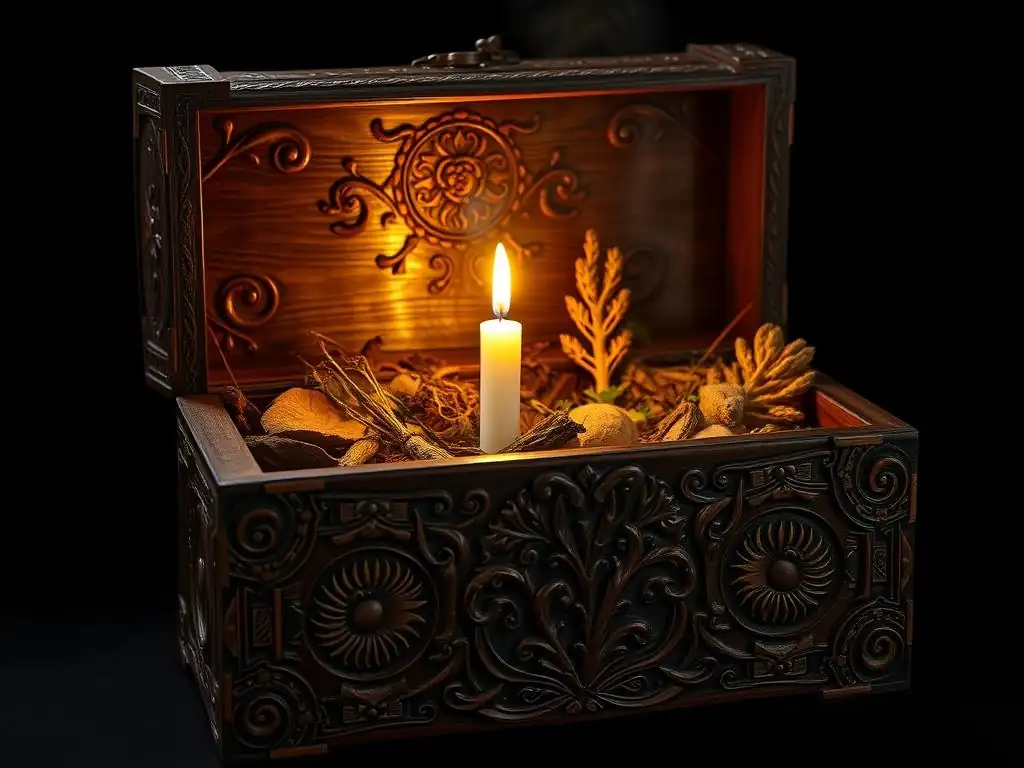
Cleansing Rituals with Sacred Herbs
The Process of Spiritual Cleansing Using Plants
Spiritual cleansing is a fundamental aspect of Voodoo plant medicine rituals, aimed at removing negative energy, spiritual attachments, hexes, or general energetic stagnation that can manifest as illness, misfortune, or emotional distress. The process typically involves using specific plant preparations, most commonly in the form of ritual baths or washes.
The practitioner selects herbs based on their known cleansing properties and their association with purifying Loa. The ritual begins with preparing the herbal infusion, often by boiling or steeping fresh or dried plants in water, sometimes adding other ingredients like Florida Water (a cologne used in spiritual practices), salt, or specific stones.
The cleansing ritual itself is a deliberate act performed with focused intention and prayer. The individual being cleansed might bathe with the infusion, pouring it over their body from head to toe, or the practitioner might administer the wash using specific gestures and incantations. The process is symbolic of washing away spiritual impurities, much like physical dirt is removed from the body.
Some rituals specify the number of times the wash should be performed (often in odd numbers like 3, 7, or 9) or the direction in which the water should be poured. After the bath, the herbal residue is often disposed of in a specific manner, such as burying it or discarding it at a crossroads, symbolizing the removal and release of the negative energy. These Voodoo plant medicine rituals are vital for maintaining spiritual hygiene and restoring balance.
Plant Combinations for Specific Cleansing Purposes
Voodoo practitioners often combine several plants in cleansing rituals to enhance their effectiveness or target specific issues. For general spiritual cleansing, common combinations might include basil (for protection and prosperity), hyssop (for purification), and rue (for breaking hexes). A bath designed to remove persistent bad luck might include patchouli (for grounding and wealth), lemongrass (for clearing obstacles), and eucalyptus (for driving away negativity). The specific combination depends on the practitioner's knowledge, the individual's needs, and the guidance of the Loa.
For instance, a cleansing bath aimed at breaking a love spell might incorporate herbs associated with detachment and clarity, such as comfrey root (for binding and breaking) or specific types of pepper (to 'burn off' unwanted influences). The synergy of different plant energies in these Voodoo plant medicine rituals is believed to create a more powerful effect than using a single herb alone.
The knowledge of which plants to combine and for what purpose is a key part of the practitioner's expertise, often passed down through lineage and personal spiritual insight, showcasing the complexity and depth of Voodoo plant medicine rituals.
Protection Rituals Using Roots and Herbs
Creating Protective Amulets with Plant Materials
Protective amulets, often in the form of gris-gris bags, are widely used in Voodoo plant medicine rituals to provide personal or spatial defense against negative energy, ill-will, or spiritual attack. These small cloth bags are filled with a combination of items, including roots, herbs, stones, coins, and other symbolic objects, each chosen for its protective properties and its association with relevant Loa. The creation of a gris-gris is a ritualistic process itself, involving prayer, intention-setting, and sometimes breathing ashe into the bag to activate its protective power.
Common plant materials used in protective gris-gris include vetiver root (for grounding and absorbing negativity), garlic (for warding off evil), rue (for hex-breaking), and specific barks or woods known for their spiritual toughness. For example, a gris-gris intended to protect a traveler might include a piece of oak bark (for strength) and a few peppercorns (for warding off danger), alongside other ingredients. The belief is that the combined energies of the items within the bag, consecrated through ritual, create a portable shield that deflects harm, making these Voodoo plant medicine rituals crucial for ongoing spiritual safety.
Ritual Baths and Sprays for Spiritual Defense
In addition to amulets, Voodoo plant medicine rituals for protection often involve ritual baths and sprays. These are used to create an energetic barrier around the individual or a space. Protective baths typically involve infusing water with herbs known for their defensive properties, such as basil, hyssop, or certain types of thorns or prickly plants (used symbolically). Bathing in this infusion is believed to cleanse the aura of any clinging negative energy and reinforce the individual's spiritual boundaries.
Protective sprays or washes are used to cleanse and protect physical spaces, such as homes or places of business. An infusion of protective herbs might be sprayed in corners, doorways, and windowsills to prevent unwanted spiritual entry. Some practitioners use strong-smelling herbs like garlic or onion skins in washes for powerful expulsion of negative entities, followed by sweeter herbs like basil or mint to draw in positive energy. These Voodoo plant medicine rituals are performed regularly, sometimes weekly or monthly, to maintain a protected environment and ensure spiritual well-being.
Healing Rituals Incorporating Plant-Based Remedies
Herbal Infusions and Teas for Physical and Spiritual Healing
Herbal infusions and teas are fundamental components of Voodoo plant medicine rituals aimed at both physical and spiritual healing. These preparations leverage the medicinal properties of plants while also imbuing the liquid with spiritual energy through prayer and ritual intent. Teas for physical ailments are often based on traditional herbal knowledge, using plants like ginger for colds, chamomile for calming, or soursop leaves for various internal issues. The preparation process itself is often a ritual, performed with respect for the plant and the healing process.
Beyond physical remedies, specific herbal infusions are used in spiritual healing rituals. For example, an infusion of certain leaves might be prepared to help calm a person experiencing spiritual distress or anxiety, believed to soothe the spirit as well as the nervous system. Teas associated with specific Loa known for healing, like Ayizan (associated with healing and purification), might be prepared and consumed as part of a ritual to invoke their aid. These Voodoo plant medicine rituals highlight the interconnectedness of body and spirit, treating physical symptoms as potentially having spiritual roots that can be addressed through plant-based remedies.
Plant Poultices and Compresses for Ailments
Poultices and compresses are topical applications of plant materials used in Voodoo plant medicine for localized healing. Poultices involve mashing or grinding fresh plant parts and applying them directly to the skin, often held in place with a cloth. Compresses use cloths soaked in strong herbal infusions or decoctions, applied hot or cold to the affected area. These methods are used to treat a variety of physical ailments, including wounds, bruises, swelling, infections, and pain.
Specific plants are chosen based on their known medicinal actions. For instance, plantain leaves might be used in a poultice for wounds due to their purported drawing and healing properties. Ginger poultices might be applied to sore muscles or joints for pain relief due to its warming and anti-inflammatory effects. While the primary aim is physical healing, the application is often accompanied by prayers and intentions, making it a Voodoo plant medicine ritual that integrates physical treatment with spiritual focus, invoking the power of the plants and spirits to aid in recovery.
The Ethical Considerations of Using Voodoo Plant Medicine
Respecting the Traditions and Knowledge of Voodoo Practitioners
Using Voodoo plant medicine carries significant ethical responsibilities, paramount among which is respecting the closed nature of many Voodoo traditions and the knowledge held by initiated practitioners. Voodoo is not merely a collection of rituals or herbal remedies; it is a complex spiritual system with deep historical roots, developed and preserved by specific communities, primarily in Haiti and the Haitian diaspora.
The knowledge of Voodoo plant medicine rituals, including specific plant uses, preparations, and ritual contexts, is often passed down through rigorous apprenticeship and initiation. Approaching this knowledge requires humility and recognition that many practices are sacred and not intended for casual or commercial use by outsiders.
Misappropriation occurs when elements of Voodoo practice, such as specific herbal remedies or ritual techniques, are taken out of context, commodified, or presented without acknowledging their origins and the people who developed them. This can erase the cultural significance and spiritual depth of the practices.
Ethical engagement involves seeking knowledge respectfully, ideally from initiated practitioners (if they are willing to share with outsiders, which is not always the case), understanding the cultural context, and avoiding the replication or sale of sacred practices or items without proper understanding and authorization. Supporting Voodoo communities and practitioners directly is a way to honor the source of this valuable knowledge about Voodoo plant medicine rituals.
Sustainable Sourcing of Herbs and Roots
The increasing interest in traditional plant medicines, including Voodoo plant medicine, raises concerns about the sustainable sourcing of herbs and roots. Many plants used in Voodoo are collected from the wild, and over-harvesting can lead to depletion of local plant populations, impacting ecosystems and the ability of future generations of practitioners to access necessary materials.
Some specific roots or rare plant varieties are particularly vulnerable. Ethical practice demands an awareness of where plant materials come from and ensuring they are harvested sustainably, either through cultivating the plants, sourcing from reputable and ethical suppliers who practice sustainable harvesting, or using alternative, more abundant plants with similar properties when possible.
Ensuring sustainability also involves respecting the land from which plants are gathered. Traditional Voodoo practices often include prayers or offerings to the spirit of the plant and the land before harvesting, acknowledging the gift being taken and seeking permission. This inherent respect within the tradition offers a model for ethical engagement with the plant world. Practitioners and those interested in Voodoo plant medicine rituals must prioritize conservation efforts and support practices that protect biodiversity and ensure the long-term availability of these vital botanical resources.
Avoiding Misappropriation and Misuse of Sacred Plants
Beyond respecting practitioners, it is crucial to avoid the misappropriation and misuse of sacred plants used in Voodoo. Certain plants may hold specific, sacred meanings or be exclusively used in highly specific, sometimes secret, rituals. Using such plants ignorantly, disrespectfully, or for trivial purposes constitutes misuse and can be deeply offensive to practitioners and the spirits they honor. For example, a plant specifically used in initiation rites or ceremonies invoking powerful, potentially dangerous Loa should not be casually used in a simple tea or bath by someone without the proper understanding, guidance, and spiritual preparation.
Misappropriation also extends to profiting from Voodoo plant medicine knowledge or practices without the consent or involvement of the Voodoo community. Selling "Voodoo healing kits" or marketing herbs with Voodoo names or associations without genuine connection to or respect for the tradition is a form of cultural theft. Ethical engagement with Voodoo plant medicine rituals requires understanding that these are not simply commodities but sacred tools within a living spiritual system. It necessitates approaching the plants and practices with reverence, seeking authentic understanding, and avoiding actions that exploit or disrespect the tradition and its adherents.
The Connection Between Voodoo Plant Medicine and Loa
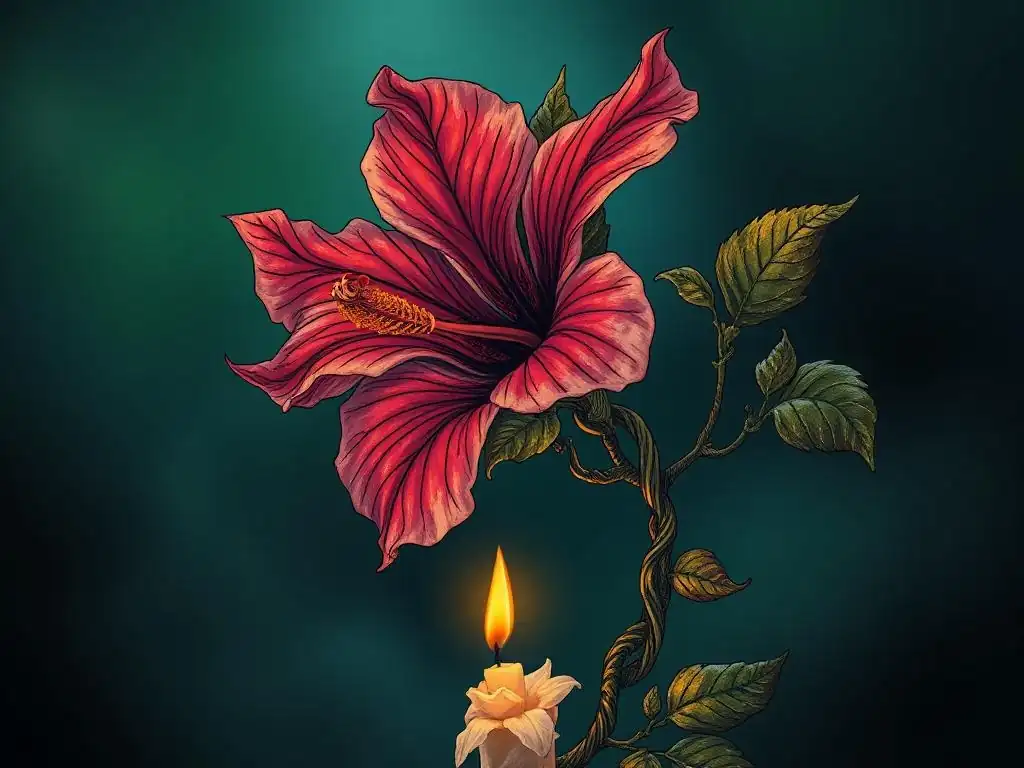
Specific Plants Associated with Different Loa
Within Voodoo cosmology, specific plants are strongly associated with different Loa, reflecting their attributes, domains, and energies. These associations are not arbitrary but are based on the plants' perceived characteristics, historical uses, and spiritual resonance. For example, the flamboyant, showy flowers of the hibiscus might be associated with Ezili Freda, the spirit of love, beauty, and luxury. Conversely, strong, pungent herbs like garlic or peppers might be linked to warrior or protective Loa such as Ogun or Ezili Dantor, due to their perceived ability to ward off negativity or 'cut' through obstacles.
Knowledge of these plant-Loa correspondences is essential for effective Voodoo plant medicine rituals. When performing a healing ritual for a specific ailment or seeking assistance with a particular life issue (e.g., finding love, gaining protection, achieving success), the practitioner selects plants associated with the relevant Loa. Using plants linked to the intended spirit strengthens the connection and is believed to make the ritual more potent.
For instance, a ritual seeking financial prosperity might incorporate plants associated with Papa Legba (who opens roads) or other Loa known for abundance, alongside appropriate offerings. This intricate system of correspondences underscores the deep spiritual intelligence embedded within Voodoo plant medicine.
Offerings of Herbs and Roots to the Loa
Offering herbs and roots is a common and significant practice in Voodoo plant medicine rituals to honor the Loa, seek their favor, or request their intervention. The specific herbs and roots offered depend on the Loa being addressed and the purpose of the offering. Certain Loa have known preferences; for example, Papa Legba is often offered items that symbolize opening paths, which might include specific roots or barks. Offerings to the Gede family might include strong-smelling herbs or roots associated with the earth and the dead.
These offerings are not merely symbolic gestures but are believed to provide spiritual nourishment or pleasure to the Loa, creating a reciprocal relationship where the spirits are more inclined to assist the practitioner or the person seeking help. The herbs or roots might be placed on altars dedicated to the Loa, incorporated into food or drink offerings, or used in ritual baths or washes prepared specifically for the spirits.
The act of offering plant materials in Voodoo plant medicine rituals is a vital way to build and maintain a connection with the spiritual realm, demonstrating respect and facilitating communication with the divine forces that guide and influence life.
The Enduring Legacy of Voodoo Plant Medicine
The Continuity of Plant-Based Healing Traditions in Voodoo Culture
Despite historical suppression and the rise of Western medicine, plant-based healing traditions remain a vibrant and integral part of Voodoo culture. This continuity is largely due to the oral transmission of knowledge through generations of houngans and mambos, who have preserved the understanding of plant properties, ritual techniques, and spiritual correspondences.
While access to formal healthcare may be limited for many, particularly in rural areas of Haiti, Voodoo plant medicine offers accessible and culturally relevant options for addressing physical and spiritual ailments. Approximately 70-80% of Haitians are estimated to consult traditional healers, including Voodoo practitioners, for some health concerns, indicating the widespread reliance on these practices.
Moreover, the spiritual significance of plants within Voodoo ensures their continued use in rituals beyond mere physical healing. Plants are essential for initiations, ceremonies honoring the Loa, protective workings, and maintaining spiritual balance. The deep cultural embeddedness of Voodoo means that the knowledge of Voodoo plant medicine rituals is not just preserved in isolated pockets but is interwoven into the fabric of community life, passed down through family lineages and within ounfòs (Voodoo temples). This ensures that the legacy of plant-based healing remains a living tradition, adapting and persisting in the face of changing times.
Voodoo Plant Medicine in Contemporary Society
In contemporary society, Voodoo plant medicine continues to be practiced, albeit sometimes adapted to modern contexts. In Haitian communities both within Haiti and in the diaspora (such as in cities like Miami, New Orleans, and Montreal), practitioners continue to utilize traditional herbs and roots for healing and spiritual work. While some aspects of practice remain private or secret, there is also increasing interest from outside the culture, leading to both opportunities for respectful exchange and challenges related to appropriation. Some practitioners are finding ways to share aspects of their knowledge while protecting the sacred core of their tradition.
Furthermore, there is a growing recognition within some scientific and medical communities of the potential value of traditional plant-based remedies, prompting interest in researching the pharmacological properties of plants used in Voodoo. While this research can be beneficial, it must be conducted ethically, in collaboration with Voodoo practitioners, and with respect for the cultural context and intellectual property rights of the community. The enduring legacy of Voodoo plant medicine rituals lies in its continued ability to provide holistic healing and spiritual support to its adherents, demonstrating the resilience and adaptability of this ancient tradition in the modern world.
Conclusion: Embracing the Wisdom of Voodoo Herbalism
Frequently Asked Questions
What role do plants play in Voodoo rituals?
Plants hold a significant role in Voodoo rituals, serving as conduits for spiritual energy and possessing healing properties. They are used for offerings, protection, and summoning spirits.
How does Voodoo plant medicine differ from Western medicine?
Voodoo plant medicine focuses on the spiritual and energetic properties of plants, addressing ailments through a holistic approach. Unlike Western medicine, it considers the interconnectedness of mind, body, and spirit.
Are Voodoo plant medicine rituals dangerous?
When practiced responsibly by trained practitioners, Voodoo plant medicine rituals are not inherently dangerous. However, using plants without proper knowledge can be harmful or ineffective.
What are some common plants used in Voodoo plant medicine?
Common plants include lavender, basil, and various roots, each chosen for their specific spiritual and medicinal properties. Their use is deeply rooted in ancestral knowledge.
Can anyone participate in Voodoo plant medicine rituals?
Participation in Voodoo plant medicine rituals typically requires guidance from an initiated practitioner. Respect for the traditions and spirits is essential for a safe and effective experience.
Final Reflection: The Enduring Power of Plant-Based Spirituality
The intricate relationship between plants and spirituality, as explored through the lens of Voodoo plant medicine, remains profoundly relevant today. We live in a world increasingly disconnected from the natural world, yet the inherent power of plants to heal, both physically and spiritually, continues to resonate deeply. The resurgence of interest in herbalism and natural remedies speaks to a growing recognition of this ancient wisdom.
The exploration of Voodoo's plant-based rituals reveals not just a system of healing, but a profound connection to the earth and a vibrant expression of cultural identity. This connection, often overlooked in mainstream narratives, offers a powerful counterpoint to the homogenizing forces of modern society. The plants are not merely ingredients; they are vessels of spirit, conduits to the divine.
This understanding, deeply embedded in Voodoo practice, challenges us to reconsider our relationship with the natural world and the spiritual significance inherent within it.
Consider the profound wisdom woven into these traditions. You, too, can cultivate a deeper connection with the natural world, learning to appreciate the subtle energies and healing properties of plants around you. Whether through mindful gardening, exploring herbal remedies, or simply taking time to appreciate the beauty of the natural world, you can tap into a wellspring of ancient knowledge and find solace and healing in the earth's embrace. Let the legacy of Voodoo plant medicine inspire you to seek your own path towards holistic well-being and a more meaningful connection with the world around you.
Unlock the Secrets of Voodoo's Herbal Lore
Thanks for exploring the fascinating world of plant medicine in Voodoo with us! You've now uncovered some powerful insights into the spiritual and healing properties of these mystical herbs and roots. Ready to delve deeper?
- Craft your own herbal sachet: Experiment with the herbs mentioned in the article to create a personalized sachet for protection, healing, or spiritual enhancement. Consider adding your own unique touch based on personal intuition.
- Share your experiences: Do you have personal stories or family traditions involving herbal remedies? Share your knowledge and insights in the comments below – your wisdom might inspire others!
- Explore further: Research other traditional healing practices around the world that utilize plants in spiritual contexts.
What unique herbal remedy are you inspired to try or learn more about based on this exploration?