
The Afterlife in Greek Epics: A Bleak Eternity or a Hero's Reward?

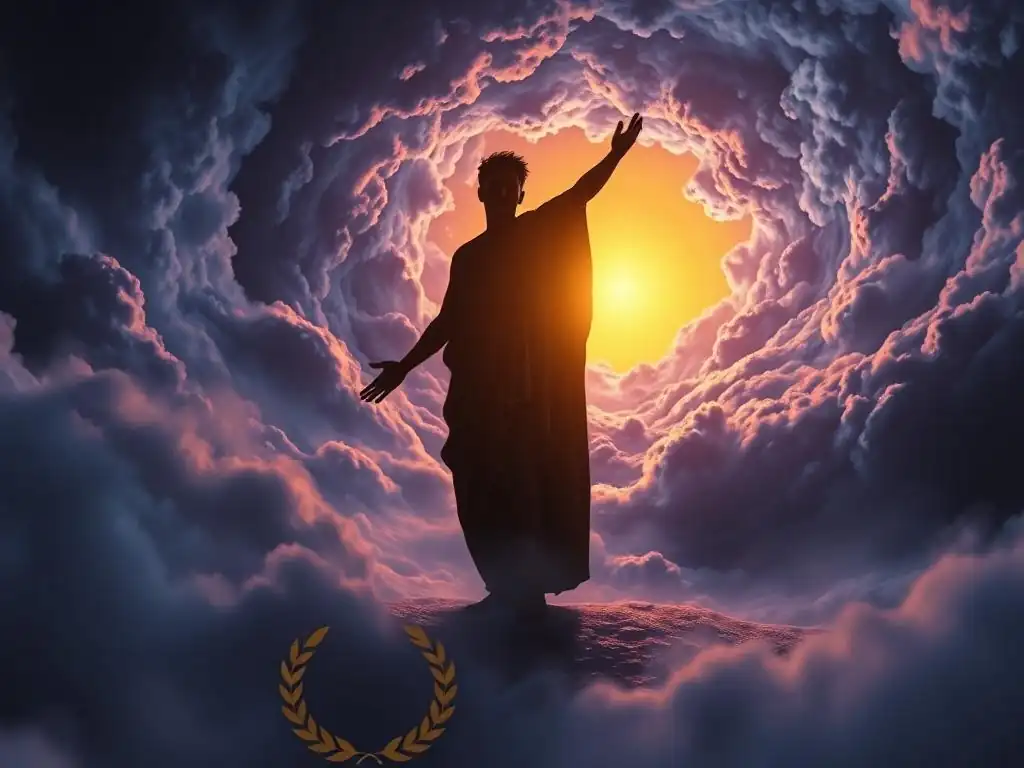
Welcome to Mythology and Legends, where ancient stories come alive! Ever wondered what awaited heroes after death in the world of Greek myths? Forget the idea of eternal bliss for everyone; the truth is far more nuanced. Dive into our exploration of the Greek afterlife, and discover the surprising rewards – and punishments – awaiting those brave enough to face the gods. What did it truly take to earn a hero's reward in the face of such a bleak eternity? Let's unravel the epic tales together...
- Introduction: Exploring the Depths of the Greek Afterlife in Epic Poetry
- The Dominant View: The Gloomy Landscape of Hades
- Contrasting Perspectives: Heroic Rewards and Elysium
- Examining Specific Epics: The Iliad and The Odyssey
- The Evolution of the Greek Afterlife Concept
- The Fate of the Soul: Exploring Different Beliefs
- Comparing the Greek Afterlife with Other Mythologies
- Conclusion: The Enduring Legacy of the Greek Underworld
-
Frequently Asked Questions
- What was the general perception of the afterlife in ancient Greece, as portrayed in epic poems?
- Did all heroes receive a reward in the Greek afterlife, according to epic narratives?
- What was Elysium, and who was typically granted access to this special realm?
- Besides Elysium, were there other forms of "hero's reward" in the Greek afterlife depicted in epics?
- How did the depiction of the afterlife in Greek epics influence later Western thought?
- Final Reflection: Echoes of Mortality, Whispers of Immortality
- Unlock the Mysteries of the Greek Underworld!
Introduction: Exploring the Depths of the Greek Afterlife in Epic Poetry
Setting the Stage: The Significance of the Underworld in Greek Mythology
The concept of the afterlife held a profound, albeit often somber, significance in ancient Greek mythology, particularly as depicted in their foundational epic poems. Figures like Homer, in The Iliad and The Odyssey, established early and enduring visions of the realm of the dead, a place known primarily as the domain of Hades. This subterranean world wasn't merely a geographical location but a fundamental aspect of the cosmos, the inevitable destination for the vast majority of souls after death, regardless of their deeds in life. Its pervasive presence in myths underscored the finality and universality of mortality.
The Underworld served as a crucial backdrop for many heroic narratives and cautionary tales. It was the realm that heroes like Heracles had to conquer as one of his labors, and the destination Odysseus bravely sought out to consult the prophet Tiresias. Its depiction, often shrouded in mist and sorrow, reflected the ancient Greeks' complex relationship with death – acknowledging its power and inevitability while simultaneously celebrating the glory and achievements of life that might, in rare cases, defy its gloom.
The Question of Fate: Is the Greek Afterlife a Universal Destiny?
In the earliest Greek beliefs, particularly as represented in Homer, the afterlife in Hades appeared to be a near-universal destiny. Upon death, the psyche or soul would descend to the dim realm, existing as a mere shade devoid of its former strength, personality, and memory, unless temporarily reanimated by earthly libations or rituals. This fate seemingly awaited kings and commoners, heroes and villains alike, suggesting a grim equality in the face of death.
However, even within these early narratives and certainly in later developments of Greek thought, hints of exceptions and variations emerged. While the default trajectory was the shadowy existence in Hades' general realm, there were whispers of special fates for the exceptionally wicked (consigned to Tartarus) and, crucially, for the truly exceptional heroes or those favored by the gods (destined for places like Elysium or the Isles of the Blessed).
This introduced a subtle but significant question: was death truly the great equalizer, or could one's actions or divine connections in life secure a different, potentially better, outcome? This query lies at the heart of understanding the nuance behind the Greek afterlife hero’s reward concept.
The Dominant View: The Gloomy Landscape of Hades
Describing Hades: The God and the Realm
Hades is the name given to both the god who rules the Underworld and the realm itself. As one of the three sons of Cronus and Rhea, Hades drew lots with his brothers Zeus and Poseidon after overthrowing their father; Zeus gained the sky, Poseidon the sea, and Hades the unseen world below the earth.
He is often depicted as stern and unyielding, a ruler of the dead who rarely leaves his domain. His consort is Persephone, daughter of Demeter, whom he abducted to be his queen, spending a third of the year with him in the Underworld, causing the season of winter on Earth.
The realm of Hades is consistently portrayed as a dark, subterranean place, far removed from the light and life of the upper world. It is a kingdom of shadows, silence, and decay, where the physical body perishes and the psyche lingers as a faint echo. Unlike the vibrant heavens of Zeus or the dynamic seas of Poseidon, Hades is static and inevitable, the final resting place from which few ever return. This depiction underscores the finality of death and the separation between the living and the dead in Greek cosmology.
The Geography of the Underworld: Rivers, Fields, and Tartarus
The geography of the Greek Underworld is complex and varies slightly across different myths and authors, but certain features are consistently present. The entrance is often guarded, and the realm is traversed by several mythical rivers, each with symbolic significance.
The most famous is the River Styx, across which the ferryman Charon transports the souls of the dead, provided they have the fare (an obol coin placed in the mouth of the deceased during burial rites). Other rivers include the Acheron (River of Woe), Cocytus (River of Lamentation), Phlegethon (River of Fire), and Lethe (River of Forgetfulness), whose waters cause the shades to forget their earthly lives.
Beyond the rivers lies the vast Asphodel Fields, the most common destination for ordinary souls. This is a dreary, grey expanse where shades wander aimlessly, retaining little memory or identity from their former lives. Deeper still is Tartarus, conceived as a deep abyss or pit, often described as a prison for the most wicked souls and the defeated Titans. This region is distinct from the general realm of Hades and is reserved for eternal punishment, highlighting a form of retribution within the afterlife structure, though primarily for those who offended the gods directly.
The Inhabitants of Hades: Shades, Heroes, and the Damned
The primary inhabitants of Hades are the psychai, the shades or spirits of the dead. These are depicted as insubstantial, ghostly forms, lacking the vitality and consciousness they possessed in life. In The Odyssey, when Odysseus encounters the shade of Achilles, the great hero laments his state, stating he would rather be a living serf than king among the dead. This paints a stark picture of the diminished existence in Hades, where even the glory achieved in life offers no comfort or power.
Within this shadowy populace are also figures of myth condemned to eternal torment for specific transgressions. Sisyphus is forever pushing a boulder uphill only for it to roll back down, Tantalus is eternally thirsty and hungry with food and water just out of reach, and Ixion is bound to a flaming wheel.
These examples illustrate a punitive aspect of the Underworld, though these punishments are typically reserved for those who committed grave offenses against the gods or fundamental cosmic order, not for the average deceased. The vast majority simply exist as passive shades in the Asphodel Fields, a far cry from the concept of a dynamic Greek afterlife hero’s reward.
Contrasting Perspectives: Heroic Rewards and Elysium
Elysium: A Paradise for the Chosen Few
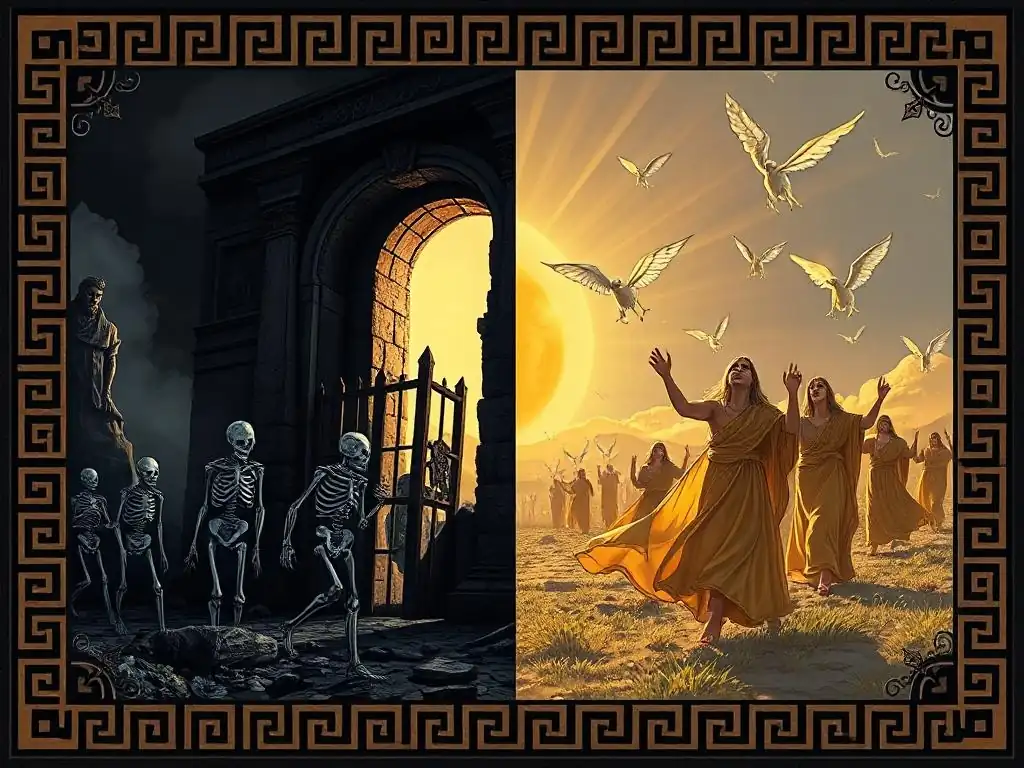
In contrast to the pervasive gloom of the Asphodel Fields and the torments of Tartarus, Greek mythology also conceived of a blessed afterlife realm known as Elysium, or the Elysian Fields. Sometimes referred to as the Isles of the Blessed (especially in later traditions or for certain heroes), this was a place of peace, beauty, and eternal happiness. Described as a land of gentle breezes, pleasant meadows, and soft sunlight, Elysium was the antithesis of the dark and dreary Hades experienced by the majority of souls.
Life in Elysium was depicted as effortless and joyful. Its inhabitants were free from suffering, toil, and the anxieties of mortal existence. They spent their time in pleasant pursuits, enjoying music, feasting, and athletic contests, essentially living an idealized version of the best moments of human life. This realm offered a glimmer of hope, a possibility of escaping the universal bleakness of the Underworld, and represented the highest possible form of a Greek afterlife hero’s reward.
Criteria for Entry: Who Earns a Place in Elysium?
Entry into Elysium was not a universal right but a privilege reserved for a select few. The criteria evolved somewhat over time and across different myths, but generally centered on exceptional merit. This included great heroes, those who had lived exceptionally righteous lives, or individuals who were favored by the gods. It wasn't simply a matter of being 'good' in a moral sense, as the concept of morality and sin leading to afterlife consequences was less developed in early Greek thought compared to later religions.
In some accounts, judgment was involved, overseen by figures like Rhadamanthus, Minos, and Aeacus, legendary wise rulers who became judges of the dead. They would determine where a soul belonged based on their life's deeds. While the specifics of this judgment varied, the outcome for entry into Elysium typically hinged on demonstrating extraordinary virtue, piety, or achieving unparalleled fame and glory that caught divine attention. This scarcity of entry underscored its status as a truly exceptional Greek afterlife hero’s reward.
Heroic Deeds and Divine Favor: Pathways to a Better Afterlife
The most prominent pathway to Elysium, particularly in epic narratives, was through heroic deeds. Achieving kleos (undying fame or glory) through acts of courage, strength, and leadership on the battlefield or during epic quests was highly valued in Greek society and mythology. While kleos primarily ensured a form of immortality through remembrance on Earth, it was also sometimes linked to the potential for a better fate in the afterlife. Heroes like Cadmus and Peleus, protagonists of significant myths, were sometimes said to have been transported to the Isles of the Blessed.
Divine favor also played a significant role. Individuals who were beloved by certain gods, or perhaps even had divine parentage, might bypass the standard fate of Hades. Menelaus, the king of Sparta and husband of Helen, is told by the sea-god Proteus in The Odyssey (Book 4) that he will not die but be sent to the Elysian Fields because he is the husband of Helen, daughter of Zeus. This is a clear example where divine connection, rather than just personal merit, secures a blessed afterlife, illustrating another facet of how a Greek afterlife hero’s reward might be attained.
Examining Specific Epics: The Iliad and The Odyssey
The Iliad: Glimpses of the Afterlife in Wartime
Homer's The Iliad, focused on the intense conflict of the Trojan War, provides relatively few direct descriptions of the afterlife compared to The Odyssey. The poem's primary concern is the glory, suffering, and fate of heroes in life and battle. Death is presented as a stark end to earthly existence, and the descent to Hades is portrayed as inevitable and undesirable. The emphasis is on achieving kleos on the battlefield, a legacy that endures among the living, because the afterlife offers little comfort or recognition.
When a hero dies, their psyche is often described as fluttering out of the body and descending to Hades, sometimes with a mournful cry. For instance, the spirit of Patroclus appears to Achilles in a dream, urging proper burial so he can pass the gates of Hades. This highlights the importance of burial rites for the soul's journey but offers no hint of a differentiated fate based on Patroclus's heroism. The focus remains firmly on the grim reality of death as the cessation of vibrant life, with the Underworld serving as a passive receptacle for the departed.
The Odyssey: Odysseus' Journey to the Land of the Dead
The Odyssey offers a much more extensive and detailed look at the Greek Underworld, specifically through Odysseus's journey to the edge of the world to perform a nekyia, a ritual summoning of the dead. In Book 11, Odysseus digs a trench, offers libations of milk, honey, wine, water, and barley, and sacrifices animals to attract the shades. This blood offering is crucial, as it temporarily grants the shades the ability to speak and recognize Odysseus.
Odysseus encounters numerous figures from myth and history. He speaks with the prophet Tiresias, who gives him instructions for his journey home. He sees his mother, Anticleia, and learns of the state of affairs in Ithaca. Most famously, he converses with the shades of great heroes like Agamemnon, Ajax, and Achilles. These interactions reveal the diminished state of the dead; Agamemnon recounts his tragic murder, Ajax remains resentful from a past dispute, and Achilles expresses profound regret over his choice of a short, glorious life over a long, obscure one, uttering the famous line:
No winning words about death to me, shining Odysseus!
By god, I'd rather be a hired hand on earth,
a slave to a landless man, with precious little to live on,
than rule down here over all the breathless dead.
This powerful quote from Achilles, the very embodiment of the Greek hero seeking glory, serves as perhaps the strongest testament in Homer to the bleakness of the standard afterlife in Hades, even for the most celebrated heroes. It starkly contrasts with any notion of a widespread Greek afterlife hero’s reward within this primary realm.
Achilles and Other Heroes: Reflections on Mortality and Glory
The conversation between Odysseus and Achilles in the Underworld profoundly illustrates the Homeric view of mortality and the value of earthly glory versus the afterlife. Achilles, who chose a short life of immense fame over a long, obscure one, now sees his earthly achievements as meaningless in the face of his current state. His kleos on Earth is a source of pride, but his existence as a powerless shade in Hades negates the value he once placed on it.
This perspective is echoed by other heroes Odysseus encounters. Their former strength, beauty, and status are gone; they are mere shadows of their former selves. Even Heracles, whose shade Odysseus sees (while the real Heracles is said to feast among the gods on Olympus, suggesting a different fate for some), appears burdened and speaks of his labors. These depictions reinforce the idea that for the vast majority, including most heroes, the afterlife in Hades was a bleak, passive existence, making the concept of a true Greek afterlife hero’s reward a rare and exceptional outcome, distinct from the common fate.
The Evolution of the Greek Afterlife Concept
The concept of the Greek afterlife did not remain static throughout antiquity; it evolved significantly from the relatively simple and universally bleak portrayal in Homer's epics to more complex and differentiated visions in later literature and thought. Authors like Hesiod, Pindar, and later philosophers and playwrights introduced greater structure and varying destinations within the Underworld. For example, Hesiod's Theogony describes Tartarus as a prison for the Titans beneath the earth, but also mentions the Isles of the Blessed as a place for heroes.
Later poets, particularly Roman ones like Virgil in his Aeneid (which drew heavily on Greek sources), provided more detailed maps of the Underworld, clearly delineating areas like the Mourning Fields for those who died of love, the fields for warriors, Tartarus for the wicked, and the joyful groves of Elysium for the blessed. This shift shows a move towards a more organized and, in some aspects, morally stratified afterlife compared to the Homeric view where most souls simply drifted in the Asphodel Fields.
The Influence of Mystery Cults and Philosophical Thought
The development of mystery cults and philosophical schools profoundly influenced Greek ideas about the afterlife, offering alternatives or additions to the traditional Homeric view. Cults such as the Eleusinian Mysteries, dedicated to Demeter and Persephone, promised initiates a happier lot in the afterlife, though the specifics were secret. Participation in these rites was believed to grant a blessed state after death, suggesting that religious devotion and ritual could influence one's fate.
Philosophers also grappled with the nature of the soul and its destiny. Plato, influenced by Orphic ideas, proposed a more complex afterlife involving judgment, punishment, and purification, with the possibility of reincarnation and eventual escape from the cycle of rebirth for the truly virtuous. These philosophical ideas introduced a stronger element of moral consequence and individual responsibility for one's fate after death, moving beyond the largely deterministic Homeric model and offering a framework where a Greek afterlife hero’s reward or punishment was based more on ethical living.
The Orphic Perspective: Reincarnation and Spiritual Purification
The Orphic tradition, associated with the mythical poet Orpheus, offered one of the most distinct alternatives to the standard Greek afterlife narrative. Orphism posited a dualistic view of human nature, with a divine soul trapped within a mortal body. According to Orphic beliefs, the soul was subject to a cycle of death and rebirth (metempsychosis or transmigration of souls), a form of punishment for an original sin (sometimes linked to the Titans' tearing apart of Dionysus).
The goal of Orphism was to purify the soul through ascetic practices, rituals, and adherence to specific doctrines, thereby enabling it to escape the cycle of reincarnation and return to its divine origin or achieve a state of blessedness in the afterlife, often depicted as residing with the gods. This perspective stands in stark contrast to the finality and passivity of the Homeric Hades, offering a path towards spiritual liberation and a truly transcendent form of Greek afterlife hero’s reward, achieved not through physical glory but through spiritual discipline.
The Fate of the Soul: Exploring Different Beliefs
The Concept of the Psyche: Soul, Spirit, and Individual Identity
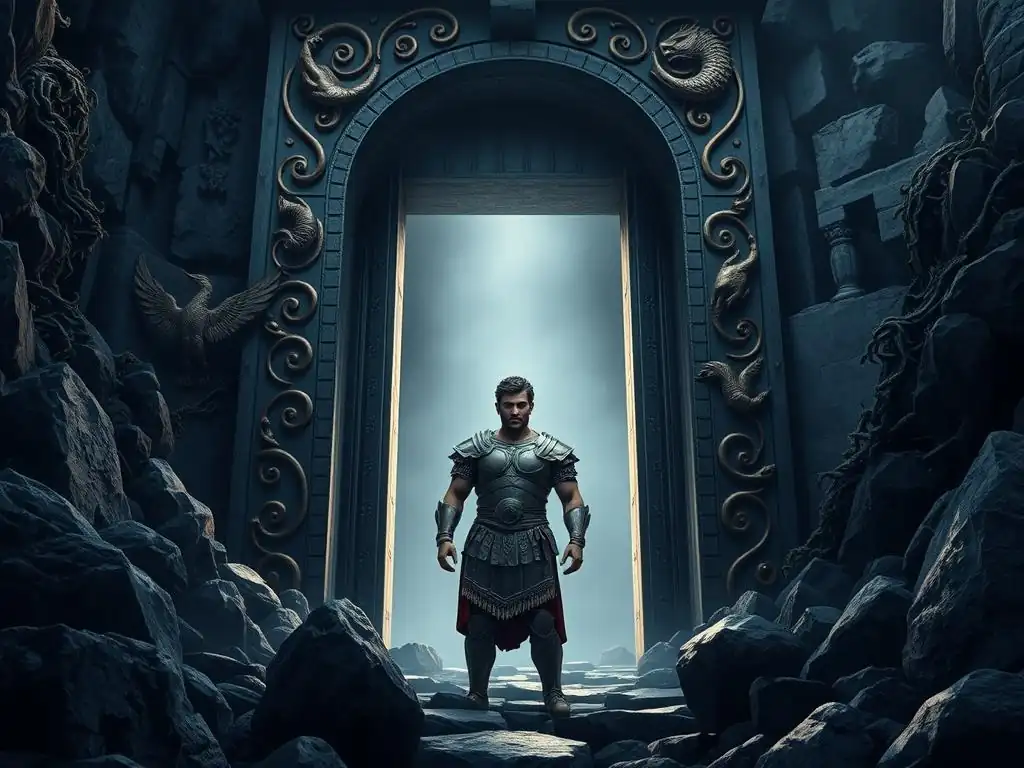
In Greek thought, the psyche was the term most commonly used to refer to the soul or spirit. In Homer, the psyche is what departs the body at the moment of death, fluttering away like smoke or a bird. It retains the form of the person but lacks physical strength, vitality, and often, memory and full consciousness. The shades in Hades are these psychai, pale imitations of their living selves.
Over time, philosophical interpretations, particularly from figures like Plato and Aristotle, developed more complex understandings of the psyche, seeing it as the principle of life, consciousness, and even intellectual activity. This philosophical evolution influenced how the afterlife was conceived, suggesting that perhaps the soul retained more of its individual identity and capabilities than the Homeric shades. However, the popular image of the psyche in the Underworld remained largely that of a diminished entity, highlighting the tragic loss associated with death.
Burial Rites and Ancestor Worship: Maintaining Connection with the Deceased
Proper burial rites were of paramount importance in ancient Greek society and mythology. Failing to bury the dead properly was considered a grave offense, leaving the psyche of the deceased restless and unable to enter Hades fully. The rituals, including washing and anointing the body, dressing it, laying it out (prothesis), the funeral procession (ekphora), and burial or cremation, were essential for the soul's peaceful transition to the Underworld. The coin for Charon, placed in the mouth, is one example of a burial custom linked directly to the afterlife journey.
Ancestor worship and the practice of making offerings (libations, food, flowers) at the grave were also vital aspects of maintaining a connection with the deceased. These acts honored the dead, kept their memory alive among the living, and were believed to provide some form of sustenance or comfort to the shades in the Underworld. While these practices didn't change the fundamental nature of existence in Hades, they underscore the ongoing relationship between the living and the dead and the desire to alleviate the harsh reality of the afterlife.
The Importance of Remembrance: Ensuring a Legacy Beyond Death
Given the bleak prospects of the standard afterlife in Hades, the concept of kleos – undying fame or glory – became incredibly significant, particularly for heroes. Achieving great deeds and being remembered by future generations offered a form of immortality on Earth that compensated for the passive existence in the Underworld. Heroes like Achilles understood this trade-off; his glory would live forever, even if his soul was a mere shade.
This emphasis on remembrance highlights a key aspect of the Greek perspective on death: the value placed on one's legacy among the living when the afterlife offered so little. While a Greek afterlife hero’s reward in a place like Elysium was a possibility, it was rare. For most, the true 'afterlife' of their identity resided in the memories, stories, and honors bestowed upon them by those who remained. This focus on earthly renown provides a powerful counterpoint to the gloom of Hades.
Comparing the Greek Afterlife with Other Mythologies
Contrasting with Egyptian Beliefs about the Afterlife
Comparing the Greek afterlife with that of ancient Egypt reveals stark differences. Egyptian beliefs centered on the concept of the Duat, a complex underworld navigated by the sun god Ra each night. The Egyptian afterlife was not a passive existence but a continuation of life, albeit with challenges. Crucially, the Egyptians believed in a judgment process where the heart of the deceased was weighed against the feather of Ma'at (truth and cosmic order) by Osiris and other gods. A favorable outcome led to a blessed existence in the Field of Reeds, an idealized version of Egypt itself.
Furthermore, practices like mummification and the provision of tomb goods were aimed at preserving the body and equipping the soul ( Ba and Ka) for the afterlife journey and continued existence. This active engagement with preparing for and navigating the afterlife, the emphasis on judgment, and the potential for a vibrant, positive existence in the Field of Reeds stand in significant contrast to the generally passive, shadowy, and often bleak Homeric view of Hades.
Parallels with Norse Conceptions of Valhalla and Hel
Comparing the Greek afterlife with Norse mythology also reveals both parallels and contrasts. Norse myths feature multiple realms for the dead. Valhalla, presided over by Odin, is a hall for warriors who die bravely in battle, where they feast and fight until Ragnarök. Fólkvangr, ruled by Freya, also receives a portion of slain warriors. These warrior paradises bear some resemblance to the Greek concept of Elysium as a place for select heroes, representing a form of a warrior's or Greek afterlife hero’s reward.
However, the vast majority of Norse dead went to Helheim, ruled by the goddess Hel. Helheim is typically depicted as a cold, gloomy realm beneath the earth, not necessarily a place of punishment (though a separate Niflhel existed for the exceptionally wicked) but simply the destination for those who died of sickness or old age – a fate that encompassed the majority. This parallels the Greek Hades as the general, less desirable destination for most souls, regardless of their earthly status, contrasting with the special fate reserved for a select few.
Unique Aspects of the Greek Vision of the Afterlife
Despite some parallels with other mythologies regarding the existence of both a general realm and a special place for heroes, the Greek vision of the afterlife, particularly in its early forms, has some unique aspects. The pervasive gloom and passive nature of the standard Hades, where even heroes lamented their state, is a striking feature. The emphasis on the loss of identity and vitality for the majority of shades is particularly pronounced in Homer.
Furthermore, the Greek concept evolved significantly, incorporating philosophical ideas of judgment, purification, and even reincarnation (in Orphism) in ways that differ from the more static or cycle-focused afterlives in some other traditions. The constant tension between the bleak reality of Hades, the rare possibility of a Greek afterlife hero’s reward in Elysium, and the ultimate value placed on earthly kleos as a form of enduring significance creates a complex and distinctive perspective on mortality and legacy.
Conclusion: The Enduring Legacy of the Greek Underworld
Summarizing the Key Aspects of the Greek Afterlife
The Greek conception of the afterlife, as primarily depicted in its foundational epics, presents a complex and evolving picture. The dominant view, embodied by the realm of Hades, is one of pervasive gloom, where the souls of the dead exist as passive, shadowy psychai, largely devoid of their former strength and identity. This fate was seen as the near-universal destiny for kings, heroes, and commoners alike, underscoring the finality of death and the separation between the living and the dead.
However, even within this bleak framework, there existed contrasting possibilities. Tartarus served as a deep prison for the most egregious offenders against the gods, while Elysium (or the Isles of the Blessed) offered a rare glimpse of a blessed afterlife, reserved for exceptional heroes, the virtuous, or those favored by the gods. The criteria for this better fate were stringent, often involving extraordinary deeds or divine intervention, making it a distinct exception rather than a common outcome.
The Greek Afterlife hero’s reward: A Final Assessment
Addressing the question posed in the title, the Greek afterlife for the vast majority was indeed a bleak eternity in Hades. The standard fate offered little comfort or continuation of earthly status or achievement. However, the concept of a Greek afterlife hero’s reward was not entirely absent. Places like Elysium represented a potential paradise for the truly exceptional, those whose heroic deeds or divine connections set them apart.
While this privileged afterlife was rare and contrasted sharply with the common fate, its existence provided a counterpoint to the pervasive gloom. It suggested that while death was a universal destination, the experience of the afterlife might, in select cases, reflect the extraordinary nature of one's life. Thus, while not a guaranteed outcome for all heroes, a specific, exceptional Greek afterlife hero’s reward was indeed a possibility within the broader mythological framework.
The Enduring Appeal: Why the Greek Underworld Still Captivates Us
The Greek Underworld, with its shadowy realms, mythical rivers, tormented figures, and rare havens of bliss, continues to captivate our imagination. Its enduring appeal lies in its raw portrayal of fundamental human concerns: mortality, loss, the value of life, and the desire for something more beyond death. The contrast between the bleak reality of Hades and the distant promise of Elysium reflects the tension between acceptance of fate and the hope for a better outcome.
These myths, shaped by poets, philosophers, and cults over centuries, offer a rich tapestry of beliefs about the soul's journey and destiny. They remind us of the power of stories to grapple with the unknown and provide frameworks, however varied or somber, for understanding our place in the cosmos and the ultimate fate that awaits us all. The question of whether one might achieve a Greek afterlife hero’s reward or merely join the countless shades in Hades remains a poignant reflection on the human condition.
Frequently Asked Questions
What was the general perception of the afterlife in ancient Greece, as portrayed in epic poems?
The general perception was largely bleak and undesirable. Most souls drifted aimlessly in Hades, a shadowy realm with little joy. Only exceptional individuals received a hero's reward.
Did all heroes receive a reward in the Greek afterlife, according to epic narratives?
No, not all heroes were automatically granted a reward. Only those with exceptional virtue or divine favor might achieve a special afterlife, like Elysium. The standard fate was a desolate existence.
What was Elysium, and who was typically granted access to this special realm?
Elysium was a paradisiacal realm, a field of blessedness reserved for heroes favored by the gods. It was a place of eternal happiness and leisure, a rare reward.
Besides Elysium, were there other forms of "hero's reward" in the Greek afterlife depicted in epics?
Yes, some heroes might achieve immortality or deification, ascending to live amongst the gods. This was a rare honor, reserved for those with exceptional divine lineage or service.
How did the depiction of the afterlife in Greek epics influence later Western thought?
The Greek concept of a divided afterlife, with rewards and punishments, heavily influenced later Western religious and philosophical views. The ideas of Hades and Elysium resonate even today in discussions of heaven and hell.
Final Reflection: Echoes of Mortality, Whispers of Immortality
The concept of the afterlife, so central to the Greek epics, remains profoundly relevant today. We still grapple with the same fundamental questions of legacy, mortality, and the meaning behind a life well-lived, even in an age of scientific advancement. The stark contrast between the bleak reality of Hades and the potential glory of Elysium continues to resonate, forcing us to confront our own anxieties about death and the enduring power of human ambition.
The portrayal of the afterlife in Homer and Hesiod's works shaped not only ancient Greek culture but continues to influence our understanding of heroism and mortality. The heroes' journeys, their struggles, and their ultimate fates – whether a shadowy existence or a blissful paradise – serve as powerful metaphors for the human condition. The gods themselves cannot escape their fate, and neither can mortals.
This sentiment, though ancient, speaks to the timeless struggle between our desire for immortality and the inescapable reality of death. It compels us to consider how we, too, might strive to leave a lasting mark on the world, to create a legacy that transcends our finite existence.
Consider the heroes' choices, their triumphs, and their failures. What kind of legacy do you wish to leave? How can you, in your own life, strive for something beyond the fleeting nature of earthly existence? Let the echoes of these ancient narratives inspire you to live a life worthy of remembrance, a life that resonates with purpose and meaning, even in the face of inevitable mortality. The heroes' journeys, though fictional, offer a timeless guide for navigating our own.
Unlock the Mysteries of the Greek Underworld!
Thanks for exploring the fascinating, and sometimes somber, world of the Greek afterlife with us! We hope you gained a new appreciation for the complexities of heroic journeys and their ultimate destinations. Ready to delve even deeper?
- Share your thoughts: What aspect of the Greek Underworld resonated most with you, and why? Start a discussion in the comments below – let's unravel these ancient mysteries together!
- Explore further: Dive into our extensive archive on Greek mythology to uncover more tales of heroes, gods, and their journeys beyond the mortal realm. You might be surprised by what you find!
- Uncover hidden connections: Can you find parallels between the Greek Underworld and other cultures' beliefs about the afterlife? Share your discoveries!
So, what other epic journeys of the soul will you explore next?