
Allies in Disguise: Mythical Helpers Who Change Form

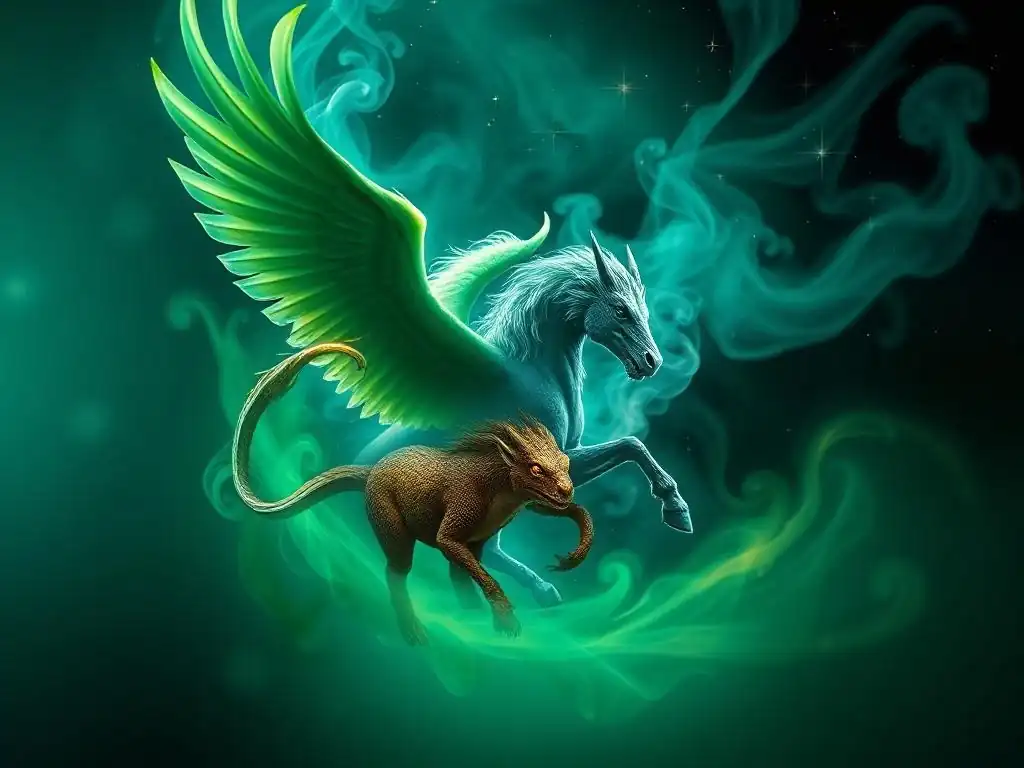
Welcome to Mythology and Legends, where the whispers of ancient tales come alive. Ever wondered about the hidden support lurking within the oldest stories? Prepare to delve into a world where mythical shapeshifting allies help, protectors and guides who walk among us in unexpected forms. Unravel their secrets and discover how these adaptable beings shaped not just legends, but the very fabric of our understanding. What powers did they wield, and what could their transformations reveal about the cultures that birthed them? Read on to uncover the truth...
- Allies in Disguise: Exploring Mythical Shapeshifting Helpers
- Shapeshifting Allies Across Cultures: A Comparative Overview
- The Roles and Motivations of Mythical Shapeshifting Allies
- Common Shapeshifting Forms Among Mythical Helpers
- The Significance of Shapeshifting Allies in Myth and Legend
- Distinguishing Between Benevolent and Malevolent Shapeshifters
- The Legacy of Mythical Shapeshifting Allies in Modern Culture
- Conclusion: Celebrating the Enigmatic Nature of Mythical Shapeshifting Helpers
-
Frequently Asked Questions
- ### What is shapeshifting in the context of mythology, and how does it relate to the concept of allies?
- ### Can you give some examples of mythical creatures known for shapeshifting who act as allies?
- ### What roles do shapeshifting allies typically play in the myths and legends where they appear?
- ### What are some common motivations for a shapeshifting being to become an ally to a human in mythology?
- ### How might the concept of shapeshifting allies reflect cultural values or beliefs in the societies where these myths originated?
- Final Reflection: The Enduring Power of Transformation
- Unleash Your Inner Shapeshifter: Embrace the Power of Transformation!
Allies in Disguise: Exploring Mythical Shapeshifting Helpers
Introduction: The Power of Transformation and Aid in Mythology
Throughout the rich tapestry of global folklore, the concept of beings who can change their physical form is a recurring and fascinating motif. These shapeshifters often embody the unpredictable nature of the world, representing adaptability, mystery, and sometimes, danger. However, a significant subset of these transforming entities serves a different, more benevolent role: that of the ally or helper. These mythical shapeshifting allies help mortals, heroes, and even other deities, often appearing in unexpected guises to offer guidance, protection, or crucial assistance.
The ability to shift form grants these allies unique advantages. They can infiltrate enemy territory, gather hidden information, observe events unnoticed, or approach mortals in a less intimidating or more relatable guise. This inherent duality—the true nature hidden beneath a transformed exterior—adds layers of complexity and intrigue to their interactions, often testing the trust and perception of those they seek to aid. The presence of mythical shapeshifting allies help shape narratives, providing deus ex machina moments, crucial turning points, or simply a guiding hand in times of need.
Shapeshifting Allies Across Cultures: A Comparative Overview
Shapeshifting Allies in Greek Mythology
Greek mythology is replete with transformations, often inflicted by vengeful gods or used as means of escape. Yet, some figures employed shapeshifting to interact with or aid others, albeit sometimes reluctantly or ambiguously. These figures highlight the diverse ways transformation served the narrative, occasionally providing crucial assistance to mortals navigating the divine world.
Proteus: The Prophetic Sea God and His Fluid Forms
Proteus, often referred to as the "Old Man of the Sea," is a prime example of a Greek figure whose shapeshifting ability was linked to providing aid, specifically prophecy and knowledge. According to Homer's Odyssey (Book 4), Proteus knew the depths of the sea and all secrets.
He would only share his wisdom if caught and held fast through his myriad transformations. Menelaus recounts the arduous task of grappling with Proteus as he shifted through forms like a lion, a snake, a leopard, a great boar, and even changed into water and a tall tree, all in an attempt to escape giving counsel.
This struggle illustrates that while Proteus possessed the knowledge needed by heroes, his shapeshifting served primarily as a defense mechanism against interrogation. Overcoming his transformations was the condition for receiving his invaluable guidance, demonstrating that accessing the help offered by mythical shapeshifting allies often required tenacity and perseverance. His aid, though reluctantly given after capture, was essential for Menelaus to learn how to appease the gods and return home.
Metis: Zeus's Wise First Wife and Her Shapeshifting Abilities
Metis, a Titaness revered for her wisdom and cunning, served as Zeus's first wife and a crucial advisor during his rise to power against the Titans. Her counsel was instrumental in helping Zeus defeat his father, Cronus, famously advising him on the potion that caused Cronus to regurgitate his swallowed siblings. This early act established her as a significant ally. However, her role as a shapeshifting helper took a tragic turn.
A prophecy from Gaea foretold that Metis would bear children who would surpass their father, just as Zeus had surpassed Cronus. Fearing this, Zeus tricked Metis into transforming into a fly and promptly swallowed her. Despite this act of subjugation, Metis continued to dwell within Zeus, advising him from his mind.
She is credited with crafting his thunderbolt and helmet from within him, effectively becoming an internal, shapeshifted ally whose wisdom and skills continued to benefit the king of the gods, albeit at the cost of her physical independence. This highlights how mythical shapeshifting allies help even when their transformation is involuntary or results in a confined state.
Norse mythology features shapeshifting prominently, often linked to powerful beings like Odin and Loki. While many transformations are for personal gain or trickery, some instances involve shapeshifting that directly benefits the gods or humanity, showcasing diverse motivations for these form changes. The concept of mythical shapeshifting allies help is particularly complex here, given the ambiguous nature of figures like Loki.
Loki: The Trickster God and His Transformations for the Greater Good (Sometimes)
Loki, the cunning trickster god of giant descent, is perhaps the most prolific shapeshifter in the Norse pantheon. While infamous for causing chaos and ultimately bringing about Ragnarök, several myths detail instances where his transformations, often undertaken to escape consequences or fix problems he created, inadvertently or directly provided crucial aid to the gods. His unpredictable nature means his role as a mythical shapeshifting ally is often double-edged.
One prominent example from the Prose Edda ( Gylfaginning) involves the giant builder who demanded Freya, the sun, and the moon as payment for constructing Asgard's walls within a seemingly impossible deadline, aided by his powerful horse, Svaðilfari. To prevent the gods from losing their most precious treasures, Loki transformed into a mare to distract Svaðilfari, luring the horse away and preventing the builder from finishing in time. This transformation led to Loki giving birth to Sleipnir, Odin's eight-legged steed, a vital asset to the chief god.
Though born of trickery and shapeshifting, Sleipnir became a powerful ally, demonstrating how chaotic transformations could lead to beneficial outcomes. Another instance involved Loki turning into a fly or flea to retrieve Freya's necklace, Brísingamen, from the dwarves, acting as a necessary (if ignoble) agent for the gods' possessions.
Valkyries: Guiding Warriors in Disguise
Valkyries are iconic figures in Norse mythology, chosen by Odin to select slain warriors worthy of entering Valhalla. While primarily associated with battlefields and the afterlife, some accounts suggest they possessed the ability to shapeshift, particularly into swans, linking them to the concept of swan-maidens (svanmær). This potential for transformation allowed them to move between realms and interact with the mortal world in a disguised form.
The Poetic Edda, specifically the Völundarkviða (Lay of Völund), tells of three Valkyries—Hervör alvitr, Hlökk, and Göndul—who lived as swan-maidens with mortal men for seven years before flying away. While this tale focuses on their temporary dwelling among humans rather than direct battlefield aid via shapeshifting, it establishes the possibility of these powerful, guiding figures adopting alternative forms.
This capacity for transformation suggests they could potentially appear in various guises to influence events or interact with heroes, acting as subtle mythical shapeshifting allies help guide fates or offer glimpses of the divine will before returning to their primary duties of selecting the worthy dead.
Shapeshifting Allies in Celtic Mythology
Celtic mythology is rich with tales of spirits, deities, and magical creatures possessing the ability to change form. These transformations are often deeply connected to the natural world, with many shapeshifters adopting animal shapes. Among these, figures like the Púca and various animal spirits stand out as potential, albeit sometimes capricious, allies.
Púca: The Mischievous Shapeshifter and His Guidance
The Púca (or Pooka) is a prominent figure in Irish and Welsh folklore, known for its dramatic and often fearsome shapeshifting abilities. It can appear as a horse, goat, rabbit, dog, goblin, or even a human. The nature of the Púca is highly ambiguous; it is often depicted as mischievous and even terrifying, capable of leading travelers astray or causing harm. However, in some tales, the Púca acts as a genuine, if unsettling, helper.
There are stories where a Púca, perhaps in the form of a dark horse, appears to a lonely traveler and, instead of leading them to their doom, carries them swiftly and safely to their destination. Other accounts describe a Púca offering cryptic but valuable advice, sometimes even teaching skills.
One legend tells of a farmer being shown how to properly sow his crops after a strange encounter with a Púca. While their methods are often intimidating or bizarre, these instances show the Púca acting as a mythical shapeshifting ally help those in need, albeit on their own unpredictable terms, demanding respect or caution from those they encounter.
Celtic Animal Spirits: Allies Taking Animal Forms
In Celtic belief, the boundaries between the human, animal, and spirit worlds were fluid. Certain animals were seen not merely as creatures but as embodying spirits, deities, or powerful natural forces. These animal forms could serve as messengers, protectors, or guides, effectively acting as mythical shapeshifting allies who help humans navigate the world or gain hidden knowledge.
Examples include the Salmon of Knowledge, a single fish said to contain all the world's wisdom, sought by heroes like Fionn mac Cumhaill. While not a voluntary shapeshifter itself, it represents knowledge embodied in animal form, a form that must be caught and consumed (or its cooking observed) to gain its power—a form of interaction with an "ally" of wisdom.
The Raven is another significant figure, often associated with prophecy, war, and powerful figures like The Morrigan, who herself could transform into a raven. Ravens appearing at critical junctures could be interpreted as guidance or warnings from powerful entities.
The Stag, often linked to the deity Cernunnos, could serve as a guide through the wilderness or represent the untamed power of nature offering aid to those who respect it. These animal forms allowed powerful entities to interact with the human world, providing aid, wisdom, or protection in a guise understood within the natural order.
Shapeshifting Allies in East Asian Mythology
East Asian folklore, particularly that of China, Korea, and Japan, features a rich tradition of animal spirits capable of shapeshifting, with the fox spirit (Kitsune in Japan, Huli Jing in China) being the most prominent. These figures often possess immense magical power and can live for centuries, gaining abilities and wisdom over time. While they are frequently depicted as tricksters or seductresses, a significant portion of their lore portrays them as benevolent helpers, loyal companions, and powerful allies.
Kitsune (Fox Spirits): Shapeshifting Allies in Japanese Folklore
Kitsune are central figures in Japanese folklore, widely known for their intelligence, magical abilities, and capacity to shapeshift, most commonly into beautiful women or older men. Their power is often measured by the number of tails they possess, with a nine-tailed fox (Kyūbi no Kitsune) being the most potent. While some Kitsune are notorious tricksters who might lead people astray or possess them, many others are portrayed as benevolent beings closely associated with Inari, the Shinto kami of rice, fertility, and prosperity.
As messengers of Inari, Kitsune can bring good fortune, protect rice fields, and act as guardians of shrines. Beyond this religious association, many stories depict Kitsune acting as loyal friends, devoted spouses (though these relationships often end sadly upon the fox's true nature being discovered), or helpful neighbors.
They might use their magic and shapeshifting to bring wealth to a family, offer wise counsel, cure illnesses, or provide supernatural aid in times of crisis. For instance, a Kitsune might shapeshift into a human form to live among people, using their abilities discreetly to improve the lives of those they care about, embodying the concept that mythical shapeshifting allies help communities flourish.
Huli Jing (Fox Spirits): Shapeshifting Allies in Chinese Folklore
Huli Jing, or fox spirits, are ancient figures in Chinese mythology with roots stretching back over a thousand years. Like their Japanese counterparts, they are renowned for their ability to shapeshift, often into alluring women, and are frequently depicted in complex roles ranging from dangerous seducers to loyal companions. While cautionary tales abound, Chinese literature and folklore contain numerous examples of Huli Jing acting as benevolent forces.
In collections like Pu Songling's Strange Stories from a Chinese Studio (Liaozhai Zhiyi), fox spirits appear in diverse roles. Some stories feature Huli Jing forming sincere bonds with humans, acting as devoted wives or concubines who bring prosperity, offer magical assistance, or provide insightful guidance. They might help a struggling scholar pass his imperial exams, use their powers to heal the sick, or protect their human family from harm.
These narratives illustrate the Huli Jing's capacity for genuine affection and loyalty, portraying them as powerful mythical shapeshifting allies help those they choose to favor, often demonstrating virtues like filial piety or integrity despite their supernatural nature. Their aid often comes with a degree of unpredictability, reflecting their wild origins.
The Roles and Motivations of Mythical Shapeshifting Allies
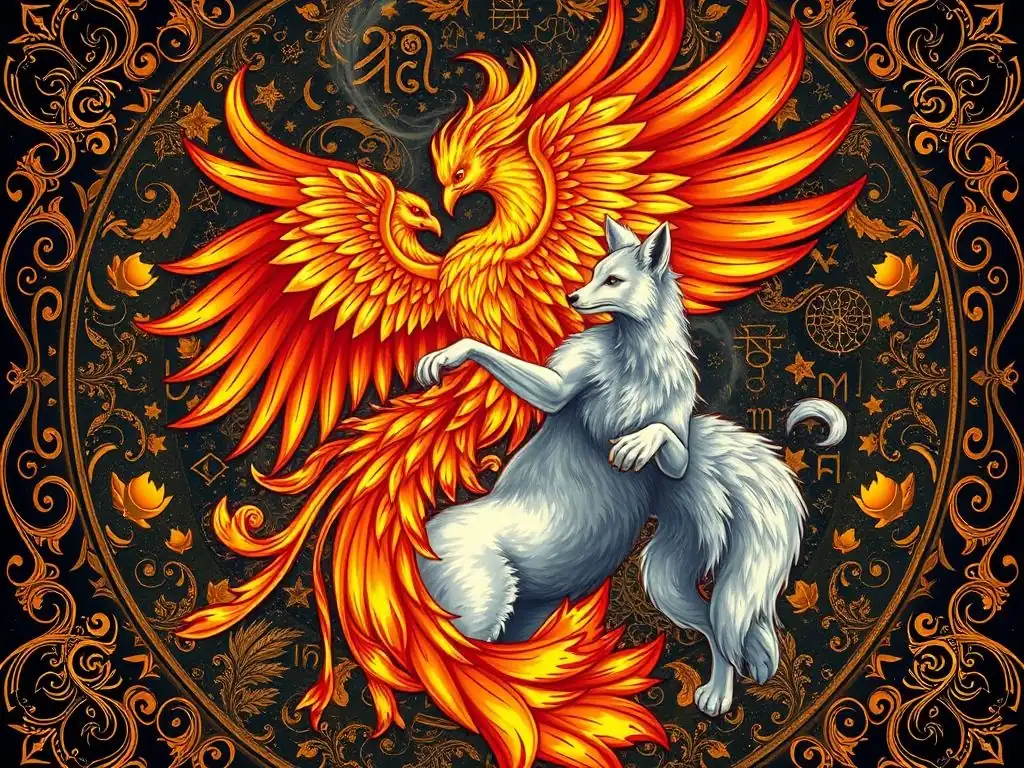
Mythical shapeshifting allies help in a variety of ways, their transformations allowing them to fulfill unique roles within the narrative. Their motivations can be complex, ranging from genuine benevolence to fulfilling divine duties, or even acting out of self-interest that coincidentally aligns with a hero's needs. Understanding these roles sheds light on why transformation is such a key aspect of their identity as helpers.
Guidance and Protection: Offering Support in Disguise
One of the most common roles for mythical shapeshifting allies is providing guidance and protection. By changing form, they can approach mortals without causing alarm (if appearing as a familiar animal or human) or gain access to situations where their true form would be unwelcome or ineffective. A Kitsune appearing as a benevolent old man might offer directions through a dangerous forest, or a Púca in horse form might carry a lost traveler home through a storm.
This element of disguise is crucial. It allows the ally to observe, assess, and intervene discreetly. The hero or mortal receiving aid might not even realize they are interacting with a powerful supernatural being until the disguise is dropped or their true nature is revealed by circumstance.
This adds a layer of mystery and often requires the recipient to trust their instincts or show kindness to a seemingly ordinary creature or person, reinforcing themes of looking beyond appearances. The aid provided is often practical—leading the way, warning of danger, or physically shielding from harm—but delivered in a form that facilitates the interaction.
Testing and Training: Challenges from Shapeshifting Mentors
Some mythical shapeshifting allies help not by offering direct, easy assistance, but by presenting challenges or trials. Figures like Proteus, who must be physically subdued through his transformations to yield his prophecy, embody this role. Their shapeshifting becomes part of the test itself – can the hero persevere, remain steadfast, and see through the shifting forms to the truth or power beneath?
These shapeshifting mentors use their ability to challenge a protagonist's resolve, patience, or perception. By appearing in different guises, they can assess a hero's character from multiple angles or force them to adapt their approach. The aid they offer is indirect; it's the wisdom, skill, or strength gained by overcoming the challenge of their transformations that ultimately helps the hero succeed in their larger quest. This type of ally pushes the hero to grow, their shapeshifting serving as a dynamic training ground.
Deception and Trickery: Allies with Ambiguous Intentions
Not all mythical shapeshifting allies help with purely selfless intentions. Figures like Loki and the Púca demonstrate that aid can stem from complex or even self-serving motives. Loki's transformations often solved a problem he created or were part of a larger, chaotic scheme that coincidentally benefited the gods. The Púca might offer help, but its capricious nature means that aid could come intertwined with mischief or a terrifying experience.
This ambiguity adds depth to the archetype. It forces the audience (and the characters in the myth) to question the nature of the help received and the trustworthiness of the helper. Is the aid a genuine gift, a transaction, or part of a larger, opaque plan? Shapeshifting facilitates this deception, allowing the ally to hide their true motives or identity until it serves their purpose to reveal it. This highlights that while mythical shapeshifting allies help, their assistance is not always straightforward or without potential cost, reflecting the unpredictable nature of the supernatural world.
Common Shapeshifting Forms Among Mythical Helpers
Mythical shapeshifting allies often adopt forms that hold symbolic significance or are practical for their intended interaction. While the possibilities are vast, certain forms appear more frequently, particularly those of animals and humans, each chosen for specific narrative purposes and inherent symbolic power. These common forms allow the mythical shapeshifting allies help blend in or stand out as needed.
Animal Forms: The Symbolic Power of Transformation
Taking animal form is perhaps the most iconic type of shapeshifting. Animals possess inherent characteristics and symbolic associations that can convey aspects of the ally's nature or the type of aid they offer. This allows them to appear as familiar creatures while possessing extraordinary abilities or knowledge, making them approachable yet still wondrous.
Birds: Messengers and Guides from Above
Birds are frequently adopted forms for mythical shapeshifting allies, symbolizing freedom, the sky, and connection to higher realms or knowledge. Their ability to fly allows them to travel vast distances, observe from above, and act as messengers between worlds.
Ravens, for example, are associated with wisdom and prophecy (like Odin's ravens, Hugin and Munin), and figures capable of transformation might appear as ravens to deliver warnings or insights. Swan-maidens, potentially linked to Valkyries or other powerful female spirits, use their swan form to journey and interact with the mortal world before returning to their supernatural existence, often acting as temporary companions or sources of otherworldly connection.
Wolves: Loyalty, Protection, and Wild Wisdom
Wolves evoke complex symbolism, representing fierce loyalty (to their pack), protection, and the untamed wisdom of the wild. While sometimes feared, they are also seen as powerful and noble creatures. Mythical shapeshifting allies might take wolf form to act as protectors, guiding heroes through dangerous wilderness or defending them from foes.
Odin's wolves, Geri and Freki, are constant companions, symbolizing his authority and the wild power he commands. A shapeshifting ally appearing as a wolf could signify a fierce, protective presence, offering aid rooted in instinct and the raw power of nature, embodying the wild aspect of mythical shapeshifting allies help.
Snakes: Healing, Renewal, and Hidden Knowledge
Snakes are potent symbols across many mythologies, primarily associated with transformation (shedding skin), healing (as seen in the Rod of Asclepius), and hidden knowledge or the chthonic realms. A mythical shapeshifting ally taking snake form might represent a connection to ancient wisdom, offer remedies, or guide someone through metaphorical or literal underworlds.
Proteus's transformation into a snake, for instance, was part of his defensive display, but snakes also carry associations with prophecy and hidden truths, aligning with his role as a source of secret knowledge that must be unearthed. Their ability to move unseen and their association with cycles of life and death make them fitting forms for allies who offer transformative aid or access to hidden truths.
Human Forms: Blending in with the Mortal World
Taking human form is perhaps the most effective disguise for mythical shapeshifting allies who wish to interact directly and seamlessly with mortals. This form allows them to walk among people, participate in human society, and offer aid without immediately revealing their supernatural nature. Kitsune and Huli Jing frequently adopt human appearances, often of great beauty or wisdom, to form relationships, share knowledge, or influence events from within human communities.
This form facilitates dialogue, mentorship, and even romantic relationships, allowing the ally to understand human concerns and offer help in a relatable manner. It also creates dramatic tension when their true nature is eventually revealed, highlighting the difference between appearance and reality. An ally in human form might be a wise elder offering counsel, a mysterious stranger providing a crucial item, or a loyal companion whose true power is only unveiled when disaster strikes. The human form is a versatile tool for mythical shapeshifting allies help integrate into the mortal sphere and deliver assistance directly.
The Significance of Shapeshifting Allies in Myth and Legend
The presence of mythical shapeshifting allies in folklore is not merely a matter of adding magical flair; it serves significant narrative and thematic purposes. These figures embody complex ideas about identity, trust, and the nature of help itself, enriching the stories they inhabit and offering insights into the cultural values of the people who created them. The concept of mythical shapeshifting allies help explore fundamental human experiences.
Exploring Themes of Trust and Deception
Shapeshifting inherently introduces themes of trust and deception. When an ally can change form, how does one know who or what they truly are? How can one be sure their intentions are benevolent when their appearance is mutable? Myths featuring shapeshifting allies often explore the challenge of discerning truth from illusion. Heroes must learn to rely on intuition, observe actions beyond appearance, or seek specific signs to verify the helper's identity and trustworthiness.
This dynamic reflects real-world challenges in judging character and motivations. The shapeshifting ally serves as a test, forcing characters (and the audience) to question assumptions based on appearance. The aid provided by mythical shapeshifting allies help is often contingent on the recipient's ability to look past the disguise, emphasizing the importance of inner qualities and consistent behavior over outward form. This tension between disguise and true nature is a core element of their narrative power.
Shapeshifting as a Metaphor for Change and Adaptation
Beyond the literal act of changing form, shapeshifting serves as a powerful metaphor for change, transformation, and adaptation. Mythical shapeshifting allies, through their very nature, embody the principle that flexibility and the ability to change one's approach or perspective are crucial for navigating challenges. They adapt their form to suit the situation, whether to gain access, escape danger, or interact effectively with different beings.
This mirrors the human need to adapt to changing circumstances, learn new skills, or even undergo personal transformation to overcome obstacles. The shapeshifting ally's fluid identity can inspire characters to be more flexible in their own journeys, suggesting that sometimes, a change in form or approach is necessary to achieve a goal. Their existence reinforces the idea that the world is not static and that success often requires embracing change, making mythical shapeshifting allies help symbolize resilience and adaptability.
The Enduring Appeal of Mythical Shapeshifting Allies
The archetype of the shapeshifting ally holds a persistent fascination for audiences across cultures and eras. Their appeal lies in a combination of mystery, power, and the tantalizing idea that help can come from the most unexpected sources, often hidden in plain sight. They represent the unknown forces in the world that might intervene on humanity's behalf, albeit in unpredictable ways.
Their ability to shift form makes them inherently dynamic and exciting characters. Will the fox spirit remain a loyal wife, or will she reveal her powerful, magical form? Will the terrifying Púca lead you astray or safely home? This uncertainty keeps narratives engaging. Mythical shapeshifting allies help tap into a primal sense of wonder about the natural world and the hidden powers that might reside within it, making them enduring figures in the landscape of myth and legend.
Distinguishing Between Benevolent and Malevolent Shapeshifters
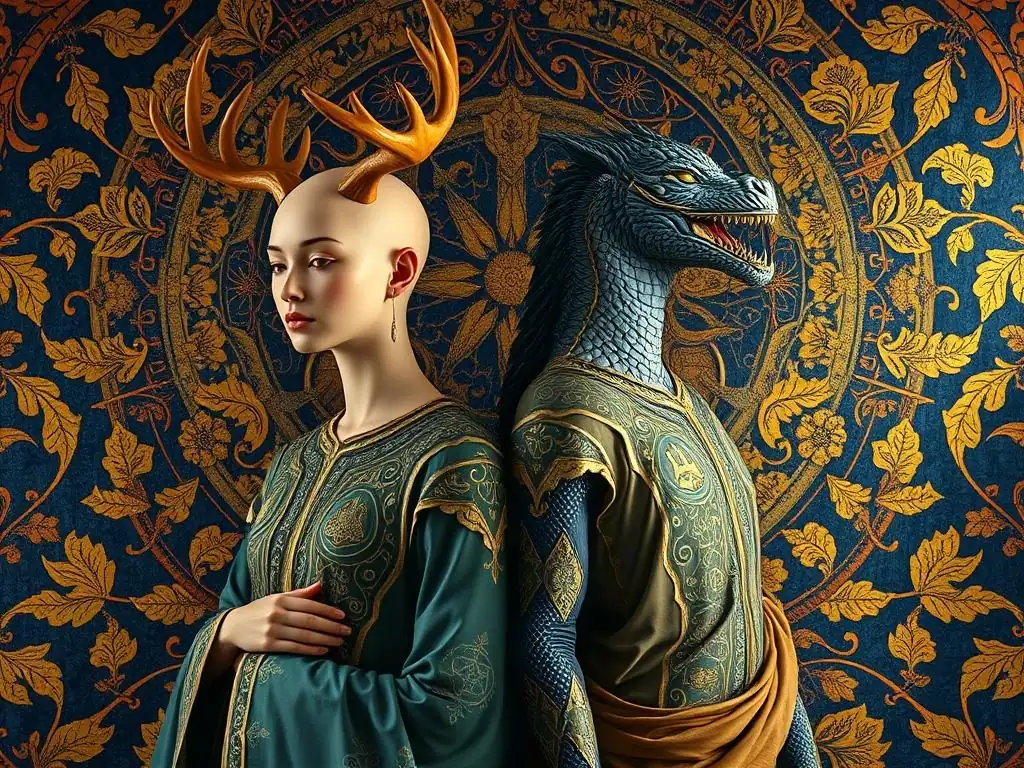
Given that shapeshifting is also a common trait among tricksters and villains in mythology, distinguishing between a benevolent shapeshifting ally and a deceptive or malevolent one is crucial for characters within the myth and for understanding the stories. While the lines can sometimes blur, particularly with figures like Loki or the Púca, certain traits and narrative contexts help differentiate those who genuinely aid from those who seek to harm or mislead.
Identifying the Traits of Helpful Shapeshifting Entities
Benevolent mythical shapeshifting allies help through actions that consistently benefit the protagonist or their community, even if their methods are unconventional. Key traits often include:
- Consistent Positive Outcome: Despite their form changes or initial appearance, their intervention ultimately leads to a favorable result for those they aid.
- Offering Genuine Wisdom/Guidance: They provide information or direction that proves accurate and helpful, rather than misleading.
- Revealing True Nature (Eventually): While they may initially hide their form, benevolent allies often reveal their true nature or power when it is necessary for understanding, trust, or overcoming a major obstacle.
- Respect for Reciprocity: While some may test, they typically don't demand exorbitant or harmful prices for their aid, and sometimes their help is unconditional.
- Alignment with Positive Forces: In some mythologies, benevolent shapeshifters are associated with deities or forces considered beneficial (like Kitsune with Inari).
For instance, a Kitsune bringing prosperity to a family year after year through subtle means, or a Púca ensuring a farmer's harvest is successful after a strange encounter, demonstrates a pattern of positive impact that differentiates them from purely malevolent entities.
Avoiding the Traps of Deceptive Shapeshifters
Conversely, deceptive or malevolent shapeshifters use their abilities to manipulate, harm, or entrap. Warning signs that a shapeshifting entity might not be a true ally include:
- Harmful or Destructive Outcomes: Their actions, despite appearing helpful initially, lead to misfortune, chaos, or destruction for the recipient or others. Loki's more destructive schemes, even when involving transformation, fall into this category.
- Misleading Information: They provide false guidance or prophecies that lead characters into danger or failure.
- Using Transformation for Cruelty/Entrapment: Their form changes are used to frighten, trick, or trap victims rather than to facilitate aid.
- Demanding High or Harmful Prices: Any aid offered comes with an unreasonable, dangerous, or morally compromising cost.
- Inconsistent or Cruel Behavior: Their actions are unpredictable in a harmful way, shifting between helpfulness and malice without clear reason.
Recognizing these patterns within the narrative is essential for characters to navigate the complex world of mythical shapeshifters and discern which transformations represent genuine aid and which are dangerous illusions. The mythical shapeshifting allies help premise relies on this potential for ambiguity.
The Legacy of Mythical Shapeshifting Allies in Modern Culture
The compelling archetype of the mythical shapeshifting ally continues to resonate in contemporary storytelling, finding new life in fantasy literature, film, television, and video games. Modern creators draw upon the rich traditions of folklore to craft characters who embody transformation, mystery, and the power of unconventional assistance. The enduring appeal of mythical shapeshifting allies help fuel new narratives across media.
Shapeshifting in Contemporary Fantasy Literature
Contemporary fantasy literature frequently features characters who can change form and serve as allies to the protagonist. These figures often act as mentors, guides, or protectors, using their abilities to gather intelligence, infiltrate enemy territory, or provide unexpected physical aid. This mirrors the roles of traditional mythical shapeshifting allies help found in folklore.
Authors often explore the psychological and social implications of shapeshifting, delving into themes of identity, belonging, and the challenge of maintaining trust when one's form is fluid. Characters might struggle with controlling their abilities or face prejudice from those who fear their transformative nature. The shapeshifting ally in modern fantasy often provides a unique perspective on the world, having experienced life from multiple forms, offering wisdom that transcends a single viewpoint.
Shapeshifting in Film and Television
Visual media provides a powerful platform for depicting shapeshifting, making the transformations of mythical allies a striking spectacle. Film and television adaptations of myths or original fantasy stories feature characters who use shapeshifting to blend in, escape, or unleash hidden power in moments of crisis. These portrayals often emphasize the dramatic reveal of the true form, highlighting the disparity between appearance and reality.
Shapeshifting allies in film and television can serve diverse narrative functions, from comedic relief (due to transformations gone awry) to sources of awe-inspiring power or profound emotional depth. Their ability to change form is often used to create plot twists, facilitate complex schemes, or visually represent a character's inner turmoil or growth. The visual element enhances the mystery and power associated with mythical shapeshifting allies help drive the plot forward.
The Archetype of the Shapeshifting Mentor
A particularly enduring manifestation of the shapeshifting ally in modern culture is the archetype of the shapeshifting mentor. This character uses their ability to change form not just for practical aid, but as a pedagogical tool. They might appear in different guises to test a student, offer lessons from varied perspectives, or reveal the truth about a situation by showing it from an unexpected viewpoint (e.g., taking the form of an animal to observe something unnoticed by humans).
This archetype emphasizes that wisdom can come in many forms and that the greatest lessons often require seeing the world differently. The shapeshifting mentor challenges protagonists to look beyond the surface, questioning appearances and trusting their intuition. They embody adaptability and the idea that growth comes through transformation, making them powerful and symbolic figures in contemporary narratives that draw inspiration from the ancient concept of mythical shapeshifting allies help guide heroes.
Conclusion: Celebrating the Enigmatic Nature of Mythical Shapeshifting Helpers
The Enduring Allure of Transformation and Assistance in Folklore
The figures of mythical shapeshifting allies populate the folklore of cultures across the globe, from the cunning Kitsune of Japan to the unpredictable Púca of Ireland and the form-changing Proteus of Greece. These beings, capable of altering their physical form at will, add layers of magic, mystery, and complexity to the narratives they inhabit. They serve as powerful reminders that help can come from the most unexpected sources, often hidden beneath a different guise, embodying the principle that mythical shapeshifting allies help bridge the gap between the mundane and the magical.
Their ability to transform allows them to fulfill vital roles: providing crucial guidance, offering protection in disguise, testing the mettle of heroes, and sometimes even delivering aid through trickery. Whether appearing as a wise animal, a mysterious stranger, or a force of nature, their changing forms reflect the dynamic and often unpredictable nature of the world and the challenges it presents.
The stories of these helpers explore fundamental human themes of trust, perception, adaptation, and the enduring power of both disguise and revelation. The concept of mythical shapeshifting allies help reminds us to look beyond the surface and appreciate the hidden depths and potential for aid that exist within the world's myths and legends.
Frequently Asked Questions
### What is shapeshifting in the context of mythology, and how does it relate to the concept of allies?
Shapeshifting refers to the ability to transform one's physical form. In mythology, shapeshifting allies are beings who use this ability to aid or protect heroes.
### Can you give some examples of mythical creatures known for shapeshifting who act as allies?
Many cultures feature such figures. Examples include the kitsune (fox spirit) in Japanese folklore, often acting as a benevolent guide, and certain deities in Greek myths who disguise themselves to assist mortals.
### What roles do shapeshifting allies typically play in the myths and legends where they appear?
They often serve as mentors, protectors, or guides. Their shapeshifting abilities can be used for deception, rescue, or providing crucial information.
### What are some common motivations for a shapeshifting being to become an ally to a human in mythology?
Motivations range from divine intervention and romantic interest to a sense of duty or a desire for companionship. They might also be seeking to repay a debt or fulfill a prophecy.
### How might the concept of shapeshifting allies reflect cultural values or beliefs in the societies where these myths originated?
The presence of such figures can reflect beliefs in the fluidity of identity, the power of transformation, and the potential for aid from the supernatural realm. It may also highlight the importance of recognizing true intentions beneath appearances.
Final Reflection: The Enduring Power of Transformation
The ability to shift form, to adapt and evolve, is not just a fantastical element of myth; it's a crucial survival mechanism mirrored in our own lives. The mythical shapeshifters explored in this article – from the helpful trickster to the powerful guardian – represent more than just magical beings; they embody the resilience and adaptability necessary to navigate a constantly changing world. Their power lies not just in their ability to change form, but in their willingness to do so for the greater good, offering aid and protection in unexpected guises.
The enduring fascination with shapeshifting allies speaks volumes about our own deep-seated need for transformation and support. We crave the ability to overcome obstacles, to find strength in unexpected places, and to adapt to challenges that threaten to overwhelm us. The only constant in life is change,
Heraclitus famously observed, and the enduring presence of these shapeshifting figures in mythology across cultures underscores the timeless truth of this statement. Their stories remind us that help can come from the most unexpected sources, and that sometimes, the greatest strength lies in our capacity to change and grow.
Consider the lessons of these mythical allies. What aspects of your own life require a shift in perspective, a change in approach, or a willingness to embrace the unknown? Embrace the power of transformation within yourself. Seek out the unexpected allies in your own life – those who offer support in unconventional ways – and remember the enduring power of adaptation, resilience, and the courage to change form when necessary. The journey of self-discovery, much like the journey of a shapeshifter, is a constant process of becoming.
Unleash Your Inner Shapeshifter: Embrace the Power of Transformation!
Thanks for diving into the fascinating world of mythical shapeshifters! We hope you've gained a newfound appreciation for the power of transformation and the unexpected allies we can find in the most unlikely forms. Ready to take this journey further?
- Craft your own mythical helper: Let your imagination run wild! Design a creature with unique abilities and a transformative power – sketch it out, write a short story, or even build a 3D model. Let your creativity flow!
- Share your creation: Inspire others by posting your design on social media (using #MythicalHelpers). Who knows, you might spark a whole new mythology!
- Explore the symbolism further: Research how shapeshifting figures into other cultures' myths and legends. You might uncover surprising connections!
So, what unexpected form will your next great adventure take?