
The Underworld Beckons: Hades, Hell, and the Afterlife in Pop Culture

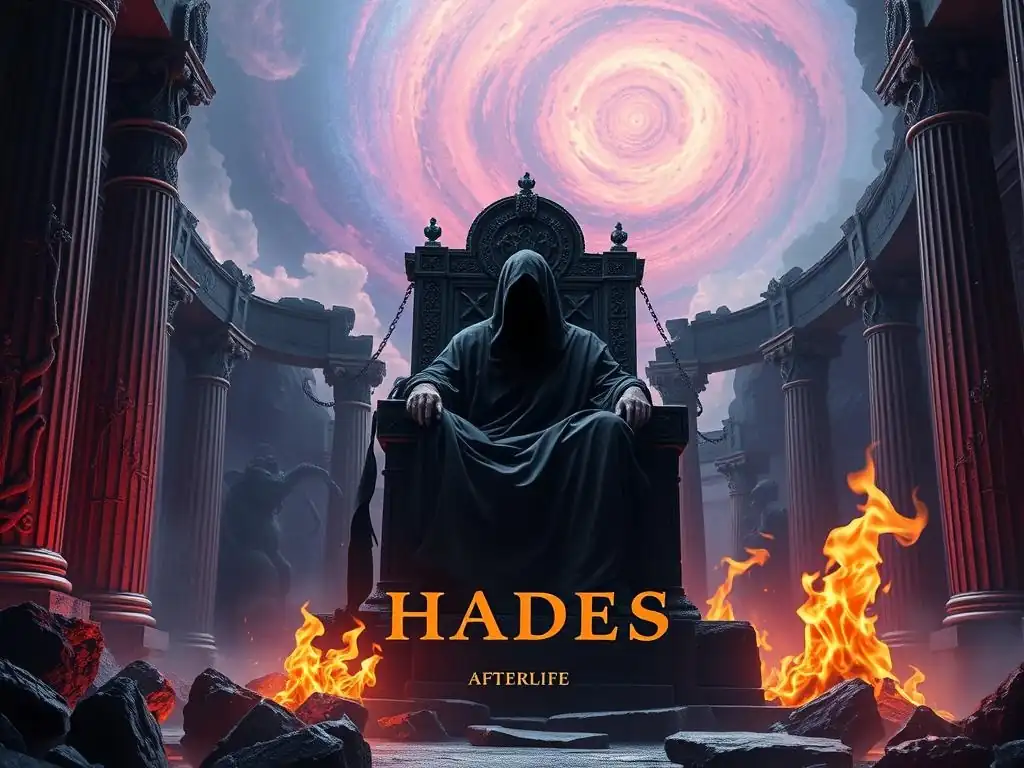
Welcome, wanderer, to Mythology and Legends, where ancient tales breathe anew. Ever wondered how the grim reign of Hades continues to echo through our modern world? Delve into the shadows as we explore how the Hades afterlife and its dark allure seep into pop culture themes, influencing everything from video games to blockbuster movies. Prepare to descend into a fascinating exploration – what awaits you in the underworld's reflection?
- Hell's Influence: Christian Eschatology and its Manifestations in Popular Media
-
Frequently Asked Questions
- What is the primary focus of the article, "The Underworld Beckons: Hades, Hell, and the Afterlife in Pop Culture"?
- How does the article connect ancient mythology to modern entertainment?
- What are some examples of "pop culture" that the article might discuss?
- Does the article explore the impact of different cultures' views on the afterlife?
- What key takeaway does the article want readers to gain about Hades and the afterlife?
- Final Reflection: Echoes of the Underworld in Our Modern World
- Unearth Your Inner Mythologist: Delve Deeper into the Underworld!
Hell's Influence: Christian Eschatology and its Manifestations in Popular Media
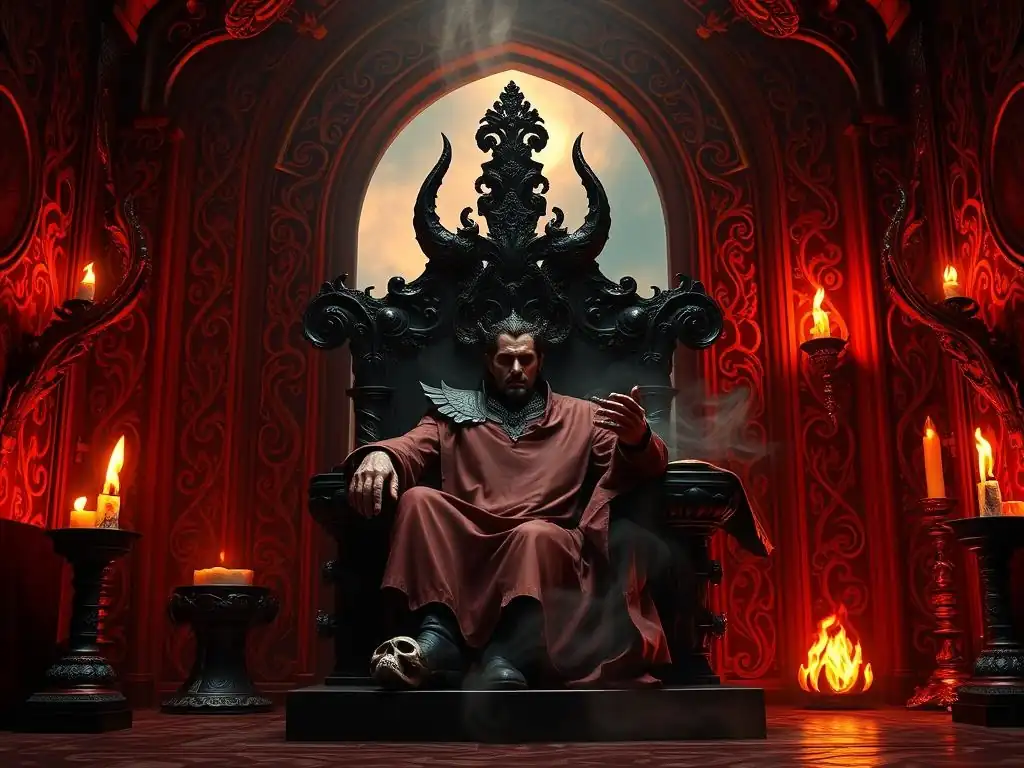
Christian eschatology, particularly the concept of Hell as a place of eternal damnation, has profoundly shaped Western culture's understanding of the afterlife and significantly influences Hades afterlife pop culture themes. This influence is pervasive, appearing in countless forms of media, often drawing directly from theological texts and artistic interpretations developed over centuries. The imagery associated with Hell—fire, demons, eternal suffering—is instantly recognizable and serves as a powerful narrative tool to explore themes of sin, punishment, and morality.
The enduring power of Hell in pop culture stems from its role as the ultimate consequence for moral failings. It provides a stark contrast to concepts of paradise or heavenly reward, creating a dualistic view of the afterlife that is inherently dramatic. This framework allows storytellers to create high stakes, explore complex moral dilemmas, and craft compelling antagonists and settings, contributing significantly to the diverse landscape of Hades afterlife pop culture themes.
The Depiction of Hell: Fire, Brimstone, and Eternal Torment
The popular image of Hell is heavily influenced by medieval Christian art and literature, notably Dante's Inferno. This vision typically includes lakes of fire, sulfurous landscapes (hence "brimstone"), and various forms of physical and psychological torture tailored to specific sins. Demons, often depicted as grotesque figures with horns, tails, and bat-like wings, act as tormentors under the dominion of Satan or Lucifer. This visual lexicon is so ingrained that it serves as a shorthand for ultimate evil and suffering in Hades afterlife pop culture themes.
Beyond the physical torment, depictions of Hell often emphasize the eternal nature of the punishment and the complete absence of hope or divine grace. The sheer scale of suffering, involving billions of souls across countless eons, is a terrifying concept that resonates deeply. This focus on unending despair and the loss of any connection to the divine realm or loved ones forms a core element of Hell's horror and distinguishes it from some other afterlife concepts explored within Hades afterlife pop culture themes.
Hell in Film and Television: "Constantine," "What Dreams May Come"
Films like "Constantine" (2005) offer a gritty, urban fantasy take on the battle against demonic forces, with glimpses into a grim, industrial vision of Hell. In this portrayal, Hell is not just a place of fire but a desolate, suffocating dimension filled with ash, decay, and monstrous entities. The film showcases the constant encroachment of Hell's influence on the mortal world, highlighting the permeable boundary between dimensions and the active role of demons in human affairs, adding a modern edge to Hades afterlife pop culture themes.
In stark contrast, "What Dreams May Come" (1998) presents a highly metaphorical and visually stunning interpretation of Hell as a landscape born from the tormented mind of the damned soul. It depicts a world of twisted, nightmarish beauty and agonizing isolation, where individuals are trapped by their own despair and unresolved psychological issues. This film emphasizes that Hell is less about external punishment and more about internal suffering and the inability to escape one's own negative state, contributing a unique psychological dimension to Hades afterlife pop culture themes.
Hell in Video Games: "Doom" series, "Dante's Inferno"
The "Doom" series is perhaps the quintessential example of Hell's depiction in video games, presenting it as a brutal, blood-soaked dimension populated by legions of aggressive demons. The gameplay revolves around intense combat against these infernal forces, often within environments that blend technological installations with organic, grotesque hellscapes of flesh, bone, and molten rock. This portrayal focuses on Hell as a physical threat and a source of monstrous power, framing the conflict as a visceral war against evil, a common thread in Hades afterlife pop culture themes.
"Dante's Inferno" (2010) directly adapts the literary classic, taking players on a journey through the nine circles of Hell as described by Dante Alighieri. The game meticulously recreates the horrific punishments and monstrous inhabitants of each circle, from the gluttonous wallowing in filth to the treacherous frozen in ice. While taking creative liberties for gameplay, it provides a detailed visual and interactive exploration of a specific, influential vision of Hell, offering a direct link between classic literature and modern Hades afterlife pop culture themes.
Hell in Literature: "Inferno" (Dante Alighieri), "Paradise Lost" (John Milton)
Dante Alighieri's Inferno, the first part of his 14th-century epic poem Divine Comedy, remains the single most influential literary depiction of Hell in Western culture. Dante's journey through nine concentric circles, each housing sinners punished according to the nature of their sins (contrapasso), provides a detailed, structured, and terrifyingly imaginative geography of damnation. This work codified many of the visual and thematic elements associated with Hell, from specific demons like Minos and Cerberus to the concept of tailored eternal suffering, profoundly impacting subsequent Hades afterlife pop culture themes.
John Milton's 17th-century epic poem Paradise Lost focuses more on the nature of Satan and the fall of the rebellious angels into Hell, depicting it primarily as a state of mind ("The mind is its own place, and in itself / Can make a Heav'n of Hell, a Hell of Heav'n") but also as a physical location, Pandemonium, the capital of Hell. Milton's work humanized the devils, giving them complex motivations and rhetoric, particularly Satan, who is portrayed as a charismatic, albeit prideful, leader.
This exploration of the psychology of fallen beings and the political structure of Hell added layers of complexity to the infernal realm, influencing how antagonists are portrayed in Hades afterlife pop culture themes.
Frequently Asked Questions
What is the primary focus of the article, "The Underworld Beckons: Hades, Hell, and the Afterlife in Pop Culture"?
The article examines the representation of Hades, hell, and the afterlife across various forms of pop culture, drawing connections to their mythological origins. It explores how these concepts have been adapted and reinterpreted.
How does the article connect ancient mythology to modern entertainment?
The article traces the evolution of Hades and the afterlife from ancient myths and legends to their modern depictions in films, television, and video games. It highlights recurring pop culture themes rooted in these stories.
What are some examples of "pop culture" that the article might discuss?
The article likely explores examples like Disney's Hercules, the Percy Jackson series, video games like Hades, or even TV shows that incorporate Hades or afterlife-related narratives. These examples help illustrate the endurance of these mythological themes.
Does the article explore the impact of different cultures' views on the afterlife?
Yes, the article delves into how different cultural perspectives on death and the afterlife, including those associated with Hades and hell, influence their depiction in pop culture. This offers a broader understanding of these complex themes.
What key takeaway does the article want readers to gain about Hades and the afterlife?
The article aims to show how the enduring appeal of Hades and the afterlife stems from their rich mythological history and their continued relevance to pop culture themes, reflecting our ongoing fascination with mortality and the unknown.
Final Reflection: Echoes of the Underworld in Our Modern World
The enduring fascination with Hades, Hell, and the afterlife, as explored throughout this article, isn't merely a historical curiosity; it's a vibrant reflection of our ongoing anxieties and aspirations. Our collective obsession with the underworld, manifested in countless films, games, and literature, speaks volumes about our deepest fears and our persistent hope for meaning beyond the mortal coil. The ways in which we portray Hades—as a terrifying tyrant, a misunderstood god, or even a sympathetic figure—reveal much about our own evolving understanding of morality, justice, and the human condition.
The influence of these underworld narratives on our cultural landscape is undeniable, shaping our understanding of good versus evil, punishment versus redemption, and the very nature of existence itself. These stories, passed down through millennia, continue to resonate because they grapple with fundamental questions that plague humanity. As the poet W.B. Yeats wrote, Things fall apart; the centre cannot hold; / Mere anarchy is loosed upon the world.
This sense of chaos and the yearning for order, for meaning in the face of oblivion, is precisely what fuels our fascination with the underworld and its myriad interpretations.
Consider the themes presented throughout this article – the power dynamics, the moral ambiguities, the persistent search for meaning in the face of death. These are not abstract concepts; they are deeply personal and relevant to each of our lives. I invite you to reflect on your own relationship with these concepts. What aspects of the underworld resonate most with you? What fears or hopes do these narratives evoke? By engaging with these powerful narratives, we can gain a deeper understanding of ourselves and our place in the grand, often unsettling, story of existence.
Unearth Your Inner Mythologist: Delve Deeper into the Underworld!
Thanks for exploring the fascinating world of Hades and the afterlife with us! You've now gained a fresh perspective on how mythology shapes our modern narratives. Ready to take your newfound knowledge further?
- Craft your own Underworld character: Let your imagination run wild! Design a unique god, monster, or hero from the depths of Hades. Share your creation in the comments below – we'd love to see it!
- Explore related myths: Dive deeper into Greek mythology by researching Persephone's abduction or the stories of other underworld figures.
- Share this article: Spread the word and ignite conversations about the enduring power of mythology with your friends and family.
What unique aspect of the Underworld mythologies most captivated your imagination, and why?