
Ancestral Altars: Portals to the Spirit Realm at Home

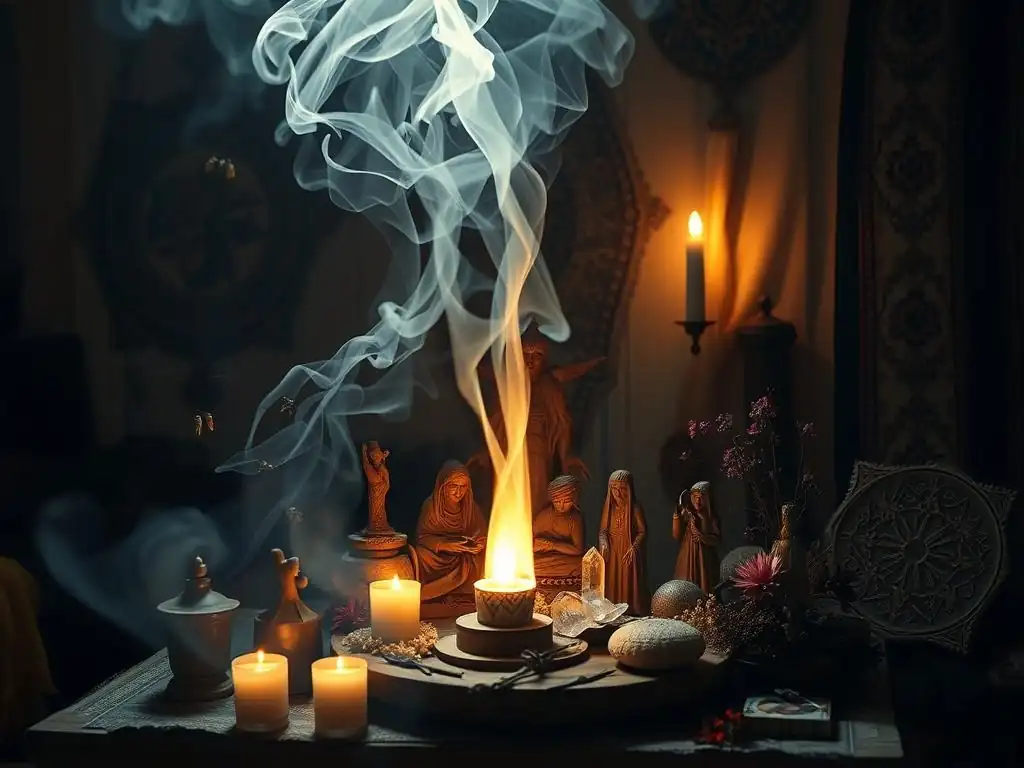
Welcome to Mythology and Legends, where we delve into the fascinating tapestry of global narratives. Ever wondered how to connect with the unseen world from the comfort of your own home? Then journey with us as we explore the captivating tradition of the home altar spirit realm, particularly within the rich context of African and Caribbean folklore. Prepare to uncover the secrets and significance of these sacred spaces and the powerful connections they foster.
- Introduction: Connecting with Ancestors Through Home Altars
- Understanding the Ancestral Spirit Realm in Folklore
- Building Your Own Ancestral Altar: A Step-by-Step Guide
- Honoring Ancestors Through Rituals and Offerings at Your Home Altar
- Maintaining and Cleansing Your Ancestral Altar
- Types of Ancestral Altars in African and Caribbean Traditions
- The Power of Ancestral Connection: Benefits of Maintaining a Home Altar
- Troubleshooting Common Issues with Ancestral Altars
- Conclusion: Embracing the Legacy of Ancestors Through Home Altars
-
Frequently Asked Questions
- What is a home altar, and how does it relate to the spirit realm?
- Why would someone want to create a home altar for the spirit realm?
- What are some common items found on a home altar dedicated to the spirit realm?
- How do different cultures approach the creation and use of home altars for connecting with the spirit realm?
- What are some guidelines for maintaining a respectful and effective home altar for the spirit realm?
- Final Reflection: Honoring Our Ancestors, Connecting to the Divine
- Unlock Your Ancestral Wisdom: Connect with Your Heritage Today!
Introduction: Connecting with Ancestors Through Home Altars
The Significance of Ancestral Veneration in African and Caribbean Traditions
Ancestral veneration, the practice of honoring deceased family members, holds profound significance across numerous African and Caribbean cultures. It is not merely a historical curiosity but a living, dynamic aspect of spiritual and social life. This veneration often involves establishing a home altar spirit realm connection, seen as a vital link between the physical world and the ancestral plane. For many, ancestors are not distant figures but active participants in the lives of the living, offering guidance, protection, and wisdom.
This deep-seated respect for ancestors is rooted in the belief that death is a transition, not an end. The spirits of the departed continue to exist and influence the world of the living. In cultures like the Yoruba of West Africa, the Egungun masquerade tradition is a powerful example, where initiated members embody ancestral spirits to bring blessings and resolve disputes within the community. Similarly, in Haitian Vodou, the Gede spirits, often associated with death and ancestry, are revered and communicated with through specific rituals and altars, emphasizing the continuous relationship between the living and the dead.
Creating a Sacred Space for Connection
Establishing a dedicated space, often referred to as a home altar, is a fundamental practice for fostering a connection with the ancestral spirit realm. This physical location serves as a focal point for remembrance, prayer, and offerings, acting as a bridge between the material world and the spiritual dimension inhabited by ancestors. The creation of such a space is a deliberate act of intention, setting aside a corner or surface as sacred ground specifically for ancestral interaction.
This sacred space is more than just a collection of objects; it is imbued with meaning and energy through ritual and devotion. It provides a tangible anchor for spiritual practices aimed at honoring those who have passed. Whether simple or elaborate, a home altar spirit realm setup facilitates communication and interaction, allowing individuals and families to seek guidance, offer gratitude, and maintain familial bonds that transcend physical death. The act of creating and maintaining this space is an ongoing dialogue with the past and a pathway to spiritual nourishment.
Understanding the Ancestral Spirit Realm in Folklore
Defining the Realm of Ancestors: A Cultural Perspective
Across African and Caribbean folklore, the ancestral spirit realm is conceived in diverse yet often overlapping ways. It is typically understood as a distinct dimension or plane of existence where the spirits of the deceased reside. This realm is not necessarily a distant, ethereal heaven but can be perceived as closely connected to the physical world, sometimes even coexisting with it. In many traditions, ancestors are believed to inhabit a spiritual plane from which they can observe and interact with their living descendants.
For instance, within some Akan traditions of Ghana, the land itself is seen as intrinsically linked to ancestors, who are buried within it and whose spirits are believed to reside there, watching over the community. In the Caribbean, traditions influenced by Kongo cosmology, such as those found in parts of Cuba (Palo) and Haiti (Vodou), often describe the ancestral realm as accessible through specific points or crossroads, emphasizing its proximity and the possibility of traversing between worlds.
This concept of a proximate ancestral realm is key to understanding why a home altar spirit realm connection is considered viable and effective.
The Role of Ancestral Spirits in Daily Life and Protection
Ancestral spirits are far from passive entities in these cultural frameworks; they are believed to play an active and crucial role in the daily lives of their descendants. Their influence extends to matters of health, prosperity, family harmony, and protection from harm. Seeking the favor and guidance of ancestors is a common practice before undertaking significant endeavors, making important decisions, or facing challenges.
In many communities, misfortunes or illnesses might be attributed to neglecting ancestral duties or displeasing the spirits, reinforcing the importance of maintaining a respectful relationship. Conversely, blessings and good fortune are often seen as gifts bestowed by benevolent ancestors. In Jamaican Maroon communities, for example, ancestral spirits (Kumanti) are invoked for protection and guidance, particularly in times of conflict or need, highlighting their perceived power and continued involvement in communal welfare. The home altar spirit realm serves as the primary point of contact for soliciting this vital support.
Distinguishing Between Ancestral Spirits, Deities, and Other Entities
While the ancestral spirit realm is central, it is important to distinguish ancestral spirits from other types of spiritual entities recognized in African and Caribbean traditions, such as deities (Orishas, Lwas, Abosom) or nature spirits. Deities are generally seen as more powerful, universal forces or archetypes associated with creation, natural phenomena, or specific aspects of human experience, existing independently of a specific family lineage. Ancestral spirits, conversely, are specifically the spirits of one's own deceased relatives.
For example, in Yoruba belief, Obatala is a major Orisha associated with creation and purity, distinct from the Egungun (ancestral spirits) who are tied to specific family lines. In Haitian Vodou, Lwas like Ogou (spirit of iron, war, and labor) are distinct from the Gede (ancestits and spirits of the dead). While interactions with deities and nature spirits often occur at communal shrines or specific natural sites, the home altar spirit realm is predominantly focused on connecting with one's direct lineage. This distinction is crucial for understanding the specific purpose and function of a home altar dedicated to ancestors.
Building Your Own Ancestral Altar: A Step-by-Step Guide
Choosing a Location: Finding the Right Space for Your Altar
Selecting the appropriate location for your ancestral altar is the foundational step in creating a dedicated space for connecting with the home altar spirit realm. The chosen spot should ideally be clean, quiet, and relatively undisturbed, allowing for focused reflection and ritual. It should feel sacred and respectful. Many people choose a corner in their living room, a shelf in a bedroom, or even a dedicated table. Avoid placing the altar in areas associated with waste or excessive clutter, such as near bathrooms or storage areas, as this can be seen as disrespectful.
The orientation of the altar can also hold significance in some traditions. For example, in some African-American Hoodoo practices, altars are sometimes oriented towards the East, the direction of the rising sun and new beginnings. However, the most critical factor is that the location feels right and accessible to you, facilitating regular interaction. Consider a space where you can comfortably sit or stand before the altar for prayer and contemplation without interruption.
Selecting Objects for the Altar: Symbols and Personal Items
The objects placed on an ancestral altar are deeply personal and symbolic, serving as tangible links to the ancestral spirit realm. These items should evoke memories, represent the individuals being honored, or symbolize the connection between worlds. Photographs of deceased relatives are common and powerful additions, providing a visual focus for remembrance. Heirloom items, such as jewelry, tools, or decorative objects that belonged to ancestors, are also highly valued as they carry their energy.
Other meaningful items might include objects representing their hobbies or professions, their favorite foods or drinks (as offerings), or items that simply remind you of them. The selection process is intuitive and guided by personal connection. There is no strict universal list; what matters is that each item holds significance for you and helps you feel closer to the ancestors you are honoring. This collection of objects transforms a simple space into a potent home altar spirit realm portal.
Essential Elements of an Ancestral Altar: Examples from Yoruba, Kongo, and Haitian Vodou Traditions
While personal items are key, certain elements are considered essential or commonly used across various African and Caribbean traditions to facilitate connection with the ancestral spirit realm. These elements often include representations of the ancestors themselves, offerings, and tools for communication.
In Yoruba-influenced traditions, a prominent feature might be a designated area for offerings, sometimes including specific foods or drinks the ancestors enjoyed. White cloths or candles are often used to symbolize purity and the spiritual realm. In Kongo-derived practices, such as Palo Mayombe, altars (often called nganga or prendas) are highly complex and contain earth, bones, and other powerful elements representing the connection to the land and the dead. A simpler home altar might include soil from a significant place or items representing the four elements.
Haitian Vodou altars for the Gede spirits often feature items associated with death and transition, such as skulls (symbolic), crosses, rum, coffee, and specific colors like black, white, and purple. Across these traditions, a glass of water is almost universally present, symbolizing the flow between worlds and providing spiritual refreshment for the ancestors. These elements collectively strengthen the home altar spirit realm connection.
Honoring Ancestors Through Rituals and Offerings at Your Home Altar
Performing Regular Rituals: Prayers, Libations, and Candle Lighting
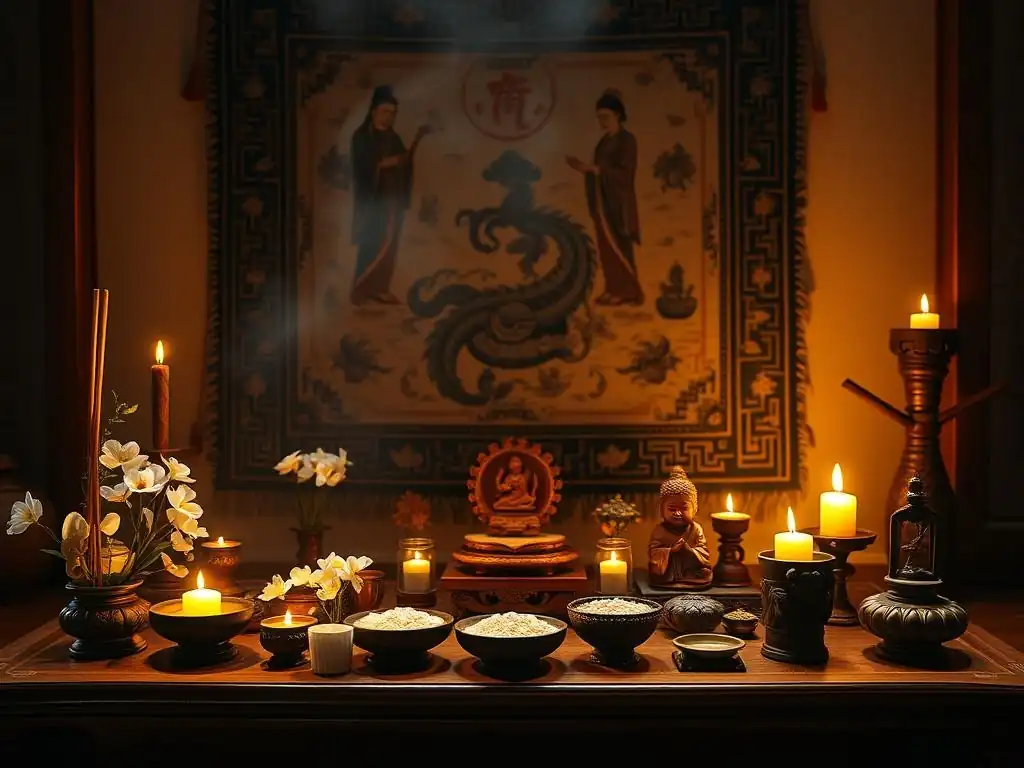
Consistent ritual practice is fundamental to maintaining a vibrant connection with the ancestral spirit realm through your home altar. Regular engagement demonstrates respect and keeps the lines of communication open. Simple daily or weekly rituals can include greeting the ancestors, speaking to them, and expressing gratitude. Praying at the altar is a direct way to communicate your thoughts, concerns, and hopes.
Libations, the pouring of liquids (often water, alcohol, or coffee) onto the earth or into a designated vessel at the altar, are a widespread practice across many traditions. This act symbolizes sharing a drink with the ancestors and nourishing their spirits. Lighting candles is another common ritual, providing light for the ancestors' journey and creating a sacred ambiance.
A white candle is often used for general ancestral veneration, though specific colors might be employed depending on the tradition or the specific ancestor being honored. For example, in some Vodou practices, black and purple candles are associated with the Gede. Performing these rituals consistently reinforces the purpose of the home altar spirit realm as a dynamic point of interaction.
Making Offerings: Food, Drinks, and Symbolic Gifts
Offerings are a tangible expression of love, respect, and gratitude towards the ancestral spirit realm. They are seen as sustenance and gifts for the ancestors, strengthening the bond between the living and the dead. Food offerings are particularly significant. This can range from small portions of your own meals to preparing specific dishes that the ancestors enjoyed in life. Fresh fruit, bread, cooked meals, and sweets are common offerings.
Drinks, as mentioned with libations, are also crucial. Water, coffee, rum, or other preferred beverages are offered. Beyond consumables, symbolic gifts like flowers, tobacco, coins, or items representing the ancestor's personality or interests can be placed on the altar. The key is that the offering is made with sincere intention and respect. Offerings should be removed after a period (typically 24-48 hours) as they are believed to have been spiritually consumed, and then disposed of respectfully, often by returning them to the earth. This practice is integral to engaging with the home altar spirit realm.
Communicating with Ancestors: Prayers, Meditation, and Dreams
Communication with the ancestral spirit realm is a two-way street, involving both speaking to the ancestors and being open to receiving their messages. While direct conversation at the altar through prayer is common, communication can also occur through more subtle means. Meditation before the altar, focusing on an ancestor, can open channels for receiving intuitive guidance or insights.
Dreams are often considered a primary avenue for ancestral communication. Messages, warnings, or advice may be conveyed through symbolic or literal dreams. Keeping a dream journal near the altar can be helpful in recording and interpreting these messages. Some individuals also use divination methods, such as throwing bones, cowrie shells, or using cards, at the altar to seek specific answers from their ancestors. Developing a receptive state of mind and paying attention to signs and synchronicities in daily life are also part of this ongoing dialogue with the home altar spirit realm.
Maintaining and Cleansing Your Ancestral Altar
Regular Cleaning and Upkeep: Respecting the Sacred Space
Maintaining cleanliness and order on your ancestral altar is not just about tidiness; it is an act of respect for the sacred space and the spirits it honors. A neglected altar can be seen as disrespectful to the ancestral spirit realm and may hinder communication. Regular cleaning involves dusting the surface and the objects, ensuring offerings are fresh (or respectfully disposed of), and replacing candle wax.
The frequency of cleaning depends on personal practice, but a weekly or bi-weekly wipe-down is a good general guideline. Ensure that the cleaning supplies used are clean themselves. Some practitioners use spiritually charged water (such as Florida Water or water infused with herbs) for cleaning the altar space. This consistent upkeep demonstrates your commitment and reverence, ensuring the home altar spirit realm remains a welcoming and potent space.
Identifying and Addressing Negative Energy: Cleansing Rituals and Practices
Like any spiritual space, an ancestral altar can sometimes accumulate negative energy, which might manifest as feelings of unease, stagnant energy around the altar, or a perceived blockage in communication. Identifying this requires intuition and paying attention to the atmosphere of the space. If you sense negativity, cleansing rituals are necessary to restore the altar's purity and efficacy as a home altar spirit realm portal.
Cleansing practices vary but often involve sweeping the area around the altar with a spiritual broom (often made specifically for this purpose), smudging with sacred herbs like sage or palo santo (ensuring proper ventilation), or sprinkling florida water or holy water. Visualizing white light filling the space and mentally (or verbally) commanding any negative energy to depart is also a powerful technique. These rituals help to clear away unwanted influences and maintain a positive connection with benevolent ancestors.
Renewing the Altar: Refreshing Offerings and Objects
Periodically renewing the altar goes beyond simple cleaning; it involves intentionally refreshing the energy and symbolism of the space. This might coincide with significant dates, such as ancestors' birthdays, anniversaries of their passing, or cultural festivals dedicated to ancestors. Renewing can involve replacing old offerings with fresh ones, rearranging objects, or adding new items that hold recent significance or remind you of the ancestors.
Sometimes, a more thorough renewal might involve taking all items off the altar, cleaning each one individually, cleansing the space thoroughly, and then carefully placing everything back with renewed intention. This process is akin to a spiritual reset for the home altar spirit realm connection, invigorating the space and reaffirming your dedication to ancestral veneration. It's a chance to infuse the altar with fresh energy and focus.
Types of Ancestral Altars in African and Caribbean Traditions
Family Altars: Honoring Lineage and Heritage
Family altars are perhaps the most common type of ancestral altar, dedicated to honoring the collective lineage of a family. These altars serve as a central point for all living family members to connect with their shared ancestors, from recent grandparents to more distant relatives. They are powerful tools for preserving family history, transmitting cultural knowledge across generations, and strengthening familial bonds.
A family altar might include photographs spanning several generations, heirlooms passed down through the family, and items representing the diverse lives and traditions within that lineage. Rituals performed at family altars often involve all family members, particularly during significant events like holidays, weddings, or funerals, reinforcing the idea of the family as a continuous unit connected across the veil. Maintaining a family home altar spirit realm is seen as crucial for the collective well-being and prosperity of the entire lineage.
Personal Altars: Connecting with Specific Ancestors
In addition to or instead of a family altar, individuals may choose to create personal altars dedicated to specific ancestors with whom they feel a particularly strong connection. This might be a beloved grandparent, a parent, or even a more distant ancestor whose story resonates deeply. Personal altars allow for a more intimate and focused interaction with individual spirits from the ancestral spirit realm.
These altars are often smaller and located in a private space, reflecting the personal nature of the connection. The objects on a personal altar are highly specific to the individual being honored, focusing on their unique personality, interests, and relationship with the living person. Rituals at a personal altar are typically private, involving one-on-one communication, seeking specific guidance, or simply spending quiet time in their presence. This dedicated space facilitates a deep, personal home altar spirit realm connection.
Beyond individual and family homes, community altars play a vital role in some African and Caribbean traditions, serving as shared sacred spaces for collective ancestral veneration. These altars are often located in communal areas, temples, or society houses and are maintained by religious leaders or community elders. They honor the collective ancestors of the entire community or specific lineage groups within it.
In Yoruba communities, ancestral shrines (often associated with Egungun societies) serve as community altars where collective rituals and offerings are made to the ancestors of the lineage or town. In traditions influenced by Kongo cosmology, such as those found in parts of the Caribbean, communal altars might be central to religious practices, providing a focal point for the entire congregation to connect with the ancestral spirit realm.
These shared spaces emphasize the communal aspect of ancestral veneration and the belief that the well-being of the individual is intertwined with the well-being of the collective ancestors and the community as a whole. They are powerful examples of a shared home altar spirit realm connection on a larger scale.
The Power of Ancestral Connection: Benefits of Maintaining a Home Altar
Strengthening Family Bonds and Cultural Identity
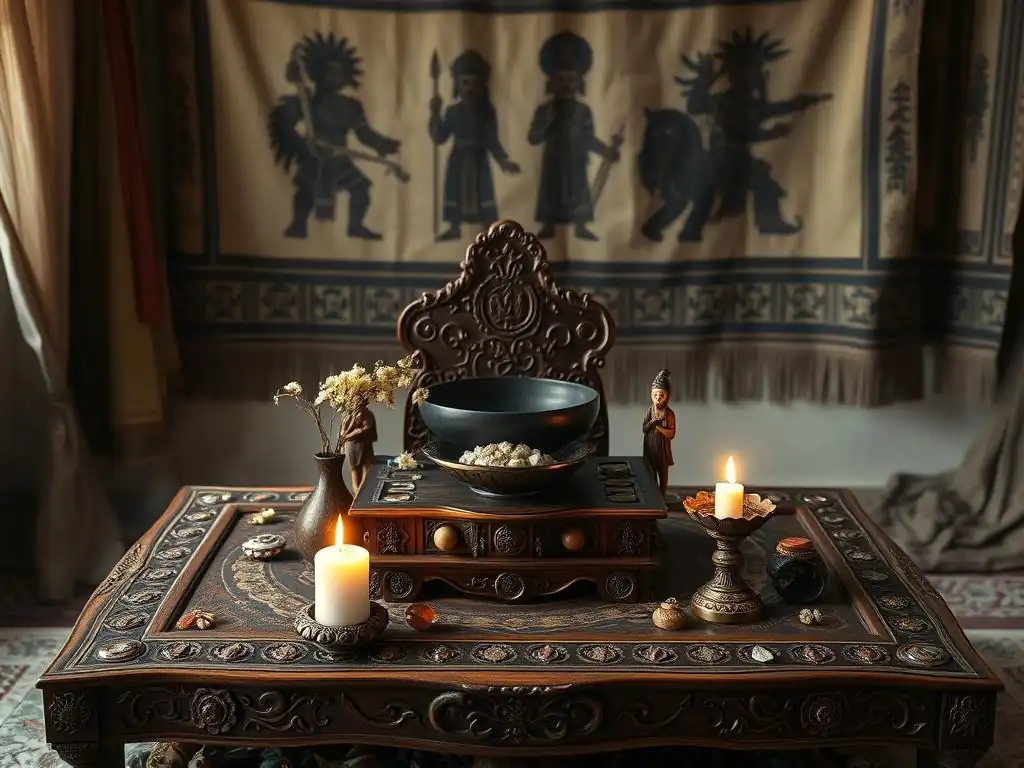
Maintaining a home altar dedicated to the ancestral spirit realm is a powerful way to strengthen family bonds and reinforce cultural identity. It provides a tangible link to the past, connecting living generations with those who came before them. Sharing stories about the ancestors, teaching children about their heritage through the altar, and performing rituals together fosters a sense of continuity and belonging.
This practice helps to keep family history alive and ensures that the traditions and values of ancestors are remembered and honored. It provides a focal point for family gatherings and rites of passage, grounding the family in its roots. In a world where cultural heritage can sometimes be eroded, the home altar spirit realm serves as a vital anchor, preserving memory and identity.
Receiving Guidance and Protection from Ancestral Spirits
A primary benefit sought through maintaining a home altar is the belief in receiving guidance and protection from the ancestral spirit realm. Ancestors, having navigated life themselves, are often seen as wise counselors capable of offering insights into current challenges. Through prayer, meditation, and paying attention to signs, individuals seek clarity on decisions related to career, relationships, health, and spiritual path.
Furthermore, ancestors are often invoked for protection against negative influences, obstacles, or spiritual harm. Many believe that maintaining a strong connection through the altar creates a spiritual shield around the home and family. Testimonies abound in various traditions about ancestors intervening in times of need, preventing accidents, or warding off illness. This perceived support makes the home altar spirit realm a source of comfort and security.
Fostering Spiritual Growth and Inner Peace
The practice of ancestral veneration through a home altar can profoundly contribute to spiritual growth and inner peace. Dedicating time to reflection, prayer, and connection with something larger than oneself fosters a deeper sense of purpose and belonging. The act of honoring those who have passed encourages mindfulness, gratitude, and a greater appreciation for the cycle of life.
Engaging with the ancestral spirit realm can help individuals feel more grounded and less alone, knowing they are part of a long lineage supported by their ancestors. This connection can provide comfort during times of grief and offer perspective on life's challenges. The discipline of maintaining the altar and performing regular rituals cultivates patience, devotion, and a sense of sacredness in daily life, leading to increased inner peace and spiritual awareness.
Troubleshooting Common Issues with Ancestral Altars
Addressing Lack of Connection or Communication
Occasionally, practitioners may feel a lack of connection or experience difficulty in communicating with the ancestral spirit realm through their home altar. This can be disheartening but is often a temporary phase. Several factors could contribute, including infrequent interaction, spiritual blockages, or simply needing to adjust one's approach.
To address this, revisit the basics: ensure the altar is clean and respectfully maintained. Increase the frequency of simple rituals like lighting a candle and speaking to the ancestors. Reflect on your intentions and ensure they are clear and respectful. Consider whether stress or distractions in your life are hindering your ability to be receptive. Sometimes, a period of focused meditation or a specific offering made with deep sincerity can help re-establish the home altar spirit realm connection. Patience and persistence are key.
Dealing with Negative Energy or Unwanted Spirits
While ancestral altars are primarily for benevolent ancestors, there is sometimes a concern about attracting negative energy or unwanted spirits. This can manifest as feelings of dread, unusual disturbances, or a palpable negative atmosphere around the altar space. If you suspect negative energy, prompt action is important.
Perform a thorough cleansing of the altar and the surrounding area using methods appropriate to your tradition (e.g., smudging, spiritual washes, prayers of protection). Clearly and firmly state that only benevolent ancestral spirits of your lineage are welcome at your home altar spirit realm. Reinforce the boundaries of your sacred space. Ensure that the objects on your altar are solely dedicated to honoring ancestors and are not inadvertently attracting other entities. If the issue persists, seeking guidance from an experienced practitioner is advisable.
Seeking Guidance from Elders or Spiritual Practitioners
Navigating the complexities of ancestral veneration and interacting with the ancestral spirit realm can sometimes present challenges that are difficult to resolve alone. In such cases, seeking guidance from elders within your family or community, or from experienced spiritual practitioners in your tradition, is invaluable. They can offer wisdom gleaned from years of practice and address issues that may be rooted in specific cultural protocols or spiritual dynamics.
An elder might provide insight into family history that strengthens your connection, or a practitioner might offer specific rituals or counsel tailored to your situation. They can help interpret messages, identify potential blockages, or advise on proper procedures. Do not hesitate to reach out for support; the journey of connecting with the home altar spirit realm is often one shared within a community of practice.
Conclusion: Embracing the Legacy of Ancestors Through Home Altars
The Ongoing Importance of Ancestral Veneration
Ancestral veneration remains a cornerstone of spiritual and cultural life for millions across the African diaspora and on the African continent. The practice of honoring ancestors through home altars is not a relic of the past but a vibrant, evolving tradition that continues to provide meaning, connection, and support in contemporary society. Its importance lies in its ability to link individuals and families to their roots, offering a sense of continuity and belonging in an ever-changing world.
The home altar spirit realm serves as a constant reminder of the legacy we carry and the wisdom that is available to us from those who came before. It reinforces the understanding that life is a continuum and that the bonds of family and community extend beyond the physical realm. This ongoing veneration is a testament to the enduring power of ancestral relationships.
A Pathway to Spiritual Connection and Cultural Preservation
Creating and maintaining a home altar is a tangible pathway to fostering spiritual connection and actively participating in cultural preservation. It provides a dedicated space for spiritual practice, allowing individuals to engage with the unseen world and nurture their spiritual selves. By engaging with the ancestral spirit realm, practitioners tap into a source of spiritual strength and guidance that is deeply personal and culturally relevant.
Furthermore, the act of setting up and using an altar helps to keep ancestral traditions alive. It encourages learning about family history, cultural practices, and the beliefs surrounding death and the afterlife within one's heritage. Passing this knowledge and practice down to younger generations ensures that the rich legacy of ancestral veneration continues, contributing significantly to cultural resilience and identity.
Continuing the Tradition: Passing on the Knowledge to Future Generations
The future of ancestral veneration hinges on the willingness to continue the tradition and pass on the knowledge to future generations. This involves sharing the significance of the home altar spirit realm, explaining the purpose of the objects and rituals, and encouraging younger family members to participate in honoring their ancestors. It is through this intergenerational transmission that the practice remains alive and relevant.
Teaching children about their ancestors and involving them in the upkeep of the altar instills a sense of pride in their heritage and fosters a spiritual connection from a young age. By embracing and sharing this tradition, we not only honor our ancestors but also empower future generations with a strong sense of identity, spiritual connection, and the profound wisdom that comes from maintaining a vibrant link with the ancestral spirit realm.
Frequently Asked Questions
What is a home altar, and how does it relate to the spirit realm?
A home altar is a dedicated space created to honor ancestors and spiritual entities. It acts as a focal point for connecting with the spirit realm through offerings and rituals.
Why would someone want to create a home altar for the spirit realm?
People create altars to cultivate relationships with their ancestors, seek guidance, and honor their spiritual lineage. It's often believed to foster protection and blessings.
What are some common items found on a home altar dedicated to the spirit realm?
Typical items include photos of ancestors, offerings like food and drinks, candles, incense, and objects of spiritual significance. These items symbolize respect and connection.
How do different cultures approach the creation and use of home altars for connecting with the spirit realm?
Approaches vary widely, reflecting cultural beliefs and practices. Some cultures emphasize specific deities, while others focus solely on ancestral veneration. Offerings and rituals differ significantly.
What are some guidelines for maintaining a respectful and effective home altar for the spirit realm?
Maintaining respect involves regular cleaning, replacing offerings, and sincere intentions. It's crucial to approach the altar with reverence and gratitude.
Final Reflection: Honoring Our Ancestors, Connecting to the Divine
The practice of creating home altars, specifically ancestral altars, is experiencing a powerful resurgence, reflecting a growing desire to connect with something larger than ourselves. This renewed interest speaks to a deep-seated human need for spiritual grounding and a tangible link to our heritage, a need that transcends cultural boundaries and resonates deeply in our increasingly fragmented world.
The impact of ancestral altars extends far beyond simple decoration; they are living, breathing spaces that foster a sense of belonging, continuity, and spiritual strength. They serve as powerful reminders of our lineage, offering comfort, guidance, and a tangible connection to the wisdom of those who came before us. The dead are never truly gone, as long as someone remembers them.
This sentiment, though simple, encapsulates the profound power of honoring our ancestors through a dedicated space within our homes. The act of creating and maintaining an altar becomes a meditation, a daily ritual that strengthens our connection to the spirit realm and enriches our lives.
Consider the legacy you wish to leave behind. What stories, values, and traditions will you pass on? I invite you to create your own ancestral altar, a sacred space where you can honor your ancestors, connect with the spirit realm, and cultivate a deeper sense of purpose and belonging.
Let this be a starting point for a journey of self-discovery, a journey that connects you to the past, grounds you in the present, and inspires you for the future. Begin small, with a single photograph or cherished object, and watch as your altar grows and evolves, reflecting your unique journey and connection to the divine.
Unlock Your Ancestral Wisdom: Connect with Your Heritage Today!
Thanks for taking the time to explore the fascinating world of ancestral altars! We hope you gained a deeper understanding of their power and significance. Ready to bring this ancient practice into your life?
- Craft your own ancestral altar: Begin by gathering meaningful objects – photos, heirlooms, or items representing your family history. Even a simple space dedicated to remembrance can be profoundly impactful. This is your starting point.
- Share your family stories: Engage with family members—tell them what you've learned, or delve deeper into your ancestral history together. Perhaps there's a forgotten tale waiting to be rediscovered!
- Explore your heritage online: Discover online resources dedicated to genealogy or historical records relevant to your family lineage. You might uncover surprising details!
What ancestral wisdom are you most excited to uncover and integrate into your life? Let's discuss your experiences in the comments below!