
The Story of Prometheus: How His Myth Evolved Through the Ages

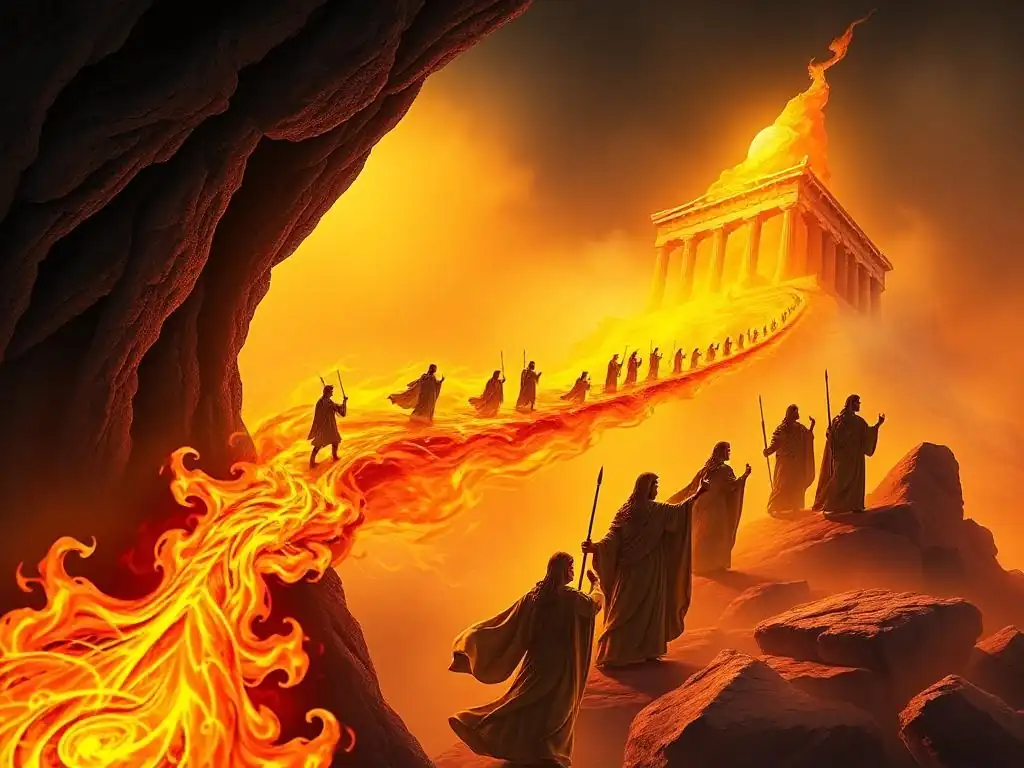
Welcome to Mythology and Legends!
Dive into the captivating world of ancient narratives, where gods and mortals clash, and timeless tales unfold. Ever wondered how the story of the defiant Titan, Prometheus, has changed through the millennia? We're about to embark on a journey through the evolution timeline of this iconic myth. Prepare to uncover surprising shifts in interpretation and discover how the Prometheus myth continues to resonate today. What secrets will we unearth? Let's begin...
-
Prometheus Myth Evolution Timeline: Key Stages and Interpretations
- Stage 1: Early Greek Accounts (Hesiod) - Focus on Deception
- Stage 2: Classical Tragedy (Aeschylus) - Emphasis on Suffering and Defiance
- Stage 3: Roman Adaptations - Diminished Role, Focus on Human Craft
- Stage 4: Renaissance and Enlightenment - Prometheus as a Symbol of Reason
- Stage 5: Modern Interpretations - Ambiguous Figure, Symbol of Technological Hubris
-
Frequently Asked Questions
- How did the Prometheus myth initially portray him?
- What significant changes occurred in the Prometheus Bound play by Aeschylus?
- How did Romantic poets and writers interpret the Prometheus myth?
- What is the significance of the liver-eating eagle in the Prometheus myth?
- How has the Prometheus myth influenced modern literature and culture?
- Final Reflection: The Enduring Flame of Prometheus
- Ignite Your Inner Titan: Explore the Enduring Legacy of Prometheus!
Prometheus Myth Evolution Timeline: Key Stages and Interpretations
Stage 1: Early Greek Accounts (Hesiod) - Focus on Deception
The earliest known written accounts of the Prometheus myth appear in the works of the Greek poet Hesiod, specifically in his Theogony and Works and Days, dating roughly to the 8th century BCE. In these foundational texts, Prometheus is primarily depicted as a cunning trickster figure, a Titan who attempts to outwit Zeus.
Hesiod details two key instances of Prometheus's deception: first, his attempt to trick Zeus into accepting the less desirable portion of a sacrificial animal (bones covered in fat) while reserving the good meat for humans, and second, the theft of fire after Zeus, angered by the first trick, withheld it from humanity. This initial stage of the Prometheus myth evolution timeline emphasizes the conflict between divine authority and clever, albeit rebellious, mortal (or near-mortal) ingenuity.
Hesiod's portrayal establishes the core elements of the myth – the benefactor of humanity, the conflict with Zeus, and the severe punishment – but frames Prometheus's actions largely through the lens of divine-human power struggles and the consequences of defying the king of the gods. The focus is less on Prometheus as a tragic hero and more on him as a significant, disruptive force in the established cosmic order.
For instance, in Theogony, the punishment is directly linked to the theft of fire, described as Zeus's wrath leading to Prometheus being bound and tormented, a clear consequence for upsetting the divine balance as understood by Hesiod's cosmology. This early version sets the stage for the complex development of the Prometheus myth evolution timeline.
Stage 2: Classical Tragedy (Aeschylus) - Emphasis on Suffering and Defiance
Moving along the Prometheus myth evolution timeline, the classical period, particularly the 5th century BCE, brought a profound reinterpretation through Athenian tragedy. Aeschylus's play Prometheus Bound stands as the most significant example from this era, although it is part of a lost trilogy. Aeschylus transforms Prometheus from primarily a trickster into a figure of immense suffering and defiant heroism.
Bound to a rock in the Caucasus mountains, Prometheus endures daily torment by an eagle sent to eat his liver, which regenerates overnight. This suffering is presented not merely as punishment for deception, but as a consequence of his profound love for humanity and his willingness to endure torture rather than submit to the tyrannical will of Zeus, who is depicted as a harsh, newly established ruler.
Aeschylus's work shifts the narrative focus dramatically. The theft of fire is still central, but it becomes an act of immense compassion and a gift that enables human civilization, art, and science. Prometheus's defiance is noble, his suffering is a testament to his principles, and the play explores themes of justice, tyranny, knowledge, and the relationship between divine power and mortal fate.
The suffering depicted is vivid and central, highlighting the cost of rebellion against absolute power. This stage in the Prometheus myth evolution timeline solidifies his image as a martyr for humanity's progress, a stark contrast to Hesiod's earlier depiction.
Stage 3: Roman Adaptations - Diminished Role, Focus on Human Craft
As the Prometheus myth evolution timeline progressed into the Roman period, the myth was adopted and adapted, though perhaps not with the same dramatic intensity seen in Aeschylus. Roman writers like Hyginus, in his Fabulae (likely dating to the 1st or 2nd century CE), retold the myth, often incorporating elements from various Greek sources.
While the core narrative of the fire theft and punishment remained, the emphasis could sometimes shift or become more encyclopedic, summarizing the story rather than exploring its philosophical depth as tragedy did. There is also a tradition, mentioned by authors like Ovid in his Metamorphoses (early 1st century CE), that attributes the creation of humanity itself to Prometheus, who molded humans from clay and water.
This Roman stage often presents Prometheus in slightly different lights. While still the fire-giver and sufferer, the focus might lean more towards his role as a craftsman or creator of humankind, reflecting a different set of cultural interests or synthesizing various mythological strands.
The intense political and philosophical critique of tyranny found in Aeschylus is less prominent. The Roman adaptations contribute to the Prometheus myth evolution timeline by consolidating various Greek versions and sometimes introducing or emphasizing new aspects, like the creation of humans, which would become significant in later interpretations, even if the Roman period itself didn't produce a single, definitive, and culturally dominant retelling comparable to Aeschylus's play.
Stage 4: Renaissance and Enlightenment - Prometheus as a Symbol of Reason
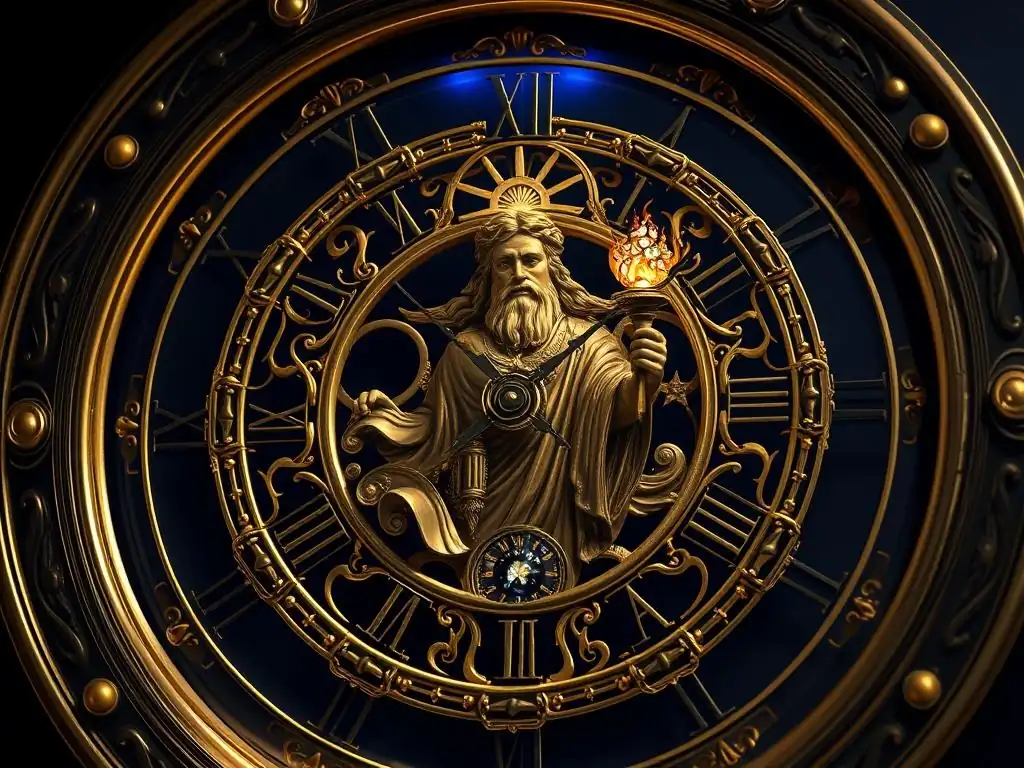
The Renaissance and Enlightenment periods marked a significant turn in the Prometheus myth evolution timeline, reinterpreting the Titan as a powerful symbol of human intellect, reason, and the pursuit of knowledge. During the Renaissance (roughly 14th to 16th centuries), there was a renewed interest in classical texts, and Prometheus was revisited as a figure who defied divine authority to bring enlightenment to humanity.
This resonated with the humanist emphasis on human potential and achievement. The theft of fire was seen less as a simple trick and more as the acquisition of knowledge and technology that lifted humanity out of ignorance and barbarism.
The Enlightenment (17th and 18th centuries) further solidified this interpretation. Prometheus became a potent symbol of reason challenging superstition and dogma. Thinkers and writers saw his defiance of Zeus as a metaphor for humanity's struggle against oppressive authority, both divine and secular, in the pursuit of progress and self-determination.
For example, Immanuel Kant's concept of "Enlightenment" itself – "man's emergence from his self-imposed immaturity" – aligns thematically with Prometheus freeing humanity from ignorance. This era firmly established Prometheus within the Prometheus myth evolution timeline as an icon of intellectual freedom and the courageous quest for truth and progress, shaping his image for centuries to come.
Stage 5: Modern Interpretations - Ambiguous Figure, Symbol of Technological Hubris
In the modern era, the Prometheus myth evolution timeline continues to unfold, with interpretations reflecting contemporary concerns and anxieties. While still recognized as a symbol of innovation and progress, Prometheus often takes on a more ambiguous or even cautionary role.
The unbridled pursuit of knowledge and technological advancement, symbolized by the fire, is now sometimes viewed with apprehension due to its potential negative consequences, such as environmental damage, ethical dilemmas in science, or the creation of powerful, uncontrollable forces. Mary Shelley's novel Frankenstein; or, The Modern Prometheus (published 1818) is a prime example, portraying Victor Frankenstein as a modern Prometheus whose creation (the monster) brings suffering and destruction, highlighting the dangers of playing creator without considering the ethical implications.
Contemporary retellings and analyses often explore the darker side of Promethean ambition – the hubris of overreaching, the unintended consequences of technological power, and the potential for the "gift" of fire (knowledge/technology) to become a curse. Films like Ridley Scott's Prometheus (2012) explore similar themes of origins, creation, and the perilous search for ultimate knowledge.
This stage of the Prometheus myth evolution timeline reflects a complex relationship with progress, acknowledging its benefits while also confronting its potential for disaster. Prometheus remains a powerful figure, but his narrative in modern times frequently serves as a cautionary tale about the responsibilities that come with knowledge and power, adding layers of complexity to his enduring legacy.
Frequently Asked Questions
How did the Prometheus myth initially portray him?
The earliest accounts, like those in Hesiod's Theogony, depict Prometheus primarily as a trickster figure who defied the gods to benefit humanity. The primary focus was on his theft of fire and the subsequent punishment.
What significant changes occurred in the Prometheus Bound play by Aeschylus?
Aeschylus's version elevates Prometheus to a tragic hero who knowingly sacrificed himself for mankind's sake. He is portrayed as a symbol of resistance against tyranny and unjust power.
How did Romantic poets and writers interpret the Prometheus myth?
Romanticism embraced Prometheus as a symbol of rebellion and individual freedom. They saw him as a champion of humanity against oppressive forces, often linking him to artistic creation and revolution.
What is the significance of the liver-eating eagle in the Prometheus myth?
The eagle represents the eternal punishment inflicted upon Prometheus by Zeus. It symbolizes the constant suffering he endured for his defiance, highlighting the consequences of challenging divine authority.
How has the Prometheus myth influenced modern literature and culture?
The myth continues to inspire artists and writers, serving as a powerful metaphor for scientific advancement, rebellion against authority, and the pursuit of knowledge even at great personal cost.
Final Reflection: The Enduring Flame of Prometheus
The enduring legacy of Prometheus resonates deeply with our modern anxieties about progress, power, and the price of knowledge. His defiance of the gods, his gift of fire to humanity, and his subsequent punishment continue to spark debate and inspire artistic interpretations centuries later. The story isn't just a relic of ancient Greece; it's a timeless allegory that speaks directly to the complexities of our own relationship with technology, societal advancement, and the ethical dilemmas that arise from pushing boundaries.
The myth's evolution, as traced through this timeline, reveals a fascinating shift in how Prometheus has been perceived. From a trickster figure to a tragic hero, to a symbol of revolutionary spirit, his image has been molded and reshaped by the cultural and philosophical currents of each era. His story reflects our own evolving understanding of humanity's place in the cosmos and the responsibilities that come with wielding power. The gods gave us fire, but Prometheus gave us light.
– This unspoken sentiment underlines the enduring appeal of Prometheus's act of rebellion, a sentiment that continues to inspire those who fight for progress against seemingly insurmountable odds.
Consider, then, the choices you make in your own life. Are you a Prometheus, daring to challenge the status quo and bring forth new knowledge, even at personal cost? Or are you chained to the rock of conformity, hesitant to embrace the potential risks of innovation?
The story of Prometheus isn't just a historical narrative; it's a mirror reflecting our own potential for both creation and destruction. Let his enduring tale ignite within you a spark of critical thinking and a commitment to responsible progress, ensuring that the flame of knowledge burns brightly, ethically, and for the benefit of all.
Ignite Your Inner Titan: Explore the Enduring Legacy of Prometheus!
Thanks for diving into the fascinating story of Prometheus! We hope you gained a new appreciation for the enduring power of myth and its impact on our world. Ready to take your understanding further?
- Delve deeper into Prometheus's symbolism: Consider how his myth reflects themes of rebellion, sacrifice, and the human condition. Write a short reflection on one aspect that resonated most with you.
- Share this article with a friend: Discuss Prometheus's story and its various interpretations. See how your perspectives differ!
- Research other Greek Titans: Explore the stories of Atlas, Cronus, and Rhea to understand the broader context of Prometheus's actions and their consequences.
What other mythological figures do you think share parallels with Prometheus's enduring struggle for humanity? Let's discuss in the comments below!