
Werewolves Across Cultures: More Than Just a Full Moon

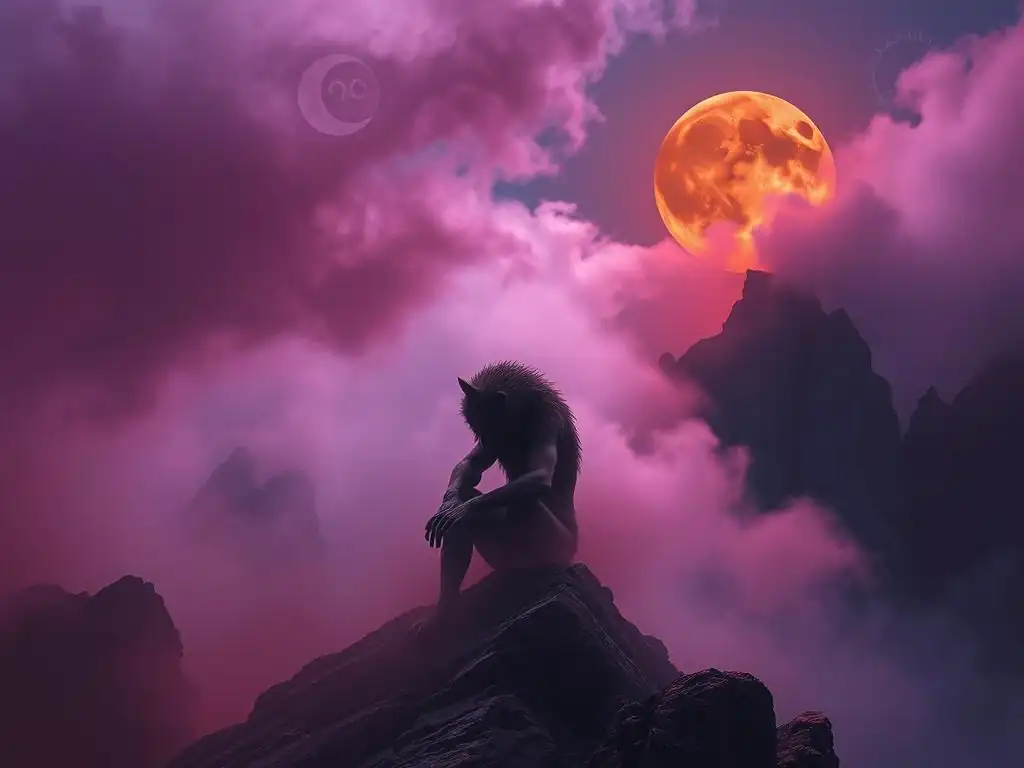
Welcome to Mythology and Legends, where we delve into the captivating world of ancient stories. Are you ready to uncover the secrets that lie hidden beneath familiar tales? In this exploration of werewolf myths worldwide symbolism, prepare to be surprised. These aren't just stories of men transforming under a full moon; they are reflections of deep-seated anxieties, cultural beliefs, and powerful metaphors. Dare to explore the shadows with us and discover the surprising truths behind the legend.
Asian Werewolves: Tigers, Foxes, and Other Shapeshifting Beasts
While the classic image of a werewolf is strongly rooted in European folklore, the concept of humans transforming into animals exists across Asia, though the specific creature and its symbolism often differ significantly. Instead of the wolf, other powerful or cunning animals take center stage, reflecting local fauna and cultural values.
These Asian shapeshifter myths, while not always involving the term 'werewolf', share the core theme of a being possessing both human and animal forms and characteristics, contributing to the rich tapestry of werewolf myths worldwide symbolism. These narratives often explore themes of deception, nature's power, and the boundaries between the human world and the spirit realm.
Notable examples include the kitsune of Japan, a shapeshifting fox spirit renowned for its intelligence, trickery, and sometimes benevolent nature, and the huli jing (or húlí jīng) in China, a similar fox spirit often depicted as a seductress capable of draining human life force. In parts of India and Southeast Asia, the were-tiger ( weretiger) is a prominent figure, embodying fears of the wild jungle and predatory power.
Unlike the often cursed European werewolf, Asian shapeshifters can sometimes transform voluntarily, or their transformation is tied to spiritual attainment or demonic possession, offering a different lens through which to view the complex werewolf myths worldwide symbolism. These figures are deeply embedded in local legends, art, and religious beliefs, influencing social norms and fears surrounding the natural world and unexplained phenomena.
African Werewolves: Hyenas and Other Fearsome Predators
African folklore is replete with tales of shapeshifters, with the hyena often featuring as a prominent figure, particularly in East and North Africa. The were-hyena is frequently associated with sorcery, grave robbing, and malevolent practices.
Unlike the European werewolf often driven by a curse or lunar cycle, the African were-hyena is often portrayed as a witch or sorcerer who transforms at will, using their animal form for nefarious purposes such as stealing from tombs or harming livestock and people under the cover of darkness. These stories contribute unique facets to the understanding of werewolf myths worldwide symbolism, linking transformation not just to primal instinct but explicitly to human malice and forbidden magic.
Beyond the hyena, other animals feature in African shapeshifting lore, reflecting the diverse ecosystems and cultural beliefs of the continent. Zulu folklore, for instance, includes the Abatwa, tiny humanoids sometimes described as having the ability to shapeshift or ride on ants, embodying a connection to the miniature and often unseen aspects of the natural world.
While not always taking the form of large predators, these myths explore themes of transformation, the blurred lines between human and animal, and the use of animalistic power, whether for survival, mischief, or outright evil. The varied forms and motivations of African shapeshifters add significant depth to the global narrative of werewolf myths worldwide symbolism, highlighting how similar concepts manifest differently based on local context and fears.
- Asian Werewolves: Tigers, Foxes, and Other Shapeshifting Beasts
- African Werewolves: Hyenas and Other Fearsome Predators
- What are some common elements found in werewolf myths across different cultures?
- Beyond the full moon, what other triggers are associated with werewolf transformations in different cultural narratives?
- How do different cultures view the werewolf – as a purely evil monster, or something more complex?
- What is the symbolism associated with werewolves in various cultures, and does it always represent the same thing?
- How have werewolf myths influenced contemporary society, and where can we see their impact?
The Symbolism of the Werewolf: Exploring Deeper Meanings
The enduring fascination with the werewolf lies not just in the horror of the transformation but in the deep symbolic meanings it carries across cultures. At its core, the werewolf figure grapples with fundamental aspects of the human condition. It represents the precarious balance between our rational, socialized selves and the primal, instinctual nature that lies beneath the surface.
This dualism is perhaps the most potent element of werewolf myths worldwide symbolism, serving as a powerful metaphor for the internal conflict between civilization and savagery, reason and instinct, good and evil. The transformation itself symbolizes a loss of control, a surrender to forces within or without that overwhelm conscious will.
Furthermore, the werewolf embodies themes of transformation and change, both desired and feared. It can symbolize the potential for radical personal change, the unleashing of hidden power, or conversely, the terror of losing one's identity and humanity. In many narratives, the werewolf is also an outsider, a creature forced to live on the fringes of society, shunned and feared.
This aspect of werewolf myths worldwide symbolism resonates with experiences of marginalization, difference, and the fear of the unknown 'other'. Whether viewed as a cursed victim or a malevolent monster, the werewolf remains a potent symbol for exploring complex human anxieties about identity, control, and belonging.
The Dual Nature of Humanity: Exploring the Beast Within
One of the most compelling aspects of werewolf myths worldwide symbolism is its exploration of the inherent dual nature of humanity. The core concept revolves around a single being housing both a human soul and the spirit or form of a wild animal, often a predator.
This duality serves as a potent metaphor for the constant internal struggle between our rational, empathetic, and socialized human selves and our raw, instinctual, and potentially violent animalistic urges. Legends like the Greek myth of Lycaon, cursed for his impious nature, directly link the transformation to a failure of human morality and a descent into bestial behavior, highlighting the fear that the 'beast within' is always lurking, ready to surface under duress or moral failing.
This theme is not limited to punitive transformations; even voluntary shapeshifters like some Asian fox spirits or African were-hyenas embody a chosen duality, utilizing animal traits for human-like goals, whether benevolent or malicious. The very act of transformation, often depicted as painful and involuntary, underscores the difficulty of reconciling these two disparate natures.
It forces us to confront the uncomfortable truth that our capacity for savagery and violence is intertwined with our capacity for civilization and compassion, a central element in understanding werewolf myths worldwide symbolism. The struggle to control or suppress the animal form reflects society's attempts to regulate primal instincts through laws, customs, and morality.
Transformation and Change: Embracing or Resisting Inner Potential
The physical metamorphosis central to werewolf legends is a powerful symbol for change itself. This transformation can represent a feared loss of self, a descent into madness or savagery, as seen in many classic horror depictions. However, it can also symbolize the unleashing of hidden power, the breaking of societal constraints, or even a spiritual awakening, depending on the cultural context of the werewolf myths worldwide symbolism. The struggle during the change, the tearing of flesh and bone, often mirrors the difficulty and pain associated with significant personal evolution or facing traumatic experiences that fundamentally alter one's identity.
In some folklore and modern interpretations, the transformation is not purely negative. It can represent embracing a wilder, more authentic self or gaining abilities unavailable in human form. This perspective shifts the symbolism from a curse to a form of empowerment, albeit one that often comes with significant challenges and responsibility.
The cyclical nature of many werewolf transformations, tied to the moon or other triggers, can also symbolize recurring struggles, the ebb and flow of internal battles, or the inescapable cycles of nature that influence human life. Understanding these varied interpretations of transformation is key to appreciating the full scope of werewolf myths worldwide symbolism.
Outsiders and Outcasts: Werewolves as Metaphors for Marginalized Groups
Across many cultures, the werewolf figure is inherently an outsider. Forced to hide their true nature, living in fear of exposure or persecution, they often dwell on the fringes of human society, both physically and metaphorically.
This aspect of werewolf myths worldwide symbolism makes them potent metaphors for marginalized groups throughout history – those deemed different, dangerous, or unclean by the dominant culture. Whether it was individuals accused during historical witch trials who were sometimes linked to lycanthropy, or groups perceived as threatening due to their beliefs, origins, or behaviors, the werewolf narrative has often mirrored societal fears of the 'other'.
The werewolf's isolation, its inability to fully belong to either the human or the animal world, reflects the painful experience of being ostracized. They are often hunted, feared, and misunderstood, their dual nature preventing full acceptance in either realm. This theme resonates deeply with the experiences of ethnic minorities, religious groups, individuals with disabilities, or anyone who falls outside narrowly defined societal norms.
The tragic figure of the werewolf, often a victim of circumstance rather than inherent evil, highlights the cruelty of prejudice and the devastating impact of being cast out. Exploring this facet reveals how werewolf myths worldwide symbolism can serve as a commentary on social exclusion and the human cost of fear and intolerance.
Werewolves in Modern Culture: From Literature to Film
The ancient werewolf myths and their worldwide symbolism have undergone continuous evolution, finding new life and meaning in modern literature, film, television, and even video games. The 20th and 21st centuries have seen a dramatic shift in how werewolves are portrayed, moving beyond simple monsters of folklore to complex characters embodying a wide range of human (and non-human) experiences.
Early cinematic depictions, like The Wolf Man (1941), solidified the tragic figure cursed by fate, emphasizing the horror and loss of identity. This laid the groundwork for decades of exploration into the creature's potential as both a source of terror and a subject of sympathy.
Modern interpretations frequently delve deeper into the psychological aspects of lycanthropy, using the transformation as an allegory for puberty, addiction, mental illness, or the struggle to control one's darker impulses. The flexibility of werewolf myths worldwide symbolism has allowed writers and filmmakers to adapt the core concept to suit various genres, from gothic horror and psychological thrillers to urban fantasy and paranormal romance. This constant reinvention ensures the werewolf remains a relevant and compelling figure, reflecting contemporary anxieties and desires while building upon the rich foundation of global folklore.
The Romantic Werewolf: Sympathy for the Monster
A significant development in modern werewolf narratives, particularly since the late 20th century, has been the rise of the "romantic werewolf." This portrayal often shifts the focus from the horror of the beast to the internal struggle and emotional life of the human character afflicted with lycanthropy.
Works in this genre frequently explore themes of forbidden love, the desire for acceptance, and the pain of living a secret life. The werewolf is depicted less as a mindless killer and more as a tormented soul, capable of deep emotion and loyalty, often seeking a cure or a way to control their transformations.
This romanticized view leverages the inherent duality of the werewolf – the powerful, wild animal form contrasts with the sensitive, often vulnerable human self. Stories might center on a human character falling in love with a werewolf, highlighting themes of seeing beyond the monstrous exterior to the person within. This approach taps into the symbolic potential of the werewolf as an outcast yearning for connection, adding layers of pathos and emotional depth to the werewolf myths worldwide symbolism. It reflects a broader cultural trend towards finding humanity and even heroism in traditionally monstrous figures.
The Horror Werewolf: Unleashing Primal Rage
Despite the rise of romantic portrayals, the werewolf's roots in horror remain strong and continue to thrive. This genre focuses squarely on the terrifying aspects of the transformation and the unleashed savagery of the beast. Films like An American Werewolf in London (1981) or The Howling (1981) are prime examples, emphasizing the visceral horror of the physical change and the brutal, uncontrollable violence of the wolf form. The horror werewolf is often depicted as a creature driven purely by instinct and bloodlust during the transformation, a stark contrast to the rational human it once was.
This portrayal leans heavily on the symbolism of the werewolf as a representation of unchecked primal rage and the fear of losing control. The horror derives from the violation of the human body and mind, the terrifying loss of identity as the beast takes over. It taps into deep-seated fears of violence, the wild, and the potential for savagery lurking within or outside human society. The horror werewolf serves as a chilling reminder of the thin veneer of civilization and the destructive power of unleashed instinct, reinforcing a core element of the original werewolf myths worldwide symbolism.
Werewolves in Contemporary Society: Evolving Interpretations and Enduring Appeal
Today, werewolves populate a vast landscape of media, from young adult novels and television series to blockbuster films and independent comics. Their portrayal continues to evolve, reflecting contemporary societal concerns and interests. We see werewolves integrated into complex supernatural societies, exploring themes of pack dynamics, hierarchy, and inter-species relationships. Some interpretations use lycanthropy to discuss themes of genetic inheritance, disease, or biological anomaly, giving the myth a quasi-scientific twist. Others place werewolves in urban fantasy settings, where they navigate modern life while grappling with ancient instincts.
The enduring appeal of the werewolf lies in its adaptability and the potent archetypes it embodies. It speaks to our fascination with the wild, our anxieties about control and transformation, and our complex relationship with our own animalistic nature. Whether depicted as terrifying monsters, tragic figures, or romantic heroes, the werewolf remains a powerful symbol of the duality within us all, ensuring its place in the pantheon of mythical creatures and contributing continuously to the ever-expanding understanding of werewolf myths worldwide symbolism. Its ability to transform its meaning across cultures and eras is perhaps its most significant power.
Conclusion: The Enduring Power of the Werewolf Myth
Why Werewolves Still Captivate Us: A Reflection of Humanity's Inner Struggles
The werewolf, in its myriad forms across cultures and centuries, continues to hold a powerful grip on the human imagination. From ancient Greek curses and Norse warriors to European trials, Asian fox spirits, and African were-hyenas, the core concept of human-animal transformation resonates deeply. This enduring fascination stems from the werewolf's potent symbolism, which speaks directly to fundamental aspects of the human condition.
It forces us to confront the uncomfortable truth of our dual nature – the rational, socialized self versus the raw, instinctual 'beast within'. The werewolf is an external manifestation of this internal conflict, a vivid portrayal of the struggle for self-control and the fear of succumbing to primal urges.
Moreover, the werewolf myth provides a framework for exploring complex themes of identity, transformation, and otherness. The physical and psychological agony of the change, the forced existence on the fringes of society, and the constant battle between two disparate natures mirror universal human experiences: the pain of change, the search for belonging, and the fear of being different or misunderstood.
The diverse forms of werewolf myths worldwide symbolism offer a rich tapestry of human anxieties and aspirations related to nature, power, and the boundaries of the self. Ultimately, the werewolf remains relevant because it reflects our own inner struggles and questions about what it truly means to be human.
Frequently Asked Questions
What are some common elements found in werewolf myths across different cultures?
Werewolf myths commonly feature a transformation from human to wolf, often linked to a curse or ritual. They also frequently involve themes of dual nature and the struggle between man and beast.
Beyond the full moon, what other triggers are associated with werewolf transformations in different cultural narratives?
Besides the traditional full moon, transformations can be triggered by specific dates or times of year, magical objects like belts or skins, or even hereditary curses.
How do different cultures view the werewolf – as a purely evil monster, or something more complex?
The perception varies; some cultures view werewolves as inherently evil monsters, while others depict them as victims of circumstance or even powerful protectors acting under a curse.
What is the symbolism associated with werewolves in various cultures, and does it always represent the same thing?
The symbolism is diverse. It can represent untamed nature, hidden desires, the dangers of unchecked power, or even a connection to the spiritual world, varying significantly based on the cultural context.
How have werewolf myths influenced contemporary society, and where can we see their impact?
Werewolf myths have profoundly influenced literature, film, and art. Their impact can be seen in themes of identity, transformation, and the struggle against inner demons explored in modern narratives.
Final Reflection: Unmasking the Enduring Power of the Werewolf
The enduring fascination with werewolves transcends mere folklore; it reflects our primal anxieties about the wild within, the blurred lines between humanity and nature, and the ever-present fear of the unknown. This fear, this fascination, remains powerfully relevant in a world grappling with anxieties about identity, societal boundaries, and the unpredictable forces shaping our lives. The werewolf, in its many forms, serves as a potent symbol for these very anxieties.
The werewolf myth, as explored across diverse cultures in this article, reveals a deep-seated human need to grapple with the duality of our existence. It's a story that continues to resonate because it speaks to our own internal struggles, our capacity for both great good and terrible savagery. The werewolf is not simply a monster; it is a mirror reflecting our own capacity for transformation, for both destruction and creation.
This quote encapsulates the enduring power of the myth, highlighting its ability to tap into the complexities of the human condition across time and cultures. The ongoing adaptations and reinterpretations of the werewolf in modern media further solidify its relevance as a potent symbol for our times.
Consider, reader, the ways in which the themes explored here – transformation, duality, the fear of the "other" – manifest in your own life. How do you navigate the wild within yourself? How do you reconcile the conflicting aspects of your own nature? Let the enduring legacy of the werewolf myth inspire you to explore these questions, to embrace the complexities of your own identity, and to find strength in the understanding that even the most monstrous transformations can hold a profound and enduring meaning.
Unleash Your Inner Myth Hunter!
Thanks for exploring the fascinating world of werewolves across cultures! You've uncovered some truly captivating legends and insights. Now it's time to delve even deeper.
- Craft your own werewolf legend: Imagine a new culture, a new twist on the classic myth—let your creativity run wild and share your unique story in the comments below! This is your chance to contribute to the ongoing conversation.
- Share this article with a friend: Do they know the rich history and diverse interpretations of the werewolf myth? Let them in on the secrets you've discovered.
- Explore our other articles on shapeshifters and folklore: Delve into even more mythical creatures and cultural traditions on the site.
What unique aspect of werewolf mythology most resonated with you, and why?