
The Folklore Strikes Back: Using Old Stories for Modern Activism


Welcome to Mythology and Legends, your gateway to the captivating world of ancient tales and enduring narratives. Ever wondered if the whispers of the past could echo in the present, shaping our future? Dive into our exploration of Folklore for modern activism, where we uncover how age-old stories are being resurrected as powerful tools for change. Can the wisdom of indigenous traditions ignite a new wave of social movements? Read on, and discover how the echoes of mythology are shaping the very fabric of our modern world.
- Introduction: Reclaiming Folklore in the Age of Activism
- Understanding the Connection: Folklore and Social Movements
- Practical Applications: How to Use Folklore in Activism
-
Case Studies: Folklore in Action
- Indigenous Storytelling and Environmental Activism: Protecting Sacred Lands
- Retelling Myths for Gender Equality: Challenging Traditional Norms
- Using Legends to Promote Racial Justice: Addressing Systemic Inequality Through Narrative
- Anansi Stories and Economic Justice: Highlighting Exploitation Through Trickster Tales
- Challenges and Considerations: Ethical Use of Folklore
- The Future of Folklore in Activism: A Call to Action
- Conclusion: The Timeless Relevance of Folklore in the Fight for Justice
-
Frequently Asked Questions
- How can folklore, which is often seen as traditional and outdated, be relevant to modern activism?
- What are some examples of how folklore can be used to inspire social change?
- What role does cultural context play when adapting folklore for modern activism?
- How can activists ensure they are using folklore ethically and avoid cultural appropriation?
- What are the potential benefits of using folklore in activism compared to other methods?
- Final Reflection: Echoes of the Past, Voices of the Future
- Unleash Your Inner Storyteller: Ignite Change with Folklore!
Introduction: Reclaiming Folklore in the Age of Activism
The Enduring Power of Folklore: Why Ancient Narratives Still Matter
Folklore, encompassing myths, legends, folktales, proverbs, and customs, serves as the cultural bedrock of societies worldwide. These narratives, passed down through generations, often encapsulate the collective wisdom, values, fears, and aspirations of a people. For millennia, long before written history was common, these oral traditions were the primary means of transmitting knowledge, ethics, and identity.
Consider the epic tales of Gilgamesh from ancient Mesopotamia, predating written works like the Odyssey by centuries, or the vast body of Aboriginal Australian dreamtime stories, some believed to be tens of thousands of years old. These examples highlight the incredible longevity and resilience of folklore, demonstrating its capacity to survive profound societal changes and technological shifts.
The persistence of folklore lies in its adaptability and universal themes. Stories of heroes overcoming adversity, tricksters challenging authority, or cautionary tales about community harmony resonate across different eras and cultures. Even in the 21st century, elements of folklore permeate popular culture, from superhero origin stories echoing mythological archetypes to modern fantasy literature drawing heavily on folk motifs.
This inherent resonance makes folklore not merely historical artifacts but living, breathing narratives capable of speaking to contemporary audiences and issues. The fact that these stories have survived centuries of transmission, often evolving with each retelling, is testament to their fundamental human connection and their power to hold meaning in changing contexts.
From Oral Tradition to Digital Platforms: The Evolution of Storytelling
The transmission of folklore has undergone dramatic transformations throughout history, moving from intimate oral performances around a fire to mass dissemination via print, broadcast, and now, digital media. For most of human history, stories were shared face-to-face, relying on memory, performance, and community participation.
The invention of the printing press in the 15th century allowed folklore to be collected, standardized, and distributed on a wider scale, leading to compilations like the Brothers Grimm's tales which captured regional German folklore but also fixed versions in print. This shift, while preserving stories, also sometimes flattened regional variations and altered the dynamic interaction of oral performance.
Today, the internet and social media platforms represent the latest frontier for folklore transmission. Stories, memes, urban legends, and personal narratives spread globally in seconds, sometimes reaching millions of people almost instantaneously. While this speed and reach are unprecedented, they also introduce new complexities regarding authenticity, authorship, and the potential for rapid mutation or distortion of narratives.
However, digital platforms also offer new opportunities for marginalized communities to share their folklore, bypassing traditional gatekeepers and connecting directly with global audiences. This evolution means that folklore for modern activism can leverage these new tools, using blogs, videos, podcasts, and social media campaigns to spread ancient messages in contemporary formats.
Folklore possesses unique qualities that make it an potent, albeit often overlooked, tool for modern activism. Unlike formal political discourse or academic analysis, folklore speaks to the heart and imagination, bypassing intellectual barriers and connecting with people on an emotional level.
Traditional stories often contain embedded critiques of power structures, lessons in resilience, and visions of a more just world, drawing on centuries of lived experience. For example, many indigenous creation stories emphasize interconnectedness and respect for the natural world, providing a powerful counter-narrative to exploitative environmental practices – a clear use of folklore for modern activism focused on ecological issues.
Moreover, folklore is deeply rooted in community and identity. Sharing and discussing traditional stories can strengthen social bonds, foster a sense of shared heritage, and mobilize collective identity around a cause. Activists can tap into this existing cultural fluency, using familiar characters, symbols, and plotlines to frame contemporary issues in understandable and relatable ways.
Whether it's using a trickster figure to expose corruption or a hero's journey to inspire collective action against injustice, folklore provides a rich, accessible language for social critique and mobilization. This makes folklore for modern activism not just about telling old stories, but about activating their inherent power to inspire, unite, and drive change.
Historical Roots: How Folklore Shaped the Civil Rights Movement
Folklore played a crucial, though often understated, role in the American Civil Rights Movement of the mid-20th century. African American spirituals, born from the brutal conditions of slavery, served as powerful coded messages of hope, resistance, and the yearning for freedom. Songs like "Go Down Moses" directly referenced biblical narratives of liberation, providing spiritual sustenance and a framework for understanding their own struggle against oppression.
These songs were sung during marches, rallies, and in churches, uniting participants and reinforcing their collective resolve. It's estimated that millions of people were moved and mobilized by the emotional and symbolic power of these traditional songs during the movement's peak years.
Beyond music, shared stories, proverbs, and community traditions reinforced solidarity and strategy. Figures like Fannie Lou Hamer, a sharecropper turned voting rights activist, used powerful, down-to-earth storytelling drawn from her lived experience and cultural background to connect with and inspire ordinary people across the South. The folklore of resilience and resistance, passed down through generations, provided a cultural infrastructure for the movement, fostering courage and determination in the face of violent opposition. This historical example clearly demonstrates the foundational power of folklore for modern activism, showing how traditional narratives can fuel and sustain mass movements for justice.
The Psychological Impact of Stories: Empathy, Identification, and Collective Action
Stories have a profound psychological impact on individuals, making them powerful tools for influencing attitudes and behaviors. When we engage with a narrative, our brains can simulate the experiences of the characters, fostering empathy and understanding. Hearing about a character facing injustice can make the abstract concept of injustice feel personal and urgent. Studies in neuroscience suggest that listening to stories can activate areas of the brain associated with empathy and social cognition, potentially making us more receptive to the perspectives of others, especially those different from ourselves.
Furthermore, folklore often provides archetypal characters and situations that allow audiences to identify with the struggles and triumphs depicted. Whether it's the underdog hero, the wise elder, or the cunning trickster, these figures offer ways for people to see themselves or aspects of their own community's experience reflected in the narrative. This identification can strengthen group identity and motivate collective action. When a story resonates deeply, it can transform individual sympathy into shared purpose, encouraging people to move from passive understanding to active participation in social change efforts. This process is central to leveraging folklore for modern activism.
Myth as Metaphor: Using Symbolic Language to Address Contemporary Issues
Myths, as a core component of folklore, are rich in symbolic language and metaphor, providing powerful frameworks for understanding complex realities. They often explore fundamental human questions about creation, life, death, good, and evil through symbolic narratives that transcend literal interpretation. Activists can utilize these existing metaphorical structures to shed light on contemporary issues, framing them in terms of age-old conflicts or archetypal struggles. For example, a myth about a dragon hoarding treasure might be used metaphorically to discuss corporate greed and economic inequality, with the dragon representing exploitative systems and the treasure representing stolen resources or wealth.
Using myth as metaphor allows activists to communicate complex ideas in a concise and emotionally resonant way. It taps into a shared cultural vocabulary, even if the audience doesn't consciously know the specific myth being referenced. The underlying symbols and themes often carry inherent moral weight or cultural significance. This approach can make difficult or uncomfortable topics more accessible and relatable, inviting audiences to see familiar patterns of injustice in new contexts. Employing myth and folklore for modern activism through metaphor is a sophisticated way to engage public imagination and build understanding around social issues.
Practical Applications: How to Use Folklore in Activism

Identifying Relevant Folktales: Finding Stories That Resonate with Current Issues
The first step in using folklore for modern activism is identifying which traditional stories are most relevant to the specific cause or issue at hand. This requires research into the folklore of the target community or the culture from which the issue originates, but also a broader understanding of universal folk motifs.
Look for stories that contain themes directly related to the activism's goals, such as tales of overcoming oppression, challenging unjust rulers, community cooperation, ecological balance, or the triumph of truth. For example, activists working on labor rights might look for stories about working people, collective action, or tricksters outsmarting powerful figures who exploit others.
It's also crucial to consider the audience. Which stories are they likely to know or connect with? What cultural references will resonate most deeply? Engaging with community members and cultural experts can provide invaluable insights into relevant narratives and their local significance. Sometimes, a lesser-known local legend or a specific family story related to a historical injustice might be far more powerful than a widely known myth. The goal is to find or adapt stories that not only illustrate the issue but also inspire hope, resilience, and a call to action, effectively utilizing folklore for modern activism.
Adapting Traditional Narratives: Modernizing Language and Context
Once relevant stories are identified, they often need adaptation to be effective in a modern activist context. This doesn't mean erasing the original meaning, but rather making the language accessible to contemporary audiences and framing the narrative within the current social or political landscape. An ancient tale might use archaic language or cultural references that need explanation or translation.
The core message can be preserved while updating the vocabulary, setting, or specific details to reflect the modern world. For instance, a story about a king's injustice might be retold with the "king" representing a corrupt corporation or a discriminatory law.
Adaptation can also involve focusing on specific aspects of a story or weaving together elements from multiple tales to create a new narrative that speaks directly to the issue. It might involve shifting the perspective, perhaps telling a familiar story from the viewpoint of a marginalized character. The key is to ensure the adaptation remains true to the spirit of the original folklore while making its relevance to contemporary struggles clear and compelling. This process of thoughtful adaptation is essential for harnessing the full potential of folklore for modern activism.
Storytelling Techniques for Activists: Engaging Audiences and Inspiring Action
Effective storytelling is crucial for maximizing the impact of folklore in activism. Simply recounting an old tale may not be enough; the story needs to be performed or presented in a way that engages the audience emotionally and intellectually. Activists can employ various techniques, including dramatic readings, incorporating music or visual elements (like simple props or projected images), or facilitating interactive discussions where the audience can connect the story to their own lives and the current issue. Public speaking skills, vocal variation, and body language all contribute to bringing the story to life.
Furthermore, linking the story explicitly to the call to action is vital. After sharing a tale of collective resistance, an activist might immediately transition to explaining how the audience can join a current campaign or protest, drawing a clear parallel between the narrative's theme and the desired action.
Using platforms like social media, activists can also encourage audience participation by asking people to share their own stories, retell the folklore in their own words, or create derivative works (poems, songs, visual art) inspired by the traditional narrative and the contemporary issue. These techniques transform passive listening into active engagement, amplifying the power of folklore for modern activism.
Case Studies: Folklore in Action
Indigenous Storytelling and Environmental Activism: Protecting Sacred Lands
Indigenous communities worldwide have long used their traditional stories, origin myths, and spiritual beliefs as powerful tools for environmental activism, particularly in the fight to protect their ancestral lands from exploitation. For the Standing Rock Sioux Tribe and their allies protesting the Dakota Access Pipeline, the sacredness of the water, embodied in their traditional relationship with the Missouri River (Mni Sose), was a central narrative driving the movement.
Origin stories and prophecies about protecting the land and water for future generations provided a deep cultural and spiritual mandate for their resistance, mobilizing thousands of people from diverse backgrounds. This use of sacred narratives framed the protest not just as a political dispute, but as a defense of fundamental life sources and cultural identity, demonstrating a powerful application of folklore for modern activism.
Similarly, the Wet'suwet'en people in British Columbia have used their traditional governance system, rooted in ancient laws and stories passed down through hereditary chiefs, to oppose pipeline construction on their unceded territory. Their clan system, responsibilities to the land (Yintah), and origin stories explaining their connection to specific territories are central to their legal and public relations strategy.
By grounding their resistance in these deep-seated cultural narratives, they articulate a compelling case for inherent rights and environmental stewardship that resonates far beyond legal arguments alone. These examples underscore how indigenous folklore provides a vital framework for environmental activism and land defense.
Retelling Myths for Gender Equality: Challenging Traditional Norms
Traditional myths and folktales, while rich in cultural meaning, often reflect historical patriarchal structures and perpetuate gender stereotypes. However, contemporary feminists and activists have creatively engaged with these narratives, retelling them or highlighting alternative interpretations to challenge traditional norms and promote gender equality.
For instance, the myth of Pandora, often portrayed as the source of all evil, has been re-examined and retold, focusing instead on her curiosity and resilience, or reframing the "box" as a container of hope. Similarly, figures like Lilith from Jewish folklore, often demonized as the first disobedient woman, have been reclaimed as symbols of female independence and defiance against patriarchal authority.
These retellings are not just academic exercises; they are acts of cultural activism. By offering alternative narratives, they challenge deeply ingrained assumptions about gender roles and female agency. Modern creative works, from novels and poetry to theater and visual art, frequently draw on these retellings, reaching wider audiences and sparking conversations about gender, power, and liberation. This active engagement with and adaptation of traditional myths showcases a dynamic approach to using folklore for modern activism aimed at social transformation and gender justice.
Using Legends to Promote Racial Justice: Addressing Systemic Inequality Through Narrative
Legends, often rooted in historical events but embellished over time, can serve as powerful vehicles for discussing racial injustice and promoting equality. Stories of historical figures who fought against slavery or segregation, or legends about communities that resisted oppression, can inspire contemporary movements. For example, the folklore surrounding figures like Harriet Tubman, though based on real history, includes legendary elements that emphasize her almost supernatural courage and skill, turning her into a powerful symbol of resistance and liberation. These stories reinforce the legacy of struggle and resilience within communities affected by racial discrimination.
Moreover, traditional folktales can be analyzed and used to expose the roots of systemic inequality. African American folklore, including tales like those of Br'er Rabbit, often features themes of the weak outsmarting the strong, born from the experience of navigating a racially oppressive society.
While sometimes debated in their interpretation, these stories can be used in contemporary discussions to highlight historical power imbalances and the strategies employed by marginalized groups for survival and resistance. By engaging with this folklore, activists can provide a historical and cultural context for current fights for racial justice, demonstrating the enduring relevance of folklore for modern activism.
Anansi Stories and Economic Justice: Highlighting Exploitation Through Trickster Tales
Anansi the Spider, a central figure in West African and Caribbean folklore, is a classic trickster character known for his cunning, intelligence, and ability to outwit more powerful beings. While often portrayed as self-serving, Anansi frequently uses his wits to challenge authority, redistribute resources (often through trickery), and survive in a world where he is physically small and vulnerable.
These tales, carried across the Atlantic during the slave trade, became powerful allegories for enslaved people facing brutal and oppressive systems. Anansi's ability to survive and even triumph over larger, more powerful figures resonated deeply with those struggling under immense economic and social injustice.
Today, activists working on issues of economic justice can draw upon Anansi stories to critique corporate power, expose exploitation, and inspire creative resistance among marginalized workers or communities. The figure of Anansi can represent the ingenuity and resilience of ordinary people finding ways to navigate and challenge unfair systems.
By retelling these stories or referencing Anansi's tactics, activists can highlight how those with less power can still find ways to assert agency and seek a more equitable distribution of resources. This demonstrates how specific folkloric characters and narratives can be potent symbols in the fight for economic justice, leveraging folklore for modern activism.
Challenges and Considerations: Ethical Use of Folklore
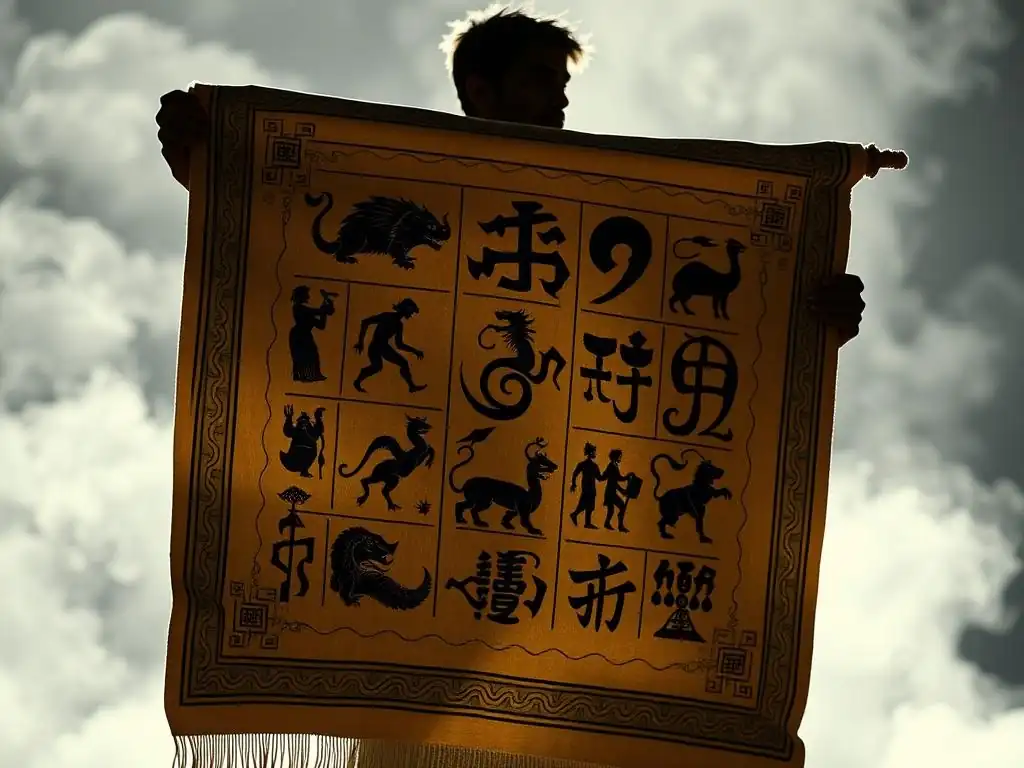
Cultural Appropriation vs. Appreciation: Respecting the Origins and Meanings of Stories
Using folklore for modern activism requires careful consideration of the ethical implications, particularly regarding cultural appropriation. Cultural appropriation occurs when elements of a minority or marginalized culture are taken and used by members of the dominant culture without understanding, respect, or permission, often stripping the elements of their original meaning and context, and sometimes commodifying them. In contrast, cultural appreciation involves engaging with another culture's folklore with respect, seeking to understand its depth and significance, and often collaborating with members of that culture.
When using stories from cultures other than one's own, it is essential to understand the source, the story's original purpose, and its significance within that community. Is the story considered sacred? Are there restrictions on who can tell it or when? Collaborating with cultural keepers, elders, or community members is crucial to ensure respectful use. Failure to do so risks causing harm, perpetuating historical injustices, and undermining the very communities the activism seeks to support. Ethical use is paramount when employing folklore for modern activism that crosses cultural boundaries.
Avoiding Misrepresentation: Ensuring Accuracy and Authenticity
Another significant challenge is avoiding misrepresentation of the folklore itself. Traditional stories are often complex, with multiple layers of meaning and regional variations. Simplifying or distorting a story to fit a specific activist agenda can strip it of its cultural richness and potentially convey inaccurate or misleading information about the culture it comes from. For example, reducing a complex creation myth to a simplistic environmental message without acknowledging its broader spiritual or social functions would be a form of misrepresentation.
Striving for authenticity involves diligent research, consulting with knowledgeable sources, and being transparent about the origin and context of the stories used. It means acknowledging that folklore is dynamic and subject to interpretation, but also recognizing that interpretations must be grounded in cultural understanding. Activists should aim to amplify the authentic voices and meanings embedded in the folklore, rather than imposing an external agenda onto it. Responsible use of folklore for modern activism prioritizes cultural integrity alongside the message.
The Power of Interpretation: Recognizing Diverse Perspectives
Folklore is rarely monolithic; stories often have multiple versions, and their meanings can be interpreted in different ways by different people, even within the same culture. Recognizing this diversity of interpretation is vital for ethical and effective use in activism. A story that one group sees as a tale of liberation, another might view differently based on their own experiences or understanding of tradition. For example, a trickster tale might be seen as celebrating cleverness by some, while others might focus on the chaos or harm caused by the trickster's actions.
Activists should be mindful that their chosen interpretation is not the only valid one and should be open to dialogue about different perspectives. Framing a story's relevance to an issue should allow for nuance and avoid presenting a single, rigid meaning. Engaging the community in discussions about the stories and their contemporary relevance can reveal these diverse interpretations and strengthen the connection between the folklore and the activism. Acknowledging the power of interpretation enhances the responsible deployment of folklore for modern activism.
The Future of Folklore in Activism: A Call to Action
Empowering Marginalized Voices Through Storytelling
The future of using folklore for modern activism lies significantly in empowering marginalized voices. Historically, dominant cultures have often suppressed or appropriated the folklore of minority groups. By supporting and providing platforms for individuals from marginalized communities to share their own traditional stories in their own words, activists can help reclaim cultural heritage and amplify perspectives that have long been silenced. This could involve funding community storytelling projects, creating digital archives of endangered folklore, or facilitating opportunities for elders and youth to share stories across generations.
Prioritizing the narratives of those directly affected by injustice ensures that the activism is grounded in authentic experience and cultural context. For example, immigrant communities can share folklore about migration and resilience; LGBTQ+ individuals might explore folk narratives that can be reinterpreted through a queer lens; people with disabilities can share stories that challenge traditional norms of ability. Empowering these voices through their unique folklore is not just about cultural preservation; it's a powerful act of resistance and a way to build solidarity from the ground up, making folklore for modern activism more inclusive and impactful.
Folklore also has immense potential to build bridges between different cultures and communities engaged in activism. While specific stories vary widely, many cultures share common folk motifs and archetypes – tales of floods, heroes, tricksters, or journeys to the underworld appear in various forms across the globe. Highlighting these shared narrative elements can foster a sense of common humanity and shared purpose among diverse groups working towards similar goals, such as environmental protection, human rights, or peace.
Organizing cross-cultural storytelling events, creating translated collections of folklore focused on social justice themes, or developing educational materials that compare and contrast how different cultures address universal challenges through their stories can promote empathy and understanding. When people from different backgrounds recognize echoes of their own cultural heritage in the stories of others, it can break down barriers and build trust, strengthening coalitions for social change. This bridge-building capacity is a powerful, often untapped, aspect of using folklore for modern activism on a global scale.
Preserving and Revitalizing Folklore for Future Generations
For folklore to remain a viable tool for activism, it must be actively preserved and revitalized. Many traditional narratives are endangered due to globalization, language loss, and the fading of traditional lifestyles. Activists working with folklore have a responsibility not only to use these stories but also to contribute to their preservation. This can involve documenting stories (with permission and appropriate protocols, especially for indigenous or sacred narratives), supporting cultural institutions, and promoting the teaching of traditional languages and storytelling within communities.
Revitalization goes beyond mere documentation; it involves keeping the stories alive and relevant in contemporary life. This can happen through educational programs in schools, community-based arts initiatives, and encouraging new creative works that draw inspiration from traditional sources. When communities are actively engaged in preserving and revitalizing their own folklore, it strengthens cultural identity and provides a rich, living resource for future activism. Ensuring the continuity of folklore is essential for its continued use in modern activism.
A concrete action step for individuals and groups interested in using folklore for modern activism is to organize community storytelling workshops. These workshops can serve multiple purposes:
-
- [x] Provide a safe space for community members to share their own stories and family folklore related to social justice issues.
-
- [x] Introduce participants to traditional folktales, myths, and legends that resonate with contemporary struggles.
-
- [x] Facilitate discussions connecting the themes of the stories to current events and local activism efforts.
-
- [x] Teach participants basic storytelling techniques to empower them to share these narratives with wider audiences.
-
- [x] Collaborate with local cultural experts or elders to ensure respectful and authentic engagement with traditional narratives.
These workshops can be tailored to specific themes (e.g., environmental justice, housing rights, anti-discrimination) and target audiences (e.g., youth, immigrant groups, specific neighborhoods). By actively engaging communities in this way, activists can tap into local knowledge, strengthen social bonds, and cultivate a new generation of storytellers ready to use folklore for modern activism. Practical, hands-on initiatives like this are crucial for translating the theoretical potential of folklore into tangible social change.
Conclusion: The Timeless Relevance of Folklore in the Fight for Justice
Amplifying Voices and Inspiring Change Through Ancient Wisdom
In an age dominated by rapid information flow and often divisive discourse, the ancient wisdom embedded in folklore offers a powerful counterpoint and a valuable resource for social change. Traditional stories, honed over centuries of retelling, possess a unique ability to connect with fundamental human experiences, build empathy, and inspire collective action.
They provide a language that transcends cultural and educational barriers, speaking directly to the heart and imagination. By drawing on these deep wells of narrative, activists can amplify the voices of the marginalized, illuminate injustices, and mobilize communities in ways that purely factual arguments or political rhetoric often cannot.
Whether through the coded language of spirituals that fueled the Civil Rights Movement, the sacred narratives protecting indigenous lands, or the trickster tales exposing economic inequality, folklore provides a rich toolkit for contemporary struggles. It reminds us that the fight for justice is not new, that people have faced adversity and sought liberation throughout history, and that resilience and hope are powerful forces. This enduring legacy ensures that folklore for modern activism remains a vital strategy for those seeking to create a more just and equitable world.
The use of folklore for social justice is not a new phenomenon, but a continuing legacy that stretches back as far as storytelling itself. Throughout history, oppressed groups have used narratives to maintain identity, critique power, and envision freedom. Today, this legacy is being revitalized and adapted for the challenges of the 21st century, leveraging new technologies while remaining rooted in ancient wisdom. From digital storytelling campaigns using traditional motifs to community workshops revitalizing endangered narratives, folklore continues to prove its adaptability and relevance.
As we face complex global challenges, from climate change to systemic inequality, the insights and strategies embedded in folklore offer valuable guidance and inspiration. By understanding and respectfully utilizing these powerful narratives, activists can build stronger movements, foster deeper connections, and inspire lasting change. The stories of the past are not merely relics; they are living tools, ready to be wielded in the ongoing fight for a better future, solidifying the role of folklore for modern activism as a dynamic and essential practice.
Frequently Asked Questions
How can folklore, which is often seen as traditional and outdated, be relevant to modern activism?
Folklore provides a powerful framework for understanding cultural narratives and values. By reinterpreting and re-appropriating these stories, activists can connect with audiences on a deeper, more emotional level.
Folklore can be used to challenge dominant narratives, promote marginalized voices, and highlight historical injustices. For example, stories of resistance can inspire contemporary struggles for freedom and equality.
What role does cultural context play when adapting folklore for modern activism?
Understanding the original context of the folklore is crucial to avoid misrepresentation or cultural appropriation. Adaptations should be sensitive and respectful to the cultures from which the stories originate.
How can activists ensure they are using folklore ethically and avoid cultural appropriation?
Activists should engage with and learn from members of the cultures associated with the folklore. Giving credit and collaborating are essential for ethical adaptation.
What are the potential benefits of using folklore in activism compared to other methods?
Folklore can be more engaging and memorable than traditional activist strategies. It can also help to build solidarity and create a shared sense of identity among activists.
Final Reflection: Echoes of the Past, Voices of the Future
The resurgence of folklore in modern activism isn't just a trend; it's a powerful reclamation of narrative. Our shared stories, often dismissed as mere myth or legend, hold within them the seeds of resistance, resilience, and radical social change. These ancient tales, imbued with the wisdom and struggles of generations past, offer potent tools for understanding and addressing contemporary injustices.
The enduring power of folklore lies in its ability to connect us to something larger than ourselves, to tap into a collective memory that transcends individual experiences. It allows us to find common ground, to build solidarity, and to articulate shared grievances in a way that resonates deeply. As bell hooks eloquently stated, The stories we tell ourselves and each other shape our lives. They shape our understanding of the world and our place in it.
This is precisely why the use of folklore in modern activism is so vital; it provides a framework for understanding our present struggles through the lens of our past, fostering a sense of continuity and purpose.
Now, consider how you can harness the power of storytelling in your own life. What narratives, both personal and collective, resonate with you? How can you use these stories to inspire action, to build community, and to create a more just and equitable world? Let the echoes of the past guide you, and let your voice become a powerful addition to the chorus of modern activism. The folklore, after all, is waiting to be rewritten.
Unleash Your Inner Storyteller: Ignite Change with Folklore!
Thanks for diving into the power of folklore and its surprising relevance to modern activism! You've learned how ancient stories can inspire powerful movements – now let's put that knowledge into action.
Here's how you can make a difference:
- Craft your own activist narrative: Think about a local issue that resonates with you. Then, draw inspiration from the storytelling techniques discussed in the article to craft a compelling narrative that will galvanize your community. Let old stories fuel your modern message!
- Share this article with someone who needs to hear it: Spread the word about the potent combination of folklore and activism – you never know who might be inspired to create their own powerful story.
- Explore local folklore for inspiration: Delve into the rich history of your own region and see what stories lie waiting to be rediscovered and reinterpreted for today's challenges.
What story will you tell to inspire positive change?