
The Power of the Ancestors: Shaping Land and Life in Southern Africa

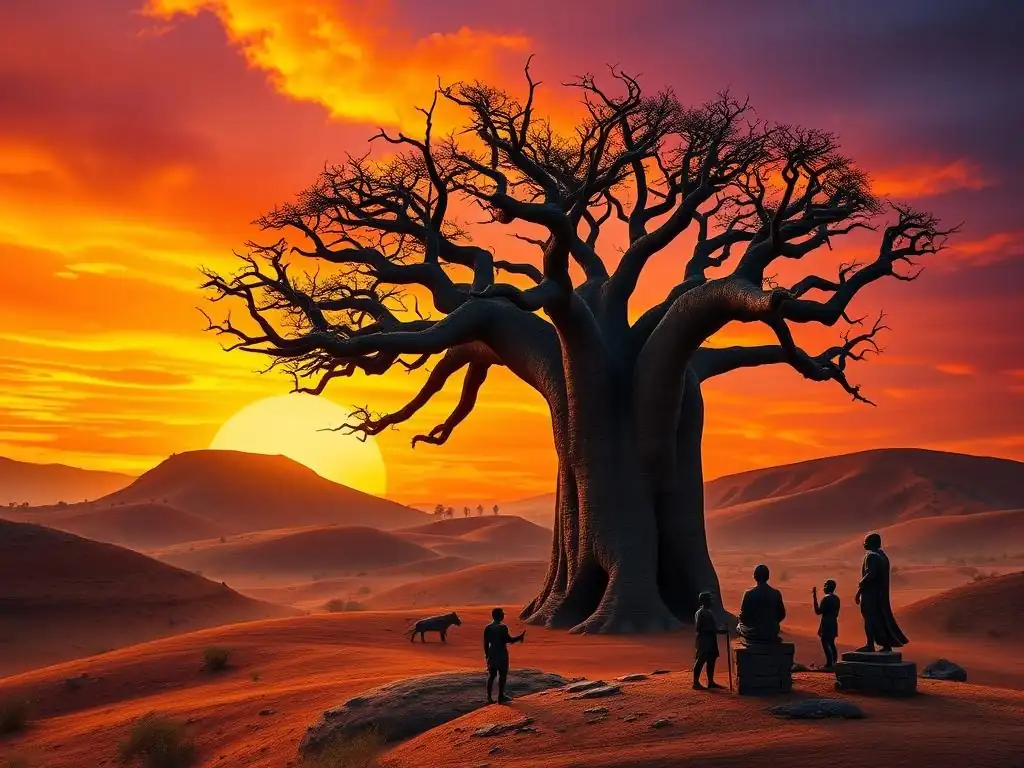
Welcome to Mythology and Legends, where ancient stories come alive!
Delve into the captivating realm of Southern African ancestral folklore beliefs and uncover how these timeless narratives continue to shape the land and lives of its people. What secrets do these stories hold, and how do they echo through modern society? Explore the profound impact of indigenous traditions and prepare to be enchanted.
- Understanding Southern African Ancestral Beliefs
- Creation Myths and the Role of the First Ancestors
- Ancestral Influence on Daily Life and Rituals
- The Interconnectedness of Land, People, and Ancestors
- Challenges to Traditional Ancestral Beliefs in Modern Southern Africa
- The Enduring Legacy of Southern African Ancestral Folklore
-
Frequently Asked Questions
- What is the central role of ancestors in Southern African ancestral folklore beliefs?
- How do Southern African communities typically interact with their ancestors?
- What is the relationship between ancestral folklore beliefs and the land in Southern Africa?
- How do Southern African ancestral folklore beliefs impact contemporary society?
- Are there regional variations in Southern African ancestral folklore beliefs?
- Final Reflection: Echoes of the Ancestors, Shaping Our Future
- Uncover Your Ancestral Heritage: Explore Southern Africa's Rich Past
Understanding Southern African Ancestral Beliefs
The Significance of Ancestors in Southern African Cultures
In many Southern African cultures, the spiritual realm is not distant but intimately interwoven with the world of the living. Central to this worldview are the ancestors, often referred to as amadlozi (Zulu), izinyanya (Xhosa), or vadzimu (Shona). These are not merely figures of the past but active participants in the present, serving as intermediaries between the supreme creator or higher spiritual forces and the living community.
Their significance lies in their perceived ability to influence the fortunes of their descendants, offering blessings, protection, or, if neglected, causing misfortune. This deep reverence forms the bedrock of Southern African ancestral folklore beliefs, guiding moral conduct, social structures, and interactions with the spiritual world.
The ancestors are seen as the custodians of tradition, wisdom, and the continuity of the lineage. They are the link to the past, ensuring that the values, customs, and history of the people are preserved and passed down through generations. Respect for elders in life is directly linked to the veneration of ancestors after death, reflecting a continuum of authority and guidance.
This connection is vital for community cohesion, providing a sense of identity and belonging that transcends individual lives. The power attributed to the ancestors underscores their crucial role in maintaining balance and harmony within the community and with the natural world, a core tenet of Southern African ancestral folklore beliefs.
Key Themes in Southern African Ancestral Narratives
Southern African ancestral narratives are rich tapestries woven with recurring themes that reflect the cultural values and worldview of the people. A prominent theme is the interconnectedness of life, emphasizing the relationship between the living, the dead (ancestors), and the unborn. These stories often depict the ancestors as guardians of social order, punishing those who transgress traditional laws and rewarding those who uphold them. The concept of ubuntu, meaning humanity or mutual respect, is deeply embedded in these narratives, highlighting the importance of community, compassion, and shared humanity, often seen as gifts or principles passed down from the ancestors.
Another key theme is the relationship with the land. Many Southern African ancestral folklore beliefs portray the land not merely as physical territory but as a sacred space inhabited by ancestral spirits. This connection is often depicted through narratives of creation, migration, and settlement, where ancestral beings play a direct role in shaping the landscape and establishing human presence.
Stories about sacred mountains, rivers, or forests reinforce this bond, portraying these natural features as places where the veil between the physical and spiritual world is thin, allowing for communication with ancestors. These themes collectively form the moral and spiritual compass for understanding Southern African ancestral folklore beliefs.
Creation Myths and the Role of the First Ancestors
The Creation of Land: Ancestral Beings and the Formation of Southern Africa
Across Southern Africa, creation myths often feature primordial or ancestral beings as the architects of the physical world. These narratives vary greatly between ethnic groups, but many share the idea that the landscape was not formed by random chance but through the actions of powerful entities who existed at the dawn of time.
For instance, some stories describe the earth emerging from a primeval watery chaos through the efforts of a first being or group of beings. Other myths attribute the formation of specific mountains, rivers, or valleys to the journeys or activities of these early ancestors or demi-gods, embedding the landscape with spiritual significance rooted in Southern African ancestral folklore beliefs.
These creation narratives serve not just as explanations of the physical world but also as charters for human relationship with the land. By linking the land's formation to the first ancestors, these myths establish a sense of stewardship and responsibility among the living. The land is seen as an inheritance, a sacred trust passed down through the ancestral line.
This perspective influences traditional land management practices, resource use, and territorial claims. The mountains where ancestors are buried or the rivers where spirits reside become sacred sites, reinforcing the spiritual connection to the earth that is fundamental to Southern African ancestral folklore beliefs.
The Origin of Life: Ancestral Spirits and the Birth of Humanity
The origin of human life is another central theme in Southern African creation myths, often attributed to the actions of a supreme being or the first ancestors. These narratives frequently describe humanity emerging from a specific location, such as a reed bed, a hole in the ground, or a cave, guided or brought forth by a primal figure. The Zulu myth of Unkulunkulu, for example, describes him emerging from a reed bed ( Uthlanga), bringing the first people, animals, and laws into existence. This act of emergence from a specific location links the origin of humanity directly to the land and the first ancestors, highlighting the interconnectedness of all life.
These myths emphasize the shared ancestry of humanity and sometimes even other living creatures, fostering a sense of kinship and interdependence. The first humans are often depicted as receiving instructions, customs, and knowledge directly from the creator or first ancestor, establishing the foundation for traditional social order and cultural practices. The concept that humanity originated from a single source, guided by ancestral spirits, is a powerful unifying theme within Southern African ancestral folklore beliefs, providing a common understanding of human existence and purpose.
The Zulu Myth of Unkulunkulu: Origin of Humanity and Culture
The Zulu creation myth centered around Unkulunkulu (The Great-Great One) is one of the most widely known examples of Southern African ancestral folklore beliefs regarding origins. According to this narrative, Unkulunkulu is the first being, who emerged from a reed bed ( Uthlanga), a place often associated with the origin of all things. He is not a distant, abstract deity but a figure who actively shaped the world and brought forth the first people, known as abantu. He also brought with him the fundamental elements of Zulu life: cattle, food, fire, and the essential customs and laws that govern society.
Unkulunkulu's actions established the order of the world, distinguishing humans from animals and setting the patterns for social interaction, work, and ritual. He is credited with giving people their names, their clans, and their roles within the community.
While not always the object of direct worship in the same way as immediate ancestors, Unkulunkulu represents the ultimate source of life and order, the first ancestor from whom all others descend. This myth provides a foundational narrative for Zulu identity, social structure, and worldview, deeply embedding the concept of ancestral origins within their cultural fabric and providing a key example of Southern African ancestral folklore beliefs.
Ancestral Influence on Daily Life and Rituals
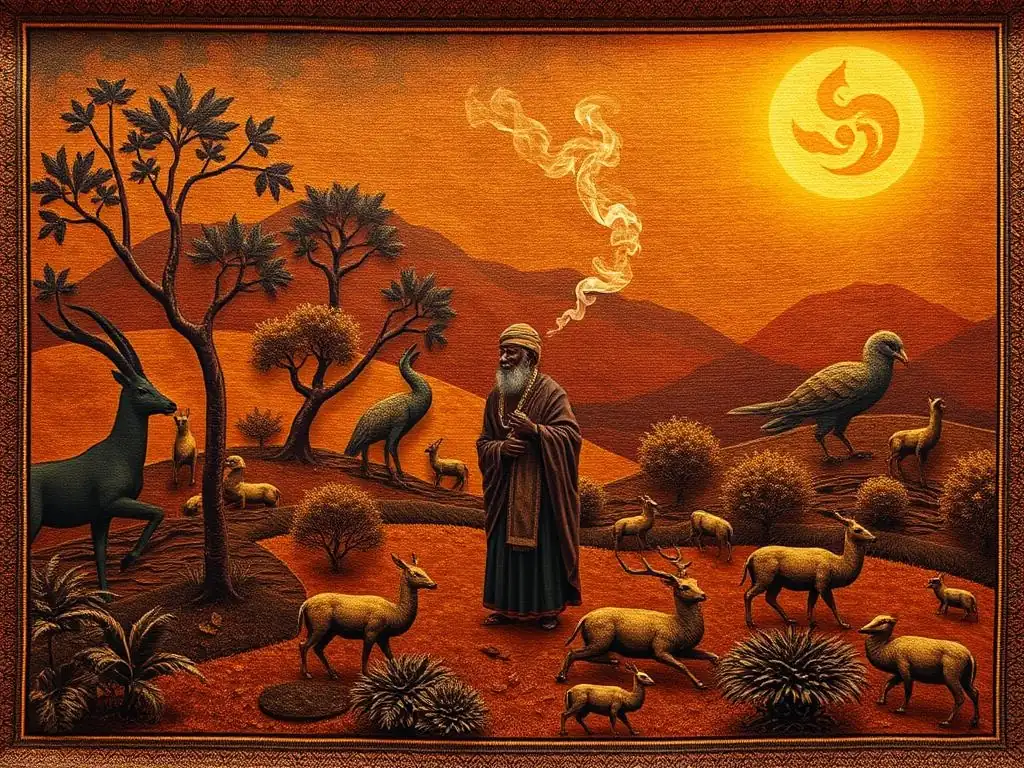
Ancestral Guidance: Seeking Wisdom and Protection from the Spirit World
Ancestors are believed to maintain a constant presence and influence in the lives of their descendants, offering guidance, protection, and blessings. This influence is not passive; individuals and communities actively seek ancestral wisdom and intervention in times of need, uncertainty, or celebration.
Communication with the spirit world is often facilitated through dreams, omens, or the intervention of traditional healers or diviners (such as Sangomas in various cultures or Inyangas). These mediators interpret messages from the ancestors, provide counsel, and prescribe actions necessary to appease or seek favor from the spirits, forming a vital part of Southern African ancestral folklore beliefs in practice.
Whether facing illness, seeking success in endeavors like farming or business, or navigating complex social issues, consulting with ancestors is a common practice. Neglecting the ancestors or failing to uphold traditional customs is believed to invite misfortune, illness, or discord within the family or community. Therefore, maintaining a good relationship with the ancestral spirits through respect, remembrance, and appropriate rituals is paramount for ensuring well-being and prosperity, illustrating the pervasive impact of Southern African ancestral folklore beliefs on daily decisions and attitudes.
Rituals and Ceremonies Honoring the Ancestors
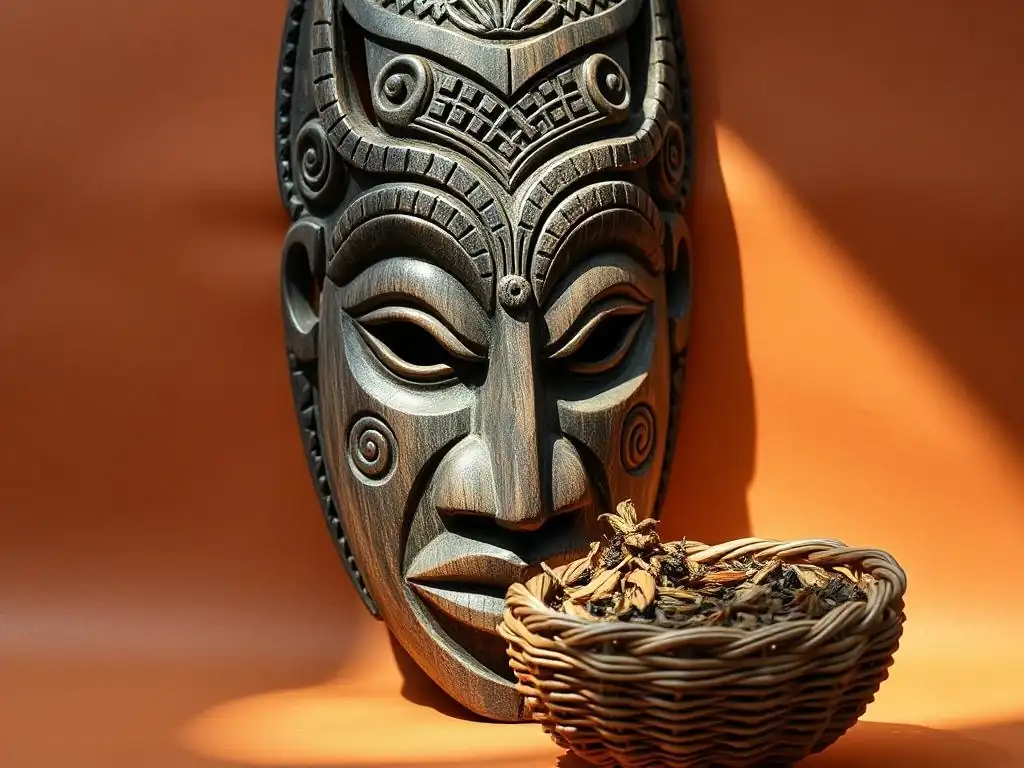
Rituals and ceremonies are central to upholding Southern African ancestral folklore beliefs and maintaining the vital connection between the living and the spirit world. These practices range from simple daily acts of respect to elaborate community-wide events. Libations, such as pouring out a small amount of traditional beer or water before drinking, are common ways to include the ancestors in everyday meals and social gatherings. More significant rituals often involve the sacrifice of animals (like chickens, goats, or cattle), the offering of food and drink, and the burning of specific herbs or incense to communicate with the ancestors.
These ceremonies are typically performed at significant life cycle events, such as births, coming-of-age initiations, marriages, and funerals, to inform the ancestors of changes in the family structure and seek their blessings. They are also conducted to address specific problems, give thanks for blessings, or commemorate important historical events. The performance of these rituals, often led by elders or traditional healers, reinforces community bonds, passes down cultural knowledge, and publicly affirms the importance of Southern African ancestral folklore beliefs in the social and spiritual life of the people.
Ancestral Shrines and Sacred Spaces in Southern Africa
Sacred spaces serve as focal points for connecting with the ancestral world and are integral to the practice of Southern African ancestral folklore beliefs. These can be designated areas within the home, such as a specific hut, a corner of a room, or a hearth, where offerings are made and communication with ancestors takes place. Outside the home, natural features like specific trees, rocks, caves, mountains, or rivers are often considered sacred and are associated with particular ancestral spirits or events from ancestral history.
Gravesites are also profoundly important sacred spaces, serving as direct links to the departed ancestors. Families often maintain and visit graves to communicate, make offerings, and seek guidance. These shrines and sacred spaces are treated with great respect and reverence. They are not just physical locations but spiritual gateways where the living can interact with the ancestral realm, reinforcing the deep connection between people, land, and the spirits that is fundamental to Southern African ancestral folklore beliefs.
The Interconnectedness of Land, People, and Ancestors
Land as a Gift from the Ancestors: Stewardship and Responsibility
In Southern African ancestral folklore beliefs, the land is not merely a resource to be exploited but a sacred inheritance, a gift from the ancestors to their descendants. This perspective fosters a profound sense of connection and responsibility towards the earth. The land is seen as being alive, imbued with the spirits of those who have passed on.
Ancestors are believed to reside in the land, particularly in significant natural features or burial sites, making the earth itself a vast ancestral shrine. This worldview dictates that the living must act as responsible stewards, caring for the land not just for their own benefit but for the sake of the ancestors and future generations.
Practices related to agriculture, resource extraction, and environmental conservation are often guided by the understanding that disrespecting the land is equivalent to disrespecting the ancestors. Traditional laws and customs governing land use, water rights, and the harvesting of natural resources are often rooted in ancestral teachings and warnings. This deep spiritual connection to the land, passed down through generations via Southern African ancestral folklore beliefs, creates a powerful ethical framework for environmental stewardship, emphasizing harmony rather than domination over nature.
Maintaining Harmony with Nature Through Ancestral Practices
Maintaining harmony between the human community and the natural environment is a crucial aspect of Southern African ancestral folklore beliefs. Many traditional practices and rituals are aimed at ensuring this balance, often by seeking the approval or intervention of ancestral spirits who are closely associated with specific natural elements or locations. For example, rituals might be performed before planting or harvesting crops to ask for ancestral blessings and a fruitful yield. Similarly, ceremonies might be conducted near rivers or water sources to ensure continued rainfall and water purity, acknowledging the ancestors' role in sustaining life.
Disruptions in nature, such as droughts, floods, or pest infestations, are sometimes interpreted as signs of ancestral displeasure, perhaps due to neglect of rituals, disrespect for the land, or social disharmony. Addressing these issues often involves consulting with traditional healers or elders to determine the cause and performing corrective rituals to appease the ancestors and restore balance. This intricate relationship highlights how Southern African ancestral folklore beliefs provide a framework for understanding and interacting with the environment in a way that promotes respect and sustainability.
Ukwaluka: Xhosa Initiation Rite Connecting Boys to Ancestral Lineage and Land
Ukwaluka, the traditional Xhosa male initiation rite, is a powerful example of how Southern African ancestral folklore beliefs are woven into life cycle ceremonies, specifically connecting individuals to their ancestral lineage and the land. This rite marks the transition of boys to manhood and is a deeply spiritual journey that involves physical challenges, cultural teachings, and a symbolic death and rebirth. Central to the process is the isolation of the initiates in seclusion huts ( komani) located in the wilderness, often on ancestral land, away from the community.
During this period, the initiates are instructed in the responsibilities of manhood, community laws, and the history and customs of their people, including their connection to the ancestors. The physical process, notably circumcision, is performed according to tradition, symbolizing the shedding of the old self.
The location on ancestral land reinforces their connection to the lineage and the territory. Upon their return to the community, marked by celebration, they are welcomed as men, now fully integrated members of society with a reinforced understanding of their identity, their obligations to their ancestors, and their place on the land, embodying the practical application of Southern African ancestral folklore beliefs.
Challenges to Traditional Ancestral Beliefs in Modern Southern Africa
The Impact of Colonialism and Westernization on Ancestral Practices
The arrival of European colonists and the subsequent processes of colonization and Westernization posed significant challenges to traditional Southern African ancestral folklore beliefs. Colonial administrations often viewed indigenous spiritual practices with suspicion or outright hostility, sometimes suppressing them through laws or force. Christian missionaries actively sought to convert populations, often portraying ancestral veneration as paganism or idolatry, leading to the abandonment or modification of many traditional rituals and beliefs.
Furthermore, the imposition of Western education systems, economic structures, and land ownership models disrupted traditional social organization and the deep spiritual connection to the land. Urbanization led to the migration of people away from ancestral homes and burial sites, making it difficult to perform traditional rituals. While many people adopted aspects of Christianity or Western lifestyles, the influence of these forces undeniably impacted the transmission and practice of Southern African ancestral folklore beliefs, leading to fragmentation in some communities and syncretism in others.
The Revival and Preservation of Southern African Indigenous Knowledge
Despite the challenges posed by historical and contemporary forces, there is a growing movement towards the revival and preservation of Southern African indigenous knowledge systems, including ancestral beliefs. This movement is driven by a desire to reclaim cultural identity, promote indigenous languages, and recognize the value of traditional wisdom in addressing contemporary issues like environmental sustainability, health, and social cohesion. Efforts include documenting oral histories, traditional ecological knowledge, and spiritual practices.
Cultural festivals, community-based initiatives, and academic research play a role in this revival. There is also increasing recognition, in some areas, of the role of traditional leaders and healers in maintaining social order and health. This renewed interest signifies a resilient commitment to keeping the spirit of Southern African ancestral folklore beliefs alive, adapting them where necessary to the modern context while preserving their core principles and significance for future generations.
Sangomas and Traditional Healers: Contemporary Embodiments of Ancestral Wisdom
In contemporary Southern Africa, Sangomas ( izangoma in Zulu/Xhosa, n'anga in Shona, and similar figures across other groups) and other traditional healers remain crucial figures in maintaining and interpreting Southern African ancestral folklore beliefs. These practitioners undergo rigorous training, often involving spiritual calling and apprenticeship, to become mediators between the living and the ancestral world. They are consulted for a wide range of issues, including illness (both physical and spiritual), misfortune, relationship problems, and seeking guidance on important decisions.
Sangomas use various methods, such as divination (e.g., throwing bones), dream interpretation, and communication with their own ancestral guides, to diagnose problems and recommend solutions, which often involve specific rituals or herbal medicines. Their continued presence and role in communities, even in urban areas, highlight the enduring relevance of ancestral beliefs in contemporary life. They represent a living link to the wisdom and practices of the past, adapting ancestral knowledge to address the complexities of the modern world, thus safeguarding an essential aspect of Southern African ancestral folklore beliefs.
The Enduring Legacy of Southern African Ancestral Folklore
Lessons from the Ancestors: Wisdom for Future Generations
The rich body of Southern African ancestral folklore beliefs holds valuable lessons that resonate far beyond their cultural origins and offer guidance for future generations. Themes of community, respect for elders, responsibility towards nature, and the interconnectedness of all life provide a powerful ethical framework. These beliefs emphasize the importance of living in harmony with others and the environment, recognizing that individual well-being is intrinsically linked to the health of the community and the land.
The narratives also teach resilience, adaptation, and the importance of remembering one's roots. By honoring the past and seeking guidance from those who came before, individuals are encouraged to navigate the challenges of the present with wisdom and strength. These enduring lessons, embedded within Southern African ancestral folklore beliefs, offer timeless principles for building strong communities and fostering a sustainable relationship with the planet.
The Power of Storytelling: Passing Down Ancestral Knowledge
Storytelling is perhaps the most vital mechanism for the transmission and preservation of Southern African ancestral folklore beliefs. Passed down orally from generation to generation, these narratives are more than mere entertainment; they are living repositories of history, cultural values, social norms, and spiritual understanding. Through myths, legends, proverbs, and personal accounts, the wisdom and experiences of the ancestors are conveyed, shaping the worldview of the young and reinforcing the identity of the community.
Elders often play a central role in this oral tradition, sharing stories around the fire or during significant gatherings. These narratives teach about creation, the origins of customs, the consequences of breaking taboos, and the power of ancestral intervention. The act of storytelling itself is a performance that fosters connection and ensures that the core tenets of Southern African ancestral folklore beliefs remain vibrant and relevant, adapting subtly over time while retaining their fundamental truths.
The Relevance of Southern African Ancestral Beliefs in a Globalized World
In an increasingly globalized and rapidly changing world, Southern African ancestral folklore beliefs retain significant relevance. They offer unique perspectives on issues such as identity, community, environmental ethics, and holistic health that can complement or challenge Western paradigms. As people navigate the complexities of modernity, urbanization, and cultural change, reconnecting with ancestral heritage provides a anchor of stability and a source of strength.
Furthermore, the emphasis on interconnectedness and respect for nature found within these beliefs offers valuable insights for global challenges like climate change and biodiversity loss. The traditional ecological knowledge embedded in Southern African ancestral folklore beliefs provides practical lessons for sustainable living. Thus, these ancient traditions are not static relics of the past but dynamic systems of knowledge and belief that continue to shape lives and offer wisdom applicable to the contemporary world.
Frequently Asked Questions
What is the central role of ancestors in Southern African ancestral folklore beliefs?
Ancestors are considered powerful intermediaries between the living and the divine. They are believed to influence everyday life, offering guidance and protection. Maintaining a strong relationship with them is crucial for well-being.
How do Southern African communities typically interact with their ancestors?
Interaction often involves rituals, offerings, and prayers offered at specific locations, like family shrines or ancestral graves. Dreams and visions are also interpreted as messages from the ancestors. These interactions seek blessings and guidance.
What is the relationship between ancestral folklore beliefs and the land in Southern Africa?
The land is deeply connected to ancestors, often considered their sacred burial ground or place of origin. Ancestral spirits are thought to protect and influence the fertility of the land. Respecting the land is seen as respecting the ancestors.
How do Southern African ancestral folklore beliefs impact contemporary society?
These beliefs continue to influence social structures, ethical codes, and healthcare practices. Even in urban settings, people maintain traditions honoring their ancestors, demonstrating cultural resilience. They provide a sense of identity and belonging.
Are there regional variations in Southern African ancestral folklore beliefs?
Yes, ancestral folklore beliefs vary greatly across different ethnic groups and regions. While the core concept of ancestor veneration remains consistent, the specific rituals, deities, and narratives associated with them differ. These variations reflect diverse cultural histories.
Final Reflection: Echoes of the Ancestors, Shaping Our Future
The enduring power of ancestral veneration in Southern Africa is not merely a historical curiosity; it remains a vibrant force shaping contemporary life and land. The beliefs and practices surrounding ancestors continue to influence decision-making, social structures, and even environmental stewardship in profound ways, demonstrating their enduring relevance in a rapidly changing world. This intricate relationship between the living and the departed highlights the deep-rooted connection between people and place, a connection that deserves careful consideration and respect.
The impact of ancestral folklore on Southern African societies is immeasurable; it's woven into the very fabric of our cultural identity. It informs our understanding of kinship, morality, and the natural world. The stories, rituals, and traditions surrounding ancestors provide a framework for understanding the past, navigating the present, and envisioning the future. As Chinua Achebe eloquently stated, The past is not dead. It's not even past.
This sentiment perfectly encapsulates the ongoing influence of ancestral beliefs, reminding us that the legacies of our forefathers continue to shape our choices and actions today.
Consider the ways in which ancestral veneration impacts your own life, even if you are not directly connected to Southern African cultures. Do you find yourself guided by the wisdom of your elders, or influenced by family traditions?
How might a deeper understanding of the power of ancestral legacies, regardless of their specific form, enrich your own sense of belonging and purpose? Let the echoes of the ancestors inspire you to explore your own heritage, to honor the wisdom of those who came before, and to build a future rooted in respect for the past and a commitment to the well-being of generations to come.
Uncover Your Ancestral Heritage: Explore Southern Africa's Rich Past
Thanks for exploring the fascinating connection between ancestors, land, and life in Southern Africa! We hope you gained a deeper appreciation for the profound influence of heritage on this vibrant region. Now it's time to take action:
- Dive deeper: Research your own family history, focusing on any potential Southern African connections. You might be surprised by what you discover!
- Share your story: Do you have ancestors from this region? Share their stories and experiences in the comments below – let's build a collective tapestry of heritage!
- Engage with the culture: Explore traditional Southern African art, music, and literature to further immerse yourself in the rich cultural legacy.
What unique ancestral tradition or story resonates most strongly with you, and why?