
The Living Library: Ensuring Oral Traditions Endure in the Modern Era


Welcome to Mythology and Legends, a portal to the vibrant tapestry of global narratives. Delve into the echoes of ancient voices and discover how they resonate even today. Ever wondered how we can ensure stories passed down through generations don't fade into silence?
This week, we explore the crucial role of preserving oral traditions globally, uncovering the challenges and triumphs in safeguarding these living libraries. Join us as we journey into the heart of indigenous and folk traditions, sparking a vital conversation about cultural legacy. What secrets are hidden within these whispered tales, and how can we help keep them alive?
- The Living Library: Preserving Oral Traditions Globally in the Modern Era
- The Living Library Concept: A Modern Approach to Oral Tradition Preservation
- Challenges in Preserving Oral Traditions Globally
- Strategies for Preserving Oral Traditions Globally
- The Role of Education in Maintaining Oral Traditions
- Case Studies: Successful Oral Tradition Preservation Projects
- The Future of Oral Traditions: A Global Perspective
-
Frequently Asked Questions
- How does the Mythology and Legends website contribute to preserving oral traditions globally?
- What are the main challenges to preserving oral traditions in the modern era?
- Why is it important to preserve oral traditions, even in today's digital world?
- What role can technology play in preserving oral traditions globally?
- What can individuals do to help preserve oral traditions in their own communities?
- Final Reflection: Echoes Across Generations: The Urgent Need to Preserve Oral Traditions
- Unveil Your Inner Storyteller: Keep Oral Traditions Alive!
The Living Library: Preserving Oral Traditions Globally in the Modern Era
Introduction: The Enduring Power of Oral Storytelling
For millennia, before the advent of written scripts and mass media, human knowledge, history, and culture were primarily transmitted through the spoken word. Storytelling circles around fires, epic poems recited from memory, and intricate genealogies passed down through generations formed the bedrock of societal cohesion and cultural identity. These oral traditions are not merely entertainment; they are dynamic repositories of a community's worldview, ethical codes, historical memory, and practical knowledge about their environment. The ability of these narratives to adapt and evolve while maintaining their core essence speaks to their inherent power and resilience.
In the modern era, however, the dominance of digital communication and written information presents significant challenges to the continuity of oral traditions. Younger generations may have less exposure to traditional storytelling settings, and the fast pace of life can erode the time dedicated to such practices. Yet, the fundamental human need to connect through shared narratives endures. Understanding the profound value embedded within these spoken histories is the first step towards actively preserving oral traditions globally and ensuring that the wisdom and beauty they contain are not lost to time.
Why Preserving Oral Traditions Globally Matters
The Cultural Significance of Oral Narratives
Oral narratives are the lifeblood of cultural identity for countless communities around the world. They embody unique linguistic nuances, idiomatic expressions, and specific cultural references that are often difficult, if not impossible, to translate or fully capture in written form. These stories explain origins, teach moral lessons, and reinforce social structures, providing individuals with a sense of belonging and connection to their ancestors and community. Losing an oral tradition is not just losing a story; it's losing a unique way of understanding the world, a particular voice in the global chorus of human experience.
Furthermore, these narratives frequently hold keys to understanding historical events, migrations, and interactions between peoples that may not be recorded in written histories. For Indigenous communities, oral traditions are often the primary, sometimes the only, record of their past. Safeguarding these narratives is crucial for historical accuracy and acknowledging diverse perspectives on human history. Preserving oral traditions globally thus becomes an act of cultural justice and recognition.
Oral Traditions as Living History
Unlike static written documents, oral traditions are often described as "living history." They are dynamic, capable of adapting to new contexts and incorporating contemporary elements while retaining their foundational structure and meaning. This adaptability allows them to remain relevant and meaningful across generations. A storyteller might weave in modern references or address current social issues through the lens of an ancient myth, demonstrating the tradition's vitality.
This living quality means that preserving oral traditions globally is not just about recording them for posterity, but about supporting the practice of storytelling and transmission. It involves fostering environments where these traditions can continue to thrive, evolve, and be passed down actively from elders to youth. This ongoing practice ensures that the knowledge remains vibrant and accessible, rather than becoming a relic confined to archives.
Safeguarding Indigenous Knowledge through Storytelling
A significant portion of the world's oral traditions belongs to Indigenous communities, and these narratives are often deeply intertwined with specific ecological knowledge, medicinal practices, and sustainable resource management techniques. For example, the stories of the Koyukon people of Alaska contain detailed observations about animal behavior and environmental cycles crucial for survival in a subarctic climate. Similarly, traditional medicinal knowledge, such as the use of specific plants for healing, is frequently embedded within origin stories or narratives about ancestral healers.
When these oral traditions are lost, the valuable, time-tested knowledge they contain is also at risk of disappearing. This represents a significant loss not only for the community itself but potentially for global scientific understanding and sustainable development efforts. Therefore, preserving oral traditions globally is intrinsically linked to safeguarding biodiversity and traditional ecological knowledge, offering crucial insights into living in harmony with the environment.
The Living Library Concept: A Modern Approach to Oral Tradition Preservation
Defining the Living Library: People as Books
The "Living Library" is an innovative concept that re-imagines the traditional library model, replacing physical books with human beings who serve as "living books." The core idea is to challenge prejudice and stereotypes by allowing individuals from marginalized groups or with unique life experiences to share their stories directly with "readers" through open, facilitated conversation. This approach fosters empathy, understanding, and dialogue in a way that traditional media often cannot.
The Living Library is a place where difficult questions are expected, appreciated and answered.
- The Human Library Organization
While initially conceived to combat social prejudice, the Living Library model holds immense potential for preserving oral traditions globally. By framing traditional knowledge keepers, elders, or storytellers as "living books," it creates a structured yet personal environment for the direct transmission of oral heritage. It emphasizes the human connection inherent in oral traditions, making the preservation process dynamic and engaging rather than purely archival.
How Living Libraries Function: Facilitating conversations between "readers" and "human books" sharing personal experiences and challenging stereotypes.
A typical Living Library event involves a catalogue of "human books," each representing a specific experience, identity, or, in the context of oral traditions, a body of knowledge or set of stories. "Readers" browse the catalogue and "borrow" a human book for a set period, usually 20-30 minutes, for a one-on-one or small-group conversation. A facilitator is often present to ensure respectful dialogue and manage the process.
In the context of preserving oral traditions globally, the "human books" could be elders sharing origin myths, storytellers recounting historical narratives, or knowledge keepers explaining traditional practices embedded in oral form. The "readers" could be younger community members, researchers, or the general public interested in learning directly from the source. This direct interaction bypasses potential barriers of literacy or access to technology, focusing on the fundamental act of listening and speaking that defines oral tradition. The format encourages questions and allows for the nuances and interactive elements of traditional storytelling to come alive.
The Role of Living Libraries in Maintaining Cultural Heritage
Living Libraries offer a powerful, community-centered method for maintaining cultural heritage by actively promoting intergenerational knowledge transfer. They provide a structured, safe, and accessible platform for elders and knowledge keepers to share their wisdom and stories directly with younger generations who might otherwise not have the opportunity or confidence to engage in traditional settings. This direct interaction strengthens social bonds and reinforces the value of traditional knowledge within the community.
Furthermore, Living Libraries can raise awareness about the importance of preserving oral traditions globally among the wider public. Events held in public spaces like libraries, museums, or community centers can introduce people to diverse cultural narratives they might never encounter otherwise, fostering appreciation and support for preservation efforts. By centering the people who carry the traditions, this model highlights the human element of cultural preservation, making it a deeply personal and impactful experience for both the "books" and the "readers."
Challenges in Preserving Oral Traditions Globally
The Impact of Modernization on Storytelling
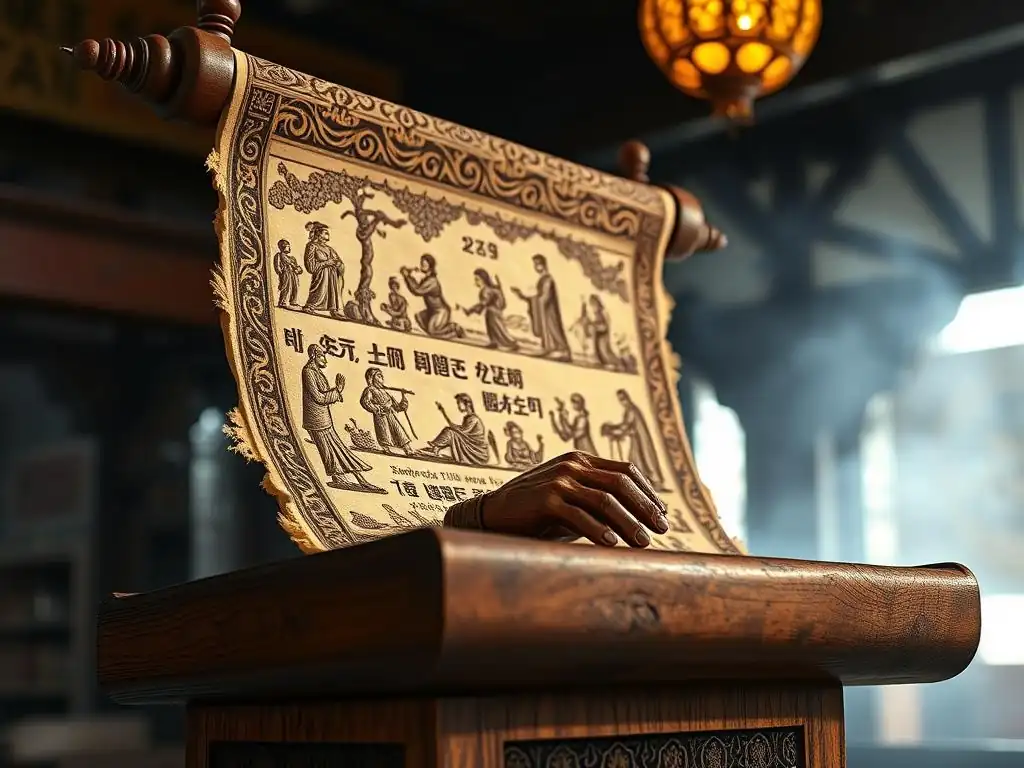
Modernization, with its rapid technological advancements and shifts in lifestyle, presents significant challenges to the continuity of oral traditions. The pervasiveness of mass media – television, radio, internet, and social media – competes for attention, often displacing traditional forms of entertainment and education like storytelling circles. Children and young people may spend more time engaging with digital content than listening to elders. This shift in how information and entertainment are consumed can lead to a decline in interest in and opportunities for traditional oral transmission.
Urbanization also plays a role, as communities disperse and traditional gathering places become less central to daily life. The economic pressures of modern society can leave less free time for the lengthy, often informal, processes of storytelling and knowledge transfer that characterized pre-modern life. As traditional social structures weaken, the informal networks through which oral traditions were passed down can fray, making the task of preserving oral traditions globally increasingly difficult without deliberate intervention.
Language Loss and Its Threat to Oral Heritage
Perhaps the most critical threat to oral traditions is language loss. Oral traditions are intimately tied to the specific language in which they originated. The unique rhythm, vocabulary, and cultural references of a story are often inseparable from its linguistic form. When a language disappears, the oral traditions embedded within it are at imminent risk of vanishing forever. UNESCO estimates that approximately half of the world's 6,000-7,000 languages are endangered, with many having only a few elderly speakers remaining.
The reasons for language loss are multifaceted, including historical suppression, migration, globalization, and the economic or social pressure to adopt dominant languages. As younger generations shift to using more widely spoken languages, the opportunities to learn and practice their ancestral language, and thus engage with its oral traditions, diminish. Without active efforts to revitalize languages and support their speakers, the rich tapestry of global oral heritage faces irreversible decline, undermining efforts for preserving oral traditions globally.
Overcoming Technological Barriers in Documentation
While technology offers powerful tools for preserving oral traditions globally, it also presents challenges, particularly in communities with limited access to infrastructure or digital literacy. Documenting oral traditions often requires reliable recording equipment, electricity, and digital storage. In remote areas, securing and maintaining this technology can be difficult and expensive. Furthermore, ensuring the long-term preservation and accessibility of digital archives requires ongoing resources and technical expertise.
- Lack of reliable internet access in remote communities.
- Cost of recording equipment and digital storage.
- Need for technical training for community members.
- Challenges in ensuring long-term digital preservation and accessibility.
- Ethical considerations regarding data ownership and access.
Beyond technical hurdles, there are also cultural considerations. Some communities may have reservations about recording sacred stories or traditional knowledge, fearing misuse or decontextualization. Building trust and ensuring community consent and control over documentation projects is essential but can be a complex and time-consuming process. Overcoming these technological and ethical barriers is crucial for effective digital initiatives aimed at preserving oral traditions globally.
Strategies for Preserving Oral Traditions Globally
Community-Based Initiatives for Oral Tradition Preservation
Effective preservation of oral traditions must be rooted in the communities that hold them. Top-down approaches often fail because they do not respect local customs, priorities, or ownership. Community-based initiatives empower local people to lead the preservation process, identifying which traditions are most vital to them and how they wish to see them maintained and shared. This might involve establishing local cultural centers, organizing community events focused on storytelling, or developing educational programs within the community itself.
Such initiatives foster a sense of pride and ownership over cultural heritage. For example, many Indigenous groups in North America have established cultural foundations or language nests that prioritize the teaching of traditional languages and the sharing of oral histories by elders. These grassroots efforts are often the most sustainable way of preserving oral traditions globally, as they are driven by the community's intrinsic motivation to safeguard its identity.
Supporting Local Storytellers and Knowledge Keepers
At the heart of oral tradition preservation are the individuals who carry the knowledge: the storytellers, elders, singers, and specialized knowledge keepers. Direct support for these individuals is paramount. This can take many forms, including providing stipends or recognition for their role, ensuring they have platforms to share their knowledge, and supporting their well-being. In some cases, formal apprenticeship programs are established where younger community members learn directly from elders over extended periods, mimicking traditional learning methods.
Recognizing the cultural authority and intellectual property rights of these knowledge keepers is also critical. Any documentation or sharing of their traditions must be done with their explicit consent and according to community protocols. Supporting local storytellers means valuing their expertise and ensuring they are active participants and beneficiaries in any preservation efforts, reinforcing their vital role in preserving oral traditions globally.
Creating Spaces for Intergenerational Knowledge Transfer
The transmission of oral traditions traditionally occurred through informal and formal interactions between generations – around the hearth, during communal work, or in specific ceremonial contexts. Creating dedicated spaces and opportunities for these interactions in the modern era is a vital strategy. This could involve regular storytelling gatherings, cultural camps, or mentorship programs that pair young people with elders. Schools can also play a role by inviting elders to share stories and knowledge.
These spaces should be culturally appropriate and comfortable for elders and youth alike. They provide not just a venue for transmission but also strengthen social bonds and respect between generations. Projects focused on documenting family histories through oral interviews, led by younger family members, are another way to encourage intergenerational engagement and contribute to preserving oral traditions globally within the family unit.
Technological Solutions for Documenting and Sharing Oral Traditions
Technology, while a challenge, also offers powerful tools for preserving oral traditions globally. Digital recording allows for the capture of the spoken word, including tone, rhythm, and linguistic nuances that are lost in transcription. Video recording can capture gestures, expressions, and the performance aspect of storytelling. These recordings can serve as valuable resources for future generations, researchers, and language learners.
However, documentation should not be seen as replacing the living tradition but rather as a complementary tool. The goal is to support the continuity of the practice itself. Digital archives and online platforms can make documented traditions accessible to community members who have migrated away from their ancestral lands, helping them stay connected to their heritage.
Digital Archives of Oral Histories
Establishing digital archives is a key technological strategy for preserving oral traditions globally. These archives can store audio and video recordings, transcriptions, translations, and contextual information about the stories and the storytellers. Projects like the Archive of Folk Culture at the Library of Congress or university-led initiatives have collected vast amounts of oral history data over decades. More recently, community-controlled digital archives are being developed, ensuring that communities retain ownership and control over their cultural data.
Creating a digital archive requires careful planning, including decisions about file formats, metadata standards (to ensure information is searchable and understandable), storage solutions (both online and offline backups), and access protocols. Ethical considerations, such as who has access to the archive and under what conditions, must be determined in consultation with the source communities. A well-managed digital archive provides a stable repository for invaluable oral heritage, supporting efforts for preserving oral traditions globally for the long term.
Using Technology to Promote Oral Storytelling to Younger Generations
Technology can be leveraged creatively to make oral traditions engaging and accessible to younger audiences. This goes beyond simple archiving and involves using digital tools for dissemination and interaction. Examples include creating podcasts featuring traditional stories, developing interactive apps that incorporate oral narratives, or using social media platforms to share short stories or linguistic snippets. Animation or digital illustrations can be combined with audio recordings of traditional stories to create engaging multimedia content.
Some projects are experimenting with virtual reality or augmented reality to recreate traditional storytelling environments or visualize elements of the narratives. The key is to use technology in a way that complements, rather than replaces, the oral tradition, encouraging young people to listen, learn the language, and eventually become storytellers themselves. By meeting young people where they are – online and on their devices – technology can play a crucial role in sparking interest and facilitating the transmission necessary for preserving oral traditions globally.
The Role of Education in Maintaining Oral Traditions
Integrating Oral Traditions into School Curricula
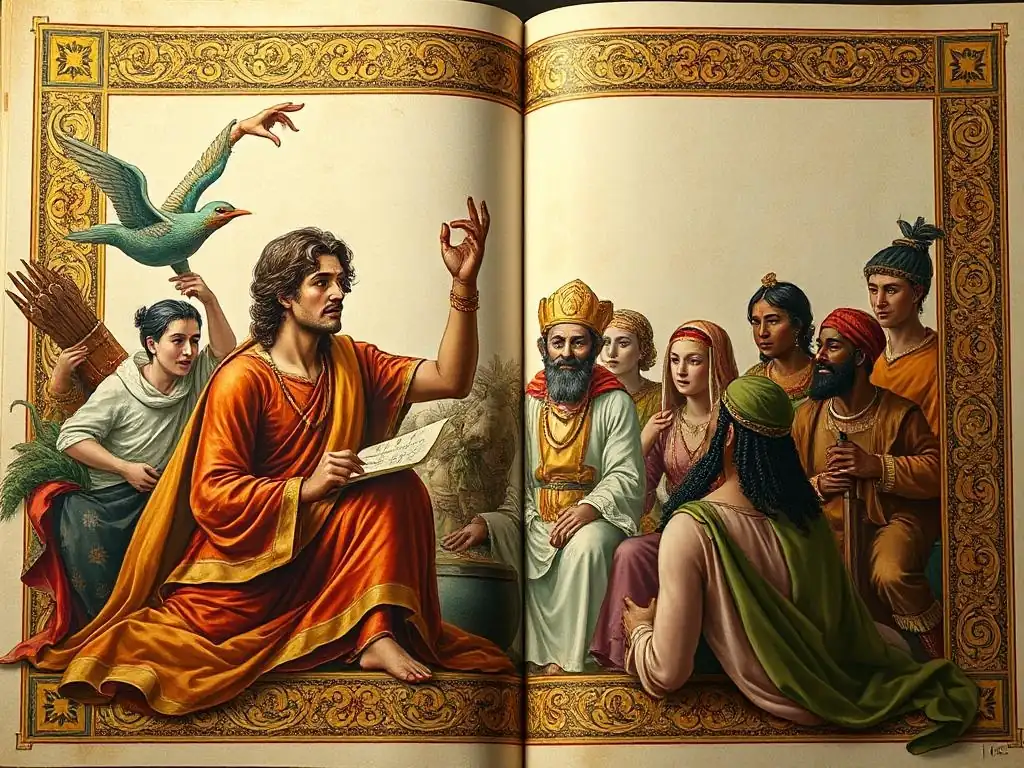
Formal education systems have a critical role to play in preserving oral traditions globally. By integrating local or Indigenous oral traditions into school curricula, education can validate these traditions as important forms of knowledge and cultural expression. This can involve teaching origin myths, historical narratives, traditional songs, and ethical teachings that are part of the local oral heritage. Such integration helps ensure that young people learn about their own cultural background within the formal education setting, counteracting the perception that traditional knowledge is less important than subjects typically taught in schools.
Curriculum development must be done in close collaboration with community elders and knowledge keepers to ensure accuracy and cultural appropriateness. Teaching methods should ideally incorporate elements of traditional pedagogy, such as listening, memorization, and interactive storytelling. Including oral traditions in schools not only helps transmit the content but also fosters respect for the practice of oral transmission itself, contributing significantly to preserving oral traditions globally.
Fostering Appreciation for Oral Heritage among Youth
Beyond formal curriculum, schools and other educational institutions can foster a broader appreciation for oral heritage among young people. This can be achieved through organizing storytelling events, bringing in elders as guest speakers, facilitating intergenerational projects, and celebrating local cultural festivals that feature oral performances. Encouraging students to interview family members about their histories or traditional knowledge can also connect them personally to oral traditions.
Exposing students to the diversity of oral traditions from around the world can also broaden their perspectives and highlight the universal human need for storytelling, while also emphasizing the unique ways different cultures express this need. By making oral traditions visible, valued, and engaging, educational efforts can cultivate a new generation of enthusiasts and practitioners dedicated to preserving oral traditions globally, recognizing their profound cultural and historical worth.
Partnering with cultural organizations to offer workshops and mentorship programs.
Effective education for preserving oral traditions globally often extends beyond the traditional classroom. Partnering with local cultural organizations, museums, libraries, and community centers can provide richer opportunities for learning and engagement. These partnerships can facilitate access to cultural resources, provide spaces for community gatherings, and connect educational institutions with cultural experts and practitioners.
Jointly organized workshops can teach specific skills related to oral traditions, such as storytelling techniques, traditional singing, or the performance of epic poems. Mentorship programs, facilitated by these partnerships, can pair young people directly with elders or master storytellers for in-depth, personalized learning experiences. For instance, a local museum might host a weekly storytelling circle led by an elder, open to students and the public, or a cultural organization could manage a program where youth apprentice with traditional singers. These collaborative models provide hands-on learning and strengthen the community networks essential for maintaining living traditions.
Case Studies: Successful Oral Tradition Preservation Projects
The Mother Tongue Film Festival (Smithsonian Institution)
Project Overview and Objectives: Showcasing films in indigenous and endangered languages to promote linguistic diversity and cultural preservation.
The Mother Tongue Film Festival, an annual event organized by the Smithsonian's National Museum of Natural History and other partners, is dedicated to celebrating linguistic diversity and cultural heritage through the medium of film. Its primary objective is to showcase films and media that prioritize indigenous and endangered languages, highlighting their vitality and the unique perspectives they offer.
The festival aims to raise global awareness about language endangerment and the importance of preserving the cultural knowledge embedded within these languages, much of which is rooted in oral traditions. By presenting these films in a public forum, the festival validates the languages and cultures of often marginalized communities and provides a platform for indigenous filmmakers and storytellers.
Since its inception, the festival has grown, featuring dozens of films annually from diverse linguistic and cultural backgrounds, including languages from North America, South America, Africa, Asia, and Oceania. The films range from documentaries about language revitalization efforts to fictional narratives told entirely in an indigenous language.
Events are typically free and open to the public, often including Q&A sessions with filmmakers or community representatives, fostering dialogue around language and cultural preservation. The festival serves as a vibrant example of using modern media to support the goals of preserving oral traditions globally by focusing on the languages that carry them.
Implementation and Challenges: Securing funding, curating diverse films, and reaching target audiences.
Implementing a large-scale festival like the Mother Tongue Film Festival involves several logistical and strategic challenges. Securing consistent funding from various sources, including government grants, corporate sponsors, and individual donors, is an ongoing effort necessary to cover venue costs, film screening fees, travel for filmmakers, and promotional activities. Curating a diverse selection of high-quality films from around the world, often with limited budgets and from communities with varying levels of access to filmmaking resources, requires extensive networking and outreach to indigenous media organizations and filmmakers globally.
Reaching a broad and diverse audience is another challenge. While the festival attracts language enthusiasts, academics, and members of indigenous communities, efforts are needed to engage the general public and policymakers to raise wider awareness. Promoting the festival involves targeted marketing and partnerships with cultural organizations and educational institutions. Navigating the technical requirements of screening films in various formats and languages, including ensuring accurate subtitles, also adds complexity to the implementation process. Despite these challenges, the festival has successfully grown its reach and impact.
Results and Impact on Oral Tradition Preservation: Increased awareness of language endangerment and promoted indigenous storytelling.
The Mother Tongue Film Festival has achieved significant results in promoting linguistic diversity and indirectly supporting the preservation of oral traditions globally. By providing a prominent platform for films in endangered languages, it increases the visibility and prestige of these languages, encouraging speakers, particularly young people, to value and use them. The festival events draw thousands of attendees annually, significantly raising public awareness about the global crisis of language endangerment and its link to cultural loss.
The festival also directly promotes indigenous storytelling by showcasing narratives created by community members themselves. These films often draw upon traditional oral histories, myths, and cultural practices, presenting them in a contemporary and accessible format. By supporting indigenous filmmakers and providing them with an international platform, the festival encourages the creation of new cultural content in indigenous languages, helping to keep these languages and their associated oral traditions alive and relevant in the modern world. It serves as an inspiring model for using film as a tool for cultural revitalization and preserving oral traditions globally.
The Endangered Languages Project
Project Overview and Objectives: A collaborative online platform for sharing and preserving information about endangered languages, including audio and video recordings of speakers.
The Endangered Languages Project (ELP) is a global online collaboration aimed at providing comprehensive information about the world's endangered languages. Launched by Google in partnership with the Alliance for Linguistic Diversity and other institutions, its primary objective is to create a centralized, accessible platform for language data, including descriptions, samples, and resources. A key feature is the inclusion of audio and video recordings submitted by community members, linguists, and researchers, making it a valuable repository of spoken language, which is crucial for documenting oral traditions.
The platform allows users to explore languages by location, endangerment level, and language family. Each language page can host text descriptions, lists of resources, and crucially, uploaded audio and video files of speakers. This user-generated content model empowers communities to contribute directly to the documentation of their languages and oral heritage. The project serves as a vital digital infrastructure supporting global efforts for preserving oral traditions globally by focusing on the languages in which they are carried.
Implementation and Challenges: Gathering data from diverse sources, ensuring data accuracy, and promoting community participation.
Implementing and maintaining a platform like the Endangered Languages Project presents significant challenges. Gathering data from diverse sources worldwide requires extensive outreach to linguists, researchers, and language communities, many of whom may have limited technical resources or internet access. The quality and format of submitted data can vary widely, necessitating curation and standardization efforts to ensure accuracy and usability.
Promoting active community participation is also an ongoing challenge. While the platform is designed to be collaborative, encouraging speakers of endangered languages to upload recordings and information requires building trust, providing technical assistance, and ensuring the platform is culturally appropriate and easy to use. Ensuring the long-term sustainability of the project, including technical maintenance and content moderation, requires dedicated resources and institutional support. Despite these hurdles, the ELP has successfully aggregated information on thousands of languages.
Results and Impact on Oral Tradition Preservation: Provides a valuable resource for language learners, researchers, and communities working to revitalize their languages.
The Endangered Languages Project has become a valuable global resource for anyone interested in language documentation and revitalization. By providing a centralized, publicly accessible platform, it makes information about endangered languages more readily available to researchers, educators, and the general public. The inclusion of audio and video recordings is particularly impactful for preserving oral traditions globally, as it captures the sound and performance of the language in use, offering insights beyond written documentation.
For language learners, the recordings provide essential examples of spoken language. For communities, the platform offers a place to share their linguistic heritage with the world and connect with others involved in revitalization efforts. While not a replacement for active oral transmission within communities, the ELP serves as a critical tool for documentation, awareness-raising, and providing resources that support language revitalization, which is fundamental to the health of oral traditions. It stands as a key digital initiative supporting the global movement for preserving oral traditions globally.
The Future of Oral Traditions: A Global Perspective
The Importance of Continued Efforts in Preserving Oral Traditions Globally
The challenges facing oral traditions are significant, but the importance of their preservation has never been clearer. As the world becomes increasingly interconnected yet paradoxically risks cultural homogenization, the unique voices and knowledge systems embedded in oral traditions offer invaluable diversity and resilience. Continued, dedicated efforts are essential to ensure that these traditions survive and thrive for future generations. This requires sustained funding, policy support, and, most importantly, the active involvement of the communities themselves.
Preserving oral traditions globally is not a finite task with a clear endpoint; it is an ongoing process of adaptation, transmission, and revitalization. It involves acknowledging the historical factors that have endangered these traditions, supporting linguistic diversity, and creating environments where oral heritage is valued and practiced. The future of oral traditions depends on a collective global commitment to recognizing their worth and investing in their continuity.
The Role of Technology in the Future of Storytelling
Technology will undoubtedly play a crucial role in the future of preserving oral traditions globally. While traditional face-to-face transmission remains ideal, digital tools can supplement, support, and expand the reach of oral heritage. As seen with projects like the Endangered Languages Project, technology can facilitate documentation and archiving. It can also create new avenues for engagement, such as interactive apps, online platforms, and digital storytelling projects that introduce oral narratives to younger audiences in familiar formats.
The key will be to use technology thoughtfully and ethically, ensuring that it serves the needs and goals of the communities holding the traditions. This means prioritizing community ownership and control over data, using technology to support language revitalization, and ensuring that digital tools enhance, rather than replace, the human connection inherent in storytelling. The future of oral traditions will likely involve a blend of traditional practices and innovative technological approaches, working in synergy.
Empowering Communities to Protect Their Cultural Heritage
Ultimately, the most sustainable path for preserving oral traditions globally lies in empowering the communities themselves. This involves providing them with the resources, training, and autonomy needed to document, revitalize, and transmit their own cultural heritage. It means supporting community-led initiatives, respecting traditional protocols regarding knowledge sharing, and ensuring that intellectual property rights are protected.
International organizations, governments, researchers, and the public can support these efforts by providing funding, technical assistance, advocacy, and by simply listening and valuing the stories that are shared. The future of oral traditions is brightest when the voices of the storytellers and knowledge keepers are at the forefront, leading the way in safeguarding their invaluable living libraries for the benefit of all humanity.
Frequently Asked Questions
How does the Mythology and Legends website contribute to preserving oral traditions globally?
The website acts as a digital archive, making stories accessible worldwide. It also encourages scholarly research and public engagement with folklore.
What are the main challenges to preserving oral traditions in the modern era?
Challenges include globalization, cultural homogenization, and the dominance of written media. These factors can lead to the loss of traditional languages and narratives.
Why is it important to preserve oral traditions, even in today's digital world?
Oral traditions are vital for cultural identity, historical understanding, and transmitting knowledge across generations. They offer unique perspectives and insights.
What role can technology play in preserving oral traditions globally?
Technology offers tools for recording, archiving, and sharing oral narratives. It also allows for interactive storytelling and community engagement on a global scale.
What can individuals do to help preserve oral traditions in their own communities?
Individuals can actively listen to elders, record stories, support cultural events, and share narratives with younger generations. This ensures the continued vitality of these traditions.
Final Reflection: Echoes Across Generations: The Urgent Need to Preserve Oral Traditions
The erosion of oral traditions is not merely a loss of stories; it's a dismantling of cultural memory, a severing of the vital link between past, present, and future. The rapid pace of globalization and technological advancement threatens to silence the voices of countless communities, leaving behind a void where vibrant histories and invaluable knowledge once thrived. This loss is irreversible, impacting not only cultural identity but also the potential for innovation and understanding across societies.
The power of oral traditions to shape our understanding of the world, to transmit wisdom across generations, and to foster a sense of belonging is undeniable. These traditions are not static relics of the past; they are living, breathing entities that adapt and evolve while retaining their core essence. They are the bedrock of cultural identity, offering a unique perspective on human experience. As the renowned anthropologist Margaret Mead stated, The children now love luxury; they have bad manners, contempt for authority; they show disrespect for elders and love chatter in place of exercise. Children are now tyrants, not the servants of their households.
While written centuries ago, her words resonate powerfully today, highlighting the timeless importance of preserving the wisdom embedded within oral traditions to guide future generations.
Consider the stories, songs, and rituals that have shaped your own life, the narratives that have formed your identity and worldview. Now, imagine a world where these are lost, replaced by a homogenized digital landscape. You have a role to play in ensuring that the rich tapestry of oral traditions continues to thrive. Engage with your community, learn from elders, document stories, and share your own experiences. Let us work together to ensure that the echoes of the past resonate powerfully into the future, enriching the lives of generations to come.
Unveil Your Inner Storyteller: Keep Oral Traditions Alive!
Thanks for diving deep into the world of oral traditions! We hope you gained a fresh perspective on the importance of preserving these invaluable stories for future generations. Now it's time to take action and become part of the narrative.
- Share your own family stories: Record a video or audio clip, write down a cherished tale, or simply tell a story to a loved one. This is the most direct way to contribute to the living library of oral tradition.
- Engage with local storytelling communities: Search for groups in your area that celebrate and preserve oral traditions – participate in a workshop, attend a storytelling event, or even start your own!
- Explore and rediscover the stories of your heritage: Delve into your family history and learn about the narratives that shaped your ancestors’ lives. You might be surprised by the rich tapestry of tales you uncover.
What stories are waiting to be told within your own family or community? Let's start a conversation!