
The Calendar of the Gods: Ritual Timing Across Pantheons

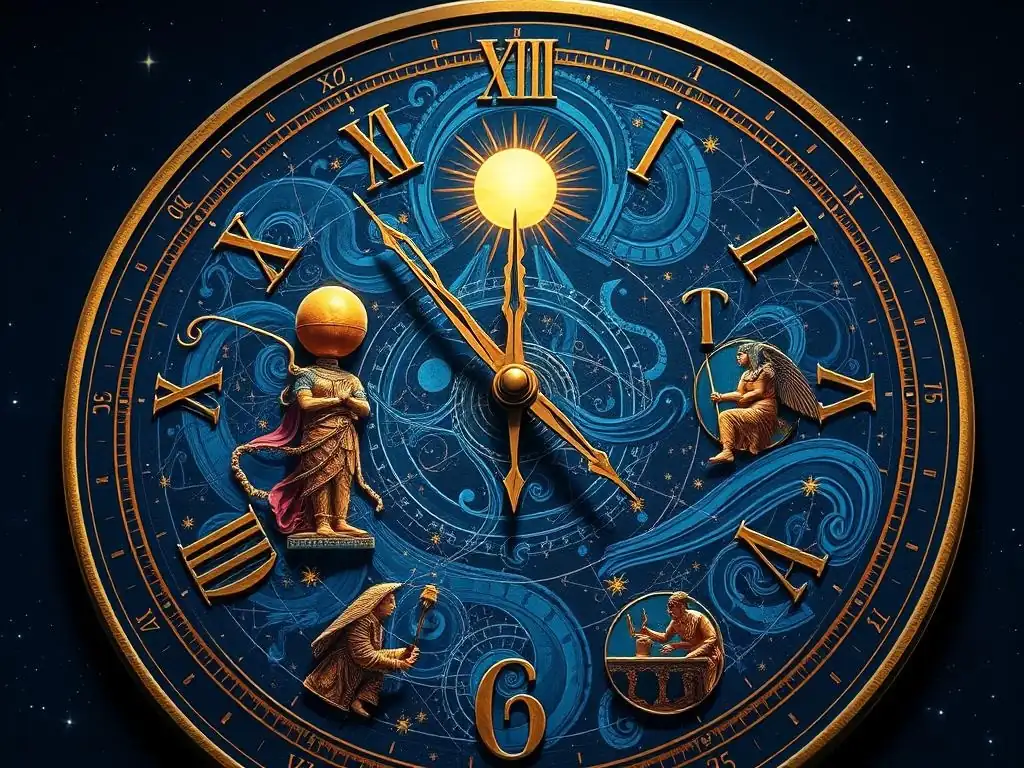
Welcome to Mythology and Legends, where the echoes of ancient voices whisper through the ages. Ever wondered when the gods demanded their due? Dive into "The Calendar of the Gods: Ritual Timing Across Pantheons" and unlock the secrets of ritual timing across diverse cultures. Prepare to journey through comparative mythology and discover the celestial rhythms that shaped civilizations. What did the position of the stars dictate to priests and worshippers? The answer awaits!
The Egyptian Pantheon: Festivals and Celestial Alignment
The intricate tapestry of ancient Egyptian religion was deeply interwoven with the cycles of nature and the movements of the cosmos, making ritual timing a fundamental aspect of their worship. Unlike many modern faiths, Egyptian religious practices were inextricably linked to the practicalities of life, particularly agriculture, which depended entirely on the annual inundation of the Nile. This reliance necessitated a sophisticated understanding of celestial patterns to predict the flood and manage resources, leading to the development of a calendar that was both civil and sacred.
The priests, acting as astronomers and timekeepers, played a crucial role in determining the auspicious moments for festivals, sacrifices, and other religious observances. This precise ritual timing ensured harmony between the human world, the divine realm, and the natural environment, reflecting a worldview where cosmic order (Ma'at) was paramount.
The Egyptian calendar, initially based on lunar cycles, evolved to incorporate solar observations, particularly the heliacal rising of the star Sirius (Sopdet), which coincided remarkably with the onset of the Nile flood. This synchronization of celestial event and earthly phenomenon was seen as a divine sign, dictating the most important period for ritual activity.
The calendar structured the year into three seasons—Akhet (Inundation), Peret (Growth), and Shemu (Harvest)—each marked by specific festivals and rites dedicated to various deities, such as Osiris, Isis, Ra, and Hapy (the god of the Nile flood). Understanding and adhering to this complex system of ritual timing was not merely a matter of tradition but was considered essential for maintaining the favor of the gods and ensuring the continued prosperity and stability of Egypt.
Wepet Renpet: The Egyptian New Year Festival
Wepet Renpet, meaning "Opening of the Year," was arguably the most significant festival in the ancient Egyptian calendar, marking the beginning of the new year and coinciding with the heliacal rising of Sirius and the anticipated arrival of the Nile inundation. This vital event typically occurred around mid-July (in the Gregorian calendar approximation) and was a time of great celebration, renewal, and purification across the land. The festival symbolized the cyclical nature of life, death, and rebirth, mirroring the annual death and resurrection of the land brought about by the floodwaters.
Rituals included cleansing ceremonies, feasting, and processions, with statues of deities often paraded from their temples. It was a period for settling debts, renewing vows, and ensuring the proper alignment of the community with the divine order before the life-giving waters arrived.
The timing of Wepet Renpet was critical for setting the rhythm of the entire year's religious and agricultural activities. Priests would carefully observe the eastern horizon before dawn, awaiting the first glimpse of Sirius after its 70-day period of invisibility. This sighting signaled not only the new year but also the imminent flood, prompting preparations for irrigation and planting.
The festival was dedicated to various deities associated with creation, renewal, and the flood, such as Ra, Osiris, and Sopdet herself. The precision required in observing the stars and coordinating it with earthly events underscores the profound importance of ritual timing in ancient Egyptian pantheons, demonstrating how celestial mechanics were interpreted as divine communications guiding human action and religious practice.
The Role of Astronomy in Egyptian Ritual Calendars
Astronomy was not a separate scientific discipline in ancient Egypt but was deeply integrated into religious practice and the management of the state. The priests were the primary astronomers, meticulously observing the stars, planets, and solar cycles to maintain the calendar and determine the correct ritual timing for festivals and ceremonies.
The 365-day civil calendar, while simpler than the lunar calendar, was crucial for state administration and agriculture, but its lack of a leap year meant it slowly drifted against the solar year and the Sothic cycle (the cycle of Sirius). This drift meant that Wepet Renpet would only perfectly align with the heliacal rising of Sirius once every approximately 1,460 years, a period known as the Sothic cycle.
Despite the civil calendar's drift, the religious calendar often incorporated adjustments or separate observations to ensure key festivals, particularly those tied to the seasons and the Nile flood, occurred at the correct time according to astronomical or natural signs. The rising and setting of specific constellations and stars were used to divide the night into hours and determine the timing of nocturnal temple rituals. For instance, the decans, groups of stars that rose consecutively throughout the night, served as a celestial clock.
This sophisticated use of astronomy highlights how the ancient Egyptians viewed the cosmos as a manifestation of divine will and order, making precise ritual timing based on celestial events not just practical but a sacred duty to maintain Ma'at. The priests' ability to read the heavens was thus essential for the functioning of the entire society and its relationship with the divine.
- What is ritual timing and why was it so important to ancient pantheons?
- How did different ancient cultures determine the ritual timing for their pantheons?
- What role did festivals play in ritual timing within ancient pantheons?
- How did understanding ritual timing affect the social structure of ancient societies?
- Are there any remnants of ancient ritual timing practices still observed today?
Frequently Asked Questions
What is ritual timing and why was it so important to ancient pantheons?
Ritual timing refers to the practice of performing ceremonies and offerings at specific times aligned with celestial events or the deities' associated calendars. This was crucial for maintaining harmony with the divine and ensuring the efficacy of prayers and sacrifices.
How did different ancient cultures determine the ritual timing for their pantheons?
Different cultures used various methods, including lunar cycles, solar calendars, and observations of astronomical phenomena like solstices and equinoxes. These were often interpreted by priests or shamans who acted as intermediaries between the human and divine realms.
What role did festivals play in ritual timing within ancient pantheons?
Festivals were key components, marking significant points in the agricultural cycle or commemorating important events in the myths and legends of the gods. These celebrations involved elaborate rituals performed at designated times.
The knowledge of ritual timing often granted significant power and influence to those who possessed it, such as priests and astronomers. Their ability to interpret and predict auspicious times shaped social hierarchies and political decisions.
Are there any remnants of ancient ritual timing practices still observed today?
Yes, many modern holidays and festivals have roots in ancient ritual timing practices. For example, some religious observances still follow lunar calendars or celebrate solstices, reflecting the enduring influence of these ancient traditions.
Final Reflection: Echoes of the Divine in Modern Time
The meticulous observation of ritual timing in ancient pantheons wasn't merely a matter of scheduling; it was a fundamental expression of the sacred, a deeply woven thread connecting humanity to the cosmos. Understanding this intricate relationship between time, ritual, and the divine offers a powerful lens through which to examine our own relationship with spirituality and the cyclical nature of life itself. The echoes of these ancient practices resonate even today, shaping our understanding of festivals, celebrations, and even our daily routines.
The influence of these ancient calendrical systems extends far beyond dusty textbooks and museum artifacts. They continue to subtly shape our modern world, from the placement of our holidays to the underlying rhythms of our agricultural practices. The past is never dead. It's not even past.
- William Faulkner. This quote perfectly encapsulates the enduring legacy of these ancient ritual timings; their influence permeates our present, reminding us of the enduring human need to connect with something larger than ourselves, to find meaning within the cyclical passage of time.
Consider the ways in which you personally structure your time and activities. Do you find yourself drawn to certain rhythms and cycles? Perhaps you instinctively feel the pull of seasonal changes, or find solace in the repetition of daily routines.
I invite you to reflect on these personal rhythms and consider how they might be connected to the ancient traditions explored in this article. By understanding the deep-seated human need for ritual and the profound significance of timing, we can cultivate a more meaningful and connected existence, enriching our lives with a sense of purpose and belonging within the grand tapestry of time.
Unlock the Secrets of Sacred Timing!
Thanks for exploring the fascinating world of ritual timing across different pantheons! You've gained valuable insights into the cyclical nature of ancient beliefs and practices. Now, it's time to put that knowledge to use.
- Craft your own personal ritual calendar: Identify significant dates from your preferred pantheon and plan meaningful observances, even small ones, to connect with the divine. This could be as simple as lighting a candle or meditating at a specific time.
- Share your discoveries: Discuss your favorite ritual timings or traditions in the comments below. Let's build a community of myth enthusiasts and learn from each other!
- Explore related articles on our site: Delve deeper into specific pantheons or explore the history of ritual practices to further enrich your understanding.
What unique ritual timing traditions are you excited to explore or incorporate into your life?