
Purification Rites: Cleansing Body, Spirit, and Community

Welcome, seeker of ancient wisdom.
Delve into the vibrant tapestry of "Mythology and Legends," where we unravel the enduring power of stories that have shaped civilizations. Ever wondered how ancient practices continue to echo in our modern lives? Our exploration of rituals reveals their profound significance, examining how these powerful acts not only cleanse body and spirit, but also bind communities together. Prepare to journey through comparative mythology and uncover the secrets held within these sacred traditions, and discover the enduring legacy they leave behind. What hidden truths will you uncover?
- Purification Rites: Cleansing Body, Spirit, and Community in Mythology
- The Significance of Ritual Cleansing in Ancient Societies
- Community Cleansing Rituals: Restoring Harmony and Balance
- Comparative Analysis: Rituals to Cleanse Body, Spirit, and Community Across Cultures
- Modern Interpretations of Ancient Cleansing Rituals
- Conclusion: The Enduring Significance of Ritual Cleansing
-
Frequently Asked Questions
- What is the primary purpose of purification rituals, as discussed on Mythology and Legends?
- How do different cultures approach the concept of ritualistic cleansing?
- Why are purification rituals often performed before important events or ceremonies?
- How do modern-day practices reflect ancient purification rites?
- What is the significance of community involvement in purification rituals?
- Final Reflection: The Enduring Power of Ritual Purification
- Unleash Your Inner Peace: Start Your Cleansing Journey Today
Purification Rites: Cleansing Body, Spirit, and Community in Mythology
Introduction: The Enduring Power of Cleansing Rituals
Across human history and diverse cultures, the concept of purification has held profound significance. Rooted deeply in mythology and tradition, purification rites are ceremonial practices designed to remove perceived impurities, whether physical, spiritual, or social. These rituals serve not merely as acts of hygiene in the modern sense, but as potent symbolic actions intended to restore balance, harmony, and sacredness.
From the dawn of civilization, people have employed these practices to prepare for sacred encounters, recover from defilement, or simply navigate the complexities of life and death. The belief that certain states or actions could attract negative forces or divine displeasure necessitated systematic methods for purification, making these rites fundamental pillars of religious and social life.
The universality of purification rituals underscores a shared human understanding of the need for renewal and separation from the profane or polluted. These practices are not confined to a single culture or era; they appear in the myths and traditions of ancient Egypt, Greece, Rome, Mesopotamia, India, indigenous American peoples, and countless others. Whether involving water, fire, smoke, sound, or specific substances, the core intention remains the same: to transition from a state of impurity to one of purity, thereby ensuring well-being, safety, and connection with the divine or cosmic order.
Understanding these ancient rituals helps us appreciate the intricate ways in which societies have historically sought to maintain equilibrium and spiritual health. These powerful rituals cleanse body, spirit, and community, addressing perceived contamination on multiple levels.
The Significance of Ritual Cleansing in Ancient Societies
Physical Cleansing: Purifying the Body in Mythological Contexts
Physical cleansing in mythological and ancient contexts went far beyond simple hygiene; it was often a prerequisite for engaging with the sacred or entering a state of ritual purity. In ancient Greece, for example, individuals were required to perform ritual washing, often with water from specific sources, before entering temples or participating in religious ceremonies. The perirrhanterion, a basin of holy water, was typically placed at the entrance of sanctuaries for worshippers to purify themselves.
This act was not just about removing dirt but about shedding the mundane and potentially contaminating aspects of everyday life, making the body a fit vessel for divine interaction. Similarly, Roman practices included lustratio, a purification ceremony often involving water and sometimes smoke, performed for individuals, armies, or even entire cities to ward off ill fortune or pollution.
These physical rituals cleanse body in preparation for significant events or interactions. In ancient Egypt, priests underwent rigorous daily purification routines, including multiple baths, shaving their entire bodies, and wearing only specially laundered linen, to maintain a state of purity deemed necessary for serving the gods in their temples.
The Nile River itself was seen as a source of purification, and bathing in its waters held symbolic as well as practical cleansing properties. In many indigenous traditions, sweat lodges or ritual baths using specific herbs were employed to physically cleanse the body, believing that this process also purged spiritual or emotional impurities, preparing individuals for vision quests or healing ceremonies.
Spiritual Purification: Cleansing the Soul and Mind
Spiritual purification rituals focus on cleansing the inner self – the mind, spirit, or soul – from perceived defilement such as guilt, negative thoughts, or the influence of malevolent forces. Confession, a practice found in various forms across many religions, serves as a ritualistic way to cleanse the spirit by acknowledging wrongdoing and seeking absolution.
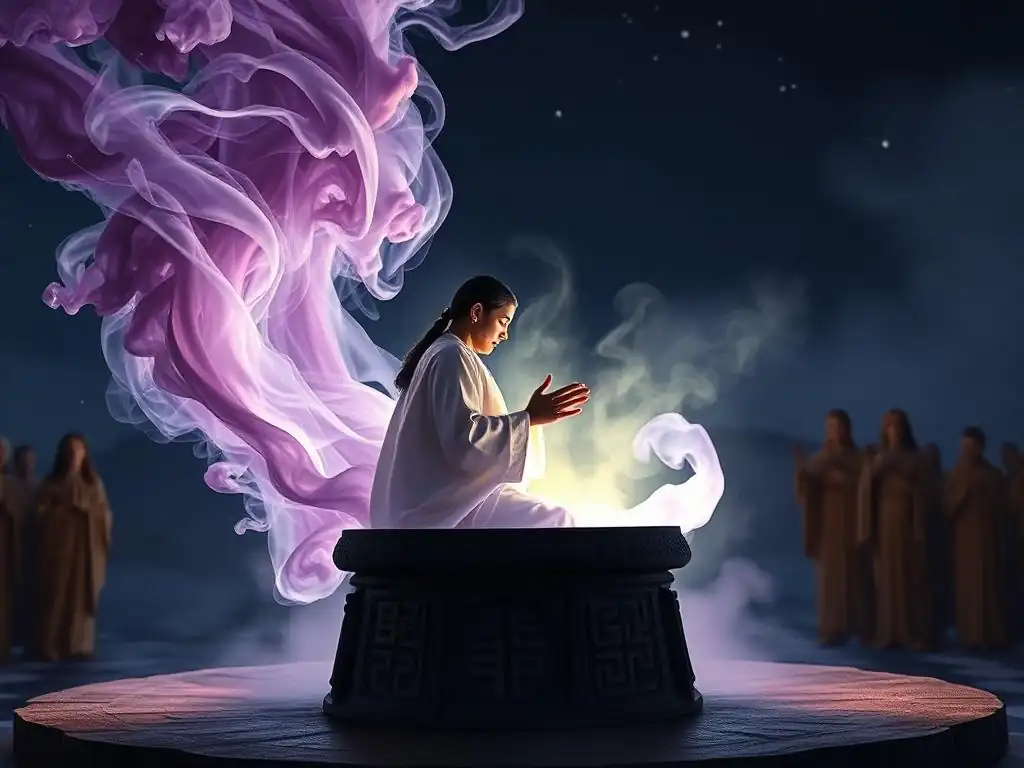
In some indigenous American traditions, the smoke from burning sacred herbs like sage or cedar is used in smudging ceremonies to purify individuals and spaces, clearing away negative energy and restoring spiritual balance. This act is believed to cleanse spirit and mind, preparing one for positive engagement with the world.
Fasting and ascetic practices also function as methods of spiritual purification, disciplining the body to elevate the spirit and detach from worldly desires considered impure or distracting. In Hinduism, practices like pranayama (breath control) and meditation are seen as ways to purify the subtle energy body ( prana) and the mind, leading towards spiritual liberation.
The act of pilgrimage to sacred sites, such as the journey to Mecca in Islam or the Ganges River in Hinduism, is often undertaken with the intention of spiritual cleansing and renewal, seeking forgiveness and a closer connection to the divine. These diverse rituals cleanse spirit by addressing internal states and seeking higher connection.
Community Cleansing Rituals: Restoring Harmony and Balance
Cleansing the Land: Protecting Communities from Harm
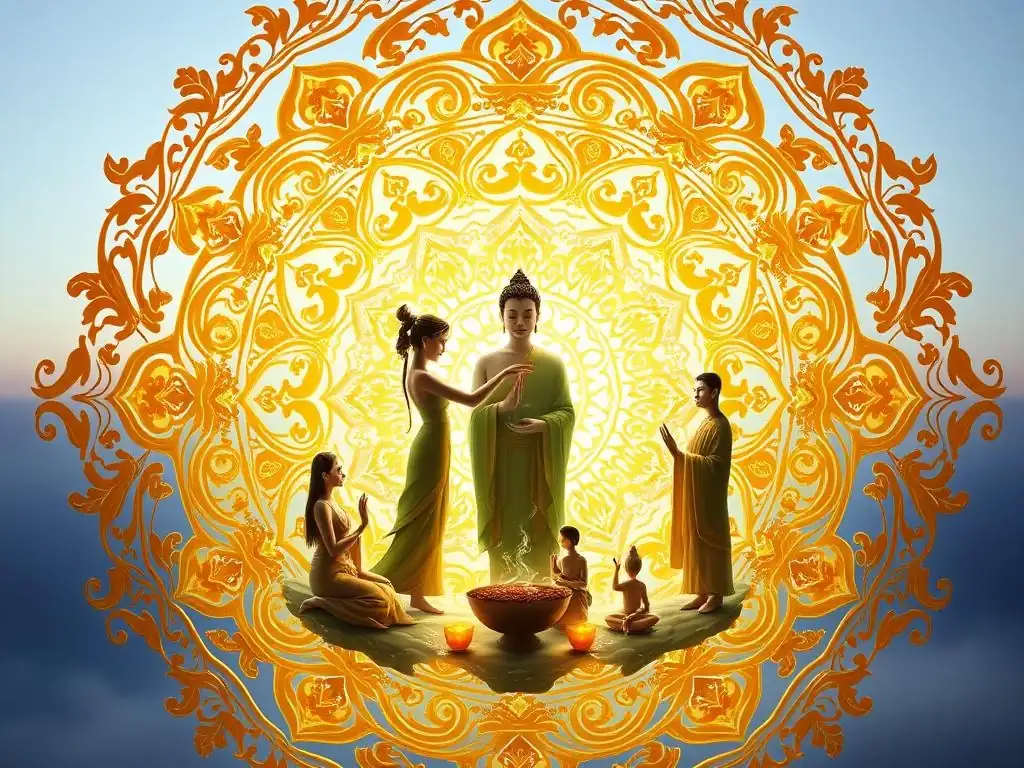
Beyond the individual, purification rites often extend to the community and the land it inhabits, aimed at removing collective pollution or averting shared misfortune. Agricultural societies, for instance, frequently performed rituals to cleanse the fields and ensure fertility, particularly before planting or after harvest. In ancient Rome, the Ambarvalia was a fertility festival involving a procession three times around the fields ( arva), sacrificing animals to Mars and Ceres to purify the land and protect the crops from disease and pests. This was a direct attempt to cleanse the land and secure the community's sustenance.
Natural disasters, plagues, or periods of significant social upheaval often prompted community-wide purification rites to cleanse the land and restore equilibrium. The belief was that these calamities could be manifestations of divine anger or the accumulation of collective impurities. In ancient Athens, after a period of unrest or plague, a pharmakos ritual might be performed, where a designated individual (or sometimes two) was ritually expelled from the city, symbolically carrying away its pollution. While a stark example, it illustrates the concept of ritually cleansing the community from perceived defilement to restore health and harmony.
Social cleansing rituals focus on purifying individuals or groups who have become ritually impure due to breaking taboos, committing crimes, or coming into contact with death or other polluting forces, thereby facilitating their reintegration into the community. In many traditional societies, contact with the deceased rendered individuals ritually impure, requiring specific rites before they could fully rejoin social life. For example, in some African cultures, elaborate mourning rituals and subsequent purification ceremonies involving washing with special concoctions or smoking were necessary for the bereaved to shed the 'pollution' associated with death and return to normal social interaction.
These rituals cleanse body, spirit, and community by addressing breaches of social or cosmic order. Excommunication in various religious traditions, while a form of exclusion, sometimes has pathways for readmission that involve acts of penance and purification, allowing the individual to be ritually cleansed and accepted back into the religious community. Rites of passage, such as initiation ceremonies, also contain elements of purification, where the initiate is cleansed of their former status and impurities before being reborn into their new social role. These practices highlight the critical role of purification in maintaining social cohesion and order.
Comparative Analysis: Rituals to Cleanse Body, Spirit, and Community Across Cultures
Similarities in Cleansing Practices: Universal Themes in Ritual Purification
Despite vast geographical and cultural distances, striking similarities exist in the ways different societies have conceived and performed purification rituals. Water is perhaps the most universal element used for cleansing, appearing in forms ranging from ritual baths (mikvah in Judaism, ghusl in Islam) to river bathing (Ganges in Hinduism, Jordan in Christianity) and the use of holy water (Christianity, various indigenous faiths).
This widespread use reflects water's inherent life-giving and cleansing properties, making it a natural symbol for purification and renewal. The act of washing or immersion is a common thread in how rituals cleanse body and spirit across the globe.
Another common theme is the use of smoke or fire, often derived from burning specific plants or incense. Smudging with sage or cedar (indigenous American), burning frankincense or myrrh (ancient Egypt, Christianity, various Middle Eastern traditions), or using sulfur (ancient Rome) are all examples of employing smoke to purify spaces, objects, or individuals.
The transformative power of fire and the ethereal nature of smoke make them potent symbols for burning away impurities and carrying prayers or intentions upwards. These shared elements underscore a universal human understanding of pollution and the need for symbolic removal, demonstrating how various rituals cleanse body, spirit, and community using similar fundamental tools.
Differences in Cleansing Practices: Cultural Variations and Adaptations
While universal themes exist, the specific forms, meanings, and substances used in purification rituals vary significantly, reflecting unique cultural beliefs, environments, and mythologies. The type of impurity addressed can differ; some cultures focus heavily on ritual impurity related to death, birth, or illness, while others prioritize moral or spiritual defilement. The agents of purification also show variation; while water is common, the source (spring, river, ocean, collected rainwater) and its preparation (blessed, infused with herbs) can hold specific cultural significance.
For example, the elaborate purification rites of the Zoroastrians, particularly those related to dealing with the dead (considered highly polluting), are distinct due to their specific theological framework regarding purity and impurity ( asha vs. druj). The specific deities invoked or the mythological narratives associated with the origin or efficacy of a purification rite also differ greatly.
For instance, a purification bath in ancient Greece might invoke Apollo, god of purification, while a similar act in ancient Egypt might be linked to Osiris or the inundation of the Nile. These variations highlight how rituals cleanse body, spirit, and community, but their specific application is deeply embedded in local mythology and worldview, showcasing the rich tapestry of human tradition.
Modern Interpretations of Ancient Cleansing Rituals

The Relevance of Purification Rites in Contemporary Society
While overt ritual cleansing practices may seem less prominent in secularized modern life compared to ancient times, the underlying human need for purification, renewal, and separation from the 'polluting' aspects of existence persists. Many religious traditions continue to practice forms of ritual cleansing, such as baptism, ablution before prayer, or ritual baths.
Beyond religion, secular practices echo the spirit of purification. Taking a shower or bath after a difficult day, decluttering a living space, or engaging in mindfulness meditation can be seen as modern, often secularized, ways of cleansing the body, mind, or environment, providing a sense of renewal and fresh start.
Psychologically, these acts, whether ancient or modern, serve to create boundaries, mark transitions, and provide a sense of control over perceived contamination or chaos. The popularity of wellness trends involving detoxification diets, digital detoxes, or mindfulness retreats reflects a contemporary search for ways to cleanse body and spirit from the stresses and perceived toxins of modern life. While the mythological context may be absent, the core impulse to purify oneself and one's surroundings for well-being remains deeply relevant, demonstrating the enduring power of practices that rituals cleanse body, spirit, and community, even in altered forms.
Preserving and Understanding the Legacy of Cleansing Traditions
Preserving and understanding ancient cleansing rituals is crucial for appreciating the depth and complexity of human culture and belief systems. These traditions offer insights into how past societies grappled with fundamental concerns about purity, pollution, health, and the sacred. Ethnographic research, archaeological findings, and the study of ancient texts provide invaluable information about the specific steps, symbolic meanings, and social functions of these rites. Efforts by cultural heritage organizations and indigenous communities are vital in documenting and sometimes reviving these practices, ensuring they are not lost to history.
Understanding the legacy of purification traditions also helps us contextualize contemporary practices and psychological needs related to cleanliness and order. It highlights the symbolic dimension often missing in purely scientific or hygienic explanations. By studying how ancient rituals cleanse body, spirit, and community, we gain a deeper appreciation for the intricate connections between the physical, spiritual, and social realms in human experience. This knowledge enriches our understanding of mythology, religion, and the universal human quest for purity and renewal.
Conclusion: The Enduring Significance of Ritual Cleansing
Purification rites, as explored through the lens of mythology and tradition, reveal a fundamental and enduring aspect of human culture. From the physical act of washing to the spiritual cleansing of the soul and the communal efforts to purify land and society, these rituals serve a vital role in maintaining balance, harmony, and connection with the sacred. They are not mere superstitions but deeply meaningful practices that address perceived impurities on multiple levels, acting as powerful mechanisms for renewal and restoration.
The diverse forms these rituals take across cultures, while sharing common threads like the use of water or smoke, underscore the unique ways societies interpret the world and their place within it. By studying how ancient rituals cleanse body, spirit, and community, we gain valuable insights into the values, fears, and aspirations of past peoples. The legacy of these traditions continues to influence contemporary thought and practice, demonstrating the timeless human need to purify, renew, and strive for a state of well-being and sacredness.
Frequently Asked Questions
What is the primary purpose of purification rituals, as discussed on Mythology and Legends?
Purification rituals, explored on Mythology and Legends, aim to cleanse the body, spirit, and community from defilement or negativity. This involves restoring inner harmony and social order.
How do different cultures approach the concept of ritualistic cleansing?
Diverse cultures employ varying techniques, but common themes include using water, fire, or symbolic actions to remove impurities. The goal is always achieving a state of purity and renewal.
Why are purification rituals often performed before important events or ceremonies?
These rituals are seen as essential preparation, ensuring individuals and communities are spiritually ready. This helps to guarantee the success and auspiciousness of the event.
How do modern-day practices reflect ancient purification rites?
Many contemporary practices, such as detox programs or spiritual retreats, echo ancient rites. They emphasize inner cleansing and self-renewal, albeit often in secular contexts.
What is the significance of community involvement in purification rituals?
Communal rituals foster a sense of collective cleansing and renewal, strengthening social bonds. This helps to reinforce shared values and beliefs within the group.
Final Reflection: The Enduring Power of Ritual Purification
The practice of ritual purification, far from being a relic of the past, remains a vital force shaping our individual and collective well-being today. We see its echoes in modern practices ranging from religious ceremonies to secular self-care routines, demonstrating the enduring human need to cleanse and renew ourselves, both internally and externally. The power of ritual to foster a sense of community and shared purpose continues to resonate deeply within us.
The exploration of purification rites across cultures and throughout history reveals a profound truth: the act of cleansing, whether physical, spiritual, or emotional, is intrinsically linked to our sense of self and our connection to something larger than ourselves. This inherent human need for renewal transcends time and geography. Ritual is a powerful tool for creating meaning and order in a chaotic world,
a sentiment that resonates deeply with the enduring importance of purification practices. The ongoing influence of these rituals underscores our persistent search for balance, harmony, and a sense of belonging within our communities.
Consider the ways in which you personally engage in acts of purification. Perhaps it's through a daily meditation practice, a weekly yoga session, or simply taking time to connect with nature. I invite you to reflect on these practices and consider how they contribute to your own sense of well-being and your connection to the world around you. By consciously engaging in acts of cleansing and renewal, we can cultivate a deeper sense of peace, purpose, and community, fostering a more harmonious and fulfilling life.
Unleash Your Inner Peace: Start Your Cleansing Journey Today
Thanks for exploring the world of purification rites with us! We hope you gained valuable insights into the power of cleansing for body, spirit, and community. Ready to integrate these practices into your life?
- Begin your personal purification ritual: Choose one of the practices discussed—whether it's a simple meditation, a cleansing bath, or a mindful act of service—and dedicate time to it this week. Feel the transformative power.
- Share your experience: Tell us about your chosen practice and how it affected you. Your insights might inspire others!
- Explore further: Dive deeper into the specific traditions mentioned—research their origins and modern interpretations.
What ancient cleansing practice resonates most with you and why? Let's continue the conversation in the comments!