
Myth and Morality: How Sacred Stories Define Right and Wrong

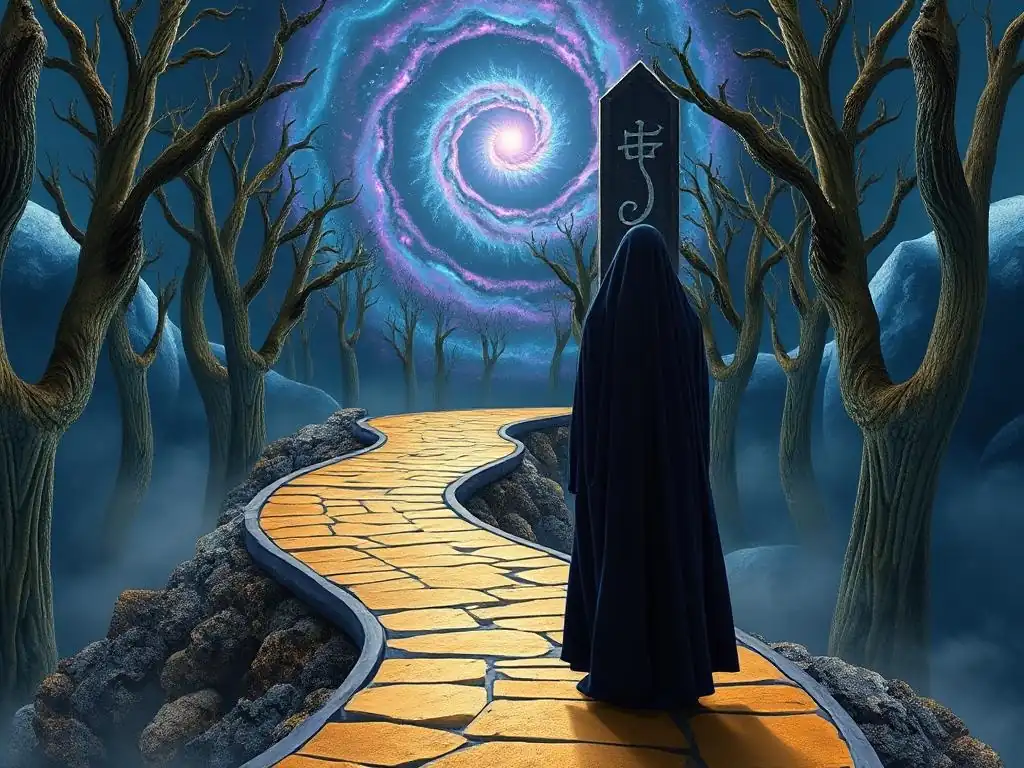
Welcome to Mythology and Legends, where we unravel the threads of ancient narratives that continue to shape our world. Ever wondered how sacred stories define morality? Delve into our exploration of myth and morality, and discover how these timeless tales from across cultures provide a fascinating lens through which to understand the very fabric of right and wrong. Prepare to embark on a journey that will challenge your perceptions and ignite your curiosity about the enduring power of myth. What secrets do these ancient tales hold about our shared humanity?
Myth: Myths Are Just Entertaining Stories with No Real-World Relevance
A common misconception is that myths are merely fantastical tales from the past, serving only as ancient forms of entertainment akin to modern fiction or folklore. They are often viewed through a lens of historical curiosity or literary analysis, focusing on their narrative structure, character archetypes, or imaginative world-building. This perspective acknowledges their storytelling prowess but largely dismisses their practical significance or ongoing influence in the contemporary world.
While it is true that myths possess compelling narratives that have captivated audiences for millennia, reducing them solely to entertainment overlooks their profound functional role in shaping human societies and individual behavior. This narrow view fails to recognize the deep layers of meaning and practical guidance embedded within these seemingly simple stories.
In reality, sacred stories define morality and serve as vital repositories of cultural knowledge, ethical norms, and societal values. Far from being mere amusement, myths often encode complex moral codes, explain the origins of customs, and provide frameworks for understanding the world and one's place within it. For example, many myths contain cautionary tales illustrating the consequences of violating social taboos or divine laws, effectively reinforcing acceptable behavior within a community.
They offer archetypal examples of virtue, vice, courage, and folly, providing moral templates for individuals to emulate or avoid. The idea that sacred stories define morality is central to understanding their enduring power; they are not just stories about the world, but stories that actively shape the moral landscape of the cultures that tell them, offering guidance that extends far beyond simple entertainment.
- How do sacred stories contribute to defining morality in a culture?
- What are some common themes found in sacred stories that relate to morality?
- How can different interpretations of sacred stories impact a society's moral compass?
- In what ways can the study of sacred stories help us understand contemporary moral issues?
- Do all sacred stories present a consistent and unified moral code?
Frequently Asked Questions
How do sacred stories contribute to defining morality in a culture?
Sacred stories often provide foundational narratives that outline acceptable behaviors and prohibited actions. These stories act as models and warnings, shaping a culture's understanding of right and wrong.
What are some common themes found in sacred stories that relate to morality?
Themes like divine justice, the consequences of disobedience, and the importance of virtue frequently appear. These themes reinforce moral principles and offer guidance on how to live a righteous life according to the specific cultural beliefs.
How can different interpretations of sacred stories impact a society's moral compass?
Varied interpretations can lead to divergent moral viewpoints within a society. This can cause conflict or, alternatively, foster a more nuanced understanding of morality through diverse perspectives on the sacred text.
In what ways can the study of sacred stories help us understand contemporary moral issues?
By examining the historical context and underlying values of sacred stories, we can gain insight into the roots of current moral debates. This historical understanding can inform our approach to modern ethical challenges.
Do all sacred stories present a consistent and unified moral code?
No, sacred stories often contain complex and sometimes contradictory messages. They may reflect the evolving moral values of a culture over time, leading to internal inconsistencies in the narrative.
Final Reflection: The Enduring Power of Sacred Stories
The narratives we inherit, whether religious, cultural, or familial, profoundly shape our understanding of right and wrong; these sacred stories are not relics of the past, but living forces that continue to define our moral compass in the present. The implications of this are staggering, influencing everything from our personal ethics to international relations and the very fabric of our societies. We are, in essence, creatures of story, our morality woven from the threads of tales told and retold across generations.
The impact of sacred stories is undeniable, weaving its way through our laws, our art, and our daily interactions. These narratives provide a framework for understanding the human condition, offering explanations for suffering, justice, and the meaning of life. Myth is the ultimate expression of the human need to understand the world and our place within it.
This quote perfectly encapsulates the enduring power of these stories to not only shape our moral values but also to provide a sense of belonging and purpose. The ongoing debates surrounding ethical dilemmas, from environmental responsibility to social justice, are often rooted in differing interpretations and applications of these very narratives.
Consider the stories that have shaped your understanding of morality. What values did they instill? What challenges did they present? Take a moment to reflect on the power of narrative in your own life. Let this exploration of myth and morality inspire you to critically examine the stories that shape your worldview, and to actively participate in shaping the narratives that will guide future generations. By understanding the profound influence of sacred stories, we can consciously cultivate a more just and compassionate world, one narrative at a time.
Unlock Your Moral Compass: Explore the Power of Myth
Thanks for diving into the fascinating world of myth and morality! You've now glimpsed how ancient stories shaped our understanding of right and wrong. Ready to explore this further?
- Craft your own modern myth: Think about a current moral dilemma and create a short story illustrating its complexities. What are the stakes? What choices are presented? What’s the outcome?
- Share your thoughts: What moral lessons from ancient myths resonate most strongly with you today? Let's discuss in the comments below!
- Discover more: Delve deeper into the mythology of your favorite culture – explore the heroes, villains, and moral dilemmas that shaped their world.
What surprising moral lessons can you uncover in the myths you explore?