
Mythical Gardens: Paradises and Lost Worlds in Myth

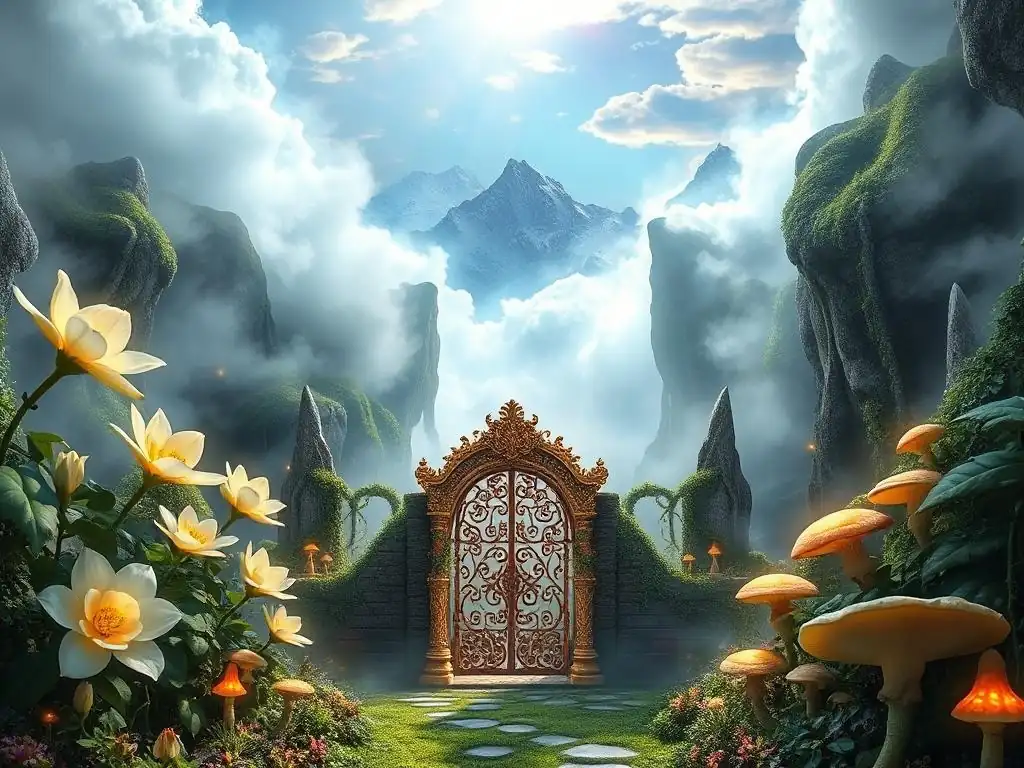
Welcome to Mythology and Legends, where we unravel the timeless tales that shape our world. Ever wondered if the mythical gardens of legend could inspire beauty in our own lives? Prepare to be transported! Our exploration of paradises and lost worlds begins now, delving into the origins and enduring influence of these enchanting landscapes. Join us as we unearth the secrets woven into the very soil of these ancient narratives, sparking your imagination and igniting a passion for the mythical. What secrets will you discover?
The Hesperides: Golden Apples and Eternal Youth
Another prominent mythical garden in classical mythology is the Garden of the Hesperides, renowned for its golden apples that granted immortality or eternal youth. Situated in a remote, often westernmost, part of the world in Greek myths – sometimes near the Atlas mountains, sometimes on an island – this garden was a sacred space guarded by the Hesperides, nymphs who were daughters of Atlas or Erebus and Nyx, and the fearsome hundred-headed dragon, Ladon.
The golden apple tree itself was said to have been a wedding gift from Gaia (Mother Earth) to Hera when she married Zeus, making the garden a place of immense cosmic and divine significance. The quest for these apples became one of the most famous tasks in mythology, notably the eleventh labor of Heracles, highlighting the garden's status as a highly protected and desired realm.
The allure of the golden apples wasn't merely their precious metallic appearance; their true value lay in their magical properties. Consuming these apples was believed to bestow immortality or perpetual youth upon the eater, placing the Garden of the Hesperides among the most powerful sources of life-extending or life-enhancing elements in myth. This concept of a garden yielding such potent fruit offers rich mythical garden design inspiration, focusing on a central, sacred tree bearing precious, symbolic fruit.
The presence of the vigilant Hesperides and the monstrous dragon Ladon underscores the idea that such potent paradises are not easily accessed, requiring heroism, cleverness, or divine aid to enter. The garden's remote location also adds to its mystical quality, portraying it as a hidden, perhaps even lost, world reserved for gods and heroes.
- What is Mythical Garden Design Inspiration and how can it be used in modern landscaping?
- What are some examples of Mythical Gardens featured in myths and legends?
- How can I incorporate Mythical Garden elements into a small garden space?
- Where can I find more Mythical Garden Design Inspiration for specific cultures or mythologies?
- What is the significance of Mythical Gardens in understanding cultural beliefs and values?
Frequently Asked Questions
What is Mythical Garden Design Inspiration and how can it be used in modern landscaping?
Mythical garden design inspiration draws from the imagery and symbolism found in myths and legends. It can be used to create unique and meaningful garden spaces by incorporating elements like specific plants, water features, and sculptures. These elements evoke the atmosphere and narrative power of the mythical gardens themselves.
What are some examples of Mythical Gardens featured in myths and legends?
Examples include the Garden of the Hesperides with its golden apples, the Hanging Gardens of Babylon, and the Garden of Eden. Each garden represents a distinct concept of paradise, often linked to fertility, immortality, and divine power.
How can I incorporate Mythical Garden elements into a small garden space?
Even in a small space, you can use symbolic plants (e.g., herbs associated with specific deities), a small water feature representing a sacred spring, or carefully chosen artwork to evoke a mythical atmosphere. Focus on creating a sense of intimacy and wonder.
Where can I find more Mythical Garden Design Inspiration for specific cultures or mythologies?
Websites like "Mythology and Legends," books on mythology and folklore, and even art museums are great resources. Explore the stories and symbols associated with your chosen culture or myth to find authentic inspiration.
What is the significance of Mythical Gardens in understanding cultural beliefs and values?
Mythical gardens often reflect a culture's beliefs about the natural world, the afterlife, and the relationship between humans and the divine. They offer insights into a society's values, fears, and aspirations, as expressed through symbolic landscapes.
Final Reflection: Reclaiming Paradise: Mythical Gardens and the Modern World
The enduring allure of mythical gardens speaks volumes about our deep-seated longing for beauty, harmony, and escape from the mundane. These imagined paradises, woven into the fabric of countless cultures and mythologies, aren't mere fantasies; they represent a powerful yearning for a world where nature and humanity coexist in perfect balance, a world we strive to recreate, even imperfectly, in our own lives. This pursuit, reflected in contemporary garden design, reveals a fundamental human need for connection with something larger than ourselves.
The influence of mythical gardens on our cultural landscape is undeniable, shaping our artistic expressions, literary narratives, and even our understanding of the natural world. From the meticulously planned gardens of Versailles, echoing the structured perfection of Eden, to the wild, untamed beauty of Japanese Zen gardens, inspired by the ethereal landscapes of myth, we continue to seek inspiration in these timeless narratives. The garden is a world within a world, a microcosm of the universe, a place where we can find solace and inspiration.
This sentiment resonates deeply, reminding us of the power of these imagined spaces to nurture our souls.
Consider the seeds of these mythical gardens planted within your own life. What elements of paradise do you seek to cultivate in your own surroundings? What aspects of nature, beauty, and tranquility resonate most deeply with you? Let the exploration of mythical gardens inspire you to create your own personal haven, a space that reflects your unique vision of harmony and peace. Embrace the opportunity to weave your own narrative into the landscape, transforming your garden into a sanctuary that nourishes your spirit and connects you to the timeless power of myth.
Unearth Your Own Mythical Garden!
Thanks for exploring the fascinating world of mythical gardens with us! You've now gained a deeper appreciation for the symbolism and stories woven into these legendary landscapes. Ready to cultivate your own connection to these powerful myths?
- Design your own mythical garden: Sketch out a paradise inspired by your favorite mythical garden, incorporating elements that resonate with you. What plants, creatures, and features would it hold?
- Share your creation: Post your design on social media and tag #MythicalGardens – let's build a community of mythical garden enthusiasts!
- Explore further: Research the mythology of a specific region or culture and discover its unique gardens.
So, what hidden symbols and stories will your mythical garden unveil?