
Beyond Human: Mythical Transformations into Divine Beings

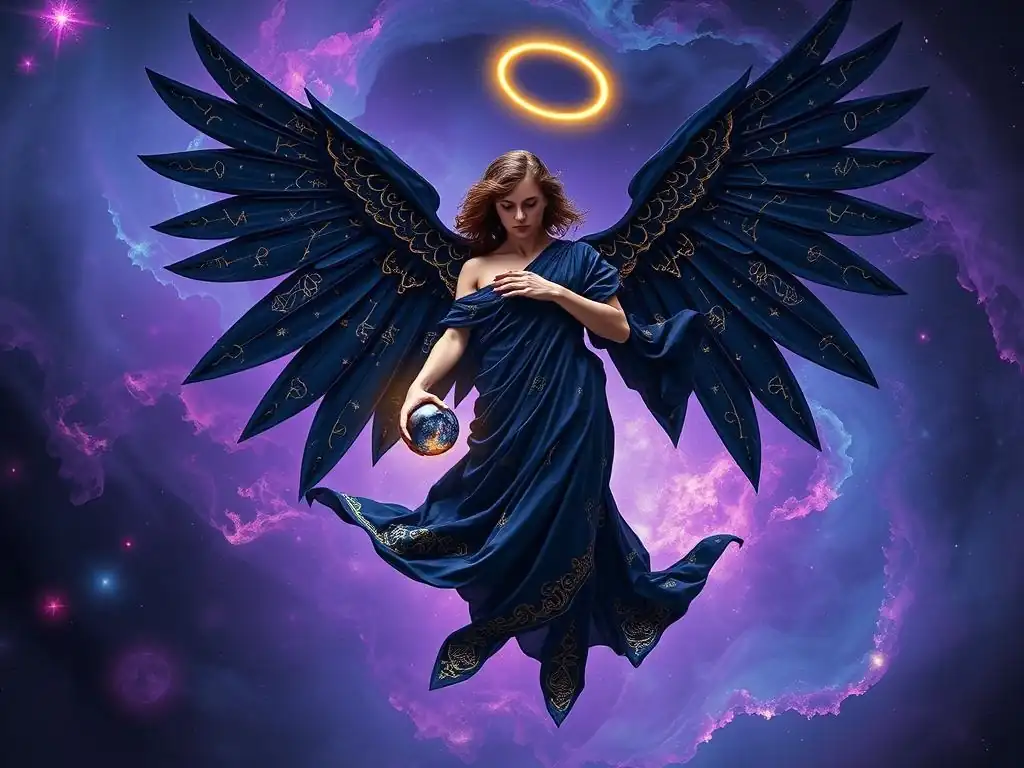
Welcome to Mythology and Legends, your portal into the captivating world of ancient narratives! Ever wondered how mortals ascended to godhood, or how divine beings shifted forms to shape destiny? Prepare to delve deep into the fascinating realm of Mythical Transformations into Divine Beings. Uncover the secrets, the symbols, and the enduring power of these epic stories... what awaits you beyond the veil of the mundane?
- Divine Ascensions: Exploring Transformations into Godhood Across Cultures
- Introduction: The Allure of Mortality Transcended
- The Mechanics of Transformation: Pathways to Godhood
- Case Studies: Ascensions to Divinity in Myth
- Cross-Cultural Perspectives on Divine Ascensions
- The Significance of Transformation Myths
- The Legacy of Divine Ascensions in Modern Culture
- Conclusion: The Enduring Power of Transcendence
-
Frequently Asked Questions
- What are some common types of mythical transformations into divine beings?
- Why are mythical transformations into divine beings so prevalent in mythology?
- How do cultural beliefs influence the specific forms of transformation into divine beings?
- What is the significance of the "divine being" aspect in these transformations?
- How do mythical transformations into divine beings impact contemporary society?
- Final Reflection: Echoes of Divinity in the Human Heart
- Embark on Your Own Mythological Journey!
Divine Ascensions: Exploring Transformations into Godhood Across Cultures
Introduction: The Allure of Mortality Transcended
The Enduring Fascination with Ascending to Divinity
Across human history and diverse cultures, the narrative of mortals achieving divine status holds a powerful and enduring fascination. These tales, often woven into the fabric of religious beliefs and cultural identity, explore the ultimate boundary – the line between the finite human existence and the infinite realm of the divine.
The idea that a being born of flesh and blood could overcome the limitations of mortality, acquire supernatural powers, and join the pantheon of gods speaks to fundamental human desires: the yearning for immortality, the pursuit of perfection, and the hope for a life beyond earthly suffering. This persistent theme reflects humanity's deep contemplation of its place in the cosmos and its relationship with the sacred.
Mythical transformations divine beings are not merely ancient stories; they serve as powerful archetypes that resonate even in contemporary thought. They provide frameworks for understanding concepts like spiritual growth, self-improvement, and overcoming adversity. The journey from human to divine often involves significant trials, demonstrating that such an elevation is earned, not simply given, mirroring the human struggle for meaning and purpose. This narrative arc—from humble beginnings to ultimate power and wisdom—captures the imagination and inspires reflection on the potential within individuals.
Defining Divine Beings and the Spectrum of Deification
Defining what constitutes a "divine being" in mythology is complex, as the characteristics and powers attributed to gods vary significantly across cultural contexts. Generally, divine beings possess immortality, immense power over natural forces or human destiny, profound knowledge, and are often objects of worship or veneration. They exist outside the normal confines of space and time experienced by mortals. However, the spectrum of deification is broad, ranging from heroes granted minor divine attributes or eternal life in a paradise, to individuals who become central figures of a major religion, worshipped as the supreme deity or a manifestation thereof.
Mythical transformations divine beings can occur through various means, illustrating this spectrum. Some individuals might become minor gods associated with a specific natural phenomenon or locale, while others ascend to the highest heavens to rule alongside or even become the chief god. The degree of divinity attained often correlates with the individual's achievements, sacrifices, or inherent nature. Exploring this spectrum helps us understand the diverse ways in which different cultures conceptualized the relationship between the human and the divine, and the various paths believed to lead from one state to the other.
The Mechanics of Transformation: Pathways to Godhood
Trials and Tribulations: Proving Worthiness Through Ordeals
A common pathway for mythical transformations divine beings involves undergoing severe trials and tribulations. These ordeals serve as tests of character, faith, strength, and wisdom, proving the individual's worthiness to transcend their mortal limitations. Such trials might involve battling monstrous creatures, enduring immense physical or psychological suffering, completing seemingly impossible tasks, or making profound sacrifices. The successful navigation of these challenges demonstrates mastery over earthly limitations and an alignment with higher, often cosmic, principles.
For instance, the Greek hero Heracles (Roman Hercules) is famous for his Twelve Labors, a series of monumental tasks imposed upon him. These feats, such as slaying the Lernaean Hydra or capturing the Erymanthian Boar, went far beyond mortal capabilities. By completing these labors, Heracles proved his extraordinary strength, resilience, and divine parentage (being the son of Zeus), ultimately paving the way for his apotheosis—his transformation into a god upon his death, joining the Olympians. These narratives emphasize that the path to divinity is arduous and requires overcoming significant obstacles.
Divine Favor: Bestowal of Immortality and Divine Attributes
Another significant mechanism for mythical transformations divine beings is the direct bestowal of divine favor. This can involve a god or gods choosing to elevate a mortal due to their exceptional qualities, service, or destiny. Divine favor often manifests as the granting of immortality, supernatural abilities, or a place among the divine assembly. This path highlights the hierarchical nature of many mythological cosmologies, where the gods hold ultimate authority to elevate or diminish beings.
Consider the Roman hero Aeneas. While his journey was fraught with trials, his ultimate fate was guided by divine will, particularly that of Venus, his mother, and Jupiter, the king of the gods. After his death, Aeneas was deified and worshipped as Jupiter Indiges, becoming an ancestral deity of the Roman people. This deification was not solely earned through trials but also a consequence of his fated role in establishing Rome, a destiny ordained by the gods, illustrating how divine plan and favor can be primary drivers of ascension.
Sacred Objects and Places: Catalysts for Divine Ascension
In some myths, interaction with sacred objects or presence in sacred places acts as a catalyst for mythical transformations divine beings. Objects imbued with divine power, such as magical artifacts, elixirs of immortality, or the remnants of powerful deities, can alter a mortal's nature. Similarly, entering or residing in sacred realms, like the heavens, the underworld (under specific conditions), or mythical paradises, can facilitate the transition from mortal to divine.
An example can be found in myths involving the consumption of ambrosia or nectar in Greek mythology, the food and drink of the gods. Mortals who partake in these substances, often facilitated by divine invitation or intervention, can become immortal. Ganymede, a beautiful Trojan prince, was abducted by Zeus to serve as cupbearer on Mount Olympus. By living among the gods and partaking of their fare, he gained immortality and was eventually placed among the stars as a constellation, demonstrating how dwelling in a sacred realm and interacting with divine elements can lead to transcendence.
Case Studies: Ascensions to Divinity in Myth
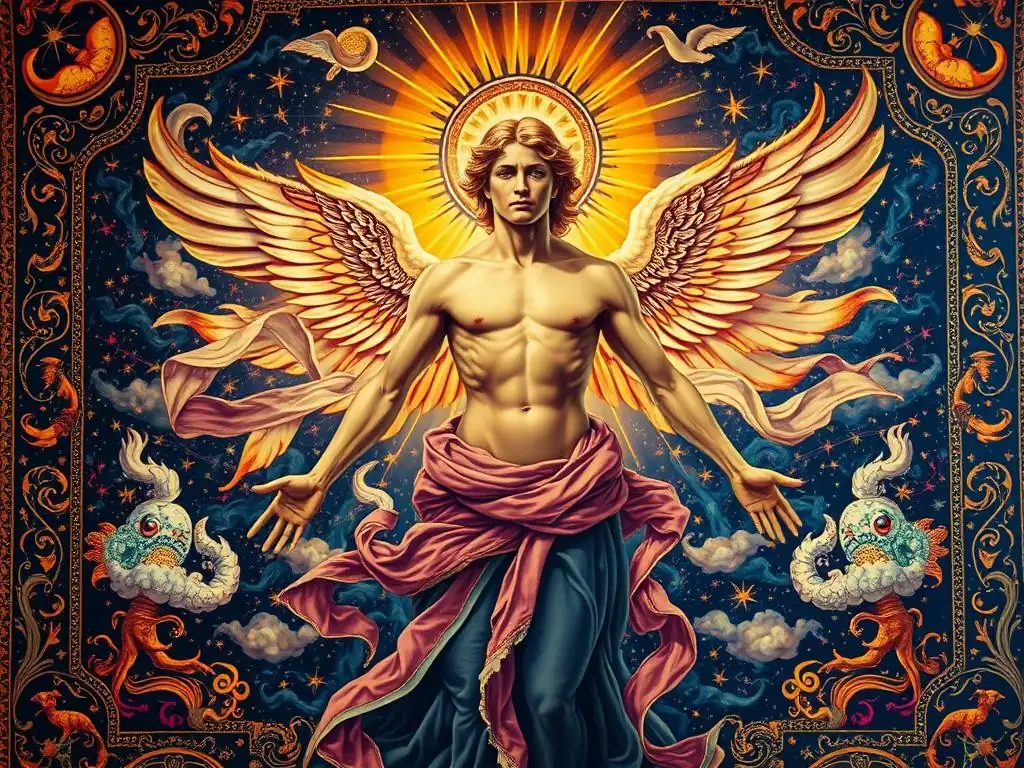
Jesus Christ: From Mortal Man to Central Figure of Christianity
The narrative of Jesus Christ is arguably one of the most globally influential mythical transformations divine beings, central to the Christian faith which claims over 2.4 billion adherents worldwide as of the early 21st century. Born as a human, Jesus is believed by Christians to be the Son of God and God incarnate, fully divine and fully human.
His life, death, and resurrection are seen not just as the culmination of a human existence but as a cosmic event demonstrating his divine nature and offering salvation to humanity. His story begins with a seemingly ordinary human birth, yet is immediately framed by miraculous events and prophecies pointing to his extraordinary identity.
His ministry involved performing miracles, teaching with unparalleled authority, and claiming a unique relationship with God the Father. Despite living a human life, experiencing hunger, fatigue, and suffering, his actions and words consistently challenged the boundaries of mortality and asserted a divine connection. The crucifixion, a human death, is paradoxically seen as the ultimate act of divine sacrifice, paving the way for his resurrection. This transformation through death and rebirth is fundamental to his deified status within Christianity.
Resurrection and Ascension: Proving Divine Nature
The resurrection of Jesus from the dead, three days after his crucifixion, is the pivotal event proving his divine nature for Christians. This act defied the most fundamental law of mortal existence – death. The accounts in the New Testament describe his physical reappearance to his disciples over a period of forty days, offering tangible proof of his victory over death. This was not merely resuscitation but a transformation into a glorified state, capable of appearing and disappearing and not bound by physical limitations in the same way as before.
Following the resurrection appearances, the narrative culminates in the Ascension, where Jesus is described as being taken up into heaven in the presence of his disciples. This physical ascent into the divine realm signifies his return to his full divine glory and authority alongside God the Father. These events – the resurrection and ascension – are not just miracles but the definitive proofs of his identity as a divine being who transcended mortality, establishing him as worthy of worship and the central figure of a new global religion.
Establishing Theological Authority and Global Following
The transformation of Jesus, marked by his resurrection and ascension, established his unparalleled theological authority among his followers. His teachings, miracles, death, and subsequent divine elevation provided the foundation for Christian doctrine, including concepts like atonement, salvation, and the nature of the Trinity. The disciples, empowered by their experiences and belief in his divine status, spread his message throughout the Roman Empire and beyond, despite initial persecution.
Within a few centuries, Christianity grew from a small sect in Judea to the dominant religion of the Roman Empire, a testament to the persuasive power of the narrative centered on Jesus' divine transformation. His status as a divine being who walked among humans, experienced suffering, and triumphed over death offered a compelling spiritual path. This belief structure, rooted in his ascension, provided a basis for worship, ritual, and a moral code that has shaped Western civilization and continues to influence billions globally, illustrating the immense cultural and historical impact of a mythical transformation narrative.
Quetzalcoatl: The Plumed Serpent's Transformation in Mesoamerican Mythology
Quetzalcoatl, the Plumed Serpent, is one of the most significant deities in Mesoamerican mythology, particularly among the Aztec and Toltec cultures. While often considered a god from the outset, many myths describe his cyclical existence involving periods on Earth in human or semi-human form, often associated with a specific historical ruler or priest-king, followed by a transformation or return to the divine realm. This dual nature and cyclical transformation make him a fascinating example of a being who bridges the gap between the human and the divine, influencing vast populations across ancient Mexico over centuries.
His association with wind, Venus (the morning/evening star), knowledge, priesthood, and benevolent creation sets him apart. Legends describe his time on Earth, teaching people agriculture, science, and the arts, opposing human sacrifice, and advocating for a more virtuous life. This period among mortals is often depicted as a golden age. His eventual departure from the human realm is a key transformative event, marking his full return to the divine sphere, though the circumstances of this departure vary greatly in different myths, sometimes involving self-immolation or sailing away across the sea.
Sacrifices and Trials: Demonstrating Divine Power and Wisdom
Quetzalcoatl's myths often involve symbolic sacrifices and trials that underscore his divine power and wisdom, distinct from the physical ordeals of heroes like Heracles. For example, some stories recount his descent into the underworld (Mictlan) to retrieve the bones of previous human generations, which he then used, mixed with his own blood, to create the current human race. This act of self-sacrifice and creative power is a profound demonstration of his divine capabilities and benevolent nature.
Another set of myths describes trials imposed upon him, often by the malevolent god Tezcatlipoca, involving trickery and temptation. In one famous account, Tezcatlipoca tricks Quetzalcoatl (in his human form as a priest-king) into drunkenness and breaking his vows, leading to shame and his eventual departure. While this might seem like a failure, his subsequent actions—burning his possessions, burying his treasures, and transforming upon his departure (e.g., becoming the morning star)—reaffirm his divine nature and transcendence over earthly failings, illustrating a complex process of transformation involving both vulnerability and ultimate divine power.
Departure and Promise of Return: Establishing a Lasting Legacy
Quetzalcoatl's departure from the human realm is a central element of his mythical transformation and the source of his lasting legacy. Different myths describe him sailing east across the sea on a raft of serpents or self-immolating, with his heart ascending to become the morning star (Venus). This transformation into a celestial body solidifies his status as a powerful cosmic deity. The act of departure is not an end but a transition back to the divine sphere, often carrying a promise or prophecy of his eventual return.
This promise of return had significant historical implications, notably influencing the initial interactions between the Aztecs and the Spanish conquistador Hernán Cortés, who arrived from the east around the time a return was prophesied. The enduring myth of Quetzalcoatl, perpetuated through oral tradition, codices, and monumental architecture across Mesoamerica for centuries, demonstrates how the narrative of a divine being's time on Earth, transformation, and promised return can establish a profound and lasting cultural and religious legacy, shaping history and belief systems.
Buddha: Achieving Enlightenment and Transcendence
Siddhartha Gautama, the historical Buddha, presents a unique case study in mythical transformations divine beings, central to Buddhism, a religion with approximately 500 million followers globally. While not typically worshipped as a god in the Abrahamic sense, the Buddha achieved a state of perfect enlightenment (Nirvana) that transcends ordinary human existence and the cycle of rebirth (Samsara). This achievement is considered a transformation into a state of ultimate reality and liberation, often described with attributes that approach divinity in other contexts, such as omniscience and freedom from suffering.
Born a prince in ancient India (around the 5th century BCE), Siddhartha lived a life of privilege before renouncing it to seek an end to suffering. His journey involved years of asceticism and meditation. His transformation wasn't a sudden apotheosis but a gradual process of spiritual development culminating in enlightenment under the Bodhi tree. This event marked his transition from a seeker to the Buddha—the "Awakened One"—possessing profound insight into the nature of reality, suffering, and the path to liberation.
The Path to Nirvana: Overcoming Suffering and Ignorance
The Buddha's transformation is intricately linked to his discovery and mastery of the Four Noble Truths and the Eightfold Path. These doctrines represent the core of his teachings and the practical steps required to overcome suffering ( dukkha) and ignorance ( avidya), the fundamental conditions of unenlightened existence. His six years of rigorous practice, including extreme asceticism and deep meditation, were the trials he undertook to find the path beyond suffering.
His enlightenment wasn't a gift from a deity but an achievement through intense personal effort, wisdom, and moral discipline. Reaching Nirvana involved extinguishing the "fires" of greed, hatred, and delusion, leading to a state of profound peace, insight, and freedom from the cycle of death and rebirth. This achievement represents the ultimate spiritual transformation, moving beyond the limitations of the individual ego and the material world to realize an ultimate, unconditioned reality—a state of being that transcends the human in a profound, philosophical sense.
Disseminating Dharma: Establishing a Path to Liberation for Others
Having achieved this transcendent state, the Buddha then dedicated the remaining 45 years of his life to teaching others the path he had discovered. This act of disseminating the Dharma (the truth or cosmic law) is crucial to his legacy and the establishment of Buddhism. His transformation wasn't solely for his own liberation but provided a blueprint for millions to follow.
By sharing his wisdom and establishing a monastic order (Sangha), the Buddha created a lasting spiritual tradition. His teachings on compassion, mindfulness, and the nature of reality continue to guide practitioners worldwide.
While he eventually passed into Parinirvana (final Nirvana, free from the cycle of rebirth), his legacy endures through his Dharma and the community he founded. His life story serves as an inspiring example of how a human being, through intense spiritual effort, can achieve a state of transcendence that offers a path to liberation for all sentient beings, solidifying his unique form of "divine" status as an enlightened being.
Cross-Cultural Perspectives on Divine Ascensions
Greco-Roman Apotheosis: Heroic Achievements and Divine Recognition
In Greco-Roman mythology, apotheosis refers specifically to the process by which a mortal is transformed into a god. This was often a posthumous honor, bestowed upon heroes or rulers whose achievements were so extraordinary that they were deemed worthy of joining the divine pantheon. Unlike some other traditions where divinity is inherent or achieved through internal spiritual means, Greco-Roman apotheosis often emphasized external actions, military victories, or significant contributions to the state or humanity as prerequisites. The concept became particularly prominent in the Roman Empire, where emperors were often deified after death, establishing an imperial cult.
Examples include Heracles, whose twelve labors led to his deification, and Aeneas, elevated for his role in founding Rome. In the Roman context, emperors like Augustus were deified by decree of the Senate, solidifying their status as divine protectors of the state.
This practice, while serving political purposes, was rooted in older traditions of hero worship and the belief that exceptional mortals could transcend their earthly limitations. The sheer number of temples and cults dedicated to deified emperors across the vast Roman Empire, from Britain to Egypt, underscores the widespread nature of this belief system, impacting potentially tens of millions of subjects over centuries.
Egyptian Deification: Pharaohs and the Journey to the Afterlife
Ancient Egyptian beliefs also featured a unique form of deification, particularly centered around the Pharaoh. The Pharaoh was considered not merely a ruler but a living god, or at least the intermediary between humanity and the gods, imbued with divine authority ( maat) necessary to maintain cosmic order. Upon death, the Pharaoh's journey to the afterlife was a complex process aimed at achieving full divine status, joining the sun god Ra in his eternal journey across the sky, or becoming one with Osiris, the god of the underworld and rebirth.
The elaborate burial rituals, monumental pyramids, and detailed funerary texts (like the Pyramid Texts, Coffin Texts, and the Book of the Dead) were all designed to facilitate this transformation. These texts provided spells and instructions to help the deceased Pharaoh navigate the dangers of the underworld, pass divine judgment, and ultimately achieve a state of eternal, divine existence.
The construction of the Great Pyramid of Giza, for instance, involved an estimated 100,000 workers over 20 years, a massive undertaking reflecting the central importance of the Pharaoh's divine status and successful post-mortem transformation to the stability and cosmology of the Egyptian state for millennia.
Hindu Moksha: Liberation from the Cycle of Rebirth and Union with Brahman
In Hinduism, the concept most analogous to transformation into a divine state for an individual soul ( atman) is the achievement of Moksha, or liberation. Moksha is the ultimate goal of life – freedom from the cycle of birth, death, and rebirth (Samsara) and the realization of one's true nature as identical with or in union with Brahman, the ultimate reality or universal consciousness. While not typically described as becoming a distinct god in a pantheon, achieving Moksha is a transcendence of individual, mortal existence to attain a state of infinite being, consciousness, and bliss, which is inherently divine.
The path to Moksha involves various spiritual disciplines ( yogas), including knowledge (Jnana Yoga), devotion (Bhakti Yoga), action (Karma Yoga), and meditation (Raja Yoga). Saints, sages, and enlightened beings ( jivanmuktas) who achieve Moksha while still alive are revered as having attained a state of profound spiritual transformation, embodying divine qualities.
The philosophical depth and diversity of practices within Hinduism, practiced by over 1.1 billion people today, reflect myriad pathways towards this ultimate liberation and union with the divine ground of being, highlighting a distinct approach to transcendence compared to the more anthropocentric apotheosis of Greco-Roman myth or the specific deification of rulers.
The Significance of Transformation Myths
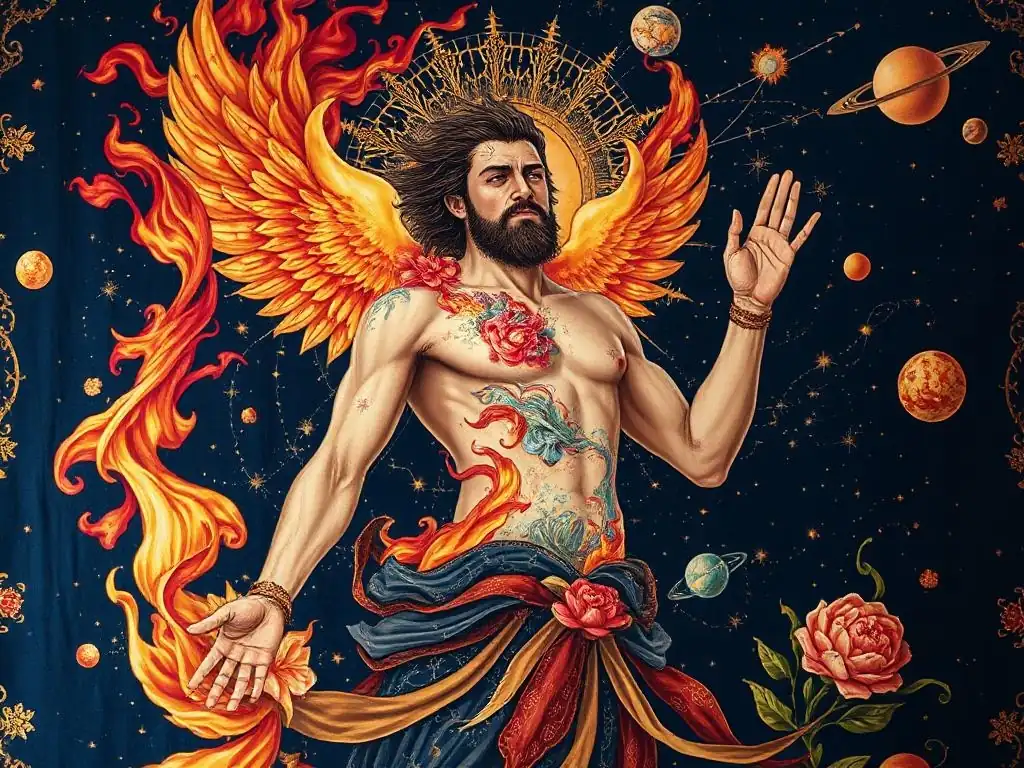
Reflecting Cultural Ideals and Societal Values
Mythical transformations divine beings serve as powerful mirrors reflecting the core ideals and societal values of the cultures that create them. The qualities required for ascension—whether heroic strength, moral purity, intellectual enlightenment, or adherence to divine law—highlight what a society deems most admirable and important. For instance, cultures that value military prowess might feature heroes whose battlefield triumphs lead to deification, while cultures emphasizing spiritual discipline might focus on individuals who achieve transcendence through meditation and wisdom.
The narratives also reinforce social hierarchies and political structures. The deification of rulers, as seen in ancient Egypt or Rome, legitimized their authority by imbuing them with divine sanction. Conversely, myths about individuals from humble origins achieving divine status can reflect aspirations for social mobility or the belief that spiritual potential exists within everyone, regardless of birth. These stories provide a framework for understanding cultural norms, ethical standards, and the desired relationship between humanity and the sacred, shaping collective identity and worldview for countless generations.
Exploring the Human Longing for Transcendence and Meaning
At a fundamental level, mythical transformations divine beings articulate the deep-seated human longing for transcendence. Humans are acutely aware of their mortality, limitations, and the often-challenging nature of earthly existence. The idea of becoming something more, of escaping suffering, achieving immortality, and gaining ultimate knowledge or power, speaks to a universal desire to rise above these constraints. These myths offer hope – the possibility that human potential is not limited to the physical lifespan but can reach towards the eternal and infinite.
These narratives also grapple with questions of meaning and purpose. The path to divinity often involves overcoming trials, making sacrifices, and adhering to a higher calling, suggesting that a meaningful life is one lived in pursuit of something greater than oneself. The transformed being often returns to aid humanity or maintain cosmic order, implying that transcendence comes with responsibility. These stories thus provide frameworks for understanding human purpose within a larger, often sacred, universe, offering solace and inspiration in the face of existential questions.
The Ascension Narrative as a Metaphor for Spiritual Development
Beyond their literal interpretations, ascension narratives function powerfully as metaphors for spiritual or psychological development. The journey from a mortal, limited state to a divine, expanded state can be seen as an allegory for the process of personal growth, overcoming inner obstacles, and realizing one's full potential. The trials faced by the aspiring divine being mirror the internal struggles individuals face when striving for self-improvement, enlightenment, or moral perfection.
The transformation itself can represent a profound shift in consciousness, a shedding of ego, or an integration of higher principles. The attainment of divine attributes like omniscience or omnipresence can symbolize achieving deep insight or feeling connected to a universal whole. Many spiritual traditions utilize similar symbolic language of "rising," "awakening," or "becoming one" to describe the process of spiritual maturation. Thus, these ancient myths continue to resonate because they tap into the universal human experience of striving for growth and seeking a deeper connection to reality, making mythical transformations divine beings relevant far beyond their original cultural contexts.
The Legacy of Divine Ascensions in Modern Culture
Divine Ascensions in Literature and Film
The theme of mythical transformations divine beings remains a potent source of inspiration in modern literature, film, and other forms of media. Contemporary stories frequently feature characters who evolve from ordinary individuals into beings with extraordinary powers, sometimes explicitly god-like, or who achieve a state of transcendence. Superhero narratives, for example, often involve characters gaining abilities that elevate them far beyond typical human capabilities, sometimes even requiring them to grapple with the responsibilities and isolation that come with near-divine power.
Fantasy and science fiction genres extensively explore these themes. Characters might undergo literal transformations into divine or cosmic entities, achieve immortality, or ascend to higher planes of existence. Consider figures in epic fantasy series who acquire immense magical power or attain a state of near-omnipotence, or science fiction protagonists who evolve into pure energy or consciousness. These modern iterations often reflect contemporary anxieties and aspirations, exploring the ethical implications of power, the nature of identity in the face of radical change, and the ultimate destiny of humanity, demonstrating the enduring appeal of this ancient narrative pattern.
The Enduring Power of Archetypal Figures Achieving Godhood
The archetypal figures who achieve godhood in ancient myths continue to exert influence on modern consciousness, even outside explicit religious contexts. Figures like Heracles, Buddha, or even the concept of an ascended master in esoteric traditions, represent powerful symbols of human potential, perseverance, and ultimate triumph. These archetypes provide cultural touchstones for narratives about overcoming adversity, achieving mastery, and finding ultimate meaning.
Their stories are retold, reinterpreted, and referenced in various forms, from academic study to popular culture. The "hero's journey," a common narrative structure identified by mythologist Joseph Campbell, often includes elements analogous to ascension, where the hero returns from a transformative ordeal with newfound power or wisdom that benefits their community. The continued recognition and use of these archetypes underscore the fact that the human desire to understand and emulate the path to transcendence remains deeply ingrained, shaping our stories and our understanding of human capability.
Examining the Psychological Resonance of Transformation Narratives
The psychological resonance of mythical transformations divine beings is profound. These narratives speak to fundamental aspects of the human psyche, including the desire for power and control, the fear of death, and the search for meaning and identity. The transformation process itself can symbolize psychological integration, the journey towards individuation (in Jungian terms), or the process of overcoming trauma and achieving resilience.
The idea of shedding a limited self to become a more powerful, complete, or enlightened being taps into personal aspirations for growth and self-actualization. For instance, the struggle and eventual enlightenment of the Buddha can be seen as a metaphor for overcoming psychological suffering and achieving mental clarity. These myths provide symbolic language and narratives for understanding internal processes of change, resilience, and the pursuit of higher consciousness, illustrating their enduring relevance not just culturally and religiously, but also on an individual psychological level.
Conclusion: The Enduring Power of Transcendence
Recapping Key Themes and Diverse Examples of Divine Ascensions
We have explored the compelling theme of mythical transformations divine beings across a spectrum of global mythologies and religions. From the physical apotheosis of Greco-Roman heroes like Heracles and the politically significant deification of Roman emperors and Egyptian Pharaohs, to the profound spiritual liberation achieved by the Buddha and the cyclical divine-human existence of Mesoamerican deities like Quetzalcoatl, these narratives reveal a universal human preoccupation with transcending the limitations of mortality. The pathways to divinity are varied, involving trials, divine favor, and interaction with sacred elements, reflecting diverse cultural values and cosmologies.
Key themes emerge consistently: the idea that transcendence is often earned through struggle or sacrifice, the role of divine will or cosmic law, and the profound impact these transformed beings have on the world and their followers. Whether through resurrection, enlightenment, or ritual elevation, the journey from mortal to divine is depicted as a process of shedding limitations and attaining a higher state of being, influencing billions throughout history and into the present day.
The Continuing Relevance of These Narratives in Contemporary Thought
The narratives of mythical transformations divine beings hold continuing relevance in contemporary thought, extending far beyond religious belief. They inform our understanding of human potential, the pursuit of excellence, and the desire for meaning in a complex world. As archetypes, they appear in modern storytelling, from superhero sagas to spiritual self-help literature, demonstrating the enduring power of the idea that transformation is possible, and that individuals can aspire to states of being that transcend their current limitations.
Psychologically, these myths offer frameworks for understanding personal growth, overcoming adversity, and achieving self-actualization. Culturally, they highlight the values and aspirations that societies deem most important. The study of these diverse ascension myths provides valuable insights into the shared human experience and the myriad ways different cultures have envisioned the ultimate relationship between humanity and the divine, confirming that the quest for transcendence remains a fundamental aspect of the human condition.
Frequently Asked Questions
What are some common types of mythical transformations into divine beings?
Transformations often involve changes into animals or celestial bodies, representing a shift in power and status. They symbolize a crossing of boundaries between the mortal and divine realms.
Why are mythical transformations into divine beings so prevalent in mythology?
These transformations reflect a desire to understand the origins of deities and their relationship to humanity. They often serve as metaphors for spiritual growth and the potential for transcendence.
How do cultural beliefs influence the specific forms of transformation into divine beings?
The specific animals, elements, or objects involved in transformations are deeply rooted in cultural symbolism and local ecosystems. These choices reflect a culture's understanding of the sacred nature of certain entities.
What is the significance of the "divine being" aspect in these transformations?
Becoming a "divine being" signifies an elevation in status, granting the transformed entity immortality and power over the natural world. This new status often comes with responsibilities to maintain order.
How do mythical transformations into divine beings impact contemporary society?
These stories continue to influence art, literature, and popular culture, providing insights into human aspirations and fears. They offer valuable perspectives on themes of change, identity, and the search for meaning.
Final Reflection: Echoes of Divinity in the Human Heart
The enduring fascination with mythical transformations into divine beings speaks volumes about our inherent yearning for transcendence. These stories, far from being relics of a bygone era, resonate deeply with our contemporary anxieties and aspirations; they offer a powerful lens through which to examine our own quests for meaning and self-discovery in a world often perceived as chaotic and uncertain. The desire to transcend our limitations, to achieve a state of being beyond the mundane, remains a potent force shaping human experience.
The exploration of these myths reveals a continuous thread woven throughout human history, a persistent desire to connect with something larger than ourselves. These narratives, whether from ancient Greece, Norse mythology, or modern fantasy, reflect our collective unconscious, our shared longing for the divine. They offer a framework for understanding the human condition, highlighting our capacity for both incredible good and terrible evil, and the potential for profound transformation. Myth is a potent instrument for the understanding of human nature.
- Joseph Campbell. This quote encapsulates the enduring power of these stories to illuminate our inner lives and the shared human experience.
Consider the implications of these transformations. What aspects of your own life yearn for such a metamorphosis? What internal struggles or aspirations mirror the journeys of these mythical figures? I invite you to reflect on the power of narrative to shape our understanding of ourselves and the world around us. Embrace the transformative potential within you, and allow these ancient stories to inspire your own unique journey towards a more meaningful and fulfilling existence. Let the echoes of divinity within you resonate, guiding you towards your own personal transcendence.
Embark on Your Own Mythological Journey!
Thanks for exploring the fascinating world of mythical transformations with us! You've gained a deeper understanding of how humans aspired to divinity in ancient cultures, and now it's time to take that knowledge further.
- Dive deeper: Research a specific myth that resonated with you. Explore its symbolism, characters, and cultural context – uncover its hidden layers!
- Share your insights: Discuss your favorite transformation myth in the comments below. What aspects surprised you, and what new questions did it raise?
- Create your own myth: Imagine your personal transformation into a divine being. What powers would you possess? What challenges would you overcome? Let your imagination soar!
Ready to weave your own narrative into the rich tapestry of mythology? What mythical creature would best represent your personal journey?