
Propp's Morphology: Dissecting the Structure of Folk Tales

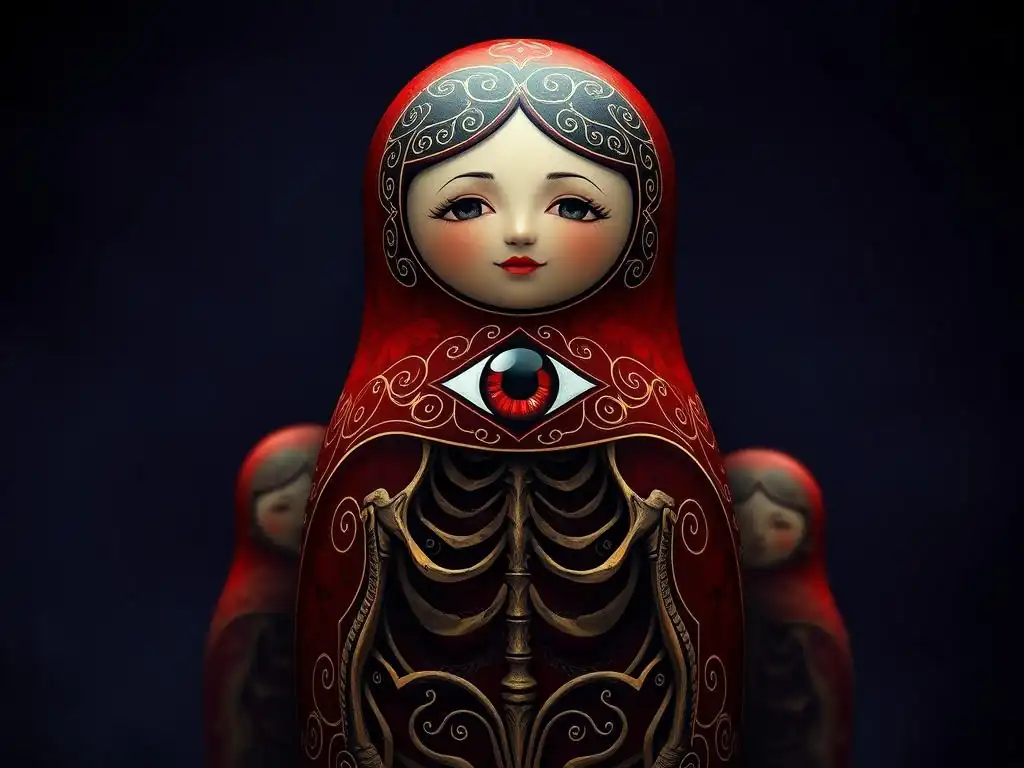
Welcome to Mythology and Legends, where we journey through the vibrant tapestry of human storytelling. Ever wondered what hidden patterns lie beneath the surface of your favorite tales? Prepare to unravel the secrets of narrative, starting with a fascinating exploration of Russian folk tale structure. Dive in to discover how Propp's groundbreaking Morphology dissects these captivating stories, revealing the universal building blocks that shape our imagination. But that's just the beginning… what other structures are waiting to be uncovered?
The Donor: The Provider of Magical Aids
Within Propp's framework for analyzing the structure of folk tales, particularly the Russian folk tale structure he meticulously studied, the character type known as the Donor plays a crucial role. This is one of the seven dramatis personae Propp identified, and their primary function is to test the hero and then, if the hero passes the test, provide them with a magical agent or helper.
This aid is essential for the hero to overcome subsequent obstacles, solve a difficult task, or defeat the villain. The Donor often appears unexpectedly and may initially seem hostile or indifferent, presenting a challenge that the hero must confront or solve through cleverness, kindness, or strength of character.
Examples of Donors in Russian folk tales are varied and significant. A classic instance is Baba Yaga, who, despite her often terrifying appearance and initial demands, can act as a Donor if the hero successfully completes her tasks, providing, for example, a skull lantern or a magical object.
Other examples include a wise old man encountered in the forest who gives the hero a magical horse or a powerful spell, or even an animal that helps the hero after being shown kindness. The object or help provided by the Donor directly impacts the progression of the narrative, acting as a catalyst that enables the hero to move closer to achieving their goal within the predictable Russian folk tale structure Propp described.
- What is Propp's Morphology and how does it relate to Russian folk tales?
- What are the key elements or functions in Propp's model of Russian folk tale structure?
- Does Propp's Morphology apply to folk tales from cultures other than Russia?
- How can understanding Propp's model help us appreciate Russian folk tales better?
- What is the contemporary relevance of studying Russian folk tale structure using Propp's Morphology?
Frequently Asked Questions
What is Propp's Morphology and how does it relate to Russian folk tales?
Propp's Morphology is a method of analyzing folk tales by identifying recurring narrative functions. It's particularly relevant to Russian folk tales as it was developed by Vladimir Propp based on a study of 100 Russian tales.
What are the key elements or functions in Propp's model of Russian folk tale structure?
Propp identified 31 narrative functions that commonly appear in Russian folk tales, though not all tales contain every function. These functions represent specific actions and events within the story's plot.
Does Propp's Morphology apply to folk tales from cultures other than Russia?
While initially focused on Russian tales, the principles of Propp's Morphology can be applied to folk tales from other cultures to identify recurring patterns and structures, though with potentially varying degrees of success.
How can understanding Propp's model help us appreciate Russian folk tales better?
Understanding Propp's model reveals the underlying structure of Russian folk tales, allowing for deeper analysis and appreciation of their themes and cultural significance. It highlights the common narrative threads connecting different tales.
What is the contemporary relevance of studying Russian folk tale structure using Propp's Morphology?
Studying Russian folk tale structure provides insights into cultural values and beliefs embedded within the stories. It also informs contemporary storytelling and narrative analysis, showcasing the enduring power of archetypal narratives.
Final Reflection: Unraveling the Enduring Power of Narrative Structure
Propp's Morphology remains a vital tool for understanding not only the structure of Russian folk tales, but the fundamental building blocks of narrative itself. Its enduring relevance lies in its ability to dissect seemingly disparate stories and reveal the surprisingly consistent patterns that underpin them, offering a framework for analyzing narratives across cultures and time periods. This understanding isn't just academic; it's crucial for anyone crafting compelling stories, whether in literature, film, or even everyday communication.
The impact of Propp's work extends far beyond the realm of academic study; it has profoundly shaped how we understand the creation and reception of narratives. His identification of character archetypes and plot functions provides a lens through which we can analyze the enduring appeal of classic tales and understand why certain narrative structures resonate so deeply with audiences. As Vladimir Propp himself stated, The functions of characters serve as stable, constant elements in a tale, independent of how and by whom they are fulfilled. They constitute the fundamental components of a tale.
This highlights the timeless nature of the narrative structures he identified, proving their continued relevance in a constantly evolving world.
Consider the stories you consume daily – the movies you watch, the books you read, even the news you hear. Think about the underlying structures at play, the recurring characters and their functions. You now possess the tools to analyze these narratives with a deeper understanding, to appreciate the artistry and craft involved in constructing compelling stories.
By applying Propp's Morphology, you can not only better understand the stories you encounter but also improve your own storytelling abilities, crafting narratives that resonate with audiences on a fundamental level. Embrace this framework, and unlock the power of narrative structure in your own creative endeavors.
Unlock the Secrets of Storytelling: Apply Propp's Morphology Today!
Thanks for exploring the fascinating world of Propp's Morphology with us! You've now gained a powerful framework for understanding the deep structure of folk tales. Ready to put your new knowledge into practice?
- Analyze a favorite fairy tale: Identify the character functions and narrative elements using Propp's schema. See how well it fits, and note any exceptions! This is the core action.
- Share your findings: Discuss your analysis on our social media channels using #ProppsMorphology – let's build a community of storytelling enthusiasts!
- Create your own mini-tale: Using Propp's functions as a guide, craft a short story of your own. What unique twist will you add?
So, what hidden narratives will you uncover next using the power of Propp's Morphology?