
The Sacred Fire: Purification Through Suffering in Myth

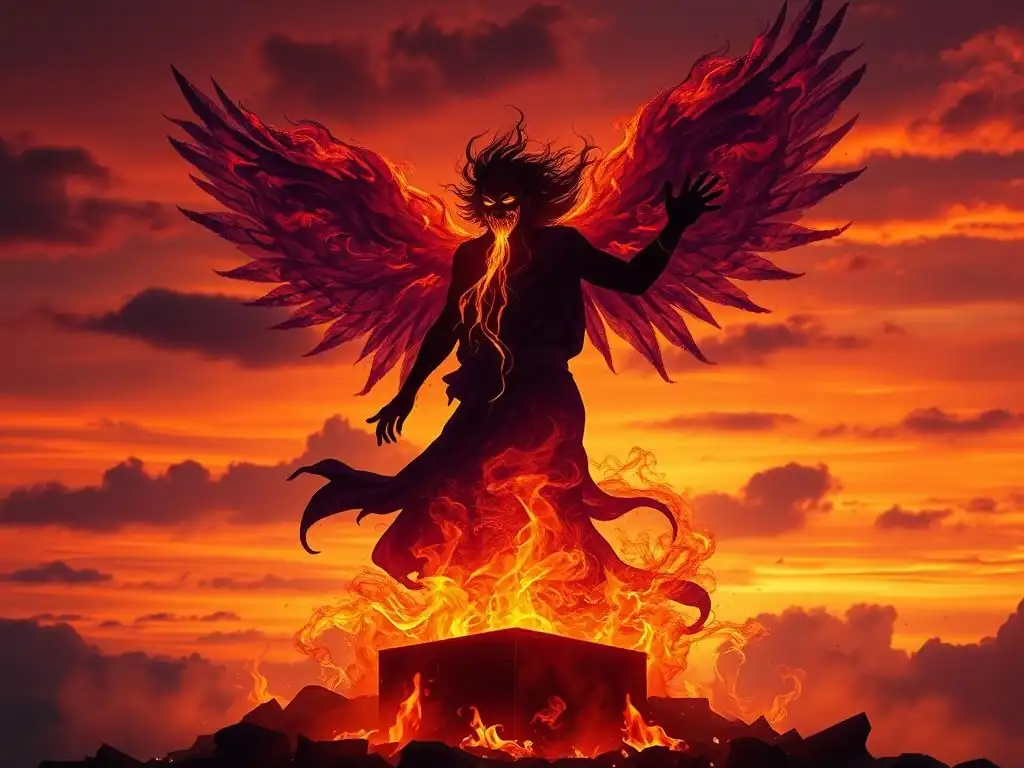
Welcome to Mythology and Legends, where ancient whispers echo through the ages. Delve into the heart of "The Sacred Fire: Purification Through Suffering in Myth" and uncover the profound connection between sacrifice, myths, purification, and suffering. Could these age-old narratives hold the key to understanding our own struggles and triumphs? Explore the legends within and decide for yourself...
- Divine Trials: Purification Through Suffering in Mythology
- Introduction: Exploring Suffering, Sacrifice, and Cleansing in Myth
- The Heroic Ideal: Suffering for a Greater Purpose
- Sacrifice Myths: A Comparative Analysis
- Psychological and Societal Impact
- Symbolism and Interpretation
- From Myth to Modernity
- Conclusion
-
Frequently Asked Questions
- What is the role of sacrifice in purification myths?
- How does suffering contribute to purification in mythical narratives?
- How are fire and purification related in myths?
- Do purification myths always involve literal suffering, or can it be symbolic?
- How do these sacrifice myths and the theme of purification relate to contemporary society?
- Final Reflection: Embracing the Ember: Purification's Enduring Power
- Ignite Your Inner Strength: Explore the Power of Transformation
Divine Trials: Purification Through Suffering in Mythology
Introduction: Exploring Suffering, Sacrifice, and Cleansing in Myth
The Power of Sacrifice Myths
Sacrifice myths are foundational narratives across human cultures, illustrating the profound concept that something valuable must be given up to achieve a greater good, appease deities, or restore cosmic balance. These stories often involve the offering of possessions, animals, or even lives, acting as a symbolic exchange between the mortal and divine realms. The act of sacrifice, whether voluntary or imposed, is frequently depicted as a necessary step towards purification, atonement, or the acquisition of blessings.
These narratives reveal deeply held beliefs about the interconnectedness of life, death, and renewal. The idea that loss precedes gain, or that suffering is a prerequisite for transformation, is a recurring theme. Exploring these sacrifice myths helps us understand ancient worldviews, where the boundaries between the sacred and the profane were often fluid, and where personal or communal suffering could be interpreted through a spiritual lens, paving the way for purification and ultimate redemption.
Purification Rituals in Ancient Cultures
Ancient cultures developed elaborate purification rituals to cleanse individuals, objects, or spaces from perceived defilement, pollution, or sin. These rites were essential for maintaining social and spiritual harmony, ensuring that communities remained in favor with the gods and were protected from unseen dangers. Water was a common element, used for washing and symbolic cleansing, while smoke from burning herbs or incense was believed to drive away negative influences.
Beyond simple washing, purification often involved more complex ceremonies, sometimes including elements of self-denial or physical discomfort. Fasting, vigils, or even self-flagellation in some later traditions were seen as ways to purify the body and spirit through suffering. These rituals were not merely physical acts but deeply symbolic performances intended to restore balance, prepare individuals for sacred tasks, or mark transitions, underscoring the belief that inner transformation could be achieved through external or self-inflicted hardship.
Suffering as Transformation in Heroic Narratives
In heroic narratives, suffering is rarely depicted as merely a negative experience; rather, it is a crucible that forges character and facilitates profound transformation. Heroes often face immense physical and emotional pain, enduring trials that test their limits and force them to confront their weaknesses. This journey through suffering is frequently presented as a necessary rite of passage, leading to increased wisdom, strength, and spiritual growth.
The hero's endurance of hardship is a central theme in many sacrifice myths purification suffering narratives. It's through overcoming seemingly insurmountable obstacles and bearing immense burdens that the hero earns their status, achieves their quest, or ascends to a higher state of being. This suffering is not arbitrary but purposeful, serving to purify the hero of flaws and prepare them for their ultimate destiny, often involving a significant sacrifice or contribution to their community or the cosmos.
The Heroic Ideal: Suffering for a Greater Purpose
Defining Heroic Suffering in Mythology
Heroic suffering in mythology is distinct from mere misfortune; it is suffering willingly undertaken or stoically endured in pursuit of a noble goal, for the welfare of others, or as a consequence of a divine or fated task. This suffering is not passive but active, a demonstration of the hero's commitment, resilience, and often, selflessness. It is the price paid for extraordinary achievement or divine favor.
This type of suffering often involves physical torment, emotional anguish, isolation, or the burden of immense responsibility. It serves to highlight the hero's virtues – courage, perseverance, and integrity – in the face of adversity. The capacity to endure and transcend suffering is a defining characteristic of the mythical hero, setting them apart from ordinary mortals and marking their journey towards apotheosis or legendary status.
Examples of Heroic Figures Across Cultures [e.g., Heracles, Joan of Arc]
Heracles, the Greek hero renowned for his strength, embodies heroic suffering through his Twelve Labors. These tasks, imposed as penance for killing his family in a fit of madness caused by Hera, were incredibly difficult and dangerous, forcing him to confront monsters, overcome impossible odds, and endure immense physical and psychological strain. His completion of these labors, a form of purification through suffering, ultimately led to his immortality and deification, a prime example of how enduring hardship can lead to transcendence in sacrifice myths purification suffering.
Joan of Arc, a historical figure elevated to mythical status, also exemplifies suffering for a greater purpose. Believing she was guided by divine voices, she led the French army to victory, but was eventually captured, put on trial, and burned at the stake. Her suffering and death were seen by many as a martyrdom, a ultimate sacrifice for her faith and her nation. Her story illustrates how personal suffering and death can be interpreted as a purifying sacrifice that solidifies one's legacy and inspires future generations.
The Symbolic Significance: A Path to Transcendence
The suffering endured by mythical heroes carries deep symbolic significance. It represents the human struggle against fate, mortality, and internal flaws. By facing and overcoming suffering, the hero symbolically purifies themselves, shedding limitations and achieving a higher state of being, whether that is divine status, spiritual enlightenment, or moral perfection.
This symbolic journey suggests that suffering is not an end but a means to an end – a necessary step on the path to transcendence. It mirrors the alchemical process of purification through fire, where base elements are refined into gold. In myth, the hero's suffering refines their spirit, proving their worthiness for divine connection, ultimate victory, or eternal glory, reinforcing the link between sacrifice myths purification suffering and spiritual elevation.
Sacrifice Myths: A Comparative Analysis
Examining Sacrifice in Ancient Greek Mythology
Ancient Greek mythology is replete with instances of sacrifice, ranging from everyday animal offerings to the gods to avert misfortune or gain favor, to profound human or divine sacrifices tied to the fate of communities or the cosmos. These acts were central to Greek religion and worldview, reflecting a belief in the need to propitiate powerful, often capricious, deities. Sacrifice was seen as a way to establish or restore kharis (grace or reciprocity) with the divine.
The motivations behind Greek sacrifice varied: atonement for impiety, seeking protection, ensuring fertility, or guaranteeing success in ventures like war or travel. While animal sacrifice was common, myths also explore the extreme act of human sacrifice, often in times of great crisis, suggesting that the most valuable offering was sometimes deemed necessary to appease the gods and achieve communal purification or salvation.
The Trials of Heracles: A Case Study in Cleansing and Apotheosis
The Twelve Labors of Heracles, imposed by King Eurystheus at the behest of Hera, function as a form of penance and purification for Heracles's slaying of his family. Each labor presented an impossible challenge, forcing Heracles to confront monstrous foes and endure extreme hardship across the known world. For instance, capturing the Erymanthian Boar or cleaning the Augean Stables (which involved diverting two rivers) demanded not only physical prowess but also cunning and endurance.
Completing these grueling tasks was a process of atonement, a purification of the guilt associated with his tragic act. The suffering and trials he faced cleansed him both ritually and spiritually, proving his inherent goodness and strength despite his temporary madness. His successful completion of all twelve labors ultimately paved the way for his death and subsequent apotheosis on Mount Oeta, where his mortal form was burned away (a final purification by fire), allowing his divine essence to ascend to Olympus and become a god.
The Sacrifice of Iphigenia: Atonement and Divine Favor
The myth of Iphigenia's sacrifice is a poignant example of human sacrifice for the sake of the community and to gain divine favor. The Greek fleet, en route to Troy, was stranded at Aulis by adverse winds sent by the goddess Artemis, angered by Agamemnon's offense (killing a sacred deer). The prophet Calchas declared that only the sacrifice of Agamemnon's daughter, Iphigenia, would appease the goddess and allow the ships to sail.
Agamemnon faced an agonizing choice between his paternal love and his duty to the Achaean army and their mission. His decision to proceed with the sacrifice, though often depicted with great sorrow, highlights the belief that extreme suffering and loss were sometimes necessary to purify the army's offense and secure the divine favor needed for victory. While some versions of the myth state Artemis replaced Iphigenia with a deer at the last moment, the willingness to make the sacrifice underscores the theme of atonement and the high cost of communal purification in Greek myth.
Exploring Sacrifice in Norse Mythology
Sacrifice in Norse mythology was deeply intertwined with gaining wisdom, power, and maintaining cosmic order. Offerings, often of animals or valuable objects, were made to the Æsir and Vanir gods during blóts (sacrificial feasts) to ensure good harvests, success in battle, or protection. However, the myths also detail profound, self-inflicted sacrifices by the gods themselves for greater knowledge or power.
These divine sacrifices often involved suffering or loss of a physical part, emphasizing that true wisdom and power come at a significant cost. The focus is less on appeasement for wrongdoing and more on the acquisition of vital cosmic knowledge or the preservation of the existing world order, highlighting a different dimension of sacrifice myths purification suffering compared to Greek myths.
Odin's Sacrifice: Wisdom Through Self-Sacrifice
Odin, the chief of the Norse gods, is the ultimate example of self-sacrifice for wisdom. To gain knowledge of the runes, symbols of cosmic power and wisdom, he hung himself from the world tree Yggdrasil for nine days and nights, pierced by his own spear, without food or drink. This act was a deliberate ordeal, a profound suffering willingly undertaken to plumb the depths of existence.
Furthermore, Odin sacrificed one of his eyes to Mimir, the guardian of the well of knowledge, in exchange for a single drink from its waters. These two distinct acts of self-mutilation and suffering highlight Odin's insatiable thirst for wisdom and power. They demonstrate that even a god must pay a heavy price, undergoing significant personal sacrifice and enduring suffering, to gain a deeper understanding of the universe and its secrets.
The Binding of Fenrir: Sacrifice for Cosmic Order
The binding of the monstrous wolf Fenrir is another significant instance of sacrifice in Norse myth, though it is the sacrifice of a god for the collective good. The gods knew Fenrir was destined to break free and cause immense destruction during Ragnarök. To prevent this, they needed to bind him. After two magical chains failed, the dwarves forged Gleipnir, a chain made of impossible things. However, Fenrir would only allow himself to be bound if one of the gods placed their hand in his mouth as a pledge of good faith.
Only the brave god Týr was willing to make this sacrifice. As Fenrir struggled against Gleipnir and realized he was tricked, he bit off Týr's hand. Týr's loss was a physical suffering, a permanent disability, but it was a necessary sacrifice to secure Fenrir and postpone the wolf's destructive rampage. This act underscores the theme that individual suffering and loss are sometimes required sacrifices to maintain cosmic balance and protect the wider community of gods and men.
Sacrifice in Mesoamerican Mythologies
Mesoamerican mythologies, particularly those of the Aztec and Maya, feature sacrifice prominently, often tied to the creation of the cosmos, the sustenance of the gods, and the continuation of life itself. Blood sacrifice, both human and auto-sacrifice (ritual bloodletting), was considered vital for maintaining the sun's movement, ensuring agricultural fertility, and renewing the world. These acts were seen as reciprocating the gods' own sacrifices in the creation era.
These mythologies present a cyclical view of existence where creation and destruction, life and death, are intertwined. Sacrifice, often involving intense suffering, was not merely propitiation but a participation in the divine cosmic process, a way to inject vital energy ( chalchihuatl, precious water or blood) back into the universe. This perspective highlights the deep connection between sacrifice myths purification suffering and the very fabric of reality in these cultures.
The Myth of Nanahuatzin: Cosmic Renewal Through Sacrifice
The Aztec myth of the creation of the Fifth Sun is a powerful example of cosmic renewal through divine sacrifice and suffering. After previous suns were destroyed, the gods gathered at Teotihuacan to decide which of them would become the new sun. Two gods were chosen: the proud Tecuciztecatl and the humble, suffering Nanahuatzin, who was covered in boils.
A great fire was built. Tecuciztecatl hesitated to leap into the flames, but Nanahuatzin, after four attempts, bravely threw himself into the inferno, purifying himself through the intense heat and suffering. Ashamed, Tecuciztecatl followed. Nanahuatzin emerged as the Fifth Sun, and Tecuciztecatl became the Moon. The gods then realized the sun would not move without further sacrifice, and they offered their own blood and lives to give the sun motion. This founding myth establishes sacrifice and suffering as the fundamental engine of cosmic life and purification for the Aztec world.
The Hero Twins' Journey: Triumph Over Death and Suffering
The Popol Vuh, the sacred book of the Maya, recounts the epic journey of the Hero Twins, Hunahpu and Xbalanque. Their story is a long saga of suffering, death, and resurrection, culminating in their defeat of the lords of Xibalba, the underworld. The twins endure numerous trials, torture, and death at the hands of the underworld lords, including being killed and ground into maize meal.
Despite their suffering and death, the twins are reborn and ultimately outwit and defeat the lords of Xibalba through cunning and self-sacrifice (pretending to sacrifice each other and be reborn). Their journey through the underworld is a symbolic descent into suffering and death, from which they emerge purified and triumphant. Their victory secures the safety of humanity from the underworld lords and establishes the cycle of life and death, demonstrating how enduring suffering and making strategic sacrifices can lead to ultimate victory and renewal in sacrifice myths purification suffering.
Psychological and Societal Impact
Suffering as a Reflection of Human Experience
Mythical narratives that feature suffering resonate deeply with the human condition because suffering is an intrinsic part of life. Myths provide a framework for understanding and processing pain, loss, and hardship, presenting them not as meaningless occurrences but as potentially transformative experiences. They reflect universal psychological struggles, such as confronting fear, dealing with grief, and overcoming adversity.
These stories offer archetypal patterns for navigating difficult times. By seeing heroes and gods endure immense suffering and emerge stronger or wiser, audiences can find meaning in their own struggles. The shared experience of suffering, as depicted in myth, fosters empathy and provides a cultural language for discussing and coping with personal and collective pain, making these sacrifice myths purification suffering narratives enduringly relevant.
Cathartic Effect: Processing Pain and Loss
Engaging with myths that depict intense suffering and sacrifice can have a powerful cathartic effect on the audience. By witnessing the hero's or the sacrificial figure's pain and eventual transcendence or the community's purification through sacrifice, readers and listeners can vicariously experience and process their own emotions related to suffering and loss.
This emotional release and processing is a key function of storytelling. Myths allow for the safe exploration of difficult themes, providing a sense of closure or understanding, even when the mythical outcome is tragic. The shared narrative experience helps individuals and communities articulate and manage complex feelings associated with hardship and death, reinforcing the purifying power of stories about sacrifice and suffering.
Societal Functions: Reinforcing Values
Myths about suffering and sacrifice serve crucial societal functions by reinforcing core cultural values. They often extol virtues such as courage, perseverance, selflessness, and devotion to the community or divine will. The suffering hero or the willing sacrifice becomes a moral exemplar, demonstrating the behaviors and attitudes deemed essential for the survival and flourishing of the group.
These narratives instruct members of society on how to behave in times of crisis, highlighting the importance of enduring hardship for a greater purpose or making sacrifices for the collective good. They establish moral codes and social norms, using the dramatic consequences of suffering and sacrifice to illustrate the rewards of virtue and the dangers of impiety or selfishness, thereby strengthening social cohesion and cultural identity around themes of sacrifice myths purification suffering.
Symbolism and Interpretation
Fire in Cleansing Rituals
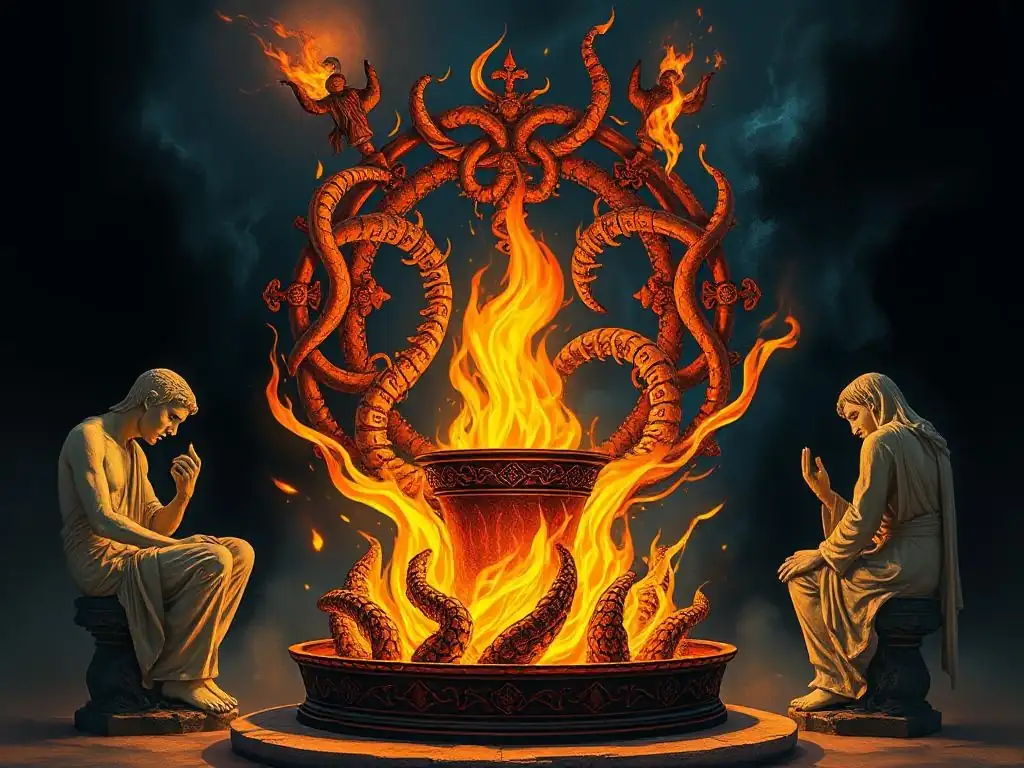
Fire is a potent and recurring symbol in purification rituals and myths of suffering. Its destructive power is seen as capable of consuming impurities, while its transformative heat can forge new forms. In many myths, suffering is likened to passing through fire – an intense, painful process that burns away flaws and leaves behind a purer essence.
Rituals involving fire, such as cremation (as with Heracles's apotheosis) or burning offerings, symbolize purification and transition. Fire purifies the physical remains or the offering, facilitating its passage to the divine realm or transforming it into something sacred. The ordeal of suffering by fire, as seen in the myth of Nanahuatzin, is the ultimate test and purifier, demonstrating the deep symbolic link between fire, suffering, and purification in many cultures' sacrifice myths purification suffering.
Water as Purification and Renewal
Water is another fundamental symbol of purification, representing cleansing, renewal, and the washing away of sin or defilement. From ritual baths and baptisms to the symbolic cleaning of sacred objects, water is used to restore purity and prepare for sacred interactions or new beginnings.
In myths, floods or journeys across water can symbolize periods of suffering or transition that lead to a renewed state. The cleansing of the Augean Stables by Heracles, using the rivers Alpheus and Peneus, is a literal act of purification through water, albeit on an immense scale. Water's ability to dissolve and wash away makes it a natural symbol for the removal of impurities, both physical and spiritual, complementing fire's transformative power in the broader theme of purification through suffering and sacrifice.
Transformation of Suffering into Virtue
A central theme in sacrifice myths purification suffering is the idea that suffering is not merely pain but a catalyst for the development of virtue. Through enduring hardship, characters often acquire patience, humility, compassion, and resilience. The trials they face refine their character, making them morally stronger and more virtuous.
This transformation suggests that suffering has intrinsic value beyond its immediate pain. It is the forge in which character is tempered. The hero who emerges from suffering is not the same person who entered it; they are purified of their weaknesses and endowed with new virtues earned through their ordeal. This concept provides a profound interpretation of suffering, viewing it as a necessary process for achieving moral and spiritual excellence.
From Myth to Modernity
Parallels Between Ancient Myths and Contemporary Narratives
The themes of sacrifice, suffering, and purification found in ancient myths resonate strongly in contemporary narratives, from literature and film to video games and even political discourse. Modern stories often feature protagonists who must undergo trials, make personal sacrifices, and endure significant suffering to achieve their goals, save others, or find redemption.
Think of the classic hero's journey structure, which involves a descent into hardship and a struggle against dark forces, mirroring the mythical descent into the underworld or the trials faced by figures like Heracles or the Hero Twins. These modern tales tap into the same archetypal patterns, suggesting that the narrative power of sacrifice myths purification suffering remains deeply ingrained in the human psyche and storytelling tradition.
The Influence on Literature, Art, and Film
The enduring power of sacrifice myths purification suffering is evident in their pervasive influence on literature, art, and film throughout history. Artists and writers have consistently drawn inspiration from these ancient narratives to explore themes of human endurance, morality, and the search for meaning in the face of adversity.
From classical tragedies depicting the downfall of heroes brought low by fate or their own flaws, to modern blockbusters where characters make ultimate sacrifices for the greater good, the motifs of suffering leading to purification or sacrifice enabling redemption are constantly reinterpreted. This continuous engagement with the themes demonstrates their timeless relevance and their capacity to speak to contemporary audiences about fundamental aspects of the human condition.
Selflessness in Modern Society: [Examples of contemporary selflessness]
While not always framed in overtly mythical or religious terms, acts of selflessness and sacrifice continue to be valued and celebrated in modern society, echoing the principles found in ancient sacrifice myths purification suffering. Examples include first responders who risk their lives to save others during emergencies like the September 11th attacks, where firefighters and police officers made the ultimate sacrifice.
Another example is the dedication of healthcare workers during pandemics, who endure immense personal risk, exhaustion, and emotional suffering to care for the sick. Parents making significant personal sacrifices for their children's well-being, or individuals dedicating their lives to charitable causes, often at great personal cost, also reflect this enduring value. These contemporary acts demonstrate that the willingness to suffer or sacrifice for others remains a powerful and recognized form of purification and moral action in the modern world.
Conclusion
Reflecting on the Transformative Potential
The exploration of sacrifice myths purification suffering reveals a powerful and persistent idea across human cultures: that suffering is not merely a negative experience but possesses profound transformative potential. Myths consistently show that enduring hardship, making sacrifices, and undergoing trials can lead to purification, growth, and a higher state of being, whether for an individual, a community, or even the cosmos.
These narratives invite us to reflect on the meaning we assign to pain and loss in our own lives. They suggest that within the struggles we face lies the opportunity for profound change, for the shedding of limitations, and for the development of inner strength and virtue. The mythical journey through suffering offers a template for understanding adversity as a crucible that refines and purifies the spirit.
The Enduring Legacy
The enduring legacy of sacrifice myths purification suffering lies in their continued relevance to the human experience. They provide a shared cultural language for discussing difficult themes like death, loss, and the price of greatness. These stories have shaped our understanding of heroism, martyrdom, and the relationship between humanity and the divine.
From ancient rituals to modern storytelling, the motifs of suffering leading to purification and sacrifice enabling redemption persist, demonstrating their deep resonance. They remind us that some values are worth suffering for and that acts of sacrifice, even those involving immense pain, can have far-reaching and transformative consequences, echoing through generations and influencing our collective consciousness.
Interpreting Sacrifice, Suffering, and Purification
Interpreting sacrifice, suffering, and purification in mythology requires looking beyond literal actions to their symbolic and psychological meanings. Sacrifice is often a metaphor for letting go of the ego or material attachments. Suffering represents the trials necessary for growth and self-awareness. Purification signifies the shedding of flaws, guilt, or limitations to achieve a state of wholeness or grace.
Ultimately, these myths offer profound insights into the human condition and our search for meaning in a challenging world. They suggest that through facing suffering and making sacrifices, we can achieve a form of purification that leads to greater wisdom, resilience, and a deeper connection to the fundamental forces of existence. The intricate relationship between sacrifice myths purification suffering continues to offer valuable lessons for understanding ourselves and the world around us.
Frequently Asked Questions
What is the role of sacrifice in purification myths?
Sacrifice often acts as a catalyst for purification, representing the relinquishing of something valued to appease deities or restore balance. This act can cleanse individuals or entire communities from sin or impurity.
How does suffering contribute to purification in mythical narratives?
Suffering is frequently depicted as a necessary ordeal that tests character and leads to spiritual growth. The endurance of pain and hardship can purify the soul and remove karmic debts.
Fire is a powerful symbol of transformation and purification in many cultures. It can represent the burning away of impurities, the cleansing of the soul, and the renewal of life.
Do purification myths always involve literal suffering, or can it be symbolic?
Purification can involve both literal physical suffering and symbolic representations of hardship. Symbolic suffering might include trials of faith, loss, or periods of isolation and introspection.
How do these sacrifice myths and the theme of purification relate to contemporary society?
These myths offer insights into human values surrounding redemption, forgiveness, and the acceptance of hardship. They continue to influence our understanding of sacrifice, morality, and the pursuit of spiritual growth in modern life.
Final Reflection: Embracing the Ember: Purification's Enduring Power
The enduring narratives of sacrifice and purification, explored throughout this article, remain profoundly relevant in our modern world. We may not face literal trials by fire, but the metaphorical struggles – the losses, the hardships, the self-imposed disciplines – continue to shape our individual and collective journeys. The very act of confronting suffering, of acknowledging its transformative potential, is a testament to the enduring human spirit.
The myths we've examined, from ancient rituals to contemporary narratives, highlight the persistent human need to find meaning in suffering. They reveal a deep-seated understanding that purification, often born from sacrifice, is not simply about expiation, but about growth, resilience, and a deeper connection to something larger than ourselves. Suffering is inevitable, but suffering needlessly is optional.
This simple truth, though often overlooked, resonates powerfully with the core message of these myths, urging us to find purpose even in the darkest of times.
Consider the echoes of these ancient narratives in your own life. What sacrifices have you made, what trials have you endured? How have these experiences, however painful, ultimately shaped you, refined you, and led you to a greater understanding of yourself and the world? Embrace the ember of purification; let the heat of your struggles forge you into something stronger, more resilient, and more deeply connected to the sacred fire within.
Ignite Your Inner Strength: Explore the Power of Transformation
Thank you for exploring the profound symbolism of suffering and purification in myth! We hope you found new perspectives on resilience and inner strength. Ready to delve deeper into this transformative journey?
- Embrace the lessons: Reflect on a personal experience that challenged you and consider how you emerged stronger. Journal your insights to unlock hidden wisdom.
- Share your thoughts: What mythical figure resonates most with your journey of transformation? Discuss it in the comments below!
- Discover related myths: Explore other cultures' interpretations of purification and suffering on our site; you might be surprised by the common threads!
Ready to uncover your own sacred fire? What personal myth are you writing?