
The Sentinel Mountains: Peaks Guarded by Mythical Beings and Spirits

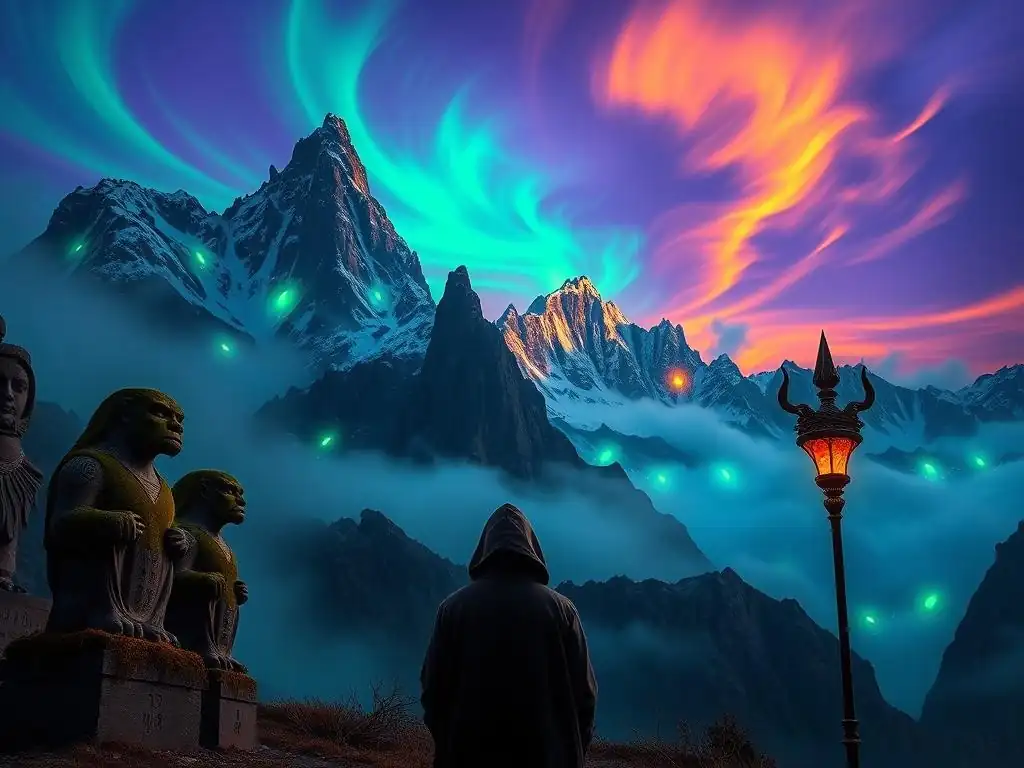
Welcome, curious wanderer, to Mythology and Legends, your gateway to the enchanted realms of folklore! Prepare to journey beyond the veil as we delve into the captivating lore surrounding Sentinel mountains mythical creature folklore. What secrets lie hidden in their towering peaks, whispered by the wind and guarded by ancient spirits? Unravel the mysteries with us and discover the powerful narratives that shape our world.
- Mount Olympus: Home of the Olympian Gods
- Introduction to Mount Olympus in Greek Mythology
-
Frequently Asked Questions
- What exactly are the Sentinel Mountains, as presented in this context?
- How does folklore connect mythical creatures to these mountain ranges?
- What role do these Sentinel Mountains play in the narratives of different cultures?
- Do contemporary societies still hold any significance to these mountains and their folklore?
- What is the relationship between "Sentinel Mountains" and the keyword "Sentinel mountains mythical creature folklore?"
- Final Reflection: Echoes of the Ancient in the Sentinel Mountains
- Unlock the Secrets of the Sentinel Mountains!
Mount Olympus: Home of the Olympian Gods
Introduction to Mount Olympus in Greek Mythology
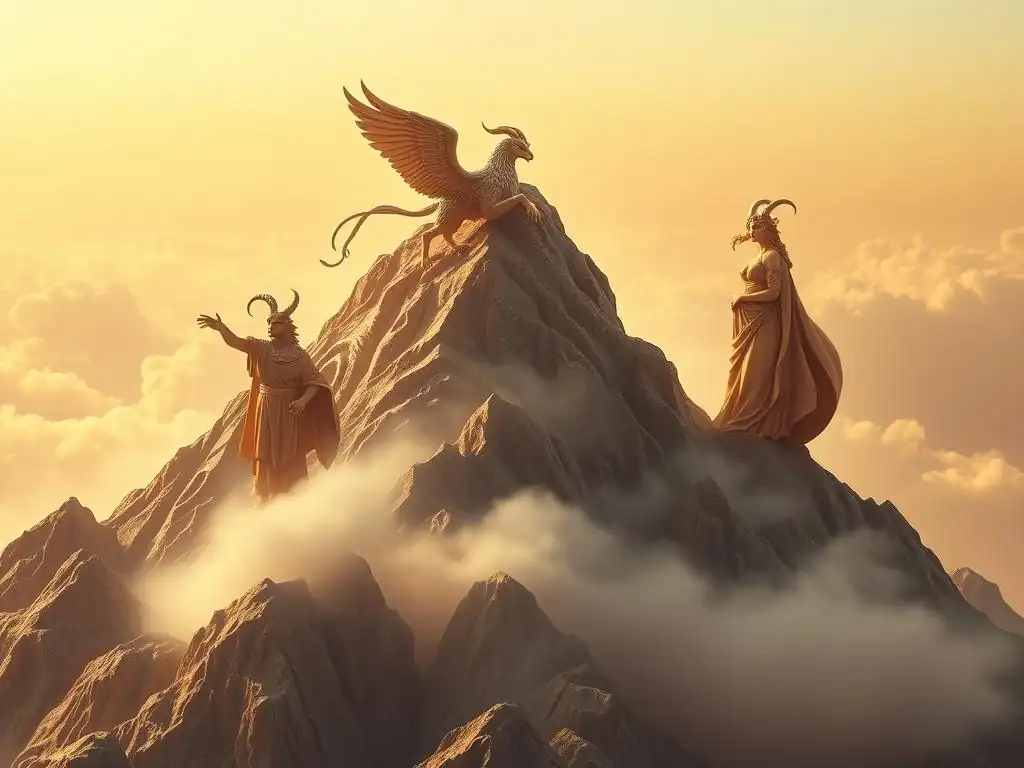
Exploring the Connection between Mountains and Divine Abodes
Across countless cultures and mythologies, mountains have held a profound significance, often regarded as sacred spaces or the very dwelling places of deities and powerful spirits. Their towering peaks, often shrouded in mist and difficult to access, naturally inspire awe and a sense of proximity to the heavens.
This inherent symbolism positions mountains not merely as geographical features but as liminal zones, acting as natural sentinels guarding the boundary between the mortal world and the divine or supernatural realms. The concept of sentinel mountains mythical creature folklore is deeply rooted in this perception, where the highest peaks are believed to be inhabited or protected by powerful, often non-human entities.
The choice of mountains as divine residences is not arbitrary; it reflects their physical characteristics – their height lifting them towards the sky, the domain of celestial bodies and often associated with supreme gods; their permanence and solidity suggesting eternal power; and their isolation reinforcing the idea of a realm separate from everyday human life. From the mythical Sumerian Mount Mashu, guarded by scorpion-men, to various peaks in Asian folklore believed to house nature spirits and immortals, the motif of mountains as homes or fortresses for mythical creatures and divine beings is widespread.
These elevated sanctuaries are often depicted as places where the laws of the mortal world do not fully apply, overseen by powerful entities who influence the world below, embodying the very essence of sentinel mountains standing watch over the world.
The Significance of Mount Olympus in Ancient Greek Religion
Mount Olympus stands as perhaps the most iconic example of a mountain serving as a divine abode in Western mythology. Located in northeastern Greece, its highest peak, Mytikas, reaches 2,917 meters, making it a commanding presence in the landscape.
For the ancient Greeks, Olympus was far more than just a mountain; it was the literal home of the Twelve Olympian Gods, the principal deities of their pantheon. This belief was central to their religious practices, worldview, and understanding of the cosmos, positioning Olympus as the spiritual and political center of the divine realm, effectively making it the ultimate sentinel mountain guarding the heavens.
The significance of Mount Olympus permeated every aspect of ancient Greek religion and culture. It was the place where Zeus, the king of the gods, ruled alongside his divine family, including Hera, Poseidon, Hades (though his realm was the underworld, Olympus was the seat of his divine power), Athena, Apollo, Artemis, Ares, Aphrodite, Hephaestus, Hermes, and Hestia or Dionysus.
Major religious festivals, rituals, and prayers were often directed towards the gods on Olympus, seeking their favor, intervention, or guidance. While temples and altars dedicated to the Olympians were spread throughout the Greek world, the mountain itself held a unique, almost mystical status as the inaccessible, sacred heart of their divine world, a true representation of sentinel mountains mythical creature folklore where the most powerful beings resided.
Frequently Asked Questions
What exactly are the Sentinel Mountains, as presented in this context?
The Sentinel Mountains are physical locations often associated with mythical creatures and spiritual guardians in folklore. These mountains are seen as sacred places.
How does folklore connect mythical creatures to these mountain ranges?
Folklore often attributes the protection or inhabitation of the Sentinel Mountains to specific mythical creatures, like giants, spirits, or dragons. These creatures are believed to guard the mountains' secrets and resources.
What role do these Sentinel Mountains play in the narratives of different cultures?
Across various cultures, the Sentinel Mountains often serve as boundaries between worlds, realms of the sacred, or locations of powerful spiritual energy. They are frequently central to creation myths and heroic journeys.
Do contemporary societies still hold any significance to these mountains and their folklore?
Yes, many contemporary societies still respect these mountains as culturally significant sites. Their folklore continues to influence art, literature, and even environmental conservation efforts.
What is the relationship between "Sentinel Mountains" and the keyword "Sentinel mountains mythical creature folklore?"
The keyword directly relates to the article's theme because it highlights the connection between geographical locations, imaginary beings, and the body of traditional beliefs and stories surrounding them.
Final Reflection: Echoes of the Ancient in the Sentinel Mountains
The enduring power of myth and folklore is vividly illustrated by the Sentinel Mountains, where ancient stories continue to resonate with modern sensibilities. These aren't just geographical features; they are living tapestries woven from generations of belief, shaping the cultural landscape and offering a profound connection to the past. The legends surrounding these peaks, passed down through oral tradition and etched into the very soul of the land, remind us of the enduring human need to find meaning in the natural world.
The Sentinel Mountains' mythical creatures and spirits are more than just fantastical beings; they represent a deep-seated human relationship with the environment, a respect for the unknown, and a recognition of forces beyond our comprehension. The land remembers what we forget,
a wise elder once told me, and this sentiment perfectly encapsulates the enduring power of these mountain legends. They serve as a constant reminder of our interconnectedness with nature and the importance of preserving the stories that bind us to our heritage.
Consider the stories you've encountered today, the myths you've heard whispered on the wind. What echoes of the ancient resonate within you? Take a moment to reflect on the power of storytelling, the enduring legacy of folklore, and the profound connection between humanity and the natural world. Let the Sentinel Mountains, with their silent guardians and whispered tales, inspire you to seek out the myths and legends in your own life, to discover the stories that shape your own personal landscape, and to pass them on to future generations. Let the echoes of the ancient continue to resound.
Unlock the Secrets of the Sentinel Mountains!
Thanks for exploring the fascinating world of the Sentinel Mountains and their legendary guardians! You've now unlocked a deeper understanding of their mythical history. Ready to take the next step?
- Dive deeper: Research local folklore surrounding the Sentinel Mountains. See what stories you can uncover beyond what's presented here! You might find surprising connections.
- Share your discoveries: Do you know other legends or stories associated with these peaks? Let us know in the comments below—we'd love to hear from you!
- Consider creating your own mythical tale: Inspired by the Sentinel Mountains, write a short story about a guardian spirit or a hidden treasure.
What untold mysteries of the Sentinel Mountains are waiting to be revealed?