
Guardians with a Price: The Cost of Their Protection and Service

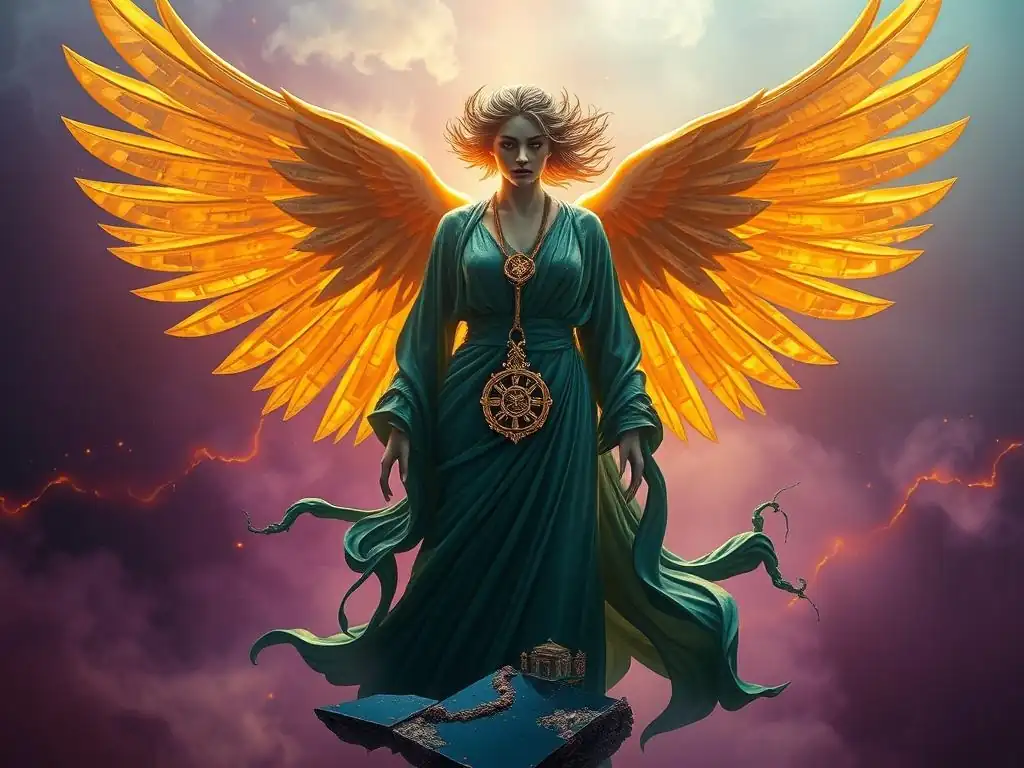
Welcome to Mythology and Legends, where the whispers of ancient tales still resonate. Ever wondered about the price of divine intervention? Guardians with a Price: The Cost of Their Protection and Service delves into the complex relationship between humanity and mythological protector spirits, exploring the sacrifices and obligations demanded in exchange for their celestial aid. Discover the true cost of protection... if you dare.
- Guardians with a Price: Exploring the True Cost of Mythological Protector Spirits
- The Price of Protection: Unveiling the Obligations of Mythological Protector Spirits
- Types of Costs Associated with Mythological Protector Spirits
- Case Studies: Examining the "Mythological Protector Spirits Cost" in Specific Legends
- Why Do Protector Spirits Demand a Price? Motivations and Justifications
- The Moral Implications of Seeking Protection from Mythical Entities
- Modern Interpretations: The Enduring Relevance of the "Mythological Protector Spirits Cost"
- Conclusion: Acknowledging the True Value and the Hidden "Mythological Protector Spirits Cost"
-
Frequently Asked Questions
- What are Mythological Protector Spirits and what do they do?
- What kind of " price" or cost is associated with their protection?
- Why would someone seek the aid of a Mythological Protector Spirit despite the potential cost?
- How does the " cost" of a protector spirit's service impact the narrative of the myth or legend?
- Are there examples of Mythological Protector Spirits where the "price" is considered too high, leading to negative outcomes?
- Final Reflection: The Enduring Weight of Protection
- Unleash Your Inner Mythological Guardian!
Guardians with a Price: Exploring the True Cost of Mythological Protector Spirits
Introduction: The Allure and Responsibility of Mythical Guardians
Across human history and culture, tales abound of powerful entities – spirits, deities, mythical beasts – who offer protection, guidance, or aid to mortals. These mythological protector spirits, whether benevolent nature spirits, wise ancestral guides, or formidable cosmic beings, capture the imagination with promises of safety from harm, success in endeavors, or wisdom in times of need.
From the household kami of Shinto folklore safeguarding families to the mighty dragons guarding ancient treasures or lands, the concept of a supernatural patron is deeply ingrained in global narratives. However, these relationships are rarely one-sided; the protection offered often comes with significant obligations and demands, revealing the complex and often steep mythological protector spirits cost.
The decision to seek or accept the aid of such a guardian is presented in myths not merely as a simple transaction but as a profound alliance carrying inherent responsibility. Unlike passive forces, these entities are often portrayed as possessing intricate personalities, motivations, and expectations.
Their intervention in the mortal realm, while potentially life-saving or prosperity-bringing, necessitates a balance, a cosmic equilibrium that requires compensation. Understanding this dynamic is crucial to appreciating the full scope of these mythological alliances, moving beyond the simple desire for safety to confront the tangible and intangible price that must be paid for divine or supernatural favor and protection.
The Price of Protection: Unveiling the Obligations of Mythological Protector Spirits
Understanding the Concept of Reciprocity in Mythological Agreements
The core principle governing the relationship between mortals and mythological protector spirits is reciprocity. This isn't simply a matter of payment for services rendered but a fundamental cosmic law in many mythologies, dictating that energy, favor, or power cannot flow in one direction indefinitely without imbalance.
Ancient Greek philosophy, for instance, often touched upon the concept of kharis, a complex term encompassing grace, favor, and gratitude, implying a reciprocal relationship between gods and mortals where acts of piety or sacrifice were expected in return for divine blessings. This understanding underlies much of the mythological protector spirits cost – the idea that receiving a benefit necessitates giving something in return to maintain balance.
This concept is evident in various cultural practices documented throughout history. In many animistic traditions, offerings are made to nature spirits before taking resources from the land, not just as a sign of respect, but as a form of reciprocal exchange to ensure continued harmony and the spirit's ongoing benevolent presence.
Similarly, in Norse mythology, the exchange between gods and humans often involved oaths, fealty, and sacrifices, forging bonds that demanded loyalty and action from both sides. The protection offered by figures like Odin or Thor was contingent upon warriors upholding certain values and performing specific rites, illustrating that the perceived mythological protector spirits cost was deeply intertwined with the moral and social fabric of the community.
The Burdens Carried: Sacrifices and Commitments of Guardian Entities
While focusing on the cost to the protected is vital, it's also important to acknowledge that mythological protector spirits themselves often bear burdens or make sacrifices as part of their protective role. Myths frequently depict these entities expending significant energy, diverting their attention from other cosmic duties, or even enduring hardship or conflict on behalf of their charges.
Athena, the Greek goddess of wisdom and strategic warfare, consistently intervened to protect heroes like Odysseus, a task that required her direct involvement and opposition to other divine powers like Poseidon. This divine effort represents a form of "cost" to the spirit, justifying their demands on mortals.
Furthermore, some guardian spirits are bound by ancient pacts or inherent natures that compel them to protect certain places, objects, or lineages, often at the expense of their own freedom or desires. Dragons guarding hoards, for instance, are often depicted as being almost enslaved by their avarice and the need to protect their wealth, a perpetual state of vigilance that isolates them and makes them targets.
The Norns in Norse mythology, while not strictly protectors of individuals, are guardians of fate itself, a heavy burden requiring constant weaving and maintenance of the cosmic tapestry, demanding their perpetual, arduous labor. These examples underscore that the mythological protector spirits cost is not solely borne by humans but is part of a larger, often demanding, cosmic order that affects the guardians as well.
Types of Costs Associated with Mythological Protector Spirits

Material Offerings: Appeasing Spirits with Gifts and Rituals
One of the most common and tangible forms of mythological protector spirits cost involves material offerings. Throughout history, people have sought to appease or gain favor with spirits and deities by presenting gifts. These could range from simple foodstuffs and libations to precious metals, jewels, weapons, or even grand structures like temples and shrines.
The scale and nature of the offering often reflected the perceived power or demands of the entity. For example, historical records from ancient Babylon describe elaborate daily offerings of food, drink, and incense made to the statues of deities in temple complexes, involving significant portions of the city's agricultural and economic output – a clear and substantial material cost for divine favor and protection.
Similarly, in various forms of folklore and traditional practices still observed today, leaving offerings at specific sites associated with spirits – such as leaving coins or ribbons at a sacred well, or placing food and drink at a household altar for ancestral spirits or local deities – are considered essential acts. While perhaps small on an individual scale, the cumulative effect of these offerings represents a continuous flow of resources dedicated to maintaining the favor of these guardians.
This practice highlights that the mythological protector spirits cost isn't always a one-time payment but can be an ongoing tribute, a material acknowledgment of the spirit's presence and protective influence in one's life or community.
Spiritual Debt: The Energetic Exchange for Divine Favor
Beyond the material, a significant mythological protector spirits cost is incurred on a spiritual or energetic level. This can manifest as oaths, vows, or promises made in exchange for aid, creating a form of spiritual debt that binds the supplicant. Breaking such a vow or failing to uphold a promise made to a powerful spirit or deity is often depicted in myths as having severe, sometimes catastrophic, consequences, ranging from loss of the guardian's favor to active retribution. The weight of this obligation represents a constant pressure, a non-physical burden carried by the protected individual or community.
In many myths, heroes or figures who receive divine aid are expected to live a life that honors their patron, embodying their values or pursuing their goals. This isn't just a matter of gratitude but a spiritual alignment, an energetic commitment. A warrior blessed by a war deity might be expected to always fight bravely, or a ruler favored by a god of justice might be bound to rule fairly.
Failure to meet these spiritual expectations disrupts the energetic exchange, incurring the mythological protector spirits cost in the form of divine displeasure or withdrawal of protection. This type of cost is less visible than material offerings but can be far more pervasive, influencing every aspect of the protected individual's life and choices.
Personal Sacrifices: The Human Cost of Guardian Alliances
Perhaps the most profound mythological protector spirits cost is the personal sacrifice demanded from those who seek their aid. These sacrifices can be deeply personal and painful, involving giving up something of immense value to the individual, be it a cherished possession, a relationship, freedom, or even a part of oneself. Myths are replete with examples of such demands. Rumpelstiltskin, a type of nature spirit or imp, demands a queen's firstborn child as payment for spinning straw into gold, illustrating a terrifying personal cost for seemingly miraculous aid.
Other forms of personal sacrifice might involve enduring hardship, undertaking dangerous quests, or dedicating one's life entirely to the service of the guardian. Heroes often face trials and tribulations orchestrated or permitted by their divine patrons to test their resolve or fulfill a part of the bargain. The emotional and psychological toll of these demands – the fear, the loss, the constant pressure to prove oneself worthy – constitutes a significant, often overlooked, mythological protector spirits cost. It highlights that the protection offered by these powerful entities rarely comes without a deep, often life-altering, personal price.
Case Studies: Examining the "Mythological Protector Spirits Cost" in Specific Legends
The Price of Dragon's Protection: Analyzing Smaug's Hoard and its Consequences
While Smaug from Tolkien's legendarium is primarily a guardian of a hoard rather than a protector spirit of people, his story powerfully illustrates the cost associated with such entities and the wealth they guard. Smaug's immense hoard, stolen from the dwarves of Erebor, represents the dragon's primary focus and the source of his power and identity.
His protection of this wealth is absolute and violent, driving him to destroy anyone who approaches. The cost here is multifaceted: for Smaug, it is a form of imprisonment, bound perpetually to his gold; for the dwarves, the cost was the loss of their home, their kingdom, and countless lives in the initial attack and the subsequent attempts to reclaim it.
The presence of such a powerful, covetous guardian and the immense wealth it protects doesn't just represent a physical barrier; it creates a zone of spiritual and physical blight. The land around Erebor becomes desolate, and the wealth itself is cursed, bringing misfortune to those who covet it or try to take it without earning it (as seen with Thorin's gold-sickness).
This narrative powerfully demonstrates that the "protection" offered by a powerful, selfish entity like Smaug comes at a catastrophic mythological protector spirits cost for everyone involved, turning a place of prosperity into a graveyard and a source of wealth into a source of ruin. The true price wasn't just the initial loss, but the enduring fear, the displacement, and the moral compromises required to even attempt to confront the guardian.
The Bargain with the Djinn: Exploring the Twisted Wishes and Their Repercussions
The tales of Djinn (or Genies) from Arabian folklore are classic examples of seeking powerful, quasi-protective entities and the often-disastrous mythological protector spirits cost. Djinn are spirits capable of granting wishes or performing incredible feats, offering a form of temporary, potent protection or aid. However, their nature is often ambivalent or outright malicious, and the "cost" of their service is frequently embedded within the wish itself or its unexpected, negative consequences. A wish for wealth might result in the death of a loved one whose inheritance is received; a wish for power might lead to tyranny and isolation.
The bargain with a Djinn highlights that the mythological protector spirits cost isn't always an upfront payment but can be a hidden clause, a twisted interpretation of the request that serves the Djinn's own inscrutable purposes or simply their chaotic nature. The protected individual receives their wish, their form of "protection" or advantage, but at a personal, moral, or existential cost far greater than anticipated.
These stories serve as cautionary tales, emphasizing that aligning with such powerful, unpredictable entities, even for seemingly beneficial outcomes, carries an inherent risk where the true price is revealed only after the deal is struck.
The Siren's Song: The Cost of Alluring Protection and its Deadly Outcome
Sirens in Greek mythology, while often seen as temptresses, can also be interpreted as guardians of a treacherous sea passage, whose song offers a form of "guidance" or allure towards their domain. Their protection, if it can be called that, is against the dangers of the open sea, drawing sailors towards their island. However, the mythological protector spirits cost here is absolute and fatal: the sailors are lured to their deaths. The Siren's song, beautiful and seemingly helpful, is a deceptive lure, a form of protection that leads directly to destruction.
The cost is paid by the sailors, who lose their lives, ships, and futures. For the Sirens, their "cost" or existence is tied to this act of luring, a perpetual, perhaps even involuntary, function of their nature. This example starkly illustrates that the mythological protector spirits cost can be the ultimate price – life itself – paid for a perceived benefit or guidance that is, in reality, a deadly trap. It serves as a powerful metaphor for the dangers of blindly trusting powerful, alluring forces without understanding their true nature and the ultimate price of their "protection."
Why Do Protector Spirits Demand a Price? Motivations and Justifications
Maintaining Balance: The Cosmic Equilibrium and the Need for Exchange
One primary reason mythological protector spirits demand a price is to maintain cosmic balance. Many mythologies operate on principles of equilibrium, where actions in one realm affect others, and power or favor cannot be simply given away without consequence. The universe is often depicted as a complex system of give and take, and the interaction between powerful spirits and mortals is subject to these rules.
Receiving protection or aid from a spirit creates an imbalance, a debt that must be repaid to restore equilibrium. This mythological protector spirits cost is thus not arbitrary but a necessary function of the cosmic order.
In some traditions, this balance is tied to the flow of energy. Spirits might expend their own energy to intervene in the mortal world, and the offerings or sacrifices from humans are seen as a way to replenish that energy or provide a reciprocal flow.
This ensures that the spirit is not depleted and can continue to perform its duties, including protection. The cost, therefore, is justified as essential upkeep for the cosmic machinery and the spirit's ability to continue providing aid, preventing a collapse of the established order where powerful entities could simply dispense unlimited favors without any form of energetic or material exchange.
Testing Worthiness: Proving Devotion and Commitment to the Guardian
Another motivation behind demanding a mythological protector spirits cost is to test the worthiness and commitment of those seeking aid. Powerful entities may require proof that the supplicant is sincere in their need and dedicated to the relationship. The demands – whether arduous tasks, difficult sacrifices, or unwavering loyalty – serve as trials. Only those willing to pay the price, to demonstrate their devotion through action and sacrifice, are deemed worthy of the spirit's continued protection and favor.
This testing mechanism ensures that the guardian's power and resources are not wasted on those who are fickle, ungrateful, or not truly committed to the alliance. It establishes the seriousness of the relationship and the high stakes involved. A hero undertaking a perilous quest set by their divine patron is not just performing a task; they are proving their courage, loyalty, and determination, thereby justifying the favor they have received and securing future aid. The mythological protector spirits cost in this context is a rite of passage, a demonstration of character essential for forging a strong and enduring bond.
Power Dynamics: Establishing Hierarchy and Control in the Relationship
Demanding a price also serves to establish and reinforce the power dynamics between the mythological protector spirit and the mortal. By requiring offerings, sacrifices, or obedience, the spirit asserts its authority and superiority in the relationship. The act of paying the cost is an acknowledgment of the spirit's power and the supplicant's dependence on their favor. This is not necessarily malicious but can be a fundamental aspect of how these hierarchical relationships are structured in various mythologies.
This control ensures that the mortal partner does not take the spirit's aid for granted or attempt to manipulate the relationship. The demands act as a constant reminder of the spirit's power and the conditional nature of their protection. It maintains the established order, where the spirit is the benefactor and the mortal is the recipient of favor, bound by obligation. The mythological protector spirits cost, in this light, is a tool for governance within the spiritual relationship, ensuring respect, obedience, and the maintenance of the proper hierarchy between the divine or supernatural and the human realms.
The Moral Implications of Seeking Protection from Mythical Entities

The Ethical Dilemma: Weighing the Benefits Against the Potential Harm
Seeking protection from mythological entities presents a significant ethical dilemma, forcing individuals to weigh the potential benefits against the inherent risks and mythological protector spirits cost. Is the promise of safety, power, or wealth worth the demands made in return, especially when those demands involve significant personal sacrifice, moral compromise, or potential harm to oneself or others? Myths often explore this very question, showcasing characters who gain greatly from such alliances but ultimately pay a terrible price, suggesting that some costs are too high.
The ethical challenge lies in discerning the true nature and intentions of the spirit, understanding the full extent of the obligations, and assessing one's capacity and willingness to meet those demands. Blindly entering into pacts or seeking aid without considering the potential mythological protector spirits cost can lead to tragic outcomes. The stories serve as warnings about the seductive nature of power and protection and the moral responsibility that comes with engaging with forces beyond ordinary human understanding and control.
One of the key moral lessons embedded in tales of mythological guardians is the illusion of free protection. Nothing truly valuable is obtained without some form of exchange, and supernatural aid is no exception. The perceived "free" protection often comes with hidden costs that are not immediately apparent but reveal themselves over time, sometimes in devastating ways. These hidden costs can include unforeseen consequences of granted wishes, the gradual erosion of personal autonomy, or the accumulation of spiritual debt that weighs on the soul.
Understanding the mythological protector spirits cost means looking beyond the immediate benefit to the long-term implications. It requires recognizing that a guardian's favor might come with subtle but significant changes to one's fate, relationships, or character. The ease of receiving aid might mask a deeper dependency or a slow forfeiture of self. This awareness is crucial for navigating the complex landscape of spiritual alliances and avoiding the trap of believing that powerful help comes without a significant, often concealed, price tag.
The Responsibility of the Protected: Upholding Agreements and Maintaining Respect
Implicit in the relationship with mythological protector spirits is the responsibility of the protected individual or community to uphold their end of the agreement and maintain respect for the guardian. Failure to meet obligations, whether material, spiritual, or personal, is not merely a breach of contract but an act of disrespect towards a powerful entity. This can lead to the withdrawal of protection, divine punishment, or even turning the guardian into an adversary.
This responsibility extends beyond simply fulfilling the terms of a bargain; it often involves living in a manner that honors the spirit and the values it represents. It requires ongoing effort, vigilance, and a conscious commitment to the relationship. The mythological protector spirits cost is not just the initial payment but the continuous effort required to maintain the guardian's favor and respect their power. This emphasizes that seeking protection is not a passive act but an active, ongoing commitment that demands integrity and adherence to the established terms of the alliance.
Modern Interpretations: The Enduring Relevance of the "Mythological Protector Spirits Cost"
Psychological Perspectives: Exploring the Symbolic Meaning of Sacrifices and Obligations
In modern interpretations, the concept of mythological protector spirits and their associated costs can be explored through psychological lenses. The "protector spirit" can be seen as symbolizing aspects of the psyche – perhaps the superego, an internal guide, or a powerful archetype – while the "cost" represents the psychological effort, compromises, or sacrifices required for personal growth, achieving goals, or maintaining internal balance. For example, aligning with an ambitious, driven "inner spirit" might require sacrificing leisure time or personal relationships (the "cost") to achieve success.
The material, spiritual, and personal costs in myths can be interpreted as symbolic representations of the real-world sacrifices needed to gain something valuable, whether it's dedicating countless hours to master a skill, giving up instant gratification for long-term gain, or confronting uncomfortable truths about oneself. The mythological protector spirits cost, viewed psychologically, highlights the internal negotiations and exchanges that occur as individuals strive for security, power, or fulfillment, recognizing that these pursuits invariably demand effort, discipline, and often, forms of personal sacrifice.
Contemporary Parallels: Identifying Similar Dynamics in Modern Relationships and Power Structures
The dynamics of seeking protection and paying a mythological protector spirits cost are not confined to ancient myths; they have striking parallels in modern relationships and power structures. Individuals and groups often seek protection, patronage, or favor from powerful entities – be they governments, corporations, influential individuals, or social groups. This protection or benefit rarely comes without obligations, expectations, and costs.
Consider political lobbying: businesses or interest groups offer financial contributions or other forms of support (the "material offering" or "cost") in exchange for favorable legislation or protection from regulations (the "protection"). Employee-employer relationships involve an exchange of labor and loyalty ("personal/spiritual cost") for a salary and job security ("protection").
Even personal relationships can involve unspoken costs, where support or affection is exchanged for emotional labor, compromise, or adherence to certain expectations. Examining the mythological protector spirits cost provides a framework for understanding these contemporary dynamics, revealing the timeless nature of reciprocal relationships with those who hold power and the inherent price of seeking their favor or protection.
Reflecting on the Balance Between Seeking Aid and Accepting Responsibility
The exploration of mythological protector spirits and their associated costs reveals a fundamental truth woven into the fabric of human storytelling: powerful aid rarely comes without a price. From ancient offerings to profound personal sacrifices, the mythological protector spirits cost underscores the principle of reciprocity and the complex dynamics inherent in alliances between mortals and supernatural entities. These narratives serve not just as fantastical tales but as profound allegories for the exchanges, obligations, and responsibilities that permeate life itself.
Understanding the varied forms of mythological protector spirits cost – material, spiritual, and personal – is crucial for appreciating the depth and nuance of these mythological relationships. It moves beyond a simplistic view of benevolent guardians to acknowledge the demands they place and the burdens they carry.
Reflecting on these costs encourages us to consider the balance between seeking external aid and accepting personal responsibility, reminding us that true strength and security often involve understanding the full price of the protection we seek and being prepared to meet its demands with integrity and awareness. The enduring relevance of these myths lies in their timeless lesson: every form of protection, whether divine or mundane, carries a cost that must be acknowledged and, often, paid.
Frequently Asked Questions
What are Mythological Protector Spirits and what do they do?
Mythological Protector Spirits are supernatural beings from folklore and legends across various cultures. They offer protection and guidance, often in exchange for something.
What kind of " price" or cost is associated with their protection?
The "price" varies greatly. It can range from simple offerings and rituals to complex oaths and sacrifices, depending on the spirit and the culture.
Why would someone seek the aid of a Mythological Protector Spirit despite the potential cost?
People seek their aid in times of great need or danger, hoping for supernatural assistance that they cannot obtain through ordinary means.
How does the " cost" of a protector spirit's service impact the narrative of the myth or legend?
The cost often introduces moral dilemmas and consequences, forcing characters to make difficult choices that shape the story and explore themes of sacrifice and obligation.
Are there examples of Mythological Protector Spirits where the "price" is considered too high, leading to negative outcomes?
Yes, many myths feature stories where the demands of the spirit become excessive or harmful, leading to tragedy and the downfall of those who sought their protection.
Final Reflection: The Enduring Weight of Protection
The unwavering loyalty of mythological protector spirits, as explored throughout this article, remains a potent metaphor for the sacrifices inherent in safeguarding others, a theme profoundly relevant in our own complex world. We see echoes of this in the tireless work of first responders, the dedication of military personnel, and even the everyday acts of selfless care within our communities. The price of protection, whether supernatural or human, is often steep, demanding a constant vigilance and a willingness to bear burdens unseen.
The exploration of these mythical figures has illuminated the enduring human fascination with the concept of guardianship and the inherent tension between the need for protection and the cost of providing it. This fascination speaks to a deep-seated desire for security and a recognition of our own vulnerability. The price of freedom is eternal vigilance,
a sentiment often attributed to Winston Churchill, perfectly encapsulates this ongoing struggle. The myths themselves serve as cautionary tales, reminding us to appreciate the sacrifices made on our behalf and to consider the ethical implications of seeking protection at any cost.
Consider the weight of responsibility these mythical protectors carry, and reflect on the sacrifices you make, both large and small, to protect those you love. What price are you willing to pay for the security and well-being of others? This is not a question with a simple answer, but one that deserves careful consideration. Let the stories of these mythological guardians inspire you to act with courage, compassion, and a deep understanding of the true cost of protection, both for yourself and for those you serve.
Unleash Your Inner Mythological Guardian!
Thanks for exploring the fascinating world of guardians and the price they pay! You've gained valuable insights into their sacrifices and the complexities of their roles. Now, let's take this journey further.
- Dive deeper: Research your favorite mythological guardian and share their story in the comments below – let's build a community of mythological experts! This is your chance to shine.
- Craft your own guardian: Design a unique guardian, complete with backstory, powers, and weaknesses. What would their price be?
- Share this article: Spread the knowledge! Let your friends discover these captivating figures from mythology.
What unique challenges would your own created guardian face in today's world? Let's discuss!