
Gilgamesh & Enkidu: Brotherhood Forged in Battle

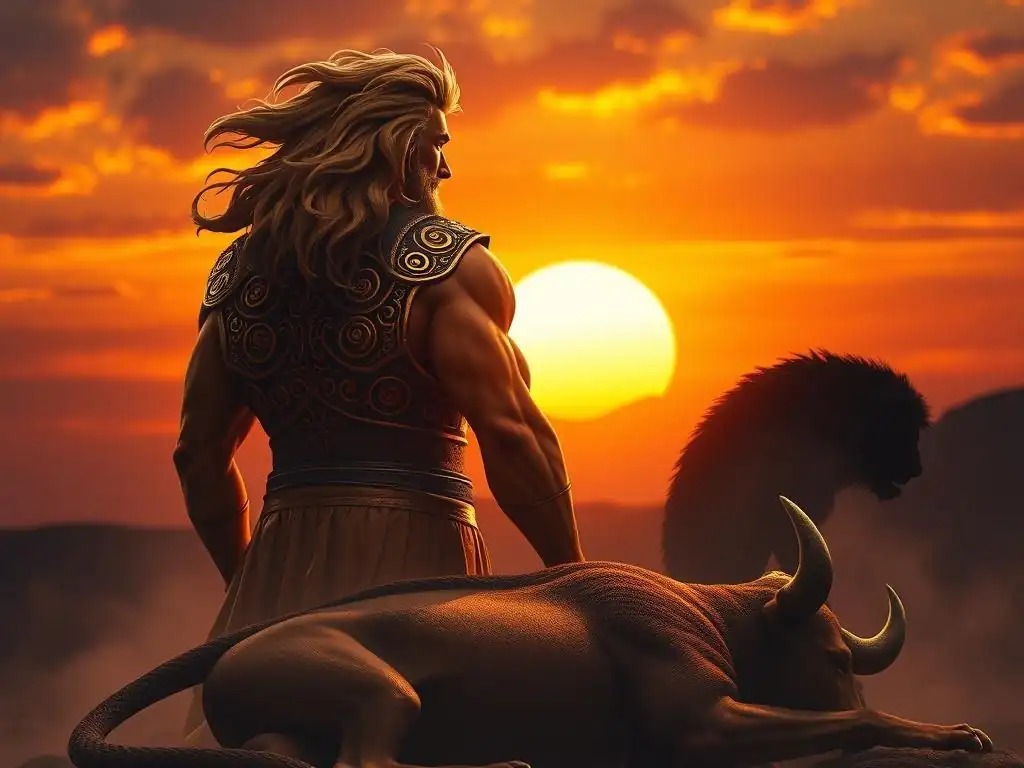
Welcome to Mythology and Legends, where we unravel the ancient tapestries of human imagination. Ever wondered about the unbreakable bonds forged in the crucible of legend? Dive into the epic tale of Gilgamesh and Enkidu, a friendship born from conflict and destined to shape the very foundations of civilization. Prepare to explore the depths of this timeless narrative and discover how this enduring legend continues to resonate in our world today.
- The Epic of Gilgamesh: Setting the Stage for a Legendary Friendship
- Enkidu's Arrival: A Wild Man Challenges the King
- The Battle of Gilgamesh and Enkidu: A Turning Point
- The Formation of a Legendary Bond: Gilgamesh and Enkidu's Friendship
- The Cedar Forest Adventure: Facing Humbaba Together
- The Death of Enkidu: A Devastating Loss for Gilgamesh
- The Impact of Enkidu's Death on Gilgamesh's Transformation
- Gilgamesh and Enkidu's Friendship: A Timeless Tale of Brotherhood
- Exploring the Themes of Friendship and Mortality in the Epic
-
Frequently Asked Questions
- What is the Gilgamesh Enkidu friendship legend about?
- Where does the story of Gilgamesh and Enkidu originate?
- What role does battle play in forming the Gilgamesh Enkidu friendship?
- How did the Gilgamesh Enkidu friendship legend impact Mesopotamian society?
- What is the significance of Enkidu's death in the Gilgamesh Enkidu friendship legend?
- Final Reflection: The Enduring Legacy of Gilgamesh and Enkidu's Bond
- Unleash Your Inner Hero: Embrace the Epic!
The Epic of Gilgamesh: Setting the Stage for a Legendary Friendship
Exploring the Historical and Mythological Context of Gilgamesh
The Epic of Gilgamesh is one of the oldest known works of literature, originating in ancient Mesopotamia, specifically Sumer. While the figure of Gilgamesh is rooted in historical accounts as a king of Uruk around 2700-2500 BCE, the epic weaves together history with rich mythological elements, placing it firmly within the realm of legend.
The narrative evolved over centuries, beginning with independent Sumerian poems about Gilgamesh and culminating in the Akkadian version compiled by Sîn-lēqi-unninni around the 12th to 10th centuries BCE. This context is crucial for understanding the world in which the Gilgamesh Enkidu friendship legend unfolds, a world where gods actively intervened in human affairs and heroes were expected to perform prodigious feats.
Ancient Mesopotamian society, the backdrop for this epic, was deeply polytheistic, with a vast pantheon of gods and goddesses overseeing various aspects of life, nature, and destiny. Deities like Anu (god of the sky), Enlil (god of the wind and earth), Ishtar (goddess of love and war), and Shamash (sun god and god of justice) play significant roles in the narrative, often dictating events or responding to the actions of mortals like Gilgamesh and Enkidu.
The epic reflects the worldview of this era, where human life was transient and subject to the divine will, and the pursuit of lasting fame or even immortality was a central concern against the backdrop of inevitable death. This divine influence is a constant factor shaping the events and challenges faced by the protagonists, ultimately leading to the formation and testing of the Gilgamesh Enkidu friendship legend.
The Reign of Gilgamesh: From Tyrant to Hero?
The epic introduces Gilgamesh not as a benevolent ruler, but as a powerful, arrogant, and oppressive king of Uruk. Described as two-thirds god and one-third human, Gilgamesh possessed immense physical strength and beauty, but he used his power to exploit his people. The text details how he would take young men for forced labor and assert his "right of the first night" over brides, causing great distress among the citizens. His unchecked tyranny led the people of Uruk to cry out to the gods for relief from their king's excesses.
In response to the pleas of Uruk's inhabitants, the great god Anu heard their lament and instructed Aruru, the mother goddess, to create a being who could match Gilgamesh's strength and temper his wild nature. This divine intervention sets the stage for the introduction of Enkidu, the wild man, specifically designed to challenge Gilgamesh.
The transformation of Gilgamesh from this early portrayal as a tyrant to the hero who embarks on epic quests alongside Enkidu is a central arc of the story, directly triggered by the arrival of his destined companion. The initial portrayal highlights the need for a counterbalance to Gilgamesh's power, which Enkidu is created to provide, paving the way for the Gilgamesh Enkidu friendship legend to begin.
Enkidu's Arrival: A Wild Man Challenges the King
Enkidu's Origins: Created to Temper Gilgamesh's Pride
Enkidu's creation is a direct response from the gods to the suffering of the people of Uruk under Gilgamesh's tyrannical rule. The goddess Aruru, upon hearing the people's cries, washes her hands, takes a pinch of clay, and molds Enkidu in the image of the god Anu. He is described as a primitive, wild man, living among the animals of the steppe. His body is covered in hair, he eats grass with the gazelles, and drinks water at the watering holes with the beasts. He is a force of nature, untamed and unaware of human civilization.
His existence disrupts the lives of local hunters, who find their traps sprung and their pits filled in by this powerful wild man. One hunter, terrified by Enkidu's strength and connection to the wild animals, seeks Gilgamesh's help. Gilgamesh, advised by his father, sends Shamhat, a temple prostitute (a figure of civilization and sensuality in the epic), to tame Enkidu.
Through their interaction over several days, Enkidu loses his wild nature and his connection to the animals, while gaining human understanding and desires. This taming is essential; it makes him ready to leave the wilderness and confront Gilgamesh in Uruk, setting the scene for the legendary Gilgamesh Enkidu friendship.
The First Encounter: Gilgamesh and Enkidu Clash in Uruk
Word of Enkidu's existence and his journey towards Uruk reaches Gilgamesh through dreams interpreted by his mother, Ninsun. These dreams foreshadow the arrival of a powerful companion, someone who will be like a brother to him. Enkidu arrives in Uruk just as Gilgamesh is about to assert his customary right over a new bride. Enkidu, having learned of human customs and injustice from Shamhat, stands in the doorway to block Gilgamesh's path, outraged by the king's tyrannical behavior.
This confrontation leads to a fierce and prolonged wrestling match in the public square of Uruk. The two mighty beings grapple with incredible strength, shaking the city. Gilgamesh, though renowned for his power, finds Enkidu to be a formidable opponent, the only one capable of matching him. The battle is described as intense, testing the limits of both figures.
Ultimately, Gilgamesh manages to throw Enkidu, but Enkidu acknowledges Gilgamesh's divine nature and superior strength. Instead of resentment, a mutual respect is born from this epic struggle. This initial clash, born of opposition, is the crucible from which the deep and enduring Gilgamesh Enkidu friendship legend begins to form.
The Battle of Gilgamesh and Enkidu: A Turning Point
From Rivals to Allies: The Shift in Their Relationship
The wrestling match between Gilgamesh and Enkidu in the heart of Uruk marks the pivotal moment where their relationship transforms from rivalry to profound companionship. After Gilgamesh prevails, Enkidu acknowledges his strength, saying, "As one unique did your mother bear you, and you are the wild ox of the corral!" This recognition is not defeat, but acceptance of Gilgamesh's kingly power and divine lineage. Gilgamesh, in turn, sees in Enkidu an equal, a peer whose strength and spirit match his own. The anger and opposition dissipate, replaced by admiration and respect forged in the heat of battle.
Following their fight, they embrace and become inseparable friends. The people of Uruk, who had initially feared Enkidu as a strange, wild man, now celebrate the bond formed between him and their king. This unexpected alliance benefits Uruk, as Gilgamesh's restless energy and strength are now channeled into constructive endeavors alongside his new companion, rather than being used to oppress his people. The shift from antagonists to the closest of allies is the very foundation of the Gilgamesh Enkidu friendship legend, setting the stage for their joint adventures and shared destiny.
Understanding the Significance of Their Fight: The Taming of the Wild and Acceptance
The battle between Gilgamesh and Enkidu is deeply symbolic. It represents the clash between untamed nature (Enkidu) and civilized, albeit tyrannical, power (Gilgamesh). Enkidu's defeat signifies the taming of the wild man, his integration into human society and the world of Uruk. However, it is not a simple conquest; it is a mutual taming. Enkidu challenges Gilgamesh's excess and forces him to acknowledge a power equal to his own, humbling the arrogant king.
More importantly, the fight is an act of mutual recognition and acceptance. Through physical struggle, they understand each other's strength, resilience, and spirit in a way that words never could. Gilgamesh finds in Enkidu the companion he lacked, someone who can stand beside him, challenge him, and share the burden of his immense power and restless spirit.
Enkidu finds acceptance and belonging in Uruk and in his bond with Gilgamesh, a connection he lost when he was separated from the animals. This foundational conflict solidifies their bond, demonstrating that true friendship can be forged through challenge and mutual respect, a core message of the Gilgamesh Enkidu friendship legend.
The Formation of a Legendary Bond: Gilgamesh and Enkidu's Friendship
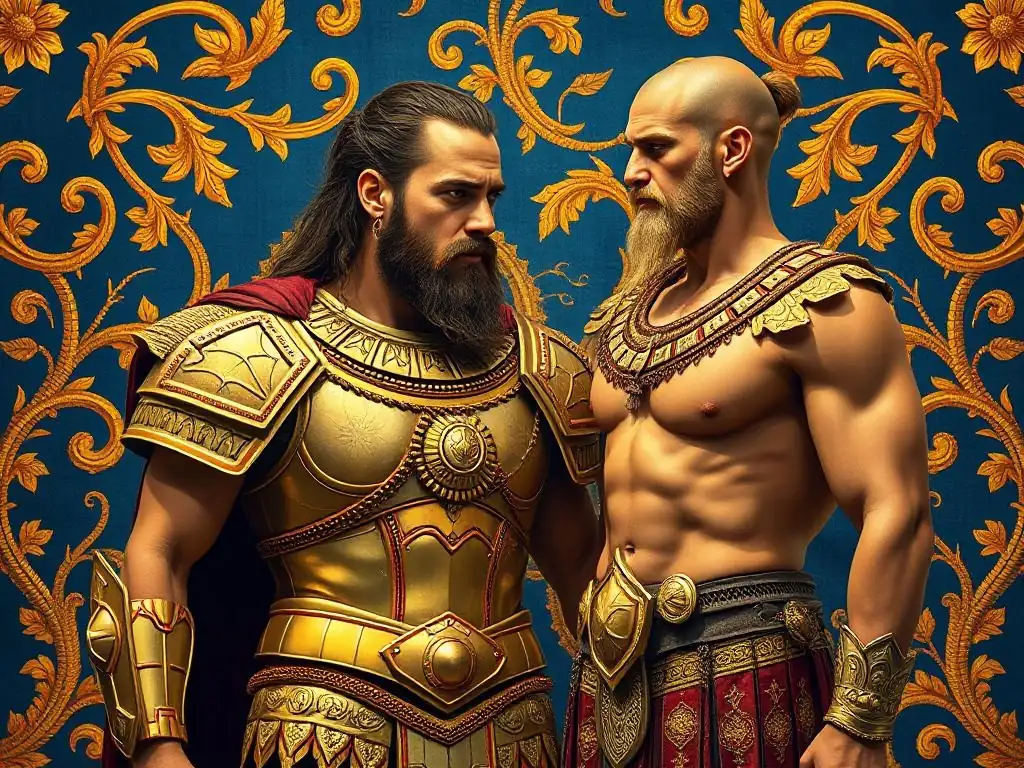
With their bond established, Gilgamesh and Enkidu embark on a series of epic adventures that further solidify their friendship and brotherhood. Gilgamesh, restless and seeking fame to escape the inevitability of death, proposes a dangerous journey to the Cedar Forest to defeat the monstrous guardian, Humbaba. Enkidu, though initially hesitant and aware of Humbaba's fearsome power, agrees to accompany his friend. This shared quest, fraught with peril and divine opposition, becomes a proving ground for their loyalty and courage.
Their adventures involve facing terrifying creatures and overcoming immense obstacles, relying on each other's unique strengths. Gilgamesh's kingly authority and divine lineage combine with Enkidu's knowledge of the wild and raw power. For example, during their journey to the Cedar Forest, Enkidu interprets Gilgamesh's disturbing dreams, offering reassurance and guidance. In battle, they fight side-by-side, protecting each other from harm. These shared trials are essential; they move their relationship beyond mutual respect born of combat to a deep, unwavering bond of brotherhood, illustrating the strength of the Gilgamesh Enkidu friendship legend.
The Quest for Immortality: A Journey Driven by Friendship
While the initial quest to the Cedar Forest is driven by Gilgamesh's desire for fame, the later, more profound quest for immortality is tragically spurred by the death of Enkidu. After defeating Humbaba and the Bull of Heaven (sent by the goddess Ishtar), the gods decree that one of the heroes must die as punishment for their actions. Enkidu is chosen, falling ill and suffering a slow, agonizing death. Witnessing his beloved friend's demise and the decay of his body, Gilgamesh is utterly devastated and confronts the terrifying reality of his own mortality.
Enkidu's death transforms Gilgamesh's perspective. The pursuit of fame becomes secondary to an overwhelming fear of death and a desperate search for eternal life. He leaves Uruk, shedding his royal garments and wandering the wilderness in mourning, determined to find Utnapishtim, the immortal man, to learn the secret of living forever.
This arduous journey is a direct consequence of losing Enkidu; it is a quest driven by grief and the desire to avoid his friend's fate. The depth of the Gilgamesh Enkidu friendship legend is underscored by the fact that Enkidu's passing is the catalyst for Gilgamesh's most significant and transformative journey.
The Cedar Forest Adventure: Facing Humbaba Together
Humbaba, Guardian of the Cedar Forest: A Deadly Encounter
The Cedar Forest was a sacred and valuable resource, guarded by the monstrous Humbaba, appointed by the god Enlil. Humbaba was a fearsome creature, described as having a terrifying roar that was like a flood, a mouth of fire, and breath like death. He was protected by seven layers of supernatural auras or splendors, which made him nearly invincible to those who would trespass or seek to harm him. The journey to the Cedar Forest was itself perilous, requiring the heroes to travel vast distances and overcome natural obstacles.
Gilgamesh's motivation for confronting Humbaba was to gain renown and establish a lasting name for himself by destroying evil, as well as to acquire the valuable cedar wood. Enkidu, having lived in the wild, knew of Humbaba's power and initially tried to dissuade Gilgamesh, describing the monster's horrific appearance and strength. However, Gilgamesh's determination and the strength of their burgeoning Gilgamesh Enkidu friendship prevailed, leading them to face the formidable guardian together, pooling their courage and might against this divinely appointed terror.
Gilgamesh and Enkidu's Victory: Divine Assistance and Hubris
The battle against Humbaba was not won by the heroes alone. As they fought the monster, Gilgamesh prayed to the sun god Shamash for assistance. Shamash, who favored Gilgamesh, sent thirteen great winds to bind Humbaba, incapacitating him and preventing him from using his full power or his protective splendors. With Humbaba immobilized, Gilgamesh and Enkidu struck him down. Humbaba pleaded for mercy, offering to become Gilgamesh's servant and cut down trees for him. Gilgamesh initially considered showing compassion, but Enkidu urged him to kill the monster without hesitation, fearing divine retribution if they let him live.
Acting on Enkidu's advice, they killed Humbaba and then cut down the cedar forest, creating a gate for the city of Uruk from the tallest tree. While their victory brought fame and the desired cedar, the slaying of Humbaba, a creature appointed by Enlil, along with the subsequent killing of the Bull of Heaven, angered the gods. This act of hubris, though a testament to their combined strength and the power of the Gilgamesh Enkidu friendship, directly led to the divine decree that resulted in Enkidu's death, highlighting the dangerous consequences of defying the divine order.
The Death of Enkidu: A Devastating Loss for Gilgamesh
Enkidu's Illness and Passing: The Gods' Punishment
Following their slaying of Humbaba and rejection of the goddess Ishtar, who sent the Bull of Heaven against Uruk (which they also defeated), the gods convened a council. They determined that someone must pay for these transgressions. Enlil, angered by the death of Humbaba, decreed that one of the heroes must die. Despite Gilgamesh's status as king and his divine lineage, the gods chose Enkidu, perhaps seeing him as the more mortal and less central figure to the established divine order, or as the instigator in certain actions like urging the killing of Humbaba.
Enkidu fell ill, suffering a terrible sickness that lasted for twelve days. During his illness, he had prophetic dreams, seeing the underworld and the fate of the dead. He initially cursed Shamhat for bringing him into the human world and cursed the hunter, blaming them for leading him away from his wild life which might have saved him.
However, the god Shamash reminded him of the joys and companionship he found in Uruk and with Gilgamesh, leading Enkidu to retract his curses and bless those who brought him to civilization. He died after suffering greatly, his death a direct consequence of divine judgment against the actions he and Gilgamesh took together, tragically ending the physical manifestation of the Gilgamesh Enkidu friendship legend.
Gilgamesh's Grief: Exploring Themes of Mortality and Loss
Enkidu's death plunges Gilgamesh into profound grief and despair. He stays by Enkidu's body for six days and seven nights, refusing to believe he is dead until a worm crawls out of his friend's nose. The sight of Enkidu's decaying corpse forces Gilgamesh to confront the grim reality of death and the impermanence of life, something he had previously seemed oblivious to despite his tyrannical behavior towards his people.
Gilgamesh's reaction is extreme. He tears his clothes, covers himself in sackcloth, and lets his hair grow wild. He mourns his friend deeply, lamenting the loss of his companion, the one person who truly understood him and stood by his side. The death of Enkidu is not just a personal tragedy for Gilgamesh; it is an existential crisis.
It shatters his arrogance and forces him to confront his own mortality. The fear of death, which he witnessed taking his beloved friend, becomes an overwhelming obsession, driving him to abandon his kingdom and embark on a desperate quest to escape the fate that claimed Enkidu. The depth of Gilgamesh's grief powerfully illustrates the significance of the Gilgamesh Enkidu friendship legend and its impact on the epic's protagonist.
The Impact of Enkidu's Death on Gilgamesh's Transformation
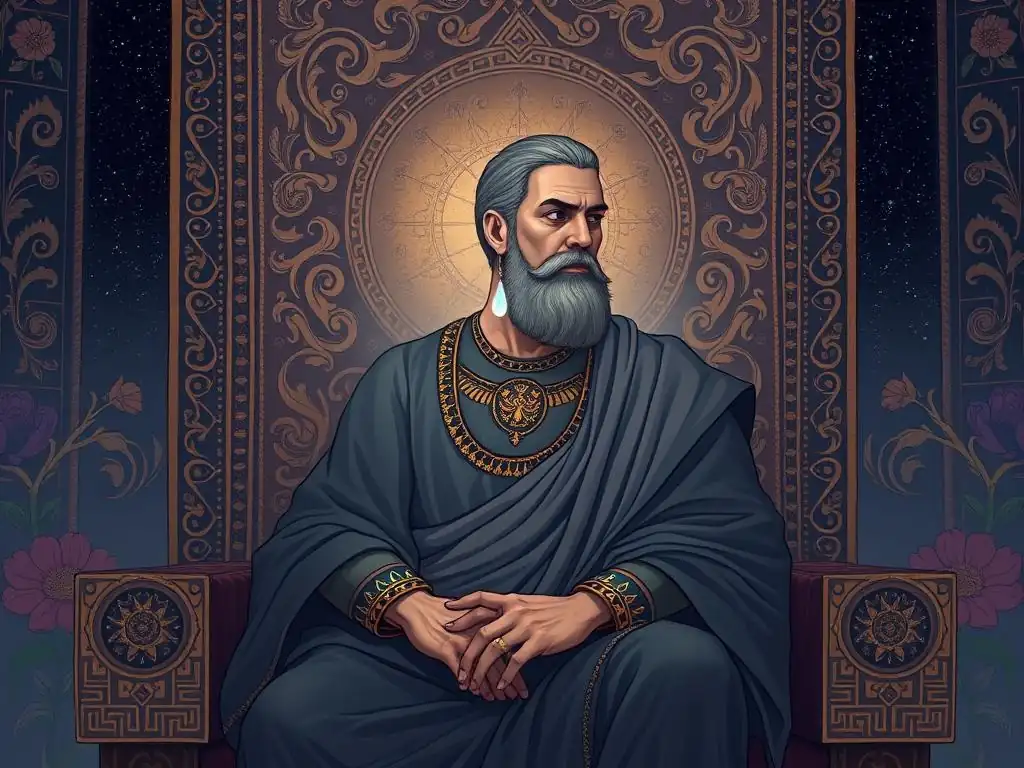
Gilgamesh's Quest for Immortality: Driven by Fear of Death
Enkidu's death is the singular event that triggers Gilgamesh's epic journey to find immortality. Witnessing his friend's physical decay instills in Gilgamesh a crippling fear of sharing the same fate. He cannot bear the thought of turning into dust, like Enkidu. This fear is so potent that he abandons his duties as king, leaves the safety and comfort of Uruk, and wanders into the wilderness, dressed in animal skins, a mirror of Enkidu's original state.
His quest is specifically aimed at finding Utnapishtim, the only human granted immortality by the gods, who survived the Great Flood. Gilgamesh is determined to learn Utnapishtim's secret, believing it is the only way to overcome death.
This journey is arduous and filled with trials, including passing through mountains where the sun rises and sets, crossing the Waters of Death, and encountering various figures who question his purpose. The entire endeavor is a desperate attempt to defy the natural order and escape the mortality that claimed his friend, a clear testament to how deeply the Gilgamesh Enkidu friendship legend shaped Gilgamesh's later life.
From Kingship to Existentialism: Gilgamesh's Journey of Self-Discovery
Before Enkidu's death, Gilgamesh was defined by his kingship, his power, and his pursuit of fame through heroic deeds. While he was a powerful king, his rule was characterized by tyranny and restlessness. The loss of Enkidu strips away these external definitions and forces Gilgamesh inward. His wandering becomes a journey of self-discovery, albeit one initially driven by fear.
As he travels, he encounters various figures who challenge his understanding of life and death, including Siduri, the divine tavern keeper, and Urshanabi, the ferryman of Utnapishtim. These encounters force him to confront the limitations of his power and the inevitability of death. Although his quest for physical immortality ultimately fails (he loses the plant of eternal youth), his journey leads to a deeper understanding of what it means to be human.
He learns that lasting legacy is found not in escaping death, but in the achievements of life, the bonds forged (like the Gilgamesh Enkidu friendship), and the civilization he builds. He returns to Uruk a changed man, ready to embrace his role as king and appreciate the life he has, having moved from a tyrannical focus on himself to an existential reflection on the human condition.
Gilgamesh and Enkidu's Friendship: A Timeless Tale of Brotherhood
The Gilgamesh Enkidu Friendship Legend: Its Enduring Appeal
The story of Gilgamesh and Enkidu has captivated audiences for millennia, enduring as one of the most compelling narratives of friendship in world literature. The core of the Gilgamesh Enkidu friendship legend lies in its portrayal of a bond forged between two vastly different beings – a powerful, civilized king and a wild, untamed man – who find in each other a unique connection and mutual respect. Their initial conflict evolving into deep brotherhood resonates universally, speaking to the possibility of finding companionship in unexpected places and the transformative power of genuine connection.
The legend's enduring appeal stems from its exploration of fundamental human experiences: the need for companionship, the confrontation with mortality, the search for meaning, and the pain of loss. The dynamic between Gilgamesh and Enkidu provides a powerful lens through which to view these themes.
Their loyalty to each other through perilous adventures, their shared triumphs, and the devastating impact of their separation create an emotionally resonant story that transcends its ancient origins. The Gilgamesh Enkidu friendship legend remains relevant because it speaks to the timeless human desire for connection and the profound impact that relationships have on our lives and our understanding of ourselves.
Legacy and Interpretations: Influence on Literature, Psychology, and Modern Themes
The Epic of Gilgamesh, and particularly the Gilgamesh Enkidu friendship legend within it, has had a significant influence across various fields. In literature, it is recognized as a precursor to many later heroic epics and buddy narratives, establishing archetypes of the powerful hero and his loyal companion. The themes of adventure, the quest, and the confrontation with death and loss appear in countless subsequent works.
From a psychological perspective, the relationship between Gilgamesh and Enkidu is often interpreted as representing the integration of the civilized ego (Gilgamesh) with the primal, instinctual self (Enkidu). Their initial conflict and subsequent union symbolize the necessary balance between these aspects of the psyche. Enkidu's death and Gilgamesh's subsequent grief and quest can be seen as a journey through the confrontation of the shadow self and the ultimate acceptance of human limitations.
In modern interpretations, the Gilgamesh Enkidu friendship legend is also examined through the lens of identity, masculinity, and the profound impact of platonic love and brotherhood on personal growth and transformation. The richness of their story allows for diverse readings and continued relevance in contemporary discussions about relationships and the human condition.
Exploring the Themes of Friendship and Mortality in the Epic
The Importance of Companionship: Lessons from Gilgamesh and Enkidu
A central theme of the Epic of Gilgamesh is the vital importance of human (or in this case, human and divinely-created) companionship. Before Enkidu, Gilgamesh was powerful but isolated, his strength leading to tyranny rather than connection. The arrival of Enkidu provides him with an equal, a confidante, and a partner. Their friendship transforms Gilgamesh, tempering his cruelty and channeling his energy into shared, meaningful pursuits. The epic demonstrates that even the most powerful individual needs connection; isolation, even in strength, leads to a diminished or destructive existence.
The adventures they undertake together are only possible because of their combined strength and mutual support. They face down monsters and gods' wrath side-by-side, relying on each other's courage and skills. The depth of Gilgamesh's despair after Enkidu's death underscores just how essential this bond was to his well-being and identity. The Gilgamesh Enkidu friendship legend teaches that companionship provides strength, purpose, and a shared experience of life's challenges and triumphs, making existence richer and more bearable, especially in the face of adversity.
Facing Mortality: The Enduring Relevance of the Epic of Gilgamesh
The Epic of Gilgamesh is, at its heart, a profound meditation on mortality. The death of Enkidu forces Gilgamesh, and by extension the reader, to confront the inescapable reality of death. Gilgamesh's desperate quest for immortality highlights the universal human desire to escape this fate. His failure to achieve eternal life, despite his extraordinary efforts, delivers a powerful message: death is an intrinsic part of the human condition, a boundary that even heroes cannot cross.
However, the epic does not end in despair. Gilgamesh returns to Uruk having learned valuable lessons. He realizes that true immortality lies not in eternal life, but in the legacy one leaves behind – the city walls he built, the stories of his deeds (including the Gilgamesh Enkidu friendship legend itself), and the wisdom he gained.
The epic's enduring relevance lies in its honest portrayal of grief, fear, and the search for meaning in a finite existence. It encourages acceptance of mortality and finding value in the life we have, the relationships we build, and the contributions we make to the world, lessons that resonate just as strongly today as they did thousands of years ago.
Frequently Asked Questions
What is the Gilgamesh Enkidu friendship legend about?
This legend centers on the unexpected bond between the tyrannical King Gilgamesh and the wild man Enkidu. Their initial battle leads to a deep and transformative friendship.
Where does the story of Gilgamesh and Enkidu originate?
The story originates in ancient Mesopotamia, specifically from a series of Sumerian stories and the later Epic of Gilgamesh, one of the oldest known works of literature.
What role does battle play in forming the Gilgamesh Enkidu friendship?
The battle serves as a catalyst, forcing Gilgamesh and Enkidu to recognize each other's strength and ultimately leading to mutual respect and affection.
How did the Gilgamesh Enkidu friendship legend impact Mesopotamian society?
The legend likely served as a model for ideal male friendship and highlighted the importance of loyalty and companionship in a harsh world.
What is the significance of Enkidu's death in the Gilgamesh Enkidu friendship legend?
Enkidu's death deeply affects Gilgamesh, prompting him on a quest for immortality, demonstrating the profound impact of loss and friendship on human existence.
Final Reflection: The Enduring Legacy of Gilgamesh and Enkidu's Bond
The epic of Gilgamesh and Enkidu resonates powerfully even today, reminding us that the bonds of true friendship, forged in shared experiences and mutual respect, transcend time and culture. Their story isn't just a relic of ancient Mesopotamia; it's a timeless testament to the human need for connection, loyalty, and the bittersweet acceptance of mortality. The enduring popularity of their legend speaks volumes about our continued fascination with these themes.
The relationship between Gilgamesh and Enkidu continues to shape our understanding of friendship, loyalty, and the complexities of human nature. Their journey, from initial antagonism to profound intimacy, mirrors the developmental stages of many friendships. Their shared adventures, their mutual support, and ultimately, their heartbreaking parting, all contribute to a narrative that feels both ancient and profoundly contemporary. Friendship is born at that moment when one person says to another: 'What! You too? I thought that no one but myself...'.
This quote, while not directly from the Epic of Gilgamesh, perfectly captures the essence of the connection between Gilgamesh and Enkidu – a recognition of shared experience and a profound sense of relief in finding another who understands.
Consider the impact of their story on your own life. Think about the friendships that have shaped you, the bonds forged in shared challenges, and the lessons learned through both triumph and loss. What aspects of Gilgamesh and Enkidu's relationship resonate most deeply with you? Let their story inspire you to cherish the friendships in your life, to nurture those bonds, and to appreciate the profound impact human connection can have on our journey through life. Embrace the power of friendship, for it is, as the epic demonstrates, a force that can endure even beyond death itself.
Unleash Your Inner Hero: Embrace the Epic!
Thanks for joining us on this epic journey through the tale of Gilgamesh and Enkidu! You've explored the power of friendship, the weight of mortality, and the enduring legacy of myth. Now, it's time to take that inspiration and run with it.
- Craft your own epic poem: Let Gilgamesh and Enkidu inspire you to create your own story, focusing on the themes of brotherhood, adventure, and the human condition. Even a few lines can be a powerful start!
- Share your thoughts: What resonated most with you about their brotherhood? Did any part of their story surprise you? Let's discuss in the comments below!
- Explore other legendary friendships: Dive deeper into our archives and discover other legendary pairings that have shaped history and myth.
What unexpected strength or bond in your own life mirrors the powerful connection between Gilgamesh and Enkidu?