
Is VR/AR Authentic? Navigating Cultural Sensitivity in Myth Adaptation

Welcome to Mythology and Legends!
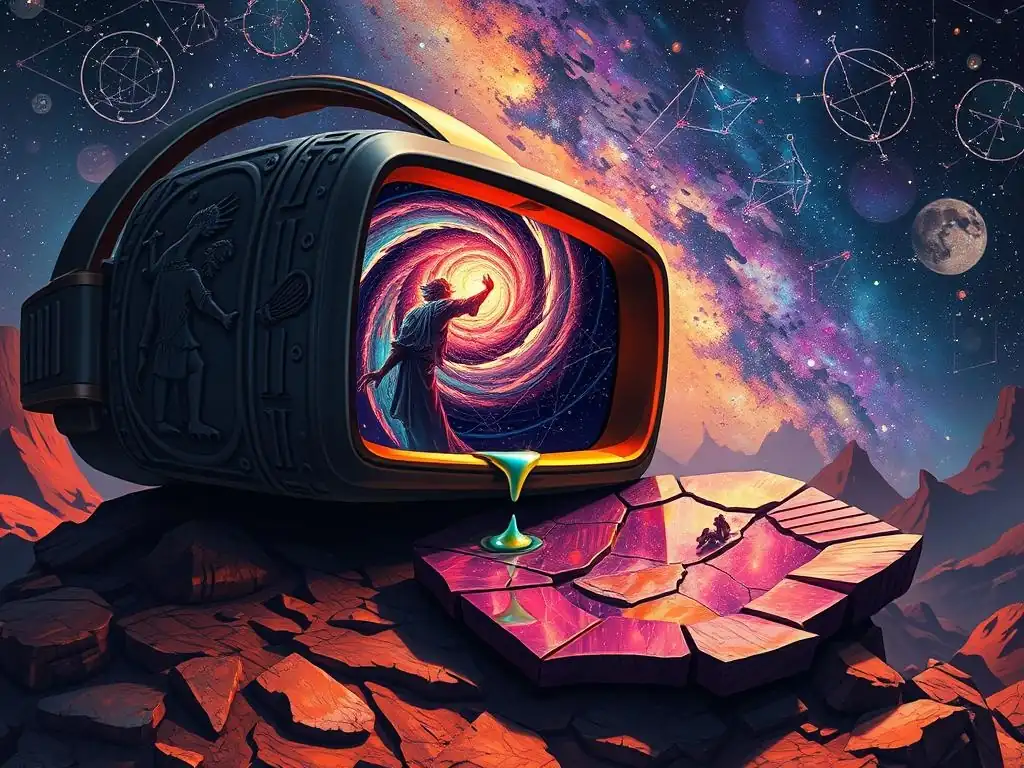
Ever wondered if the myths you see in today's virtual and augmented realities are truly authentic? Dive into the captivating world of Modern Interpretations and Visual Storytelling where we explore the crucial question: Is VR/AR Authentic? Uncover the hidden complexities and potential pitfalls as we navigate the delicate landscape of cultural sensitivity myths within these emerging technologies. Are we honoring the source material, or inadvertently perpetuating harmful stereotypes? The answers might surprise you... Read on and discover how we can ensure respect and authenticity in the digital retelling of ancient stories.
- The Allure of Ancient Myths in Modern VR/AR Experiences
-
Frequently Asked Questions
- How can VR/AR developers ensure authentic representation when adapting myths and legends from different cultures?
- What are the potential risks of misrepresenting or appropriating cultural myths in VR/AR applications?
- What are some best practices for incorporating cultural narratives into VR/AR experiences ethically?
- How can VR/AR technology be used to promote cultural understanding and sensitivity regarding myths and legends?
- What role does user feedback play in ensuring cultural sensitivity in VR/AR myth adaptations?
- Final Reflection: Bridging Worlds, Bridging Cultures
- Unveil Your Inner Mythmaker: Craft Your Own Authentic VR/AR Experience
The Allure of Ancient Myths in Modern VR/AR Experiences
The Growing Trend of Myth-Based VR/AR Applications
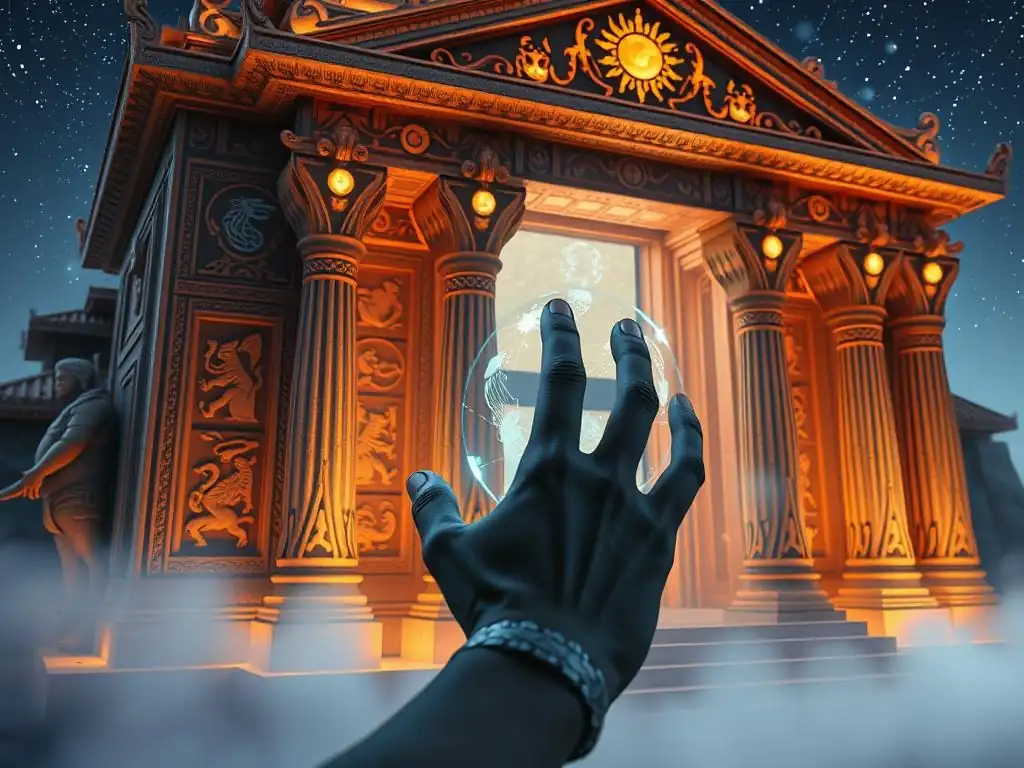
The integration of ancient myths and folklore into virtual and augmented reality experiences is becoming an increasingly notable trend within the immersive technology landscape. Developers are recognizing the inherent richness and narrative depth that mythological stories offer, providing fertile ground for creating captivating and interactive worlds. This trend spans various applications, from educational tools designed to teach about ancient cultures to entertainment experiences that allow users to step directly into mythical realms.
The global VR/AR market is projected to grow significantly, and content based on well-known narratives like myths represents a relatively accessible entry point for both creators and consumers, leveraging existing cultural familiarity. While exact figures for myth-specific content are hard to isolate, the overall investment in immersive storytelling is substantial, estimated in the billions, indicating a strong appetite for compelling narrative experiences, which myths inherently provide.
This surge in myth-based VR/AR content highlights both opportunity and responsibility. As more applications emerge, the critical need for VR/AR cultural sensitivity myths becomes paramount. Projects range from exploring Egyptian pyramids and their associated deities in AR tours to full VR games set in Norse or Greek pantheons.
For instance, some educational platforms are using AR to bring mythological creatures to life in classrooms, while VR narrative experiences are transporting users to ancient temples or legendary battlefields. This widespread adoption underscores the commercial and educational viability of myth-based content, but it also amplifies the potential for misrepresentation if creators do not approach the source material with diligent research and respect for the cultures from which these stories originate.
Why Myths Resonate with Contemporary Audiences in Immersive Media
Myths and legends have endured for millennia because they tap into universal human themes: creation, heroism, betrayal, love, death, and the search for meaning. These timeless narratives provide a framework for understanding the world and our place within it. In the context of immersive media like VR/AR, these stories gain a new dimension.
VR allows users to be the hero on an epic quest, to witness the clash of titans, or to explore the sacred spaces of ancient beliefs. AR overlays mythical elements onto the real world, blurring the lines between the mundane and the magical. This direct, first-person perspective offered by VR/AR enhances the emotional resonance and impact of mythological tales in ways traditional media often cannot.
Furthermore, contemporary audiences, often saturated with familiar storytelling tropes, find refreshing novelty and deep symbolic meaning in ancient myths. The archetypes present in these stories remain relevant, providing powerful narrative anchors for immersive experiences. The ability of VR/AR to create a profound sense of presence makes the stakes of a mythological narrative feel more immediate and personal.
Navigating the labyrinth or standing before a powerful deity in VR is a fundamentally different experience than reading about it or watching it on a screen. This heightened engagement explains why developers are increasingly turning to myths, but it simultaneously places a heavy burden on them to ensure that this powerful immersion is built on a foundation of authenticity and respect, addressing the critical need for VR/AR cultural sensitivity myths in their design and implementation.
Frequently Asked Questions
How can VR/AR developers ensure authentic representation when adapting myths and legends from different cultures?
Developers should prioritize thorough research and consultation with cultural experts. This helps prevent misinterpretations and promotes respectful storytelling within the VR/AR experience.
What are the potential risks of misrepresenting or appropriating cultural myths in VR/AR applications?
Misrepresentation can lead to cultural insensitivity, offense to communities, and the perpetuation of harmful stereotypes. It can also damage the developer's reputation and undermine the project's credibility.
What are some best practices for incorporating cultural narratives into VR/AR experiences ethically?
Best practices include seeking permission from cultural custodians, accurately portraying historical context, and avoiding trivialization of sacred stories. Developers should also prioritize education within the experience.
How can VR/AR technology be used to promote cultural understanding and sensitivity regarding myths and legends?
VR/AR can create immersive experiences that foster empathy and understanding by allowing users to virtually step into different cultural perspectives. This can help debunk harmful stereotypes and promote cross-cultural dialogue.
What role does user feedback play in ensuring cultural sensitivity in VR/AR myth adaptations?
User feedback, especially from members of the cultures being represented, is crucial for identifying potential issues. This allows developers to make necessary adjustments and ensure the VR/AR experience is respectful and accurate.
Final Reflection: Bridging Worlds, Bridging Cultures
The immersive potential of VR/AR technologies is undeniable, but their application in cultural contexts demands a critical and sensitive approach. Failing to address the inherent biases and potential for misrepresentation within these digital spaces risks perpetuating harmful stereotypes and undermining the very cultures they aim to represent. This isn't simply a technical challenge; it's a moral imperative.
The exploration of myth and folklore through VR/AR presents a unique opportunity for cross-cultural understanding and appreciation, yet it also carries significant responsibility. The potential for misinterpretation and the appropriation of cultural heritage are very real threats. As we move forward, we must prioritize authenticity and collaboration, ensuring that indigenous voices and perspectives are central to the creative process. The greatest danger for most of us is not that our aim is too high and we miss it, but that it is too low and we reach it.
- Michelangelo. This quote reminds us that the potential of VR/AR is vast, but we must strive for excellence in its ethical application.
Consider the power you now hold. You've learned about the pitfalls of insensitive VR/AR adaptations and the importance of cultural sensitivity in digital storytelling. Now, it's your turn to be a champion for responsible innovation. Challenge the narratives you encounter, question the assumptions embedded within VR/AR experiences, and demand a higher standard of cultural representation. Let's work together to ensure that these powerful technologies are used to build bridges, not walls, between cultures and foster a more inclusive and respectful digital world.
Unveil Your Inner Mythmaker: Craft Your Own Authentic VR/AR Experience
Thanks for exploring the fascinating intersection of VR/AR and cultural sensitivity in myth adaptation! We hope you gained a deeper understanding of the ethical considerations involved. Now it's time to put your newfound knowledge into practice.
- Design a culturally sensitive VR/AR scene: Choose your favorite myth and brainstorm a scene that respects its origins and avoids harmful stereotypes. Consider the narrative, visuals, and interactions. This is your chance to create something truly unique and respectful!
- Share your ideas: Discuss your concept in the comments below – let's build a community of responsible myth-makers! What challenges did you encounter, and how did you overcome them?
- Explore further: Research other examples of successful (or unsuccessful) VR/AR myth adaptations. How can we continually improve the ethical standards in this exciting field?
What unique approach will you take to ensure authenticity and sensitivity in your own VR/AR projects?