
The Rites of the New Year: Purifying and Renewing the Community

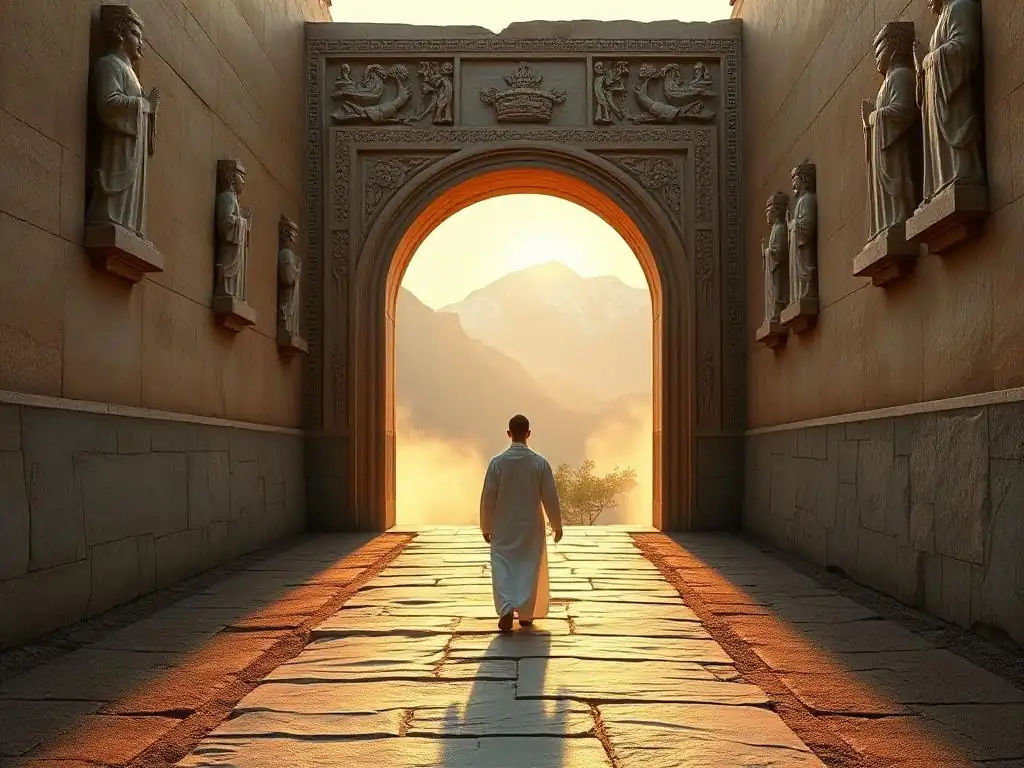
Welcome to Mythology and Legends, where we delve into the captivating stories that shape our world. Ever wondered how ancient cultures cleansed the slate and prepared for a fresh start? Explore the fascinating world of New Year purification rituals and uncover the powerful symbolism embedded in these traditions, right here in our exploration of Indigenous and Folk Traditions. Discover how these age-old practices continue to resonate today and perhaps, even inspire your own journey of renewal.
- Introduction: The Universal Appeal of New Year Celebrations and Purification Rites
- New Year Purification Rituals: A Cross-Cultural Overview
- Deep Dive: Songkran's New Year Purification Rites
- The Psychology of Purification: Why These Rituals Matter
- The Evolution of New Year Purification Rituals in the Modern World
- Conclusion: The Enduring Legacy of New Year Purification Rituals
-
Frequently Asked Questions
- What are New Year purification rituals, and why are they performed?
- What are some common examples of New Year purification rituals across different cultures?
- How are purification rituals connected to the broader theme of mythology and legends?
- What is the significance of community involvement in New Year purification rituals?
- How do New Year purification rituals impact contemporary society, even in secular contexts?
- Final Reflection: Echoes of Renewal, Whispers of the Future
- Unleash Your Inner Renewal: Embrace the New Year's Spirit!
Introduction: The Universal Appeal of New Year Celebrations and Purification Rites
Exploring the Significance of Renewal and Cleansing in World Cultures
Across the globe, humanity shares a profound need to mark the passage of time, particularly the transition from one year to the next. This pivotal moment is almost universally accompanied by celebrations, often imbued with rituals aimed at purification and renewal.
The underlying impulse is a desire to shed the burdens, misfortunes, and accumulated "impurities" of the past year, making way for a fresh start filled with hope, prosperity, and good fortune. This theme of cleansing and rebirth at the year's threshold resonates deeply within diverse cultural narratives, from ancient agricultural cycles tied to harvest and planting to modern secular calendars.
Many traditions view the end of the year as a period of vulnerability or transition, requiring specific actions to ensure a smooth and positive shift. Whether through symbolic washing, burning, sweeping, or feasting, these acts serve to ritually cleanse individuals, homes, and communities. The Persian festival of Nowruz, marking the spring equinox and the traditional Iranian New Year, includes extensive house cleaning known as khaneh tekāni ("shaking the house") to purify the home before the new year arrives.
Similarly, the Jewish High Holidays, culminating in Yom Kippur, a day of atonement and spiritual cleansing, occur around the time of Rosh Hashanah, the Jewish New Year, emphasizing purification as a prerequisite for a new beginning. These examples highlight how the concept of New Year purification rituals is woven into the fabric of human experience, manifesting in countless forms adapted to local beliefs and environments.
The Role of Rituals in Defining Cultural Identity
Rituals, especially those performed collectively at significant times like the New Year, are powerful mechanisms for reinforcing cultural identity and social cohesion. New Year purification rituals provide a shared experience that connects individuals to their community and their ancestors. By participating in these time-honored practices, people reaffirm their belonging and transmit cultural values and knowledge across generations. The specific actions, symbols, and beliefs embedded within these rites serve as a unique cultural fingerprint, distinguishing one tradition from another while simultaneously highlighting universal human concerns.
Engaging in communal New Year purification rituals fosters a strong sense of solidarity and shared purpose. Whether it's the communal cleaning of a village, the shared act of visiting a sacred site, or the collective letting go of the past year's grievances, these activities strengthen social bonds. They provide a predictable framework for collective action and emotional expression, contributing to the stability and continuity of the community. The performance of these rites is not merely a historical observance; it is a living affirmation of cultural heritage and identity in the present.
New Year Purification Rituals: A Cross-Cultural Overview
Cleansing Rituals: Washing Away the Old
Water as a Symbol of Purity and Renewal
Water holds a near-universal significance as a symbol of life, fertility, and purification. Its ability to wash away dirt and dissolve substances makes it a powerful metaphor for cleansing not only the physical body but also the spirit and accumulated misfortunes. In many cultures, water-based New Year purification rituals are central to the transition, representing a washing away of the past year's negativity and a baptism into the new year's potential. From ocean dips to river baths and ceremonial sprinklings, water is utilized to purify, bless, and renew individuals and communities.
The symbolic power of water lies in its transformative nature. It can erode, cleanse, and nourish, mirroring the process of letting go of the old, purifying the present, and fostering growth in the future. Many New Year purification rituals specifically involve immersion or ablution to achieve this symbolic clean slate. The act of washing is a tangible way to enact the internal desire for renewal, providing a physical manifestation of spiritual or emotional cleansing.
Examples of Water-Based Purification Ceremonies: Misogi in Japan
Misogi is a traditional Japanese Shinto purification practice that often involves standing under a cold waterfall, immersing oneself in a river, or taking a ritual bath. While performed throughout the year for various reasons, including preparing for significant events or periods, its emphasis on cleansing the body and spirit makes it highly relevant to the theme of New Year purification rituals. The practice aims to wash away kegare, a state of impurity or defilement that can accumulate through negative actions, thoughts, or contact with polluting influences.
During Misogi, participants typically wear simple white garments and may perform breathing exercises or recite prayers, such as the Oharai no Kotoba (words of great purification), while enduring the cold water. The intense physical experience, particularly under a powerful waterfall, is believed to shock the system and facilitate a deep spiritual cleansing, allowing the practitioner to return to a state of purity ( harai) and clarity.
This rigorous ritual embodies the belief that physical purification is intrinsically linked to spiritual renewal, preparing the individual for a pure and positive start, aligning perfectly with the intentions behind many New Year purification rituals.
Fire Rituals: Burning Away Negativity and Bad Luck
The Transformative Power of Fire in New Year Celebrations
Fire is another potent element frequently used in New Year purification rituals. Like water, fire is a powerful agent of transformation, capable of destroying the old to make way for the new. It symbolizes destruction, purification, warmth, and light, driving away darkness and negativity. The use of fire in New Year rites often represents the burning away of the past year's troubles, bad luck, and negative energies, leaving a cleansed space for the arrival of good fortune in the coming year.
Fire rituals can take many forms, from bonfires and fireworks to the burning of effigies or written lists of misfortunes. The act of watching the flames consume the unwanted elements of the past provides a visual and emotional release, a tangible representation of letting go. The warmth and light of the fire also symbolize hope and the promise of a brighter future, making fire a central element in numerous New Year purification rituals around the world.
Examples of Fire-Related Cleansing Practices: Burning of the Old Man in Ecuador
In Ecuador and several other Latin American countries, a prominent New Year purification ritual involves the Quema del Año Viejo (Burning of the Old Year). On the night of December 31st, families and communities create effigies, often life-sized, known as años viejos or monigotes. These figures represent the past year and are typically made from old clothes stuffed with sawdust, paper, and sometimes fireworks. They are often crafted to resemble politicians, celebrities, or generic "old men."
At the stroke of midnight, these effigies are set ablaze. This dramatic act symbolizes the destruction of the old year, along with all its sorrows, mistakes, and bad luck.
People often write down negative events or personal regrets from the past year and place them inside the effigy to be consumed by the flames, enacting a powerful form of catharsis and New Year purification rituals. The burning is accompanied by revelry, noise, and fireworks, creating a vibrant spectacle that signifies a collective letting go of the past and an enthusiastic welcome of the new year, purged of its predecessor's burdens.
Symbolic Cleansing: Banishing the Old and Welcoming the New
Ritualistic Objects and Their Purifying Properties: The Kadomatsu in Japan
Beyond water and fire, various objects are imbued with symbolic properties and used in New Year purification rituals or related practices to ensure a clean and prosperous start. These objects often serve to ward off evil spirits, invite benevolent deities, or represent positive qualities desired for the coming year. The presence and arrangement of these items are themselves ritualistic acts aimed at creating a pure and auspicious environment.
In Japan, the kadomatsu is a traditional New Year decoration placed in pairs in front of homes and buildings from just after Christmas until January 7th (or January 15th in some areas). Typically made of pine, bamboo, and sometimes plum branches, the kadomatsu serves as a temporary dwelling place for the kami (spirits or deities) of the harvest, who are welcomed to bestow blessings and good fortune upon the household in the new year.
Pine symbolizes longevity, bamboo resilience, and plum perseverance. While its primary function is to welcome deities, the act of inviting benevolent spirits into a space inherently involves preparing a pure environment, thus functioning as a protective and implicitly purifying element within the broader context of Japanese New Year traditions.
Actions and Performances as Symbolic Cleansing: Sweeping the House in China
Specific actions and performances also constitute powerful New Year purification rituals, symbolizing the removal of the old and the invitation of the new. These acts are often prescribed with strict timing and methods to ensure maximum efficacy in clearing out negative influences and making space for good fortune. The performance of these actions collectively reinforces cultural norms and the shared desire for a fresh start.
In China, a crucial part of preparing for the Lunar New Year (Spring Festival) is a thorough cleaning of the house, known as sǎo chén (掃塵), meaning "sweeping away the dust." This comprehensive cleaning is typically performed on the days leading up to New Year's Eve. The act of sweeping and cleaning symbolizes the sweeping away of bad luck, misfortunes, and negative energies accumulated over the past year.
It is a literal and symbolic purification of the living space, preparing it to receive the blessings and good fortune of the new year. Crucially, sweeping on New Year's Day itself is strictly forbidden, as it is believed this would sweep away any newly arrived good luck. This precise timing underscores the ritualistic importance of the cleansing action as a preparatory rite.
Deep Dive: Songkran's New Year Purification Rites
Historical Context: The Origins of Songkran's New Year Traditions
Songkran is the traditional New Year festival celebrated in Thailand, as well as in Laos, Cambodia, Myanmar, and among various ethnic groups in Vietnam and southwest China. Originally based on the solar calendar, it typically falls around April 13th to 15th. The festival's roots can be traced back to ancient Indian traditions, specifically the Vernal Equinox in the Hindu calendar, marking the sun's entry into Aries. In Southeast Asia, it became intertwined with Buddhist beliefs and local customs, evolving into the vibrant celebration observed today.
Historically, Songkran was a time for people to return to their hometowns, pay respects to elders, visit temples, and perform rituals to welcome the new year. The focus was on purification, merit-making, and expressing gratitude. While modern celebrations in many urban centers have become synonymous with large-scale water fights, the core traditions centered around purification and spiritual renewal remain significant, particularly in more rural areas and within families.
Key Purification Rituals and Their Meanings
The Water Festival: A Detailed Explanation
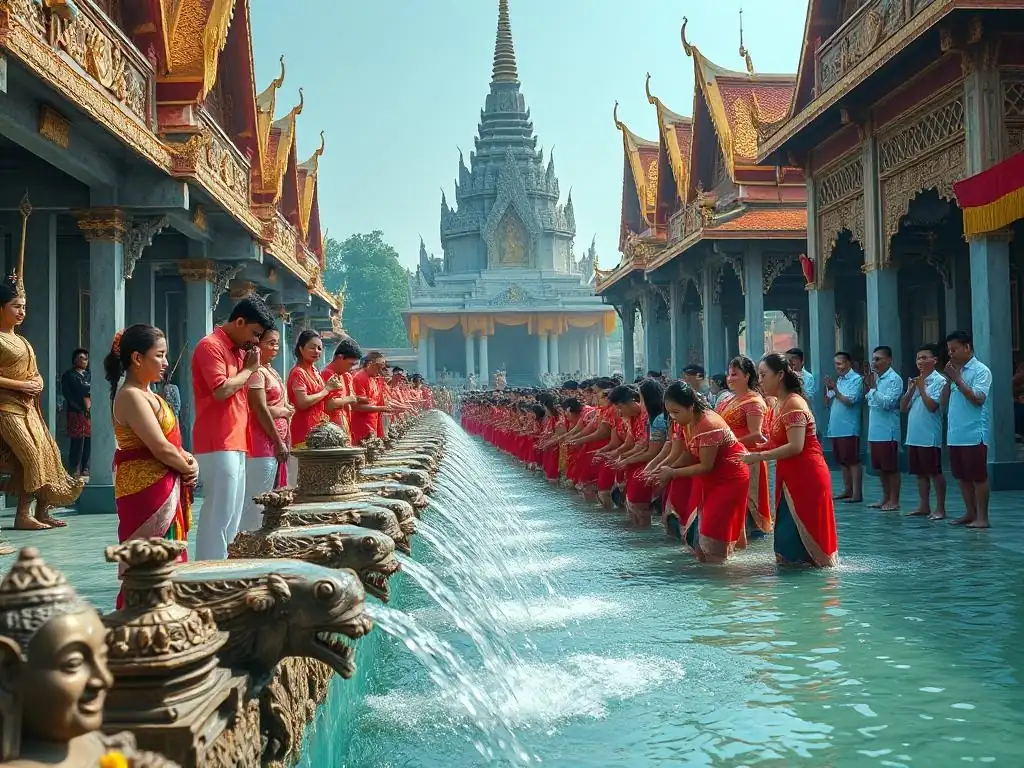
The most iconic aspect of Songkran is the use of water. Originally, the practice involved gently sprinkling scented water over Buddha statues to cleanse them and pay homage. This "bathing the Buddha image" ( Song Nam Phra) is a central purification ritual, believed to bring good luck and prosperity.
Similarly, younger people perform the Rod Nam Dum Hua ceremony, where they gently pour scented water onto the hands of elders to show respect and ask for blessings, while the elders reciprocate with blessings and good wishes for the new year. These acts are deeply symbolic New Year purification rituals, washing away misfortune and receiving blessings for the future.
Over time, the gentle sprinkling evolved into the nationwide "Water Festival," particularly in popular tourist destinations like Chiang Mai and Bangkok, where city streets become arenas for exuberant water throwing using buckets, water guns, and hoses. While often seen as pure fun, this widespread dousing still carries the underlying symbolism of cleansing and washing away the past year's bad luck. It is a collective act of purification on a grand scale, engaging the entire community in a shared experience of washing away the old and welcoming the new.
Visiting Temples and Merit-Making: Symbolism and Significance
Visiting Buddhist temples ( wats) is another fundamental component of Songkran, emphasizing the spiritual aspect of the New Year purification rituals. People make pilgrimages to temples to pray, make offerings to monks, and engage in various acts of merit-making ( tham bun). These acts are believed to accumulate good karma, purify the spirit, and ensure a prosperous and fortunate year ahead.
Common merit-making activities include offering food and necessities to monks, participating in temple cleaning, and releasing captive birds or fish, symbolizing freedom from suffering and accumulating positive merit. Another significant ritual is building sand stupas ( chedi sai) in the temple courtyard, often decorated with flags and flowers.
Each grain of sand is said to wash away a sin, making the building of the stupa a powerful act of purification and accumulating merit. These temple-based rituals highlight that Songkran's purification is not just physical but deeply spiritual, cleansing the soul and preparing one for a righteous path in the new year.
Songkran is fundamentally a festival of community and family. The New Year period is a time when Thais living in cities often travel back to their ancestral homes to reunite with family members. These reunions are marked by shared meals, paying respects to elders, and visiting local temples together. The collective participation in the rituals, from bathing Buddha images to engaging in water play, strengthens family bonds and reinforces community ties.
The shared experience of celebrating Songkran, whether through quiet family rituals or boisterous public water fights, fosters a strong sense of belonging and shared cultural identity. It provides a vital opportunity for intergenerational interaction and the transmission of traditions. The spirit of goodwill and celebration that characterizes Songkran contributes significantly to social cohesion, reminding people of their shared heritage and the importance of community as they transition into the new year.
The Psychology of Purification: Why These Rituals Matter
The Power of Collective Action in Achieving Catharsis
New Year purification rituals, when performed collectively, tap into the profound psychological power of shared experience. Participating in a ritual alongside others, whether it's sweeping a communal space, jumping into cold water together, or dousing each other with water, creates a sense of unity and mutual support. This collective action can facilitate a powerful emotional release, a form of catharsis, where individuals feel they are not alone in their desire to let go of the past year's difficulties.
The synchronized actions and shared focus of these rituals can amplify their psychological impact. Witnessing others engaging in the same symbolic acts of cleansing and renewal validates one's own feelings and intentions. This shared experience of letting go can be incredibly liberating, providing a collective sigh of relief and a unified surge of hope for the future, strengthening the psychological benefits of New Year purification rituals.
Psychological Benefits of Ritual Cleansing: Hope and Renewal
On an individual level, engaging in New Year purification rituals offers significant psychological benefits. The symbolic act of cleansing provides a tangible marker for psychological closure on the past year. Whether it's washing away dirt, burning an effigy, or sweeping a room, these physical actions help the mind process the transition and create a sense of finality regarding the past.
This process fosters a feeling of having a "clean slate," which is psychologically empowering. It instills hope and optimism, making the challenges and opportunities of the new year seem more manageable and exciting. The ritual provides a mental reset button, allowing individuals to approach the future with a renewed sense of purpose and possibility. The tangible nature of these New Year purification rituals makes the abstract concept of starting fresh feel real and achievable.
Beyond individual and collective psychological benefits, New Year purification rituals play a vital role in maintaining social order and stability. Regular, predictable rituals provide a sense of continuity and structure in life, particularly during the potentially disruptive transition of the year's end. They reinforce cultural values, norms, and hierarchies (e.g., respecting elders in Songkran) through prescribed actions and behaviors.
By participating in these shared rites, individuals reaffirm their commitment to the community and its shared identity. The rituals act as a social glue, strengthening bonds and reinforcing the collective understanding of time, history, and shared purpose. This predictability and reinforcement of social structures contribute to overall societal stability, particularly in times of change or uncertainty. The performance of these New Year purification rituals helps to ground the community and guide its members into the future together.
The Evolution of New Year Purification Rituals in the Modern World
Adaptation and Transformation of Traditional Practices
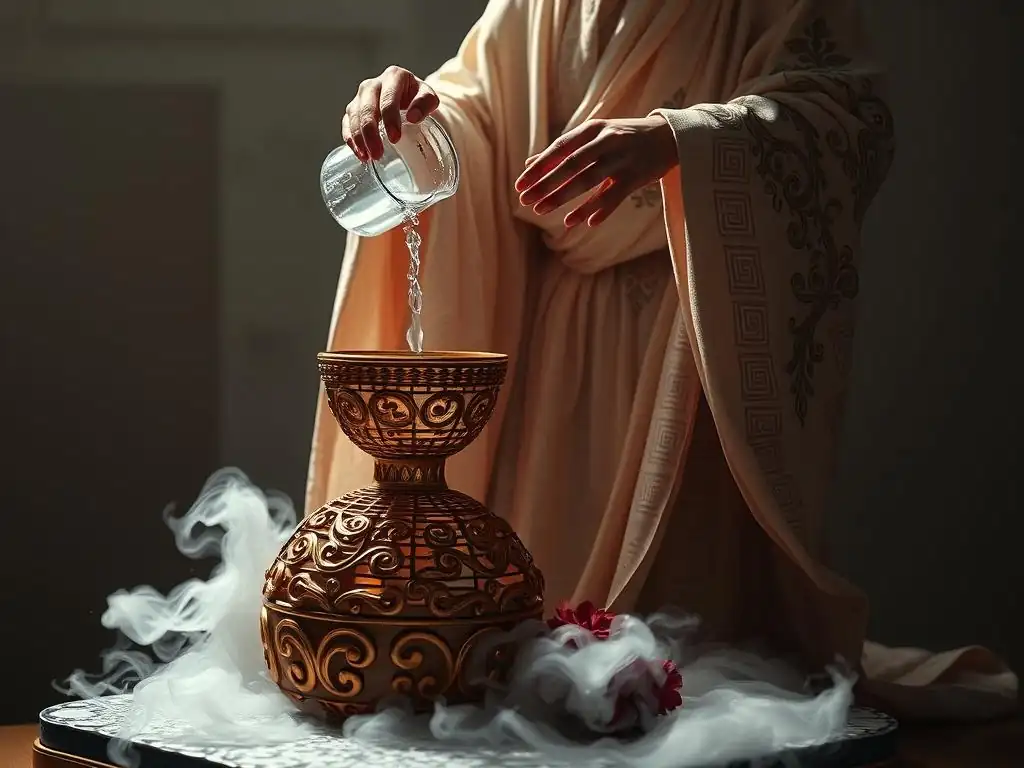
In the face of globalization, urbanization, and technological advancement, traditional New Year purification rituals are undergoing significant adaptation and transformation. While the core human need for renewal persists, the ways in which these rituals are practiced are evolving. Some practices are becoming more condensed, others more commercialized, and some are blending with global influences.
For example, in urban centers, the elaborate, multi-day traditional ceremonies might be shortened or simplified due to time constraints. The public aspects, like Songkran water fights, have sometimes expanded dramatically, becoming major tourist attractions, which can alter their original, more spiritual focus. Similarly, traditional home-based rituals might be performed less rigorously or replaced by more modern forms of celebration. However, even with these changes, the underlying themes of cleansing, letting go of the past, and welcoming good fortune often remain, demonstrating the resilience of the core impulse behind New Year purification rituals.
The Enduring Relevance of Cleansing Rituals in Contemporary Society
Despite the changes in form, the underlying relevance of cleansing rituals in contemporary society remains strong. In a rapidly changing world, marking transitions and seeking a fresh start continues to be a fundamental human need. Even in highly secular societies, people engage in activities that mirror the intentions of traditional New Year purification rituals.
The popularity of "detox" programs, decluttering trends (like Marie Kondo's methods), and end-of-year reflections and goal-setting all reflect a modern expression of the desire to cleanse, purify, and renew. These contemporary practices, while lacking the explicit spiritual or communal dimensions of traditional rites, serve a similar psychological function: shedding the old, clearing space, and preparing for a new beginning. This indicates that the impulse behind New Year purification rituals is deeply ingrained in the human psyche.
New Year's Resolutions: A Modern Form of Self-Purification?
Perhaps the most widespread modern manifestation of the impulse behind New Year purification rituals is the making of New Year's resolutions. The act of resolving to quit smoking, eat healthier, exercise more, or manage finances better is, at its core, a commitment to shedding old, undesirable habits (symbolic impurities or burdens) and adopting new, positive behaviors (symbolic purification and renewal).
Setting resolutions is an individualized, often secular, form of seeking a "clean slate" for the year ahead. It involves introspection (reflecting on the past year's "impurities" or failures) and a commitment to future transformation (achieving a purified, better self). While lacking the communal and often spiritual elements of traditional rites like Songkran or Misogi, New Year's resolutions share the fundamental goal of purification and renewal, highlighting the enduring nature of this human desire in a contemporary context.
Conclusion: The Enduring Legacy of New Year Purification Rituals
The Timeless Human Need for Renewal and Rebirth
The diverse array of New Year purification rituals practiced across cultures and throughout history speaks to a fundamental and timeless human need: the desire to mark the passage of time and embrace the opportunity for renewal and rebirth. As the year turns, we collectively pause to reflect on what has passed and look forward with hope to what is to come. The rituals of cleansing, whether through water, fire, symbolic actions, or objects, provide a tangible and often communal way to facilitate this transition, letting go of the past year's burdens and preparing for a fresh start.
These ancient practices, from the rigorous Misogi of Japan to the fiery Quema del Año Viejo in Ecuador and the water-soaked celebrations of Songkran, demonstrate that the impulse to purify and renew at the threshold of the new year is a shared thread in the tapestry of human culture. They offer not just symbolic cleansing but also psychological catharsis and social cohesion.
Exploring New Year purification rituals from around the world reveals both the incredible diversity of human expression and the profound commonality of human experience. While the specific forms, symbols, and beliefs vary widely, the underlying intention – to cleanse the old and welcome the new, to seek good fortune and well-being for oneself and the community – is universal.
These traditions connect us not only to our ancestors and our communities but also to each other across cultures and continents. They remind us that despite our differences, we share fundamental hopes and anxieties about time, change, and the future. By understanding and appreciating these global New Year purification rituals, we gain insight into the enduring legacy of human ingenuity in creating meaning, fostering resilience, and celebrating the cyclical journey of life.
Frequently Asked Questions
What are New Year purification rituals, and why are they performed?
New Year purification rituals are practices performed to cleanse individuals and communities of negative influences from the past year, preparing them for a fresh start. They aim to ensure good fortune and prosperity in the coming year.
What are some common examples of New Year purification rituals across different cultures?
Examples include cleansing baths, like those found in South Asian traditions, burning effigies representing the old year's problems, and performing spiritual ceremonies to appease deities. These rituals aim to remove negativity.
How are purification rituals connected to the broader theme of mythology and legends?
Many purification rituals are rooted in myths and legends, often involving deities or mythical figures who oversee the cycle of renewal. These stories provide the symbolic framework and justification for the rituals.
What is the significance of community involvement in New Year purification rituals?
Community involvement emphasizes the collective nature of renewal and ensures that the entire group enters the new year with a shared sense of purpose. It strengthens social bonds and promotes unity.
How do New Year purification rituals impact contemporary society, even in secular contexts?
While often rooted in religious or spiritual beliefs, the underlying desire for a fresh start and self-improvement remains relevant. Many modern practices, like making resolutions, reflect a similar impulse for personal purification and renewal.
Final Reflection: Echoes of Renewal, Whispers of the Future
The ancient practice of New Year purification rituals, far from being a relic of the past, holds a vital mirror to our modern anxieties. We, too, grapple with the weight of the past year, the need to cleanse ourselves of negativity, and the yearning for a fresh start. The desire for renewal, for a symbolic shedding of burdens, is a deeply human impulse that transcends time and culture.
The enduring power of these rituals lies in their ability to foster a sense of collective hope and shared purpose. They remind us that we are not alone in our struggles, that the cycle of renewal is a universal experience. The beginning is the most important part of the work.
– Plato. This quote, though not directly about purification rituals, speaks to the profound significance of initiating a fresh start, a sentiment central to the practices explored in this article. The impact of these rituals extends beyond the individual, shaping community bonds and reinforcing cultural identity through shared participation and collective intention.
Consider the echoes of these ancient practices in your own life. How can you consciously incorporate elements of purification and renewal into your own New Year's celebrations? Perhaps it's a simple act of decluttering your home, a period of quiet reflection, or a commitment to letting go of harmful habits. Embrace the opportunity to consciously participate in the cycle of renewal, to cleanse and refresh, not just your physical space, but your mind and spirit as well. Let the wisdom of these ancient traditions guide you towards a brighter, more purposeful year ahead.
Unleash Your Inner Renewal: Embrace the New Year's Spirit!
Thanks for joining us on this journey into the purifying rituals and communal spirit of the New Year! We hope you gained a deeper understanding of the rich traditions surrounding this important time. Now it's time to put that knowledge into practice.
Here's how you can carry the energy of renewal forward:
- Share your own New Year's traditions: What unique rituals or customs do you or your community observe? Tell us in the comments below – let's build a vibrant tapestry of global celebrations!
- Explore the symbolism of the New Year in other cultures: Research the traditions of a culture different from your own. How do their practices reflect similar themes of cleansing and rebirth?
- Start a small, meaningful ritual: This could be anything from setting intentions for the year ahead to lighting a candle and reflecting on the past. Find a simple act that brings you peace and focus.
What small step will you take today to embrace the transformative spirit of the New Year?