
Legacy of the Spirits: How Beliefs Shape Culture Today

Welcome, seeker of ancient wisdom!
Delve into the captivating world of Mythology and Legends, where echoes of forgotten gods and heroic deeds resonate through time. Prepare to journey beyond the veil of the ordinary as we explore the profound ways beliefs shape culture today. Curious how seemingly ancient narratives from Indigenous and Folk Traditions continue to mold our modern world? The answers await within…
- Understanding Ancestral Beliefs and Their Cultural Significance
-
Frequently Asked Questions
- How do ancient myths and legends continue to influence modern beliefs shape culture today?
- What role do belief systems play in forming cultural identity, as explored in the "Mythology and Legends" website?
- Can you give an example of a specific myth or legend and explain its lasting impact on contemporary society’s beliefs shape culture today?
- How does the "Mythology and Legends" website help people understand the relationship between folklore and the beliefs shape culture today?
- In what ways can understanding different cultures' myths and legends foster greater beliefs shape culture today and empathy in a globalized world?
- Final Reflection: The Enduring Power of Belief
- Uncover Your Cultural Roots: Explore the Power of Belief
Understanding Ancestral Beliefs and Their Cultural Significance
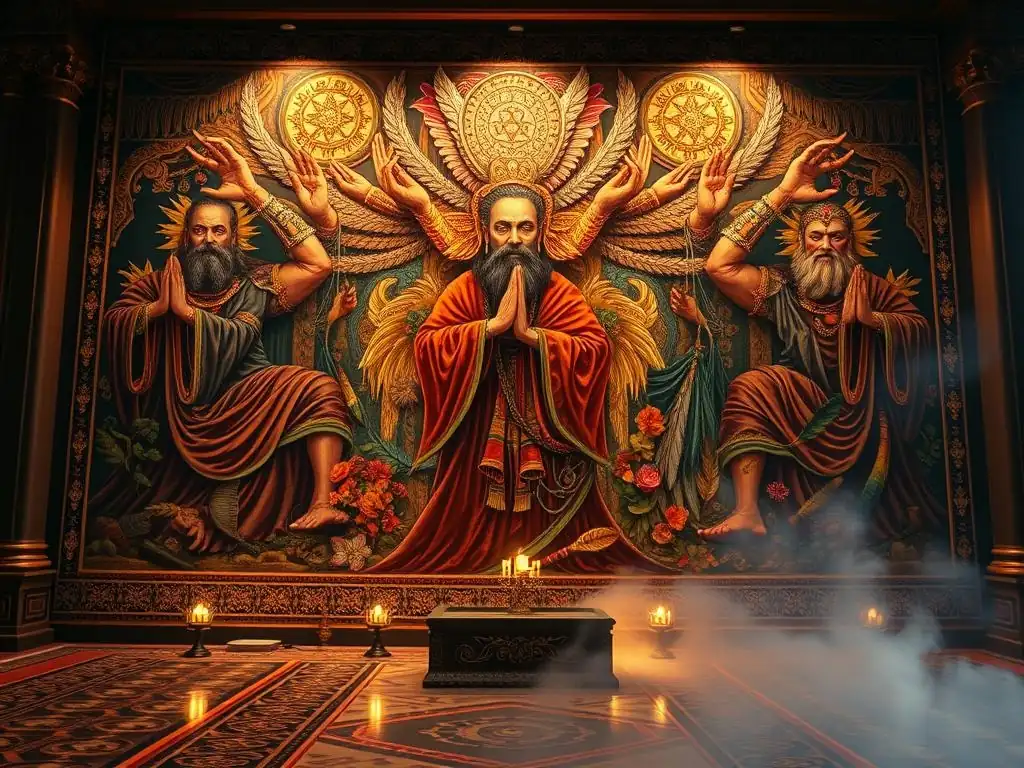
Ancestral beliefs, the conviction that deceased relatives continue to exist in some form and influence the lives of the living, constitute a fundamental aspect of many cultures worldwide. This reverence for forebears is not merely a historical curiosity; it is a dynamic force through which beliefs shape culture today, influencing everything from daily rituals to societal governance. Across continents and diverse traditions, the spiritual connection to ancestors provides a framework for understanding the world, guiding actions, and preserving collective identity.
The spiritual realm, often conceived as inhabited by ancestors and other spirits, serves as a crucial point of reference for communities. These beliefs provide a sense of continuity between past, present, and future generations, reinforcing social cohesion and transmitting cultural values. The understanding of this spirit world and its inhabitants is integral to how many societies perceive justice, morality, and their place within the cosmic order, demonstrating clearly how beliefs shape culture today in profound and lasting ways.
Defining Ancestral Veneration: A Global Perspective
Ancestral veneration, also known as ancestor worship, is a practice rooted in the belief that spirits of the deceased have the ability to influence the fortune of the living. This global phenomenon manifests in myriad forms, from elaborate annual ceremonies and offerings to daily acts of remembrance and respect. It is a practice found in societies as disparate as traditional African communities, East Asian cultures like China and Korea, and various indigenous groups across the Americas and Oceania, illustrating the pervasive nature of this spiritual connection.
The core principle often involves maintaining a reciprocal relationship with ancestors. The living provide offerings, prayers, and maintain family traditions, while the ancestors are believed to offer guidance, protection, and blessings. This spiritual exchange reinforces family ties, encourages filial piety, and ensures the continuation of lineage and cultural heritage. These deep-seated beliefs shape culture today by embedding a sense of history, responsibility, and interconnectedness within communities.
The Role of Spirit Worlds in Shaping Moral and Ethical Codes
Beliefs about the spirit world, particularly regarding the presence and influence of ancestors and other spiritual entities, play a significant role in establishing and enforcing moral and ethical codes within societies. The idea that ancestors are watchful guardians or even arbiters of justice often serves as a powerful deterrent against wrongdoing. Fear of displeasing the spirits, which could result in misfortune for the individual, family, or community, encourages adherence to societal norms and ethical conduct.
In many cultures, the spirit world is seen as a place where deeds in life are judged, or where spirits can intervene to punish transgressions. This spiritual accountability mechanism reinforces communal harmony and discourages anti-social behavior. For instance, breaching an oath sworn before ancestral altars or disrespecting elders (who are seen as closer to the spirit world) can carry spiritual consequences, demonstrating how beliefs shape culture today by providing a spiritual basis for moral frameworks.
In Igbo culture, Nigeria, ancestral beliefs are deeply interwoven with social structure and governance. The ndichie, or ancestors, are revered as integral members of the community, possessing influence in the affairs of the living. Traditional Igbo society is often organized around lineage groups, with elders acting as intermediaries between the living and the ancestors. Decisions regarding community matters, disputes, and ceremonies are often made with explicit reference to ancestral guidance and approval.
Land ownership, inheritance, and social status are frequently tied to ancestral lines and the perceived favor of the ndichie. Rituals and sacrifices are performed to maintain harmony with the spirit world, ensuring prosperity and avoiding misfortune. This pervasive influence highlights how these specific beliefs shape culture today in Igbo society, dictating social roles, reinforcing kinship ties, and providing a spiritual foundation for communal life and authority structures.
In the context of Korean Confucianism, ancestral beliefs, particularly jesa (ancestral rites), are central to family and social structure. While Confucianism is primarily a philosophy, its integration with indigenous Korean beliefs about spirits and ancestors created a unique system where filial piety extends beyond death. Jesa ceremonies, performed on death anniversaries and major holidays like Chuseok and Seollal, are elaborate affairs demonstrating respect and devotion to deceased parents and grandparents.
These rites reinforce hierarchical family relationships, with the eldest son typically leading the ceremony, emphasizing lineage continuation and the importance of family harmony. Participation in jesa is considered a crucial duty, failure to perform which can bring shame upon the family and disrupt the spiritual connection with ancestors. This deep-seated practice profoundly influences Korean social etiquette, family roles, and the emphasis on collective well-being over individual desires, illustrating how these beliefs shape culture today in Korea.
Frequently Asked Questions
How do ancient myths and legends continue to influence modern beliefs shape culture today?
Ancient myths often provide foundational stories and moral frameworks that underpin cultural values. These stories, passed down through generations, shape our understanding of the world and influence our ethical decision-making even today.
What role do belief systems play in forming cultural identity, as explored in the "Mythology and Legends" website?
Belief systems, including myths and legends, are central to cultural identity by providing a shared history and set of common values. They create a sense of belonging and define cultural boundaries between groups.
Can you give an example of a specific myth or legend and explain its lasting impact on contemporary society’s beliefs shape culture today?
The Greek myth of Icarus, for instance, serves as a cautionary tale about hubris. It continues to influence our understanding of ambition and the dangers of overreaching, shaping our cultural narratives about success and failure.
How does the "Mythology and Legends" website help people understand the relationship between folklore and the beliefs shape culture today?
The website provides a comprehensive resource for exploring folklore from diverse cultures. It highlights how these narratives reflect and reinforce societal norms and cultural values, demonstrating the direct link between the two.
In what ways can understanding different cultures' myths and legends foster greater beliefs shape culture today and empathy in a globalized world?
By studying myths from various cultures, we gain insights into different perspectives and worldviews. This understanding promotes cross-cultural empathy and helps us appreciate the diversity of human experience, ultimately fostering greater tolerance.
Final Reflection: The Enduring Power of Belief
The beliefs we hold, both individually and collectively, are not relics of the past; they are the very scaffolding upon which our modern world is built. The seemingly abstract realm of spirituality and belief systems continues to exert a profound and often unseen influence on our daily lives, shaping our laws, our social interactions, and even our technological advancements. Ignoring this powerful force is to ignore a fundamental aspect of the human experience.
The legacy of ancestral spirits, religious doctrines, and secular ideologies is woven into the fabric of our societies, influencing everything from political discourse to artistic expression. The impact is subtle yet pervasive. We see it in the ongoing debates surrounding ethical dilemmas, in the rise and fall of social movements, and in the very architecture of our cities. As the anthropologist Clifford Geertz eloquently stated, Man is an animal suspended in webs of significance he himself has spun. I take culture to be those webs.
This quote perfectly encapsulates the intricate relationship between belief and the cultural tapestry we inhabit. Understanding this connection is crucial to navigating the complexities of our modern world.
Consider the beliefs you hold dear. How have they shaped your perspectives, your choices, and your interactions with others? I urge you to reflect on this powerful influence, not to judge or condemn, but to understand and appreciate the profound impact of belief on the world around us. By engaging in this self-reflection, we can foster greater empathy, understanding, and ultimately, a more harmonious and enriching future for all.
Uncover Your Cultural Roots: Explore the Power of Belief
Thanks for exploring the fascinating connection between beliefs and cultural heritage! We hope you gained a new appreciation for the enduring power of tradition. Ready to delve deeper?
- Start a conversation: Share this article with someone who might find the insights inspiring and discuss your own family's beliefs and their impact on your culture. This is a great way to uncover hidden stories!
- Explore further: Research the mythology and legends specific to your own ancestral background – you might be surprised by what you discover.
- Contribute your story: If you have a personal anecdote about how beliefs have shaped your life or community, we'd love to hear it in the comments below!
What unique traditions or beliefs have shaped your cultural identity, and how do they continue to influence you today?