
The Stage is Set: Greek Tragedy's Enduring Influence on Modern Drama


Welcome to Mythology and Legends, your portal to the world's most captivating stories. Ever wondered how the echoes of ancient gods and heroes still resonate in the plays we see today? Dive into the shadows and light as we explore the profound influence of Greek tragedy on modern drama, a legacy that continues to shape the stage. Prepare to be enthralled by the timeless power of these narratives and discover the secrets they hold...
Introduction: Echoes of Ancient Greece in Contemporary Theatre
The echoes of ancient Greece resonate profoundly through the corridors of contemporary performance spaces. Thousands of years after the golden age of Athenian theatre, the fundamental principles, narrative structures, and thematic concerns of Greek tragedy continue to shape the landscape of modern drama. This enduring connection highlights a universal human experience explored through the lens of fate, morality, and suffering, demonstrating the timeless power of these ancient narratives.
The influence of Greek tragedy on modern drama is not merely academic; it is a palpable force felt in playwriting techniques, character development, and the very purpose of theatre. From the existential struggles depicted on stage to the exploration of societal norms and individual defiance, modern playwrights consciously and unconsciously draw upon the rich legacy of Aeschylus, Sophocles, and Euripides, proving that the foundations laid in the 5th century BCE remain relevant and vital to understanding the dramatic arts today.
- How directly does Greek tragedy influence the plot structures of modern plays?
- In what ways do Greek tragic themes resonate within contemporary dramatic works?
- What specific elements of Greek tragedy, besides plot, have been adopted by modern playwrights?
- How has the concept of the tragic hero evolved from ancient Greece to modern drama?
- Can you provide an example of a modern play that clearly demonstrates the influence of Greek tragedy?
The Foundations of Tragedy: Exploring Ancient Greek Theatre
Key Characteristics of Classical Greek Tragedy
Classical Greek tragedy, as performed in the Dionysian festivals of ancient Athens, possessed distinct characteristics that set it apart and laid the groundwork for Western theatre. Central among these were the unity of time, place, and action (though Aristotle primarily emphasized unity of action), the use of a chorus to provide commentary and context, and the focus on a protagonist of noble birth facing a downfall due to a tragic flaw ( hamartia) or an error in judgment.
Plays were often structured with a prologue, parodos (entry of the chorus), episodes (dialogue between characters and chorus), stasima (choral odes), and an exodus (final scene).
Performances were grand civic events, often spanning several days during the Great Dionysia festival. Plays were typically performed in open-air amphitheatres, like the Theatre of Dionysus in Athens, which could seat an estimated 15,000 to 17,000 spectators. Actors wore masks (prosopon) that conveyed character and emotion, and movements were often stylized and formal. The language was elevated verse, reflecting the serious and often religious nature of the themes explored, which frequently drew from Greek mythology and epic poetry.
Prominent Playwrights: Aeschylus, Sophocles, and Euripides
The bedrock of Greek tragedy was laid by three master playwrights: Aeschylus (circa 525/524 – 456/455 BCE), Sophocles (circa 497/496 – 406/405 BCE), and Euripides (circa 480 – 406 BCE). Aeschylus, often considered the "father of tragedy," is credited with introducing a second actor, allowing for true dialogue and dramatic conflict. His surviving works, such as the Oresteia trilogy, explore themes of justice, fate, and the transition from primitive vengeance to civilized law.
Sophocles, known for his masterful plots and profound characterization, introduced a third actor, further increasing dramatic possibilities. His most famous plays, including Oedipus Rex, Antigone, and Electra, delve into complex psychological states and moral dilemmas, often highlighting human limitations in the face of divine will or unavoidable fate.
Euripides, the youngest of the three, was known for his more realistic characters, questioning of traditional myths and societal values, and use of deus ex machina. Plays like Medea, The Bacchae, and The Trojan Women explored themes of passion, madness, and the suffering of women, often with a more critical and less pious perspective than his predecessors.
Core Themes: Fate, Free Will, and Hubris in Greek Plays
A central tension running through Greek tragedy is the interplay between fate and free will. Characters often grapple with prophecies or divine decrees that seem to predetermine their destinies, yet their choices and actions are crucial catalysts in bringing about their tragic ends. This exploration of agency within seemingly predetermined circumstances remains a compelling theme in modern drama, reflecting ongoing philosophical debates about control and destiny.
Another pervasive theme is hubris, or excessive pride or self-confidence, often leading to defiance of the gods or moral law. This overreaching ambition or arrogance inevitably results in the protagonist's downfall ( nemesis). Plays like Oedipus Rex, where Oedipus's determined pursuit of truth, born partly of pride in his intellect, leads to his horrific self-discovery, exemplify this. These themes of pride, consequence, and the limits of human understanding are fundamental elements that contribute to the lasting influence of Greek tragedy on modern drama, providing a timeless framework for exploring human folly and its repercussions.
The Enduring Legacy: How Greek Tragedy Shaped Modern Drama
Influence on Dramatic Structure: Revisiting the Three Unities
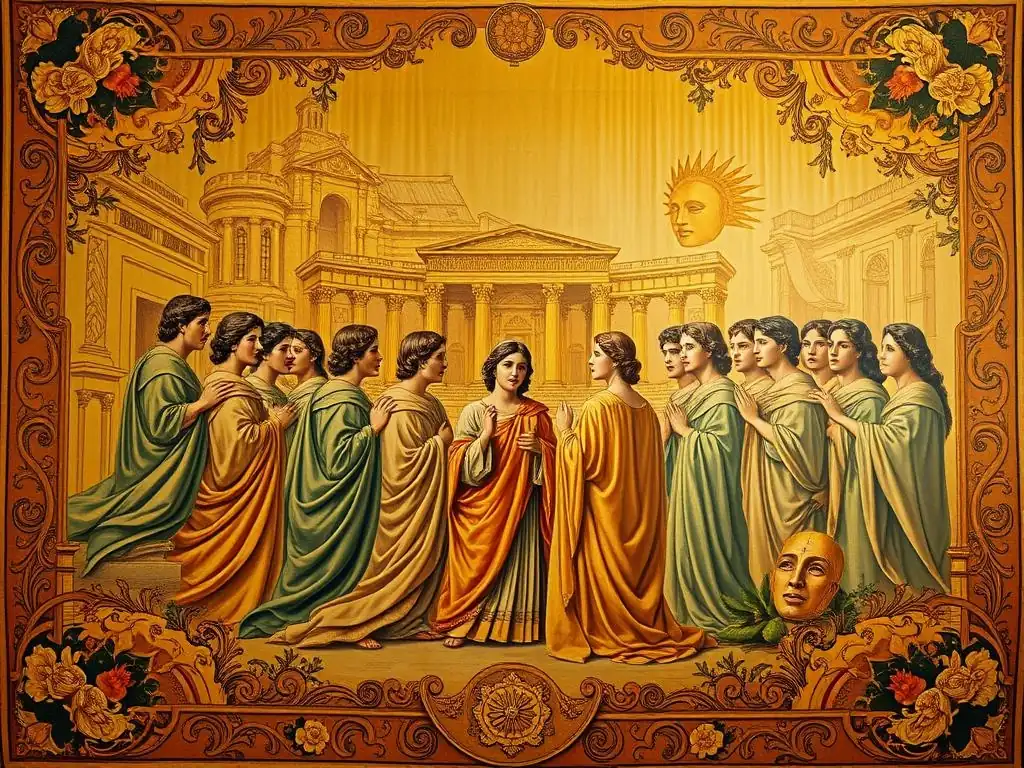
While the strict adherence to Aristotle's unities of time, place, and action (as interpreted by later critics, particularly during the Renaissance) has varied throughout theatre history, the underlying principles derived from Greek tragedy continue to inform dramatic structure. The unity of action, emphasizing a single, coherent plotline without extraneous subplots, remains a cornerstone of effective playwriting, ensuring focus and intensity.
Even when modern plays deliberately break these unities – spanning years, multiple locations, or incorporating fragmented narratives – they often do so in conscious dialogue with the classical tradition. The very act of subverting these structures acknowledges their historical significance as a dominant model. The focus on a clear beginning, middle, and end, leading inexorably towards a climax and resolution (often catastrophe in tragedy), is a structural blueprint inherited directly from the ancient Greek stage, providing a powerful framework for storytelling that continues to shape how plays are written and experienced.
The Chorus: From Ancient Commentary to Modern Dramatic Voice
The chorus in Greek tragedy served multiple functions: providing exposition, offering commentary on the action and characters' motives, engaging in dialogue with the actors, expressing communal values, and creating a lyrical interlude between episodes. While the literal form of a large, singing and dancing chorus is rare in modern drama, its dramatic functions have evolved and persist in various guises, illustrating the enduring influence of Greek tragedy on modern theatrical techniques.
Modern playwrights have adapted the concept of the chorus into different forms. This can manifest as a single narrator, characters who directly address the audience, collective groups representing society or a specific community, or even abstract soundscapes or visual elements that provide context or emotional resonance.
For instance, the Stage Manager in Thornton Wilder's Our Town acts as a choric figure, guiding the audience and offering philosophical commentary. The use of a collective voice or external perspective to reflect upon the action or universal themes is a clear lineage from the ancient Greek chorus, demonstrating its adaptability and continued relevance in contemporary theatre.
Character Archetypes: Tracing the Lineage from Oedipus to Willy Loman
Greek tragedy introduced powerful character archetypes that have become foundational to dramatic literature. The tragic hero, a figure of stature who falls from grace due to a flaw or unavoidable circumstances, is perhaps the most prominent. Oedipus, the king brought low by his own quest for truth and unavoidable fate, embodies this archetype. His journey of discovery and subsequent suffering resonates deeply, providing a template for countless characters who face similar devastating revelations or consequences.
This archetype finds clear echoes in modern drama. Willy Loman in Arthur Miller's Death of a Salesman can be seen as a modern tragic figure, a man of modest stature whose aspirations and self-delusions (a form of hamartia or perhaps a tragic flaw in a contemporary context) lead to his destruction.
Similarly, Blanche DuBois in Tennessee Williams's A Streetcar Named Desire faces a tragic downfall rooted in her inability to confront reality and her reliance on fragile illusions. The exploration of characters wrestling with internal flaws, societal pressures, and forces beyond their control—leading inevitably towards suffering or destruction—is a direct inheritance from the character studies first presented in Greek tragedy, showcasing its deep impact on character development in modern drama.
Specific Examples: Tragic Elements in Modern Plays
Examining Death of a Salesman: A Modern Interpretation of Hamartia
Arthur Miller's Death of a Salesman (1949) is widely considered a seminal example of how Greek tragic elements were reinterpreted for the modern stage. Willy Loman, the protagonist, is not a king or noble, but a common man, fulfilling Miller's idea of the "tragedy of the common man." Willy's hamartia is often interpreted as his desperate adherence to a flawed version of the American Dream – believing that popularity and superficial charm are the keys to success, rather than hard work and integrity.
This tragic flaw, coupled with his inability to face reality and his strained relationships, leads directly to his downfall and eventual suicide. The play follows a clear trajectory towards catastrophe, much like ancient tragedies, and explores themes of illusion versus reality, paternal failure, and societal pressures. The structure, though incorporating flashbacks, maintains a focus on Willy's internal and external struggles, culminating in a powerful and inevitable tragic end, demonstrating a clear link between the concept of hamartia in Greek tragedy and character development in modern drama.
Analyzing Long Day's Journey Into Night: Echoes of Euripides in O'Neill's Work
Eugene O'Neill's Long Day's Journey Into Night (written 1941, first performed 1956) reflects the psychological intensity and domestic suffering often associated with plays by Euripides. Like many Euripidean tragedies, O'Neill's play focuses on a family unit torn apart by internal conflict, addiction, and past traumas. The characters are trapped in a cycle of blame, denial, and fleeting moments of connection, mirroring the inescapable fate that often hounds characters in Greek plays.
The play unfolds over a single day, adhering loosely to the unity of time, intensifying the dramatic tension as the family's secrets and dependencies are laid bare. Mary Tyrone's morphine addiction and the family's inability to confront it function almost like a curse or unavoidable external force, similar to the divine interventions or fated circumstances in Greek tragedy.
O'Neill's unflinching portrayal of human frailty, suffering, and the destructive power of familial bonds resonates strongly with the raw emotional landscape found in works like Euripides' Medea or The Trojan Women, highlighting the enduring influence of Greek tragedy on modern drama's psychological depth.
Comparing Oedipus Rex and A Streetcar Named Desire: A Thematic Exploration
Comparing Sophocles' Oedipus Rex and Tennessee Williams's A Streetcar Named Desire (1947) reveals striking thematic parallels, particularly concerning the destructive pursuit of truth and the tragic consequences of unavoidable revelation. In Oedipus Rex, Oedipus relentlessly seeks the truth about the plague afflicting Thebes, only to uncover the horrific reality of his own identity and actions, leading to ruin.
In A Streetcar Named Desire, Stanley Kowalski's brutal insistence on uncovering the truth about Blanche DuBois's past serves a similar function. Just as Oedipus's enlightenment leads to blindness and exile, Blanche's exposure leads to her complete mental breakdown and institutionalization. Both plays feature protagonists whose carefully constructed realities are shattered by an inescapable truth, leading to their tragic downfall. The thematic core – the devastating impact of confronting harsh reality – links these seemingly disparate plays across millennia, showcasing the deep and continuous influence of Greek tragedy on modern drama's exploration of the human psyche.
The Psychological Depth: Greek Tragedy and the Human Condition
Exploring the Complexities of Human Emotion: From Catharsis to Modern Therapy
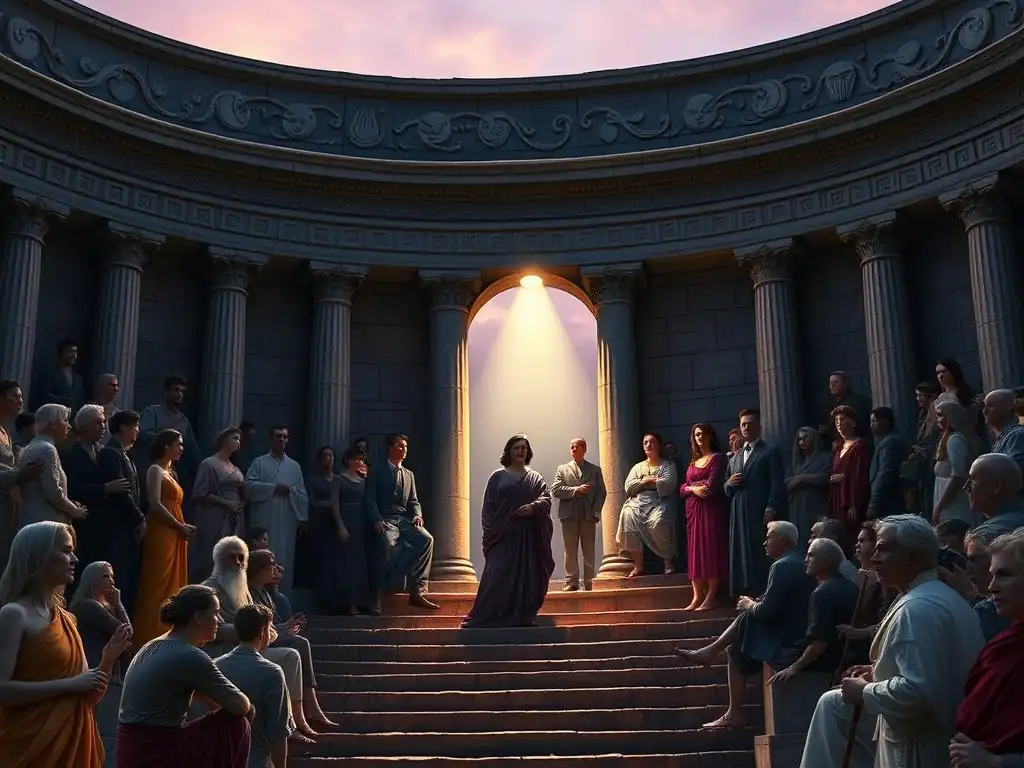
Greek tragedy was deeply concerned with the exploration of complex human emotions, particularly pity and fear, which Aristotle suggested led to catharsis – a purging or purification of these emotions in the audience. This focus on evoking and processing intense feelings through dramatic representation established theatre as a powerful tool for psychological engagement, a concept that continues to inform modern dramatic practice and even finds distant echoes in therapeutic approaches.
While modern therapy is scientifically based and distinct from theatrical catharsis, both acknowledge the importance of confronting difficult emotions and narratives to achieve understanding or relief. Modern drama, influenced by its Greek forebears, still aims to evoke strong emotional responses in audiences, prompting reflection on universal experiences of suffering, loss, and moral choice. The stage remains a vital space for exploring the inner lives of characters and, by extension, the psychological complexities of the human condition, a legacy directly traceable to the emotional intensity of Greek tragedy.
The Role of Suffering: Examining the Tragic Hero's Journey
Suffering is not merely an unfortunate outcome in Greek tragedy; it is often a transformative experience that leads to recognition ( anagnorisis) or a deeper, albeit painful, understanding of one's place in the cosmos. The tragic hero's journey is fundamentally one through suffering, which reveals character, tests resilience, and exposes fundamental truths about existence. This emphasis on the meaningfulness (or meaninglessness) of suffering is a profound aspect of Greek tragedy's influence on modern drama.
Modern plays continue to place suffering at the forefront, exploring its causes, impacts, and the ways characters cope or fail to cope with it. Whether it is the suffering caused by war, social injustice, psychological illness, or personal failure, modern drama often adopts the tragic framework to examine how individuals navigate immense pain and loss. The idea that suffering can lead to a form of revelation or simply highlight the harsh realities of life is a direct inheritance from the somber yet insightful world of Greek tragedy, reinforcing its enduring relevance.
The Influence of Greek Mythology on Modern Psychological Plays
Greek mythology provided Greek tragedians with a rich source of narratives and characters already imbued with symbolic and psychological depth. Myths like the House of Atreus, Oedipus, or Medea contained archetypal conflicts, familial curses, and intense emotional situations that lent themselves naturally to exploring the human psyche. The stories themselves, dealing with themes of guilt, vengeance, fate, and transgression, provided a pre-existing framework for psychological drama.
Modern psychological plays, while often set in contemporary or historical non-mythological contexts, frequently draw upon the thematic and structural patterns found in these ancient myths and the tragedies based upon them. The exploration of inherited trauma, inescapable pasts, internal conflicts that manifest externally, and the dark side of human nature in modern drama can be seen as secularized versions of the forces at play in Greek mythology and tragedy. The enduring fascination with these ancient narratives underscores their foundational influence on understanding and depicting the complexities of the human mind in modern theatre.
Modern Interpretations and Adaptations of Greek Tragedies
Contemporary Adaptations of Antigone: Reimagining the Classics
Sophocles' Antigone is perhaps one of the most frequently adapted and reinterpreted Greek tragedies in modern times, serving as a powerful example of the continued influence of Greek tragedy on modern drama and its capacity for contemporary relevance. The play's central conflict—the clash between individual conscience and state law, between familial duty and political obedience—remains a potent theme in any era grappling with authority, justice, and civil disobedience.
Numerous playwrights have created modern versions of Antigone to comment on contemporary political and social issues. Jean Anouilh's Antigone (1944), written during the Nazi occupation of France, recast the conflict as one between resistance and collaboration.
Athol Fugard's The Island (1973), set in a South African prison during apartheid, features inmates performing a version of Antigone. These adaptations demonstrate how the core narrative of Greek tragedy can be transplanted to vastly different contexts, proving its universal applicability and enduring power to provoke thought on timeless moral and political dilemmas, highlighting the strong influence of Greek tragedy on modern drama's engagement with social issues.
The Use of Greek Tragedy in Modern Film and Television
The influence of Greek tragedy extends beyond the stage into modern film and television, where tragic narratives, character archetypes, and thematic concerns are frequently explored, sometimes through direct adaptation and other times through subtle homage. Films like Pier Paolo Pasolini's Oedipus Rex (1967) offer direct, albeit stylized, cinematic interpretations of ancient texts.
More often, modern visual media borrow tragic structures and themes. Crime dramas and thrillers frequently feature protagonists with tragic flaws whose actions lead to their inevitable downfall, echoing the structure of Greek tragedy. Family sagas on television often delve into generational curses, fate, and the consequences of past actions, reminiscent of the House of Atreus myths. Even superhero narratives sometimes incorporate tragic elements, exploring the burden of power and the personal cost of heroism. This pervasive presence across different media formats underscores the deep and multifaceted influence of Greek tragedy on modern drama and storytelling in general.
The Ongoing Relevance of Ancient Themes in a Modern World
The timeless themes explored in Greek tragedy – fate vs. free will, the consequences of pride, the nature of justice, the impact of suffering, the conflict between individual and society, and the complexities of family relationships – remain acutely relevant in the modern world. Despite technological and societal shifts, fundamental human experiences and moral questions persist, making these ancient plays resonate with contemporary audiences.
Issues of political power and dissent (as in Antigone), the devastating effects of trauma and revenge ( Medea, Electra), the search for truth and identity ( Oedipus Rex), and the struggle against overwhelming forces continue to shape human lives. Modern playwrights, filmmakers, and writers return to these themes because they speak to universal anxieties and aspirations. The continued exploration and adaptation of these ancient narratives demonstrate the remarkable ability of Greek tragedy to provide a powerful lens through which to understand the human condition, solidifying its ongoing and profound influence on modern drama and culture.
Conclusion: The Timeless Power of Greek Tragedy in Modern Theatre
The Continued Influence of Greek Tragedy on Playwrights and Audiences
The legacy of Greek tragedy is woven into the fabric of modern theatre. Playwrights continue to study the masters – Aeschylus, Sophocles, and Euripides – finding inspiration in their structural innovations, profound characterizations, and exploration of universal themes. The concepts of the tragic hero, hamartia, catharsis, and the dramatic unities, whether strictly adhered to or consciously subverted, provide a foundational vocabulary for discussing and creating dramatic works.
Audiences, too, respond to the power of tragic narratives, finding resonance in stories of human struggle, moral dilemmas, and the confronting of difficult truths. The capacity of theatre to evoke empathy, challenge perspectives, and offer a space for communal reflection on suffering and resilience is a direct inheritance from the ancient Greek stage. The enduring influence of Greek tragedy on modern drama lies in its ability to provide a timeless framework for exploring the deepest aspects of human existence, proving its continued vitality and relevance.
Preserving the Legacy: The Importance of Studying Greek Drama
Studying Greek drama is crucial for understanding the historical trajectory of Western theatre and appreciating the roots of many dramatic conventions and themes that persist today. Engaging with these ancient texts provides invaluable insights into the origins of tragedy, the development of dramatic structure, and the foundational myths that have shaped Western culture.
Furthermore, the study of Greek tragedy offers a powerful means of engaging with fundamental philosophical and ethical questions that remain pertinent. By examining how the ancient Greeks grappled with concepts of fate, justice, responsibility, and the human condition, students and practitioners of modern drama gain a deeper appreciation for the enduring power of storytelling to explore complex issues. Preserving and engaging with this legacy ensures that the profound influence of Greek tragedy on modern drama continues to enrich theatrical practice and captivate audiences for generations to come.
Frequently Asked Questions
How directly does Greek tragedy influence the plot structures of modern plays?
While modern plays rarely exactly replicate ancient Greek plots, they often adapt and reimagine classic tragic narratives to explore contemporary issues. The fundamental conflict and resolution structures are frequently echoed.
In what ways do Greek tragic themes resonate within contemporary dramatic works?
Themes like fate, hubris, and the consequences of ambition, all central to Greek tragedy, continue to be explored in modern drama, reflecting universal human experiences.
What specific elements of Greek tragedy, besides plot, have been adopted by modern playwrights?
Modern drama often borrows Greek tragic elements such as the use of a chorus (albeit in modified forms), heightened language, and a focus on moral dilemmas.
How has the concept of the tragic hero evolved from ancient Greece to modern drama?
The tragic hero in modern drama is often more relatable and flawed, grappling with internal conflicts and societal pressures, but still facing inevitable downfall. The definition of heroic itself has shifted.
Can you provide an example of a modern play that clearly demonstrates the influence of Greek tragedy?
Arthur Miller's "Death of a Salesman" exemplifies this influence. It explores the tragic downfall of a common man, echoing themes of hubris and the consequences of flawed ambition that are central to Greek tragedy.
Final Reflection: Echoes of Tragedy in a Modern World
The enduring power of Greek tragedy isn't confined to dusty textbooks; its themes of fate, free will, and the human condition resonate profoundly with our modern anxieties. The exploration of hubris, the consequences of unchecked ambition, and the inescapable weight of destiny remain strikingly relevant in a world grappling with complex political landscapes, technological advancements, and the ever-present shadow of human fallibility. These ancient narratives offer a timeless mirror reflecting our own struggles and triumphs.
The influence of Greek tragedy on modern drama is undeniable, shaping not only the structure and style of plays but also the very way we understand storytelling and character development. From Shakespeare's masterful adaptations to the psychological explorations of contemporary playwrights, the echoes of Sophocles and Euripides reverberate through the ages. The only way to deal with tragedy is to become a tragic hero,
wrote someone wise, and this sentiment perfectly encapsulates the enduring appeal of these ancient narratives. They allow us to confront the darkest aspects of humanity, to grapple with suffering and loss, and ultimately, to find meaning in the face of adversity. This exploration, though painful, is ultimately cathartic and essential to the human experience.
Consider the complexities of the characters you've encountered throughout this article. Reflect on how their flaws, their triumphs, and their ultimate fates mirror the challenges and choices we face in our own lives. You, too, are a character in your own ongoing drama. Embrace the lessons of Greek tragedy – the importance of self-awareness, the dangers of unchecked ambition, and the enduring power of empathy – and use them to navigate the complexities of your own story. Let the echoes of these ancient voices guide you towards a more meaningful and fulfilling life.
Unleash Your Inner Playwright: Explore the Power of Greek Tragedy
Thanks for diving deep into the world of Greek tragedy with us! We hope you've gained a fresh appreciation for its lasting impact on modern storytelling. Ready to take this inspiration further?
- Craft your own tragic monologue: Consider a character facing a moral dilemma, a moment of hubris, or the weight of fate. Even a short piece can tap into the raw power of this ancient art form.
- Share your thoughts and interpretations of a favorite Greek tragedy in the comments below – let’s spark a discussion! What resonates most with you, and why?
- Explore a modern play influenced by Greek tragedy: Use this newfound knowledge to delve deeper into contemporary works and uncover the hidden threads of classical influence.
What modern-day conflict could you reimagine through the lens of Greek tragedy, and how might its themes resonate with today's audiences?