
From Ancient Lore to Modern Pop Culture: Hybrid Creatures Today

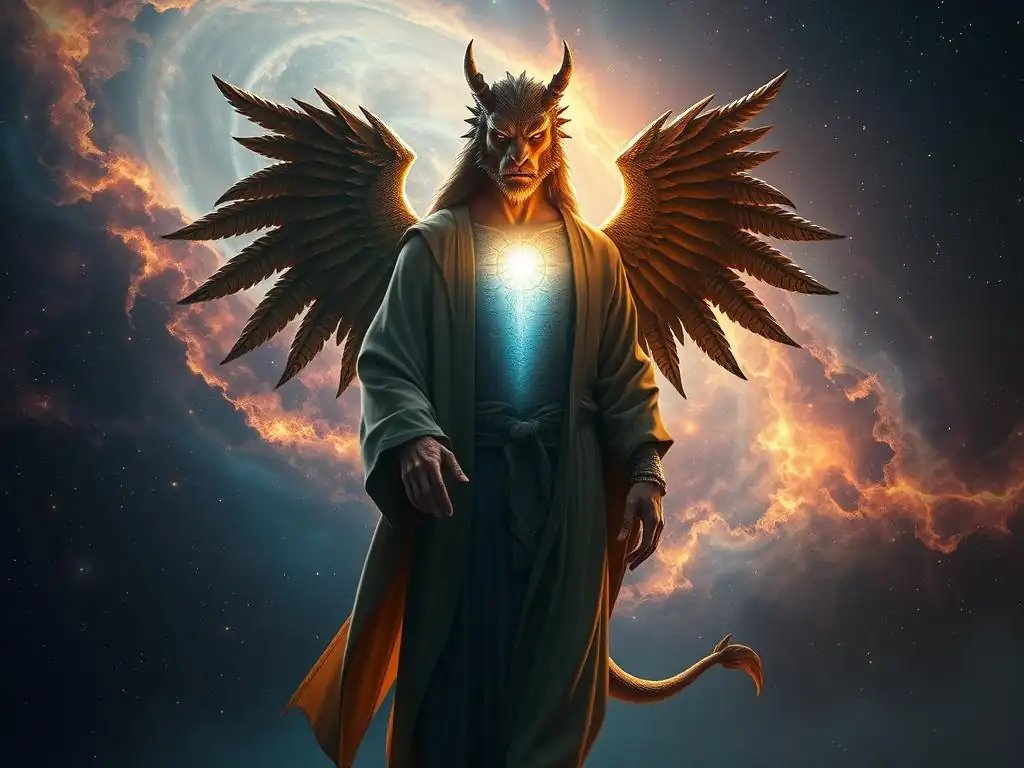
Welcome to Mythology and Legends, your gateway to the world's most captivating stories! Ever wondered how ancient myths about hybrid creatures still echo in our modern world? Prepare to be amazed as we delve into the fascinating journey of these legendary beings, tracing their evolution from ancient folklore to their surprising presence in modern pop culture. What secrets do these mythical mashups hold, and why do they continue to capture our imagination? Let's explore!
- The Nature of Hybrid Creatures in Mythology and Folklore
- Cultural Manifestations of Hybrid Creatures
- The Allure of Hybrid Creatures: Psychological and Narrative Dimensions
- Hybrid Creatures in Contemporary Pop Culture
- The Evolution of Hybrid Creature Design
- The Future of Hybrid Creatures
- Hybrid Creatures in Contemporary Society
-
Frequently Asked Questions
- What are some examples of hybrid creatures commonly found in folklore?
- How have hybrid creatures evolved from ancient myths to appear in modern pop culture?
- What role do hybrid creatures play in modern storytelling?
- How does the portrayal of hybrid creatures differ across various cultures and folklore?
- Why are hybrid creatures so enduring in both ancient myths and modern pop culture?
- Final Reflection: Echoes of Myth, Whispers of the Future
- Unleash Your Inner Mythmaker: Create Your Hybrid Creature!
The Nature of Hybrid Creatures in Mythology and Folklore
Defining Hybrid Creatures: A Global Overview
Hybrid creatures are beings composed of parts from different animals, or a combination of human and animal forms, found across diverse mythologies and folklore traditions worldwide. These fascinating entities transcend geographical boundaries and cultural divides, appearing in ancient tales from every corner of the globe. From the Sphinx guarding the pyramids in Egypt to the Kitsune shapeshifters of Japanese folklore and the Centaurs roaming the plains of Greek myth, the concept of blending disparate forms to create something new is a universal theme in human storytelling.
This blending often results in creatures possessing unique abilities or embodying complex symbolic meanings, reflecting the beliefs and anxieties of the cultures that created them. The prevalence of hybrid creatures in folklore underscores a shared human fascination with the boundary between species and the potential inherent in combining their traits.
The definition of hybrid creatures extends beyond simple animal-animal or human-animal combinations. It encompasses beings that might fuse elements of humans, animals, and even inanimate objects or natural phenomena. Examples include the Golem, sometimes depicted as a clay figure brought to life, or elemental spirits that combine human form with aspects of fire, water, or earth.
The Chimaera of Greek myth, a classic example, features the body of a lion, the head of a goat on its back, and a serpent for a tail, explicitly combining three distinct animals into one terrifying entity. This global phenomenon of creating hybrid creatures in folklore serves not just as imaginative invention but often as a means to explore complex ideas about nature, power, and the unknown.
The Role of Hybrid Creatures in Ancient Belief Systems
In ancient belief systems, hybrid creatures were far more than mere fantastical inventions; they often held significant religious, social, or cosmological roles. They frequently served as intermediaries between the human world and the divine or supernatural realms, embodying traits that single species could not fully represent.
For instance, the Egyptian deity Sobek, often depicted as a crocodile-headed man, represented the power and ferocity of the Nile's dominant predator while also embodying the protective and fertile aspects associated with the river, crucial to Egyptian life. Similarly, the Lamassu of ancient Mesopotamia, winged human-headed bulls or lions, stood guard at palace gates, symbolizing divine protection and immense power, intended to ward off evil spirits and enemies.
These composite beings were deeply integrated into the spiritual and practical lives of ancient peoples. They appeared in religious iconography, monumental architecture, and funerary art, guiding souls, protecting communities, or serving as powerful omens. The Minotaur, confined within the labyrinth in Greek myth, represents a monstrous consequence of human transgression and divine wrath, serving as a cautionary tale. The widespread belief in and representation of hybrid creatures in folklore and myth across ancient cultures highlights their importance in conceptualizing the world, understanding the divine, and navigating the mysteries of existence.
Symbolic Meanings of Hybrid Beings
Hybrid creatures in mythology and folklore are rich with symbolic meaning, often embodying dualities or representing complex concepts that cannot be captured by a single form. Their composite nature frequently symbolizes the merging of different realms or forces – such as the wild and the civilized, the divine and the earthly, or life and death.
The Centaur, half-human and half-horse, can symbolize the conflict between human intellect and animalistic passion, often depicted as either wise scholars (like Chiron) or wild, uncontrollable beings. The Siren, combining human and bird or fish elements, embodies the seductive danger of the unknown, luring sailors to their doom with enchanting song, representing temptation and peril.
These symbolic meanings were integral to the moral and philosophical frameworks of ancient societies. They served as powerful metaphors for human nature, societal structure, or the forces of the cosmos. The Ouroboros, a serpent or dragon eating its own tail, often depicted with hybrid characteristics or associated with other composite beings, symbolizes cyclicality, eternity, and the interconnectedness of all things. The layered symbolism of hybrid creatures allowed ancient cultures to explore abstract ideas and moral lessons through compelling, visually striking figures that resonated deeply within their belief systems.
Hybrid Creatures as Omens and Messengers
Many hybrid creatures in folklore were regarded as omens or messengers, appearing to signal significant events, convey divine will, or warn of impending danger. Their unusual forms set them apart from ordinary animals, making them natural candidates for carrying messages from the supernatural realm. The Sphinx, beyond its role as a guardian, famously posed riddles, acting as a test or a harbinger of fate for those who encountered it. Creatures like the Harpies, bird-women known for snatching things and delivering divine punishment, served as direct agents of the gods, bringing plague or misfortune as a consequence of human actions.
The appearance of a specific hybrid creature could be interpreted as a sign requiring careful attention and understanding. In some traditions, encountering certain hybrid beings might indicate a blessing or a curse, a call to action, or a warning to change course.
For example, certain types of dragons in Asian folklore, often composite beings with features of serpents, fish, and other animals, were associated with weather and water, their appearance potentially signaling drought or flood, requiring propitiation or specific rituals. This role as omens and messengers further cemented the importance of hybrid creatures in the daily lives and spiritual practices of ancient peoples, bridging the gap between the mundane and the mystical.
Cultural Manifestations of Hybrid Creatures
Greek Mythology: Chimeras, Sirens, and Gryphons
Greek mythology is exceptionally rich in hybrid creatures, reflecting a complex worldview that explored the boundaries between humanity, divinity, and the animal kingdom. Among the most iconic is the Chimaera, a terrifying beast with the body of a lion, a goat's head emerging from its back, and a serpent for a tail, famous for breathing fire.
This creature, slain by the hero Bellerophon, embodies untamed, monstrous nature and the chaos it represents, a stark contrast to the order championed by heroes and gods. The depiction of the Chimaera in ancient Greek art and literature, such as Homer's Iliad, solidifies its place as a prime example of a fearsome, multi-species composite being.
Another prominent example is the Siren, initially depicted as bird-women but later often shown as mermaids, known for their irresistible song that lured sailors to their deaths on rocky shores. Featured famously in Homer's Odyssey, where Odysseus must tie himself to the mast to resist their call, Sirens symbolize temptation, danger, and the perils of the sea. The Gryphon (or Griffin), a majestic creature with the body of a lion and the head and wings of an eagle, is another significant Greek hybrid.
Often associated with wealth and guardianship, Gryphons were said to guard treasures, particularly gold, symbolizing power, majesty, and vigilance. These Greek hybrid creatures in folklore continue to influence modern fantasy and art, demonstrating their enduring cultural impact.
Egyptian Mythology: Sphinxes and Composite Deities
Egyptian mythology features a distinct array of hybrid creatures, often deeply intertwined with religious beliefs and the pantheon of gods. The most famous is the Sphinx, typically depicted as a creature with the body of a lion and the head of a human (often a pharaoh), but variations also include ram-headed (criosphinx) or falcon-headed (hieracosphinx) forms.
Sphinxes served primarily as guardians of temples and tombs, symbolizing royal power, strength, and divine protection. The Great Sphinx of Giza, a monumental stone sculpture, stands as a testament to the significance of this hybrid form in ancient Egyptian culture, embodying the might and wisdom of the pharaoh it represents.
Beyond the Sphinx, Egyptian mythology is notable for its numerous deities depicted with human bodies and animal heads, such as Anubis with the head of a jackal (god of the afterlife), Horus with the head of a falcon (god of the sky and kingship), and Bastet with the head of a cat (goddess of home, fertility, and protection). These composite forms symbolized the specific attributes of the animals that the deities embodied, linking divine power to the natural world.
Sobek, the crocodile-headed god, represented the power of the Nile and its associated dangers and fertility. These hybrid representations were not merely symbolic but were central to the religious practices and understanding of the cosmos in ancient Egypt, showcasing a unique approach to hybrid creatures in folklore.
Asian Mythology: Dragons, Qilin, and Baku
Asian mythologies, particularly those of China, Japan, and Korea, boast a rich tradition of hybrid creatures, many of which hold benevolent or complex roles rather than solely monstrous ones. The East Asian dragon (Lóng in Chinese, Ryū in Japanese, Yong in Korean) is perhaps the most prominent example. Unlike the often malevolent dragons of European folklore, East Asian dragons are typically benevolent beings associated with water, rain, typhoons, and floods.
They are composite creatures, often described as having the body of a serpent, the scales of a fish, the claws of an eagle, the horns of a deer, and the head of a camel or horse. These dragons symbolize power, strength, good fortune, and control over the elements, playing vital roles in myths about creation, weather control, and imperial authority. The diverse forms and roles of dragons highlight the variety of hybrid creatures in folklore across different cultures.
Another significant hybrid creature is the Qilin (Kirin in Japanese), a mythical hooved chimerical creature said to appear with the imminent arrival or passing of a sage or illustrious ruler. Described with features of various animals, such as the head of a dragon or deer, the body of a deer or ox, the scales of a fish, and the tail of a lion or ox, the Qilin is a symbol of good fortune, prosperity, protection, and longevity.
It is often depicted walking on clouds or water, causing no harm to living things. The Baku, a Japanese supernatural being that devours nightmares, is another fascinating hybrid, often depicted with the body of a bear, the nose of an elephant, the eyes of a rhinoceros, the tail of a cow, and the legs of a tiger.
Believed to have been created from the leftover pieces of animals when the gods finished creating the world, the Baku serves a protective function, offering solace from bad dreams. These examples demonstrate the unique and varied forms and functions of hybrid creatures in Asian folklore.
The Allure of Hybrid Creatures: Psychological and Narrative Dimensions
Exploring the Psychological Appeal of Hybridity
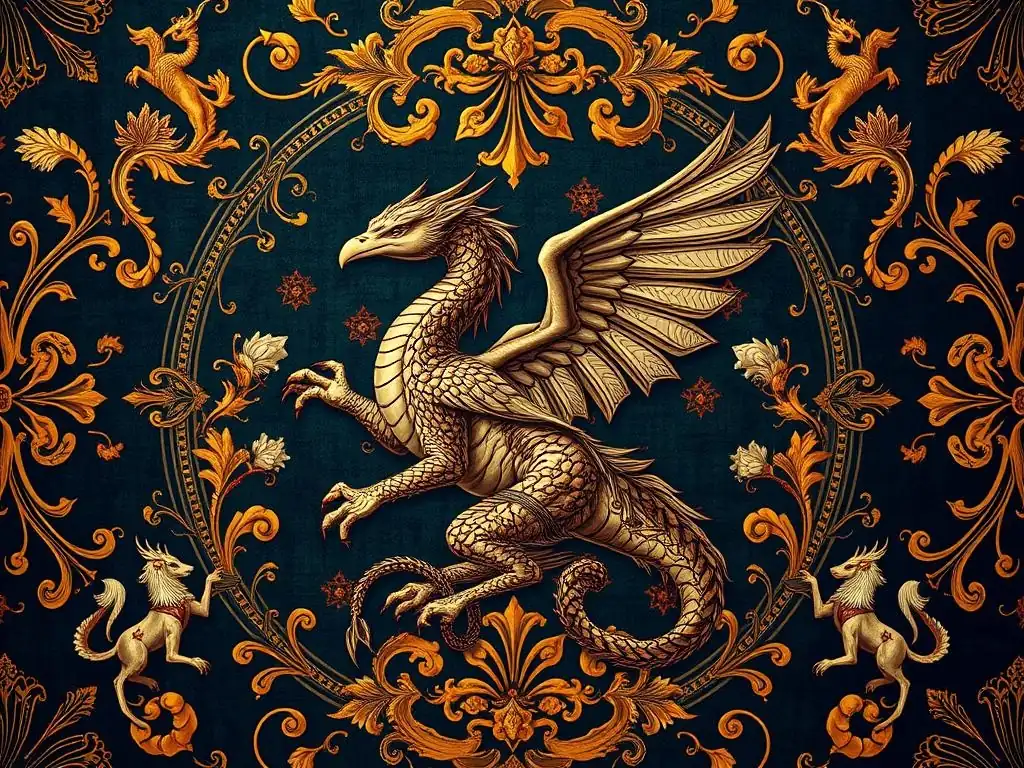
The enduring appeal of hybrid creatures in folklore and mythology likely stems from deep-seated psychological fascinations. Their composite nature plays on our innate curiosity about the unknown and the boundaries between categories. By combining familiar forms in unexpected ways, hybrid creatures challenge our perceptions of the natural world and tap into our imagination. They can embody paradoxes – strength and vulnerability, beauty and horror, human and animal – which resonate with the complexities of the human psyche and the world we inhabit. The Minotaur, trapped between human reason and bestial rage, serves as a potent symbol of internal conflict.
Furthermore, hybridity can evoke both awe and fear. Creatures like the Gryphon inspire wonder through their majestic combination of kingly animals, while the Chimaera instills primal terror through its monstrous fusion. This duality allows hybrid creatures to serve as powerful archetypes in our collective unconscious, representing transformation, mutation, and the potential for both creation and destruction. Their existence in stories provides a safe space to explore anxieties about identity, difference, and the limits of the known world, contributing to the lasting power of hybrid creatures folklore modern pop culture.
Hybrid Creatures as Narrative Devices in Storytelling
Hybrid creatures are incredibly versatile narrative devices, serving various functions within stories across folklore, literature, and modern media. Their unique forms and abilities make them compelling characters, antagonists, or symbols that can drive plots, create conflict, or represent thematic elements. As antagonists, creatures like the Lernaean Hydra (multiple heads, often depicted with serpentine and canine features) provide formidable challenges for heroes, testing their strength and cunning. As allies or guides, beings like the wise Centaur Chiron in Greek myth offer knowledge and aid to protagonists.
Their symbolic weight also allows hybrid creatures to deepen the thematic layers of a narrative. A story featuring a Sphinx might explore themes of wisdom, fate, and consequence, while one involving Sirens could delve into temptation, desire, and self-control.
In modern fantasy, hybrid creatures often represent magical transformations or the blurring of lines between different races or species, adding complexity to world-building and character development. The inherent strangeness and potential power of hybrid beings make them effective tools for creating memorable moments, exploring complex ideas, and engaging audiences across generations, solidifying their place in hybrid creatures folklore modern pop narratives.
Hybrid Creatures in Contemporary Pop Culture
Fantasy Literature: The Witcher, Percy Jackson, and His Dark Materials
Hybrid creatures have found a thriving home in contemporary fantasy literature, where they are reimagined and integrated into expansive fictional worlds. Andrzej Sapkowski's The Witcher series, for example, features a vast array of monsters, many of which are hybrids drawing inspiration from various European folklore traditions. Creatures like the Striga (a cursed human transformed into a monstrous, animalistic hybrid) or the Griffin (reimagined as dangerous flying predators) challenge the protagonist, Geralt, and drive much of the plot. This series demonstrates how traditional hybrid creatures folklore modern pop can be adapted for mature, complex narratives.
Rick Riordan's Percy Jackson & The Olympians series directly pulls from Greek mythology, populating its modern world with classic hybrid creatures like Centaurs (Chiron is a key character), Satyrs (human-goat hybrids), and Minotaurs. These beings interact with the human world and demigod characters, making ancient myths accessible and exciting to a new generation. Philip Pullman's His Dark Materials trilogy features Daemons, animal companions that are physical manifestations of a person's soul.
While not always traditional hybrids, some Daemons can change forms, and the concept explores the fluidity of identity through animalistic representation, touching upon themes similar to those embodied by hybrid creatures in folklore. These examples showcase the continued relevance and adaptability of hybrid creatures in modern storytelling.
Film and Television: Avatar, Pan's Labyrinth, and The Shape of Water
Film and television have brought hybrid creatures to life with stunning visual effects, introducing them to massive global audiences. James Cameron's Avatar features a rich ecosystem of alien life on Pandora, including numerous hybrid creatures like the Direhorse (six-legged, horse-like creatures) and the Leonopteryx (a massive flying predator combining features of birds and felines). These creatures are integral to the world-building and the narrative, representing the wild beauty and danger of Pandora and serving as mounts and spiritual companions for the Na'vi. Avatar exemplifies how modern media can create entirely new hybrid creatures folklore modern pop settings.
Guillermo del Toro's films often feature unique and memorable hybrid beings. Pan's Labyrinth includes the Faun (a creature blending human and goat features, a variation of the Satyr/Pan archetype) and the terrifying Pale Man (a humanoid creature with eyes in its hands, blending human form with monstrous, non-human anatomy). These creatures are deeply symbolic, representing nature, mythology, and the horrors of war.
Del Toro's The Shape of Water centers on a romantic relationship between a human woman and an Amphibian Man, a creature combining human and aquatic animal traits. This film directly explores themes of otherness, empathy, and love across species boundaries, showcasing a contemporary take on the human-animal hybrid that resonates with ancient hybrid creatures folklore modern pop themes.
Video Games: Monster Hunter, The Last Guardian, and Horizon Zero Dawn
Video games provide an interactive platform for experiencing hybrid creatures, allowing players to encounter, battle, and even bond with them. The Monster Hunter series is built entirely around the concept of hunting giant monsters, many of which are complex hybrids. Creatures like the Rathalos, a flying wyvern combining features of dragons, birds of prey, and reptiles, or the Zinogre, a fanged wyvern with wolf-like and insectoid elements, are central to the gameplay.
The detailed designs and behaviors of these creatures offer a modern interpretation of battling powerful, often hybrid, beasts from folklore. Monster Hunter is a prime example of how hybrid creatures folklore modern pop translates into interactive entertainment.
The Last Guardian features Trico, a massive creature that is a unique hybrid of a bird, a cat, and a dog. The game focuses on the bond between a young boy and Trico, exploring themes of friendship, trust, and overcoming differences through the relationship with this fantastical hybrid being.
Horizon Zero Dawn populates a post-apocalyptic world with robotic creatures designed to resemble prehistoric and modern animals, including various hybrid forms like the Thunderjaw (a massive, T-Rex like machine with cannon jaws) or the Stormbird (a flying machine resembling a giant eagle). While technological, these creatures draw heavily on animal forms and often combine traits in hybrid ways, serving as the primary antagonists and wonders of the game world, showcasing a futuristic take on hybrid creatures folklore modern pop.
The Evolution of Hybrid Creature Design
The Influence of Historical Depictions on Modern Design
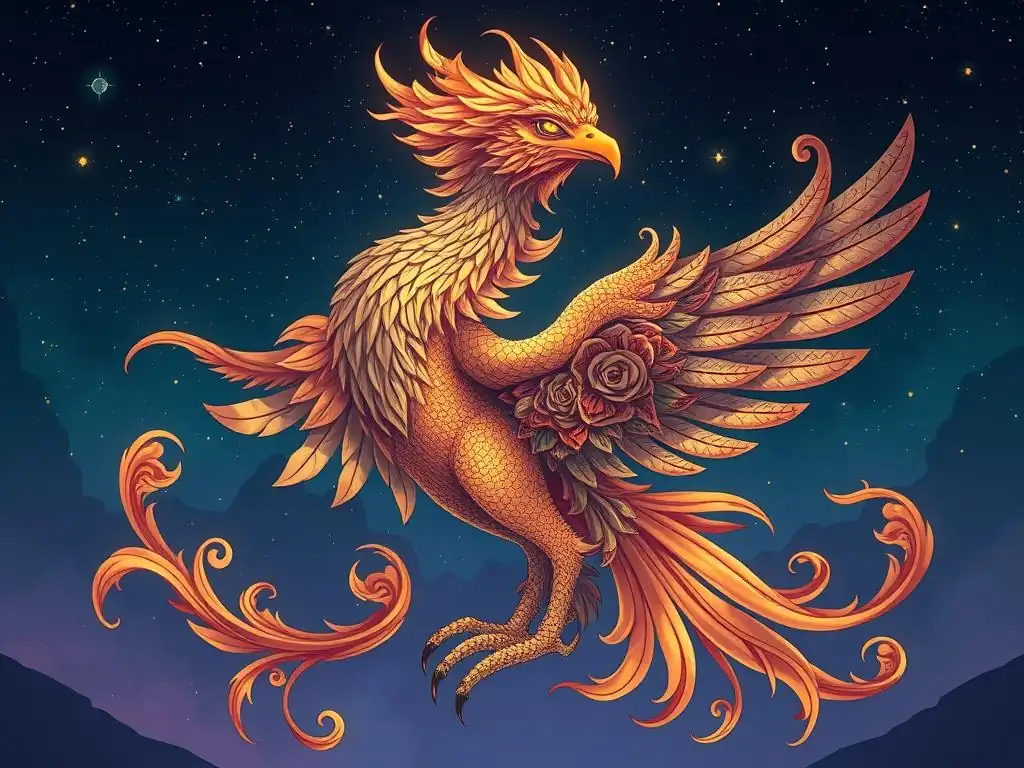
Modern designs of hybrid creatures in pop culture are heavily influenced by historical depictions found in ancient art, mythology, and folklore. Artists and creators often draw directly from classic examples like the Greek Sphinx, the Egyptian Anubis, or the East Asian Dragon, using them as starting points for new interpretations. The basic concept of combining a human body with an animal head, or merging the features of multiple animals, remains a fundamental principle. For instance, many modern fantasy dragons still retain serpentine, reptilian, and avian features reminiscent of their mythological ancestors.
Beyond direct replication, historical depictions provide a rich vocabulary of forms and symbolic associations that inform contemporary design choices. The power and majesty associated with the Gryphon's lion-eagle combination continue to inspire creatures designed to be noble guardians or formidable aerial predators. The monstrous fusions of Greek myths like the Chimaera influence the creation of terrifying, multi-limbed or multi-headed beasts in horror and fantasy. Even when creating entirely new hybrid creatures, designers often consciously or unconsciously work within the established grammar of hybridity developed over millennia of hybrid creatures folklore modern pop storytelling.
Analyzing the Design of the Rathalos from Monster Hunter
The Rathalos from the Monster Hunter series serves as an excellent case study for how historical influences and modern design principles converge in creating a compelling hybrid creature. The Rathalos is classified as a "Flying Wyvern," a type of dragon often depicted with two legs and wings (unlike the four-legged, two-winged European dragon). Its design clearly pulls from traditional dragon and wyvern imagery found in European folklore, incorporating reptilian scales, sharp claws, and large, bat-like wings. However, it also integrates elements that enhance its predatory nature and fit the game's ecosystem concept.
Specifically, the Rathalos combines reptilian bulk and strength with avian agility in the air. Its large talons and powerful bite reflect predatory bird and reptile traits. Furthermore, its signature ability to inflict poison through its claws and tail adds a specific, game-relevant danger that builds upon the traditional dragon's elemental breath (often fire, which the Rathalos also uses).
The design emphasizes not just a visual blend of forms but a functional one, where each component contributes to the creature's role as a formidable apex predator within its environment. This synthesis of ancient archetype (dragon/wyvern) with specific ecological and gameplay considerations exemplifies the evolution of hybrid creatures folklore modern pop design.
The Future of Hybrid Creatures
Emerging Interpretations and Representations
The concept of hybrid creatures continues to evolve, with emerging interpretations and representations pushing the boundaries of traditional folklore. Modern science fiction and speculative fiction explore biological engineering, genetic modification, and cybernetics to create new forms of hybridity, moving beyond purely mythological origins. Creatures might be the result of scientific experiments gone awry, intentional genetic splicing, or the integration of organic and mechanical components. This reflects contemporary anxieties and fascinations surrounding technology and its potential impact on life forms.
Furthermore, contemporary narratives increasingly use hybrid creatures to explore complex social themes, such as identity, marginalization, and the definition of "human." Stories featuring characters who are human-animal hybrids (like werewolves or centaurs, but with modern twists) often delve into their struggles with belonging, prejudice, and reconciling their dual natures. This reflects a growing interest in using hybridity as a metaphor for diverse identities and experiences in a multicultural world. The future of hybrid creatures folklore modern pop is likely to see continued innovation, blending ancient archetypes with cutting-edge concepts and using them to tell stories relevant to contemporary society.
The Enduring Power of Hybrid Creatures in Human Culture
Despite thousands of years passing since their first appearance in ancient myths, hybrid creatures maintain a powerful hold on the human imagination. Their enduring appeal lies in their ability to embody paradoxes, challenge our understanding of the natural world, and serve as potent symbols for complex ideas. They are flexible narrative tools that can inspire awe, provoke fear, represent inner conflict, or symbolize hope and transformation. From the guardians of ancient temples to the monsters of video games and the metaphors in modern literature, hybrid creatures continue to populate our stories and dreams.
The fascination with hybrid creatures reflects a fundamental human trait: the desire to understand and categorize the world, while simultaneously being drawn to that which defies easy classification. These beings, existing between categories, invite us to contemplate possibility, difference, and the interconnectedness of life. As long as humans tell stories and ponder the mysteries of existence, hybrid creatures folklore modern pop will likely remain a vibrant and evolving part of our cultural landscape, adapting to new media and new ideas while retaining their ancient roots.
Hybrid Creatures in Contemporary Society
Hybrid Creatures as Metaphors for Identity and Transformation
In contemporary society, hybrid creatures frequently serve as powerful metaphors for identity, particularly in discussions around mixed heritage, cultural assimilation, gender identity, and personal transformation. The experience of being a hybrid creature – belonging to multiple worlds or categories simultaneously – resonates deeply with individuals navigating complex identities in a diverse and rapidly changing world. Stories featuring characters who are part human, part something else (mythological, alien, or genetically engineered) often explore the challenges of feeling like an outsider, the search for belonging, and the process of integrating disparate parts of oneself.
For example, narratives about werewolves, classic human-wolf hybrids, can be interpreted as metaphors for grappling with primal instincts, managing societal expectations versus inner nature, or the experience of undergoing significant, sometimes challenging, personal change. The fluidity often associated with hybrid forms mirrors the contemporary understanding of identity as something dynamic and multifaceted rather than fixed and singular. This use of hybrid creatures folklore modern pop as a lens for exploring identity highlights their continued relevance in helping us understand ourselves and others.
Hybrid Creatures in Contemporary Art and Design
Hybrid creatures are a recurring motif in contemporary art and design, appearing in everything from fine art sculptures and paintings to graphic design, fashion, and digital art. Artists are drawn to their visual complexity and symbolic depth, using them to explore themes related to nature, technology, the body, and cultural mixing. A sculpture combining human and animal forms might comment on humanity's relationship with the environment or the blurring lines between organic and artificial life.
In design, hybrid creatures can appear in logos, illustrations, and character concepts, adding a touch of the fantastical or symbolic to commercial and artistic projects. Fashion designers sometimes incorporate elements inspired by hybrid beings, creating garments that blend human form with animal textures or structures. Digital artists and illustrators widely use hybrid creature concepts to create unique characters for games, animations, and conceptual art pieces. This presence in contemporary art and design demonstrates that the visual and symbolic power of hybrid creatures folklore modern pop remains potent and continues to inspire creative expression across various mediums.
Frequently Asked Questions
What are some examples of hybrid creatures commonly found in folklore?
Common examples include the Minotaur (half-man, half-bull), the Griffin (half-eagle, half-lion), and the Centaur (half-human, half-horse). These creatures often represent powerful symbolic meanings within their respective cultures.
How have hybrid creatures evolved from ancient myths to appear in modern pop culture?
Originally symbols of divinity or monstrous threats, hybrid creatures are now often used as fantasy elements in books, movies, and video games. This transition reflects a shift from religious significance to entertainment value.
What role do hybrid creatures play in modern storytelling?
They often serve as metaphors for internal conflict, identity struggles, or the fusion of different cultures. Their unique characteristics allow authors to explore complex themes in engaging ways.
How does the portrayal of hybrid creatures differ across various cultures and folklore?
The specific traits and symbolic representations of hybrid creatures vary greatly. What is considered sacred or benevolent in one culture might be seen as malevolent or dangerous in another.
Why are hybrid creatures so enduring in both ancient myths and modern pop culture?
Their inherent novelty and symbolic potential allow them to represent a wide range of concepts. This adaptability and versatility ensures their continued relevance and fascination for audiences.
Final Reflection: Echoes of Myth, Whispers of the Future
The enduring fascination with hybrid creatures reflects a deep-seated human need to explore the boundaries of identity, both individually and collectively. These fantastical beings, born from the fusion of disparate elements, continue to resonate powerfully in our modern world, shaping our narratives and challenging our perceptions of what it means to be human. Their presence in our collective consciousness is not merely a nostalgic nod to ancient lore; it's a vital commentary on our ever-evolving understanding of ourselves and the world around us.
The influence of hybrid creatures extends far beyond the realm of fantasy; they serve as potent metaphors for societal anxieties and aspirations. From the anxieties surrounding genetic engineering reflected in modern depictions of chimeras, to the celebration of cultural blending represented in diverse mythological figures, these beings act as mirrors to our own complexities. Myth is a language that speaks to the deepest levels of the human psyche, and hybrid creatures are particularly powerful symbols within that language.
This quote highlights the enduring power of these figures to capture our imaginations and force us to confront uncomfortable truths about our own nature.
Consider the hybrid creatures you've encountered – in film, literature, or even your own dreams. What aspects of their nature resonate most strongly with you? What anxieties or hopes do they embody? I urge you to explore this further, to delve into the rich tapestry of myth and modern media, and to consider the ways in which these fascinating beings continue to shape our understanding of the world and our place within it. Let the echoes of ancient lore inspire you to embrace the complexities of identity and the boundless possibilities of the human imagination.
Unleash Your Inner Mythmaker: Create Your Hybrid Creature!
Thanks for exploring the fascinating world of hybrid creatures with us! You've now uncovered the rich history and surprising modern relevance of these mythical beings. Ready to take your newfound knowledge to the next level?
- Design your own hybrid creature: Let your imagination run wild! Combine elements from different mythologies and creatures to create something truly unique. Sketch it out, write a story about it – whatever sparks your creativity!
- Share your creation: Post your design on social media and tag #MythologyHybrids – let’s build a community of myth-loving creators!
- Explore further: Delve deeper into the mythology behind your favorite hybrid creatures. What other legends could inspire your next creation?
So, what incredible hybrid are you going to bring to life?