
Dragons: Fearful Beasts or Benevolent Spirits? A CrossCultural Look

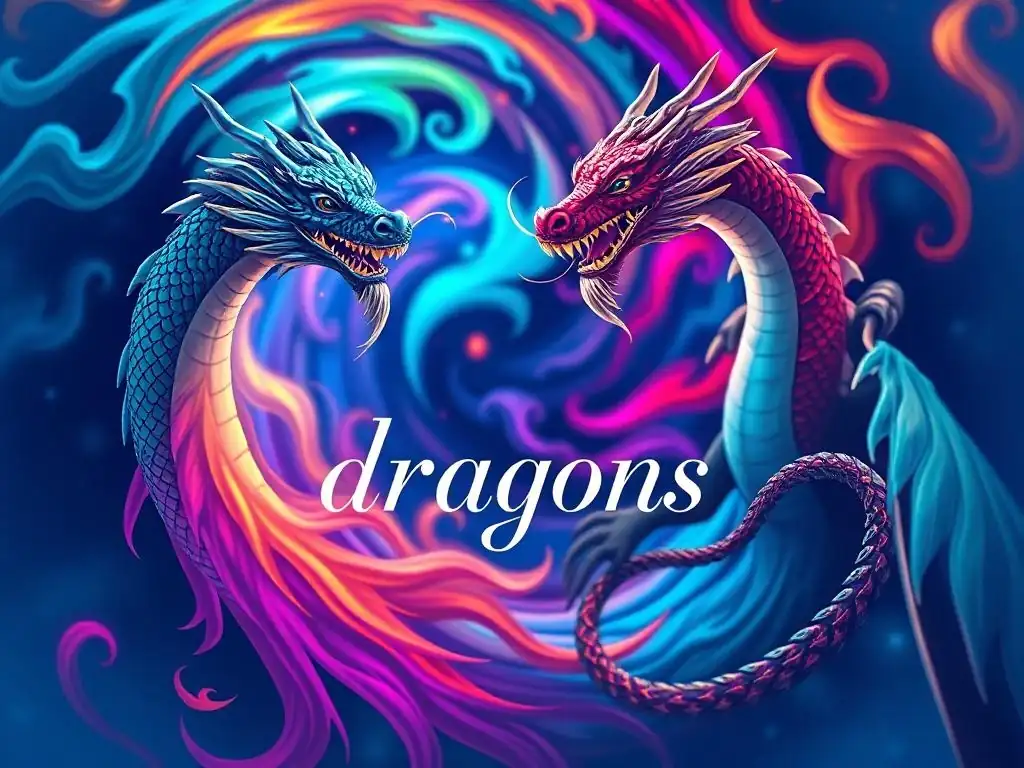
Welcome to Mythology and Legends, where the echoes of ancient stories resonate in the modern world. Ever wondered why dragons, those magnificent creatures of fire and scale, capture our imaginations across cultures? Delve into our exploration of dragons symbolism across cultures and uncover the surprising truths behind these legendary beings – are they truly fearsome monsters, or something far more profound? The answers might just change the way you see the world.
- Introduction: Exploring Dragon Symbolism Across Cultures
-
Frequently Asked Questions
- What are some common characteristics attributed to dragons across different cultures?
- How does the symbolism of dragons differ between Eastern and Western cultures?
- What are some examples of dragons embodying specific elements or concepts?
- How have dragons influenced contemporary society, despite being mythical creatures?
- Are there any cultures where dragons are considered sacred or divine beings?
- Final Reflection: Unraveling the Dragon's Paradox
- Unleash Your Inner Dragon Lore Expert!
Introduction: Exploring Dragon Symbolism Across Cultures
The Enduring Appeal of Dragons in Mythology and Folklore
Dragons are arguably one of the most universally recognized mythological creatures, appearing in the lore of countless cultures across the globe. From the icy fjords of Scandinavia to the vast deserts of China, serpentine or reptilian beings with immense power have captured the human imagination for millennia. This widespread presence suggests a deep, perhaps innate, fascination with these powerful entities, transcending geographical and linguistic barriers. Exploring the diverse forms and functions of dragons provides a fascinating lens through which to study Dragons symbolism across cultures, revealing shared human concerns and unique cultural perspectives.
The enduring appeal of dragons likely stems from their embodiment of powerful natural forces and primal instincts. They represent both the terrifying potential of nature – storms, fire, earthquakes – and the awe-inspiring majesty of creatures beyond human control. Their presence in myths often serves to explain the inexplicable, enforce moral codes, or provide formidable challenges for heroes. This duality, where dragons can be both destructive forces and sources of wisdom or power, ensures their continued relevance and provides a rich tapestry for understanding Dragons symbolism across cultures.
Dragons: More Than Just Fire-Breathing Monsters?
While the popular image of a dragon in Western culture often defaults to a colossal, winged reptile guarding treasure and breathing fire, this depiction represents only a fraction of the world's dragon lore. The reality of Dragons symbolism across cultures is far more varied and nuanced. Many traditions portray dragons not as malevolent beasts to be slain, but as benevolent spirits, guardians of nature, or symbols of imperial authority and good fortune.
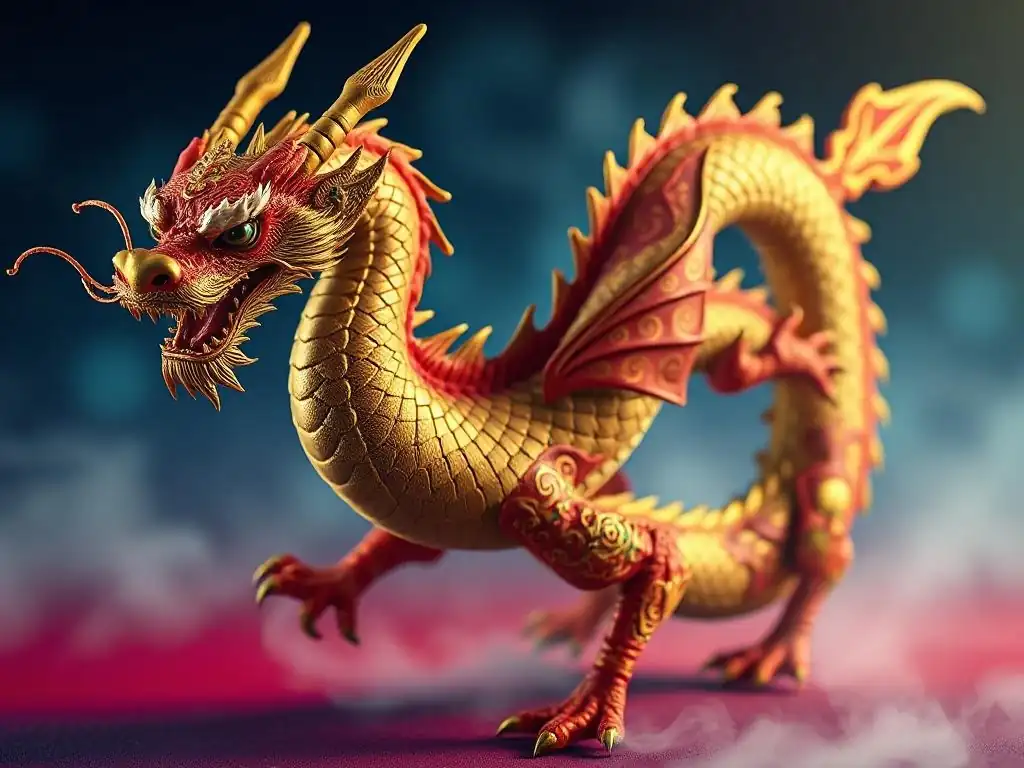
Consider, for instance, the stark contrast between the typical European dragon, often depicted as a force of chaos and greed, and the traditional Chinese Lóng. The Lóng is primarily associated with water, rainfall, rivers, and oceans, crucial elements for agriculture and life. They are revered as bringers of prosperity and are closely linked to the Emperor, symbolizing divine power and good governance. Similarly, the feathered serpent deities like Quetzalcoatl in Mesoamerica represent wind, wisdom, and life itself, a far cry from the hoard-guarding monsters of European epics. These diverse portrayals highlight the complexity and richness inherent in studying Dragons symbolism across cultures.
Frequently Asked Questions
What are some common characteristics attributed to dragons across different cultures?
Dragons are often depicted as powerful, serpentine creatures with the ability to breathe fire. Many cultures associate them with wealth and protection, though depictions vary widely.
How does the symbolism of dragons differ between Eastern and Western cultures?
In the West, dragons are frequently portrayed as destructive and evil, requiring slaying by heroes. Conversely, Eastern dragons are often seen as benevolent, representing good fortune, wisdom, and power.
What are some examples of dragons embodying specific elements or concepts?
Many cultures associate dragons with the elements of nature, such as water, fire, or earth. They can also embody concepts like royalty, strength, or the balance of the universe.
How have dragons influenced contemporary society, despite being mythical creatures?
Dragons frequently appear in modern literature, film, and video games, shaping our understanding of fantasy and adventure. Their symbolism also influences areas like design and marketing.
Are there any cultures where dragons are considered sacred or divine beings?
Yes, in many Asian cultures, dragons are revered as divine beings and are often associated with emperors and gods. They are seen as symbols of power and prosperity.
Final Reflection: Unraveling the Dragon's Paradox
The enduring fascination with dragons transcends mere mythology; it reflects our own complex relationship with power, change, and the unknown. Dragons, as symbols, continue to resonate deeply in our modern world, shaping our narratives, art, and even our understanding of ourselves. Their presence in everything from fantasy novels to corporate logos speaks volumes about their persistent cultural influence.
The dragon's symbolism, as explored throughout this article, is a powerful testament to the fluidity of meaning across cultures. While fear and destruction are certainly prominent themes, so too are wisdom, prosperity, and even benevolent guardianship. The dragon is not just a monster; it is a mirror reflecting our own deepest fears and aspirations.
This quote, though not directly from the text, encapsulates the core message: the dragon's image is a canvas upon which we project our own hopes and anxieties, constantly reshaping its meaning through our interactions with it. This dynamic relationship is what makes the dragon such a compelling and enduring figure.
Consider the dragon's multifaceted nature. What aspects of its symbolism resonate most strongly with you? Do you see yourself reflected in its destructive power, or in its potential for wisdom and transformation? I invite you to explore the dragon within yourself – to examine the fears and aspirations that shape your own understanding of this powerful creature. By understanding the dragon's symbolism across cultures, we gain a deeper understanding of ourselves and the rich tapestry of human experience.
Unleash Your Inner Dragon Lore Expert!
Thanks for diving into the fascinating world of dragons with us! You've gained a unique perspective on these mythical creatures, seeing them through the lens of diverse cultures. Now it's time to put your newfound knowledge into action!
- Craft your own dragon myth: Let your imagination soar! Design a unique dragon with its own personality, powers, and cultural context. Share its story in the comments below – we’d love to hear it!
- Explore other captivating mythologies on our site. We have a wealth of articles waiting to be discovered – from ancient Greek gods to Norse legends.
- Share your dragon discoveries: Spread the wonder of dragon lore with your friends! Share this article on your favorite social media platform.
So, what unique qualities would your dragon possess, and what role would it play in its own fictional world?