
From Myth to Mascot: Hybrid Creatures in Sports and Logos

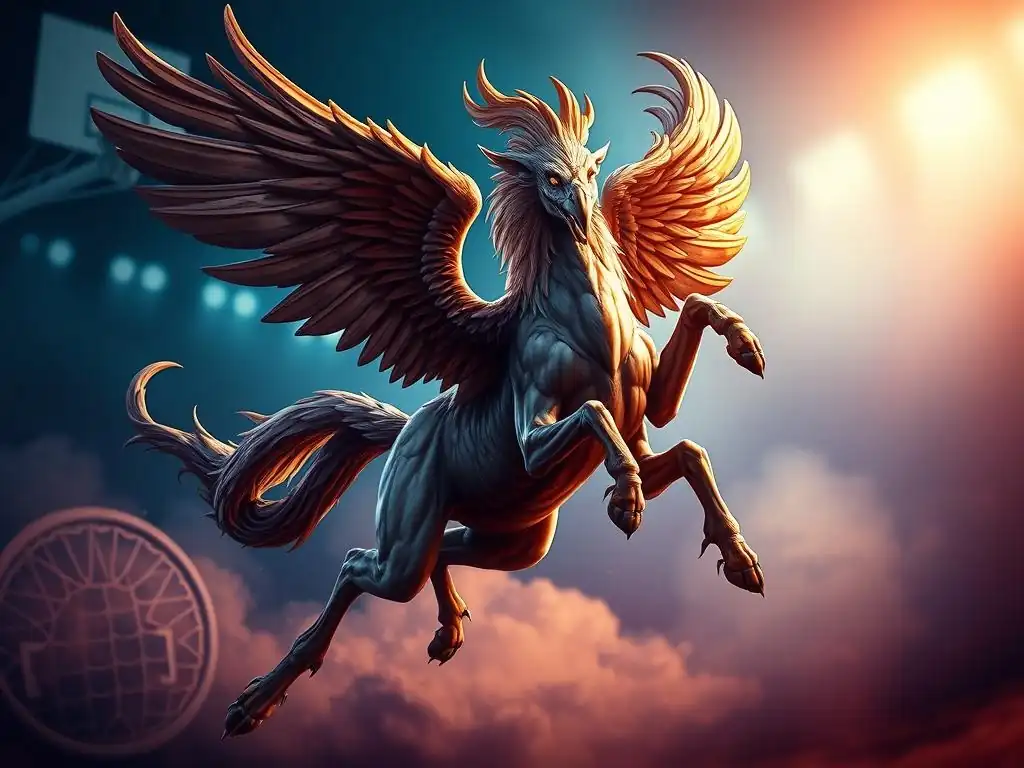
Welcome to Mythology and Legends, where ancient tales come alive! Ever wondered about the hidden power behind your favorite sports team's mascot? Prepare to be amazed as we delve into the fascinating world of Sports mascot mythical origins logos. Uncover the surprising connections between legendary creatures and the branding of our modern world. Are these just coincidences, or is there a deeper magic at play? Let the journey begin...
- Introduction: The Enduring Appeal of Hybrid Creatures in Mythology and Modern Branding
- Part 1: Mythological Hybrid Creatures - Ancient Inspirations
- Part 2: The Rise of Hybrid Creatures as Sports Mascots
- Part 3: Hybrid Creatures in Corporate Logos and Branding
- Part 4: The Evolution of Hybrid Creature Design in Logos
- Part 5: The Psychology Behind Our Fascination with Hybrid Creatures
- Conclusion: The Lasting Legacy of Mythical Hybrids in Sports, Branding, and Beyond
-
Frequently Asked Questions
- What are some common mythical creatures used as sports mascots?
- How do sports teams use mythical creatures to create their logos?
- What is the cultural significance of using mythical beings as mascots and logos?
- How does the use of mythical creatures in sports branding impact a team's image?
- Are there any ethical considerations when using mythical creatures derived from specific cultures in sports logos?
- Final Reflection: The Enduring Power of Myth in Modern Branding
- Unleash Your Inner Mascot Designer!
Introduction: The Enduring Appeal of Hybrid Creatures in Mythology and Modern Branding
Hybrid creatures, beings composed of parts from multiple animals or humans, have captivated the human imagination for millennia. From the ancient myths of Mesopotamia and Egypt to the folklore of Greece, Rome, and beyond, these fantastical entities served various narrative purposes – embodying chaos, wisdom, power, or the intersection of different realms. Their complex forms and symbolic depth made them potent figures in creation stories, epic tales, and religious iconography, reflecting humanity's attempts to understand the natural world and its own place within it.
This deep-seated fascination with composite forms has not remained confined to ancient texts and art. It has permeated modern culture, finding new life in literature, film, and, perhaps most notably, in branding and identity. The adoption of hybrid creatures as symbols for sports teams and corporate entities speaks to their enduring power as archetypes.
These logos and mascots leverage the inherent symbolism of their mythological origins to convey specific traits, whether it's the ferocity and speed desired by an athletic team or the stability and mystique sought by a global corporation. Exploring the journey from ancient lore to modern logos reveals a fascinating continuity in how we use powerful symbols to represent identity and aspiration.
Exploring the Mythological Roots of Hybrid Creatures
The concept of hybrid creatures is deeply embedded in the earliest known mythologies. These beings often arose from attempts to categorize and understand the diverse and sometimes contradictory aspects of the natural world.
For example, the ancient Egyptian pantheon featured numerous deities with human bodies and animal heads, such as Anubis (jackal) or Thoth (ibis), symbolizing the connection between the divine and the animal kingdom, or representing specific attributes like justice, wisdom, or death. Mesopotamian myths included figures like the Lamassu, a protective deity with a human head, the body of a bull or lion, and eagle wings, often guarding entrances to palaces and cities, embodying strength, speed, and intelligence.
Greek mythology, particularly, is rich with diverse hybrids that have had a lasting impact. The Centaur, a being with the upper body of a human and the lower body of a horse, represented both wild, untamed nature (as seen in the battle against the Lapiths) and profound wisdom (embodied by figures like Chiron).
The Minotaur, a creature with the head of a bull and the body of a man, symbolized monstrous power and the consequences of hubris. These figures were not just fantastical; they were integral to moral lessons, origin stories, and the exploration of boundaries between humanity, animality, and the divine, providing a fertile ground for the mythical origins of sports mascots and logos.
From Ancient Myths to Modern Mascots: A Journey Through Time
The transition of hybrid creatures from sacred or cautionary figures in ancient myths to popular symbols in modern branding is a testament to their potent visual and symbolic appeal. Initially, these beings might appear in heraldry, representing noble families or regions, carrying forward associations of strength, lineage, or specific virtues.
The heraldic griffin, for instance, combined the might of a lion with the majesty of an eagle, making it a popular emblem for royalty and chivalry throughout medieval Europe. This tradition of using powerful, composite creatures as identifiers laid groundwork for their eventual adoption in other forms of collective identity.
As organized sports grew in prominence and teams sought unique identities, the inherent power and dynamism of mythical hybrids made them ideal candidates for mascots and logos. A team aiming to project strength and speed might choose a creature like a griffin or a winged horse. A company seeking to convey resilience or ancient wisdom might look to a sphinx or a siren.
The process involves selecting a creature whose traditional mythological associations align with the desired brand attributes. This journey from ancient lore, through heraldry, and into modern commercial art demonstrates a continuous thread of human reliance on powerful, symbolic imagery, directly influencing the choices made for sports mascot mythical origins logos today.
Part 1: Mythological Hybrid Creatures - Ancient Inspirations
Ancient mythologies are a treasure trove of hybrid creatures, each embodying unique combinations of traits and symbolism derived from the animals or humans they comprise. These beings were central to the narratives, cosmologies, and belief systems of numerous cultures, reflecting their views on nature, power, and the supernatural. Understanding their original contexts provides crucial insight into why they remain such compelling figures for modern identity and branding, particularly in the realm of sports mascot mythical origins logos.
These mythological inspirations offer a deep well of archetypes that resonate across cultures and time. The inherent tension or harmony within a hybrid form – the combination of brute force and aerial grace, human intelligence and animal instinct – creates a complex symbol that can represent a wide range of concepts. This complexity makes them versatile choices for teams or brands looking to convey a multi-faceted identity that goes beyond simple strength or speed, drawing on the rich tapestry of their ancient symbolic meanings.
The Griffin: A Symbol of Strength and Vigilance in Ancient Cultures
The griffin, or gryphon, a creature with the body, tail, and hind legs of a lion, the head and wings of an eagle, and sometimes an eagle's talons for its front feet, is one of the most widely recognized hybrid creatures. Its origins can be traced back to ancient Near Eastern art and mythology, appearing in artifacts from cultures like the Minoans, Mycenaeans, and later, prominently in ancient Greek and Persian art.
In Greek mythology, griffins were often depicted guarding treasures, particularly the gold of the Hyperboreans. This role cemented their association with vigilance, protection, and the guarding of precious things.
Beyond their role as guardians, griffins also symbolized strength, majesty, and the combination of earthly power (lion) and celestial power (eagle). This duality made them potent symbols of divine power and authority. During the Middle Ages, the griffin became a popular motif in European heraldry, representing courage, strength, and leadership.
Knights and nobles adopted the griffin on their coats of arms, further solidifying its image as a noble and formidable creature. This historical use in symbols of power and identity makes the griffin a natural choice when considering sports mascot mythical origins logos, embodying traits like dominance and watchful defense.
The Chimera: A Fearsome Fusion of Lion, Goat, and Serpent
The Chimera is a monstrous hybrid creature from Greek mythology, most famously described by Homer in the Iliad. According to Hesiod's Theogony, the Chimera was a fire-breathing offspring of Typhon and Echidna, two monstrous deities. It is typically depicted as having the body of a lion, with a goat's head protruding from its back, and a serpent or dragon's tail.
This terrifying combination embodied chaotic and destructive forces, symbolizing unnatural combinations and primal fears. Bellerophon, riding the winged horse Pegasus, is credited with defeating the Chimera, often by thrusting a lead-tipped spear into its throat, causing the lead to melt from the Chimera's fiery breath and suffocate it.
Unlike the often noble griffin, the Chimera represented something fundamentally dangerous and disordered. Its name has even entered the English language to describe any mythical creature composed of parts from various animals, or more broadly, an illusion or fabrication of the mind.
While perhaps less common as a direct positive symbol in modern branding due to its monstrous connotations, the Chimera's concept of a powerful, almost Frankenstein-like fusion of disparate elements still influences design and narrative. Its existence highlights the darker, more fearsome aspects of hybridity in mythology, contrasting with the heroic or protective roles of other creatures used for sports mascot mythical origins logos.
The Sphinx: Riddles and Wisdom from the Desert
The Sphinx is another ancient hybrid creature, perhaps best known from Egyptian and Greek mythology, though variations exist in other cultures like those of the Near East. The most famous Sphinx is the Great Sphinx of Giza, a massive limestone statue with the body of a lion and the head of a human (believed to represent the Pharaoh Khafre). In Egyptian culture, the Sphinx was typically benevolent, symbolizing strength, royalty, and protection. They often guarded temples and tombs, embodying the power of the pharaoh and the sun god Ra.
The Greek Sphinx, however, was a more malevolent figure, often depicted with the body of a lion, the wings of an eagle, and the head of a woman. Stationed outside the city of Thebes, it famously posed a riddle to travelers, devouring those who could not answer correctly. Oedipus solved the riddle ("What walks on four feet in the morning, two feet at noon, and three feet in the evening?
"), causing the Sphinx to destroy itself. This version of the Sphinx symbolizes enigmatic wisdom, danger, and the power of intellect over brute force. The Sphinx's association with riddles and ancient secrets makes it a symbol of mystery and profound knowledge, offering a different angle of symbolic depth for sports mascot mythical origins logos beyond mere physical power.
Other Notable Hybrid Creatures in Mythology: Centaurs, Minotaurs, and Their Cultural Significance
Beyond the Griffin, Chimera, and Sphinx, numerous other hybrid creatures populate global mythologies, each carrying unique cultural weight and symbolic meaning. Centaurs, as mentioned earlier, represent a complex mix of wildness and wisdom, often depicted as unruly but occasionally wise figures like Chiron. Their dual nature explores the tension between human civilization and primal instinct. The Minotaur, confined to the Labyrinth, embodies monstrous power and the consequences of unnatural creation, serving as a key antagonist in the myth of Theseus. These Greek examples highlight how hybrids could represent specific moral or societal challenges.
Across different cultures, we find other fascinating examples. The Naga, found in Indian religions (Hinduism, Buddhism, Jainism), are divine or semi-divine beings, part human and part serpent or dragon, often associated with water, protection, and fertility.
The Manticore, described by Greek writers like Ctesias, is a Persian hybrid with the body of a lion, a human head, and a tail ending in poisonous spines, symbolizing deadly ferocity. These diverse examples illustrate the universal human tendency to combine familiar forms to create beings that embody complex ideas or fears, providing a rich, global source of inspiration for sports mascot mythical origins logos and branding.
Part 2: The Rise of Hybrid Creatures as Sports Mascots
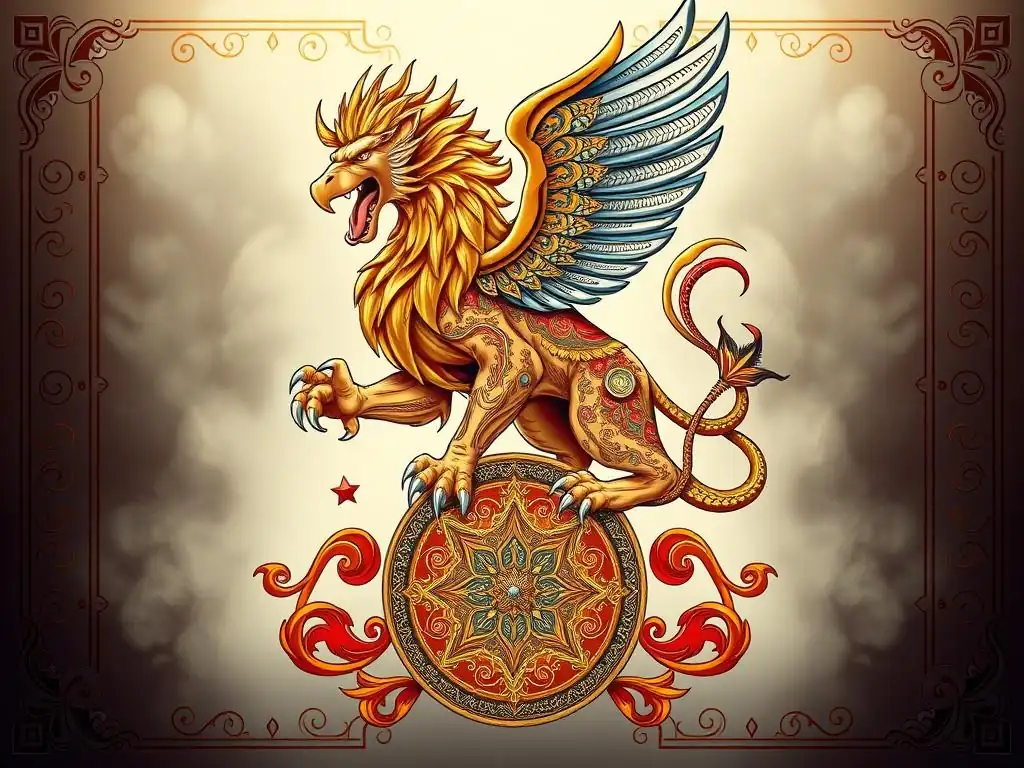
The dynamic and visually striking nature of hybrid mythical creatures makes them inherently appealing candidates for sports mascots and team identities. Unlike single animals, which might represent only one dominant trait (e.g., a bear for strength, a falcon for speed), hybrids often embody a combination of desirable characteristics, offering a richer symbolic palette for a team to adopt. This complexity can resonate deeply with fans and players alike, providing a powerful visual representation of team spirit and aspiration.
The adoption of these creatures goes beyond mere aesthetics; it's a strategic choice rooted in tapping into powerful, ancient archetypes. A team's identity is crucial for fostering unity and intimidating opponents, and a mascot with mythical origins carries an inherent weight of history and legend. This section explores why these composite beings are so effective and looks at specific examples of their use in the competitive world of sports, highlighting how the mythical origins of sports mascots are leveraged in team logos.
Why Hybrid Creatures Make Effective Sports Mascots
Hybrid creatures are effective sports mascots because they combine the most formidable traits of multiple beings. A griffin merges the strength of a lion with the speed and vision of an eagle – qualities highly valued in athletics. A winged horse combines earthly power with the ability to soar, symbolizing aspiration and swift movement. This fusion allows a mascot to represent a broader spectrum of team strengths than a single animal could. For instance, a team might want to convey not just brute force but also strategic aerial plays or keen observation, all encapsulated within one symbolic figure.
Furthermore, their mythological origins add a layer of mystique and history. Fans connect with the stories and legends associated with these creatures, giving the mascot a narrative depth that a purely fictional character might lack. This connection to ancient lore can foster a sense of heritage and timeless power. The uniqueness of many hybrids also helps a team stand out. In a crowded field of bears, tigers, and eagles, a team represented by a gryphon or a centaur immediately captures attention and sparks curiosity, making the sports mascot mythical origins logos memorable.
Tapping into Primal Instincts: Symbolism and Team Identity
The power of hybrid creatures as symbols lies in their ability to tap into primal instincts and universal archetypes. Lions represent courage and strength; eagles symbolize freedom and sharp perception; horses embody speed and endurance; serpents can signify wisdom or danger. By combining these elements, hybrid creatures evoke a complex emotional response that resonates on a fundamental level. A team logo featuring a powerful hybrid creature can instantly communicate ferocity, agility, and an almost supernatural capability, intimidating opponents and inspiring fans.
This symbolism becomes deeply intertwined with team identity. Players and fans adopt the characteristics of their mascot as their own. Chanting "Go Gryphons!" isn't just cheering for a name; it's invoking the power, vigilance, and majesty associated with the mythical creature.
This collective identification reinforces team cohesion and spirit. The visual representation in the logo, often stylized to look dynamic and aggressive, becomes a banner under which the community rallies. The choice of a hybrid creature reflects a deliberate effort to build an identity that is both powerful and uniquely rooted in compelling ancient narratives, emphasizing the impact of sports mascot mythical origins logos on team culture.
Examples of Hybrid Creature Mascots in Sports: A Detailed Look
Numerous sports teams around the world have embraced the power of hybrid creatures for their identity. These examples showcase the diverse ways these mythical beings are interpreted and used to represent athletic prowess and team spirit. From collegiate sports to professional leagues, the visual impact and symbolic depth of these mascots are clearly valued. The design of these logos often modernizes the ancient depictions while retaining the core attributes of the creature, making them relevant and appealing to contemporary audiences.
Analyzing specific cases reveals how teams leverage the particular mythology of their chosen hybrid. The colors used, the posture of the creature in the logo, and the overall aesthetic all contribute to the message the team wants to send. This goes beyond a simple character; it's about embodying a legend. The selection process for a team mascot is often a significant decision, aiming for a symbol that is not only visually appealing but also powerfully representative of the team's aspirations and the community it represents, highlighting the strategic thinking behind sports mascot mythical origins logos.
Gryphons in Sports Teams: Guelph Gryphons (Canada) and Their Logo Analysis
One prominent example of a griffin mascot is the Guelph Gryphons, representing the athletic teams of the University of Guelph in Ontario, Canada. The Gryphons compete in U Sports (Canadian university sports) and the Ontario University Athletics (OUA) conference. The choice of the griffin as their mascot, adopted in 1968, reflects the creature's association with strength, vigilance, and academic excellence combined with athletic power. The university's crest also features a griffin, linking the athletic identity directly to the institution's heritage and values.
The Guelph Gryphons logo has evolved over time but consistently features the head and wings of an eagle combined with the body of a lion. Modern versions often depict the griffin in an aggressive, dynamic pose, ready to strike or take flight, emphasizing speed and power.
The primary colors, red and gold, are often used, colors traditionally associated with royalty and valor, reinforcing the griffin's noble connotations. The logo serves as a strong visual identity across various sports, from football and hockey to track and field, embodying the team's fierce competitiveness and proud history, demonstrating a clear link between mythical origins and sports mascot logos.
Other Hybrid Mascots: Philadelphia Wings (Winged Horse), and Their Symbolic Meanings
While not strictly a composite of different animal parts in the same way as a griffin or chimera, the winged horse, Pegasus, is often considered a hybrid due to its extraordinary feature (wings) combined with a familiar animal form (horse). The Philadelphia Wings, a professional box lacrosse team competing in the National Lacrosse League (NLL), have historically used a winged horse in their logo. The winged horse symbolizes speed, agility, and the ability to soar above the competition – attributes highly desirable in the fast-paced sport of lacrosse.
The Wings' logo has featured variations of a winged horse, typically depicted mid-flight or rearing, conveying dynamism and power. The association with Pegasus, the mythical steed of heroes like Bellerophon, adds a layer of heroic aspiration and freedom.
The choice of a winged horse highlights the team's desire to be swift and dominant, combining the ground-level power and endurance of a horse with the aerial grace and speed of wings. This adaptation of a mythical creature into a modern sports logo effectively communicates the team's style of play and competitive spirit, illustrating another facet of sports mascot mythical origins logos.
Part 3: Hybrid Creatures in Corporate Logos and Branding
The appeal of hybrid mythical creatures extends far beyond the realm of sports. Corporations and brands have also long recognized the power of these ancient symbols to convey specific values, build recognition, and create a memorable identity. Just as in sports, the selection of a hybrid creature in a logo is a strategic decision aimed at leveraging the creature's inherent symbolism and historical associations to resonate with target audiences.
In the competitive landscape of global commerce, a strong and distinctive brand identity is paramount. Mythical hybrids offer a unique visual language that can differentiate a company and communicate complex ideas instantaneously. Whether a brand seeks to project stability, innovation, global reach, or a sense of mystery and allure, there's likely a hybrid creature whose mythological baggage aligns with those goals. This section explores the broader commercial appeal and provides examples of how companies have successfully incorporated these creatures into their branding strategies, showcasing the impact of mythical origins on corporate logos.
Beyond Sports: The Commercial Appeal of Mythical Hybrids
The commercial appeal of mythical hybrids lies in their ability to be both instantly recognizable and rich in symbolic meaning. Unlike abstract shapes or generic icons, a creature like a griffin or a siren carries centuries of narrative and association. This provides a brand with an immediate depth and history, even if the company itself is relatively new. Consumers may subconsciously link the brand to the power, wisdom, or mystique associated with the creature from myths and legends.
Furthermore, the visual distinctiveness of hybrid creatures makes them highly effective in creating memorable logos. In a world saturated with visual information, a logo featuring a unique composite being stands out. This memorability is crucial for brand recall and recognition. Companies leverage the inherent power and sometimes exotic nature of these creatures to suggest that their products or services possess extraordinary qualities, drawing on the mythical origins embedded within their logos. This strategic use of ancient symbols helps brands connect with consumers on an emotional and aspirational level.
Using Hybrid Creatures to Convey Specific Brand Values
Companies carefully select hybrid creatures whose mythological attributes align with the brand values they wish to communicate. A financial institution might use a griffin to symbolize security, vigilance, and the protection of assets. A technology company focused on speed and innovation might lean towards a winged creature like Pegasus. A brand emphasizing global reach or interconnectedness might use a creature that combines elements from different domains (land, air, sea).
For example, a brand wanting to evoke a sense of ancient wisdom and enduring strength might choose a Sphinx. A company in the beverage or hospitality sector might use a Siren to suggest allure, captivating experiences, or a connection to the sea.
The key is to identify the core message the brand wants to send and find a hybrid creature whose established symbolism naturally supports that message. This deliberate choice ensures that the logo is not just decorative but is a powerful tool for communicating brand identity and values, directly linking mythical origins to corporate logos and their intended impact.
Case Studies: Hybrid Creatures in Company Logos
Examining specific companies that use hybrid creatures in their logos provides concrete examples of how this strategy is implemented and its potential impact. These case studies demonstrate the versatility of mythical hybrids in representing diverse industries and brand personalities. While not every company using an animal icon features a hybrid, those that do often leverage the composite nature for specific symbolic effect. Analyzing these examples highlights the conscious effort to tap into the rich vein of sports mascot mythical origins logos for commercial purposes.
These companies are not merely using fantasy creatures; they are employing powerful archetypes that resonate with consumers on a deeper level. The success of their branding often relies, in part, on the immediate recognition and positive associations evoked by the mythical creature depicted in their logo.
Red Bull: Leveraging the Bull's Symbolism of Power and Energy
While the Red Bull logo features two bulls, not a single hybrid creature, its design principle is worth considering in the context of combining powerful animal symbolism. The logo features two red bulls charging head-to-head in front of a yellow sun. The bull is a potent symbol across many cultures, representing strength, power, aggression, and energy – qualities directly aligned with Red Bull's positioning as an energy drink.
The combination of two bulls, locked in apparent conflict or competition, intensifies this symbolism. It suggests a double dose of power, a clash of forces, or perhaps the energy released from dynamic tension.
While not a hybrid in the traditional sense, the pairing of identical powerful animals to create a dynamic logo shares the intent of leveraging animal symbolism for brand identity, much like hybrid sports mascot mythical origins logos. Red Bull's global success, with estimated annual sales exceeding 9.8 billion cans in 2021, demonstrates the effectiveness of using powerful, primal animal imagery to represent a brand focused on energy and performance.
Starbucks: A Modern Interpretation of a Siren Myth
The Starbucks logo famously features a Siren, a mythical creature from Greek mythology often depicted as a beautiful, dangerous half-woman, half-bird (though commonly represented as half-woman, half-fish in popular culture, like a mermaid). Sirens were known for luring sailors to their doom with enchanting music and voices. Starbucks' use of the Siren, particularly its evolving design over the years, is a fascinating example of adapting a complex mythical figure for modern branding.
The original 1971 Starbucks logo was a brown, woodcut-style image of a topless, twin-tailed Siren. Subsequent redesigns simplified and stylized the image, obscuring the lower body and focusing on her face and flowing hair, shifting from a potentially controversial figure to a more approachable, albeit still mysterious, icon. The choice of a Siren is said to reflect Starbucks' origins in Seattle, a port city, drawing a connection to the sea and maritime history. Symbolically, the Siren can represent allure, addiction (to coffee? ), or the captivating experience Starbucks aims to provide. Despite the creature's dangerous mythical origins, Starbucks successfully transformed it into a globally recognized symbol of comfort, community, and quality coffee, illustrating how sports mascot mythical origins logos can be adapted for broader commercial appeal. Starbucks operates over 34,000 stores in 80 countries as of late 2021, making its Siren logo one of the most recognized brand symbols worldwide.
Part 4: The Evolution of Hybrid Creature Design in Logos
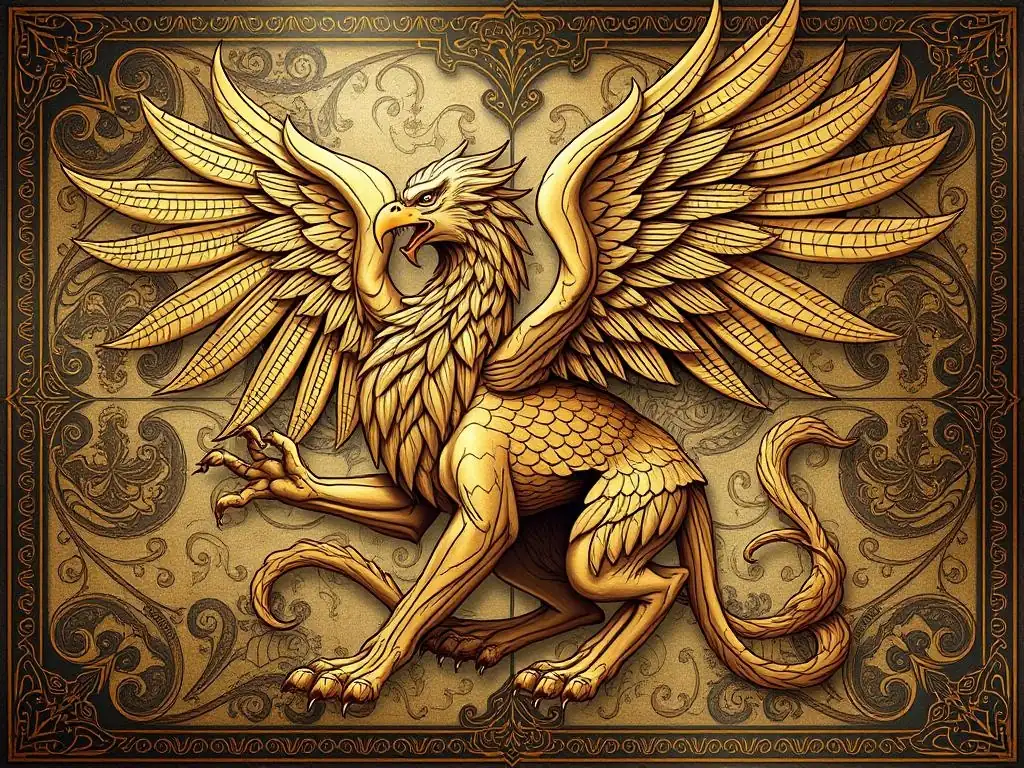
The visual representation of hybrid creatures in logos has undergone significant evolution, mirroring shifts in art, design trends, and technological capabilities. Early depictions in heraldry or traditional art were often detailed and literal. As branding became a distinct discipline and visual communication evolved, these complex figures were simplified, stylized, and adapted to suit different mediums, from print to digital screens. This evolution is crucial for maintaining relevance and ensuring that the ancient symbolism remains impactful in a modern context.
Designers today face the challenge of creating logos that are not only aesthetically pleasing but also instantly recognizable and scalable. This requires a thoughtful approach to translating the often intricate details of mythical creatures into clean, effective graphic marks. The process involves balancing tradition with modernity, ensuring that the essence of the creature's power and symbolism is retained while creating a design that functions effectively as a contemporary brand identifier, impacting how sports mascot mythical origins logos are perceived.
From Traditional Depictions to Modern Interpretations
Traditional depictions of hybrid creatures, such as those found in medieval manuscripts, ancient pottery, or heraldic crests, were often highly detailed, aiming for a degree of realism within their fantastical context. A heraldic griffin might show individual feathers and scales, and its posture would be carefully prescribed by heraldic rules. These were often static images, meant for banners, shields, or illuminated texts.
Modern logo design demands simplicity and versatility. Logos must be effective at various sizes, from a small app icon to a large billboard. This necessity has driven a trend towards abstraction and stylization.
A modern griffin logo might reduce the creature to a few dynamic lines or shapes, focusing on conveying movement and power rather than anatomical accuracy. Colors are often simplified, and the overall design is cleaner and more graphic. This shift reflects a move from literal representation to symbolic suggestion, ensuring the creature's essence is captured in a way that is functional and visually appealing in the digital age, influencing the aesthetic of sports mascot mythical origins logos.
The Influence of Pop Culture and Contemporary Art
Contemporary interpretations of mythical hybrids in logos are heavily influenced by pop culture, fantasy art, and modern design aesthetics. The way creatures like dragons, griffins, or sirens are depicted in popular movies, video games, and fantasy literature shapes public perception and expectations. Designers often draw inspiration from these contemporary visual languages to make their logo designs feel current and relatable to younger audiences.
Art movements and design trends also play a significant role. Minimalism, geometric design, and flat design principles have all impacted how hybrid creatures are rendered in logos. A logo might use negative space creatively or employ bold, geometric shapes to represent the creature's form. The increasing use of digital media has also favored designs that are clean, easily reproducible, and adaptable for animation or interactive elements. This continuous dialogue between ancient myth, contemporary culture, and evolving design practices keeps the visual language of sports mascot mythical origins logos fresh and compelling.
Designing Effective Hybrid Creature Logos: Key Considerations
Creating an effective logo featuring a hybrid creature requires careful consideration of several design principles. The goal is to create a mark that is not only visually striking but also communicates the intended brand message and is functional across all applications.
Color Palette and Symbolism
The choice of color is paramount in logo design, especially when dealing with symbolic creatures. Colors carry their own meanings: red often signifies power or energy, blue suggests trust or calm, gold or yellow can represent wealth or optimism. The colors used for a hybrid creature logo should reinforce the symbolism of the creature and the brand values.
For example, a griffin logo might use gold and deep red to emphasize royalty and power, while a winged horse might be rendered in dynamic blues or silvers to suggest speed and freedom. Consistent use of a defined color palette is essential for brand recognition. Consider the primary colors of a team or brand; the creature design should integrate seamlessly with these established colors.
Typography and Brand Consistency
The typography used alongside a hybrid creature logo is equally important. The font style should complement the visual feel of the creature and the overall brand personality. A fierce griffin might be paired with a strong, bold typeface, while a more elegant Siren might use a fluid or classic script.
The relationship between the creature mark and the wordmark (the brand name) needs to be carefully considered – are they separate elements, or integrated? Ensuring consistency across all brand touchpoints, from uniforms and merchandise to websites and marketing materials, is vital. The logo, including the creature design and typography, must adhere to a strict brand style guide to maintain a cohesive and recognizable identity, reinforcing the power of sports mascot mythical origins logos through consistent application.
Part 5: The Psychology Behind Our Fascination with Hybrid Creatures
Our enduring fascination with hybrid creatures is deeply rooted in human psychology. These beings tap into fundamental aspects of how we perceive the world, process information, and construct narratives. They exist at the boundaries of the familiar, combining known elements in unexpected ways, which simultaneously intrigues and sometimes unnerves us. Understanding the psychological underpinnings of this fascination can shed light on why these creatures remain potent symbols in modern branding and culture, including their widespread use as sports mascot mythical origins logos.
This fascination is not merely about liking fantasy; it's about how our brains process complex forms and symbolism. Hybrid creatures challenge our categories, force us to consider new possibilities, and embody concepts that are difficult to represent with single, simple figures. They resonate with our desire for both order (recognizing the component parts) and wonder (seeing them combined in a novel way).
The Allure of the Unknown and the Powerful
Hybrid creatures often embody the unknown and the powerful. By combining traits from formidable animals (lions, eagles, serpents) or merging animal and human forms, they represent concentrations of strength, speed, or cunning that exceed the capabilities of any single known being. This exaggeration of power appeals to our innate respect for formidable forces, whether in nature or in myth. The allure of the unknown comes from their existence outside the ordinary biological world; they are creatures of possibility, embodying traits that we admire or fear in amplified forms.
This fascination with amplified power and the unknown makes them ideal symbols for teams or brands that want to project dominance, extraordinary capability, or a sense of mystique. A sports team wants to be perceived as powerful and capable of achieving the extraordinary. A brand might want to be seen as innovative, unique, or possessing secrets to success. Hybrid creatures provide a visual shorthand for these concepts, tapping into our psychological response to powerful, fantastical beings.
Blending Familiar and Unfamiliar Elements
A key psychological aspect of hybrid creatures is their blend of familiar and unfamiliar elements. We recognize the lion's body, the eagle's wings, or the human face – these are grounded in our real-world experience. However, seeing these components combined in an unnatural configuration creates something novel and intriguing. This tension between the familiar and the unfamiliar captures our attention and stimulates our imagination. Our brains try to make sense of the composite form, engaging us more deeply than a purely abstract symbol might.
This blend makes hybrid creatures accessible yet extraordinary. We can relate to the individual components, but the combination elevates the creature into the realm of myth and wonder. For brands and sports teams, this means creating a logo that is instantly recognizable due to the familiar elements but memorable due to the unfamiliar combination. This balance is crucial for effective visual communication, ensuring that sports mascot mythical origins logos are both understandable and captivating.
Exploring the Archetypes Represented by Hybrid Creatures
Hybrid creatures often embody powerful psychological archetypes that resonate across cultures, as described by psychologists like Carl Jung. The union of opposites (e.g., lion/eagle = earth/sky, human/animal = mind/instinct) is a recurring theme in mythology and psychology, representing integration, transformation, or tension. A creature like the griffin can embody the archetype of the 'Guardian' or 'Protector,' combining fierce strength with watchful vigilance. The Sphinx can represent the 'Enigma' or 'Wise Elder,' challenging intellect and guarding secrets.
These archetypes tap into collective unconscious patterns of thought and symbolism. When a brand or team adopts a hybrid creature mascot or logo, they are consciously or unconsciously aligning themselves with these deep-seated psychological patterns. This connection to fundamental archetypes gives the logo a power and resonance that transcends mere visual design, allowing it to communicate complex ideas and evoke strong emotions on a subconscious level, thereby amplifying the impact of sports mascot mythical origins logos.
Conclusion: The Lasting Legacy of Mythical Hybrids in Sports, Branding, and Beyond
The journey of hybrid creatures from ancient mythological figures to modern symbols in sports and branding is a compelling illustration of the enduring power of archetypes and storytelling. These composite beings, born from humanity's early attempts to understand the world and its mysteries, continue to capture our imagination and serve as potent vehicles for identity and communication. Their presence in sports mascot mythical origins logos and corporate branding is not accidental; it is a deliberate choice rooted in recognizing their inherent symbolic depth and visual appeal.
The longevity and adaptability of hybrid creatures as symbols speak volumes about their universal resonance. They embody complex ideas – the fusion of different realms, the combination of diverse strengths, the tension between order and chaos, or the allure of the unknown – in a single, memorable form. As long as humans tell stories and seek powerful symbols to represent their collective identities and aspirations, these fantastical beings will likely remain a vital part of our cultural and commercial landscape.
The Power of Symbolism: Connecting to Ancient Narratives
At its core, the use of hybrid creatures in modern logos and mascots is a testament to the enduring power of symbolism. These creatures are not just fantasy; they are embodiments of ideas and forces that have held significance for millennia. By incorporating a griffin, a winged horse, or a stylized siren into a logo, a brand or team connects itself to a rich tapestry of ancient narratives and cultural meanings. This connection lends a sense of depth, history, and gravitas that can be difficult to achieve with purely abstract symbols.
This symbolic connection allows brands and teams to tap into pre-existing emotional and intellectual associations consumers already have with these creatures. The strength of the lion, the speed of the eagle, the allure of the siren – these are understood on a visceral level. Leveraging these established meanings provides a powerful shortcut for communicating complex brand attributes and fostering a strong sense of identity, demonstrating the direct impact of mythical origins on sports mascot logos and corporate identities.
The Future of Hybrid Creature Design in Logos and Mascots
The future of hybrid creature design in logos and mascots will likely continue to evolve, influenced by technological advancements, changing aesthetic trends, and evolving cultural sensitivities. We may see more dynamic, animated logos in digital spaces. Designers may explore less traditional or globally recognized hybrids, drawing inspiration from a wider array of mythologies. The push for inclusivity and diverse representation might also influence how these creatures are depicted, perhaps moving beyond traditional, sometimes gendered or culturally stereotypical, representations.
Furthermore, as branding becomes increasingly sophisticated, the narrative associated with the mascot or logo may become more important. Teams and companies might develop richer backstories for their hybrid symbols, further leveraging their mythical origins to engage audiences. The core appeal, however – the fascination with powerful, composite forms and the deep well of ancient symbolism – is likely to remain constant, ensuring these fantastical beings continue to thrive in the world of sports mascot mythical origins logos.
Evolving Representations of Power, Mystique, and Brand Identity
Ultimately, hybrid creatures in logos and mascots represent evolving interpretations of power, mystique, and brand identity. Their forms change, their styles adapt, but their fundamental role as symbols of extraordinary qualities persists. A griffin still represents a formidable combination of strength and vigilance, whether depicted in medieval heraldry or a sleek, modern sports logo. A Siren continues to embody allure and captivating influence, albeit stylized for a global coffee chain.
These evolving representations reflect not just changes in art and design but also shifts in what qualities brands and teams want to embody and how they wish to be perceived. They showcase the timeless human need to create symbols that are larger than life, drawing on the fantastical to represent the aspirational. As long as this need exists, hybrid creatures will continue to provide a potent and visually compelling means of expressing identity in the realms of sports, branding, and beyond, perpetually linking mythical origins to sports mascot logos and corporate branding strategies.
Frequently Asked Questions
What are some common mythical creatures used as sports mascots?
Many sports teams use mythical creatures like dragons, griffins, and phoenixes as mascots. These figures often symbolize strength, power, and resurrection.
How do sports teams use mythical creatures to create their logos?
Teams often incorporate stylized versions of mythical creatures into their logos. This can involve abstracting features like wings or claws, or using distinctive colors associated with the creature.
What is the cultural significance of using mythical beings as mascots and logos?
Using mythical beings taps into deep-seated cultural associations and historical narratives. It can imbue a team with a sense of tradition, power, and connection to a specific heritage.
How does the use of mythical creatures in sports branding impact a team's image?
Mythical creatures can give a team a unique and memorable identity. They can evoke feelings of awe, respect, and even fear, helping the team stand out from the competition.
Are there any ethical considerations when using mythical creatures derived from specific cultures in sports logos?
Yes, it's crucial to avoid cultural appropriation and ensure respectful representation. Teams should research the origins and meanings of the creatures they use and avoid offensive depictions.
Final Reflection: The Enduring Power of Myth in Modern Branding
The enduring appeal of mythical creatures in sports mascots and logos isn't just a nostalgic trend; it's a powerful testament to the primal connection between storytelling and branding. These fantastical beings, carefully crafted and strategically deployed, continue to resonate deeply with audiences, proving that the ancient power of myth remains a potent force in the modern world of marketing and team identity.
The influence of these hybrid creatures extends far beyond simple visual appeal; they shape our perception of teams, cities, and even entire sporting cultures. They embody ideals of strength, agility, and ferocity, often drawing upon rich historical and cultural narratives that imbue them with a deeper meaning. A logo is more than just a symbol; it's a story waiting to be told.
This quote perfectly encapsulates the enduring power of these mythical mascots, transforming simple graphics into compelling narratives that forge lasting connections with fans. The careful selection and design of these mascots, drawing on established mythological archetypes, speaks to a sophisticated understanding of audience psychology and the enduring power of symbolic representation.
Consider the impact these powerful images have had on your own experiences as a sports fan. Do you remember a specific mascot that captivated your imagination as a child? How did the visual representation of a mythical creature influence your perception of a team or sport?
I urge you to reflect on the power of these symbols, not just as marketing tools, but as potent cultural artifacts that shape our collective understanding of sports and identity. By understanding the origins and impact of these mythical mascots, we can better appreciate the enduring power of storytelling and the strategic brilliance of effective branding.
Unleash Your Inner Mascot Designer!
Thanks for diving into the fascinating world of hybrid creatures in sports and logos! We hope you gained a new appreciation for the creativity and storytelling behind these iconic designs. Now it's your turn to get creative!
- Sketch your own hybrid mascot: Let your imagination run wild! Combine elements from different animals or mythical beings to create a unique and memorable character. Think outside the box – what unexpected combinations could you devise?
- Share your creation on social media using #MythologyMascot – let's see your amazing designs! We might even feature some of our favorites on our site!
- Explore the history of your favorite team mascot – what myths or legends inspired its design? Discover the hidden stories behind the symbols we see every day.
So, what unique hybrid creature are you going to bring to life?