
The Role of Fate vs. Free Will in Heroic Tales

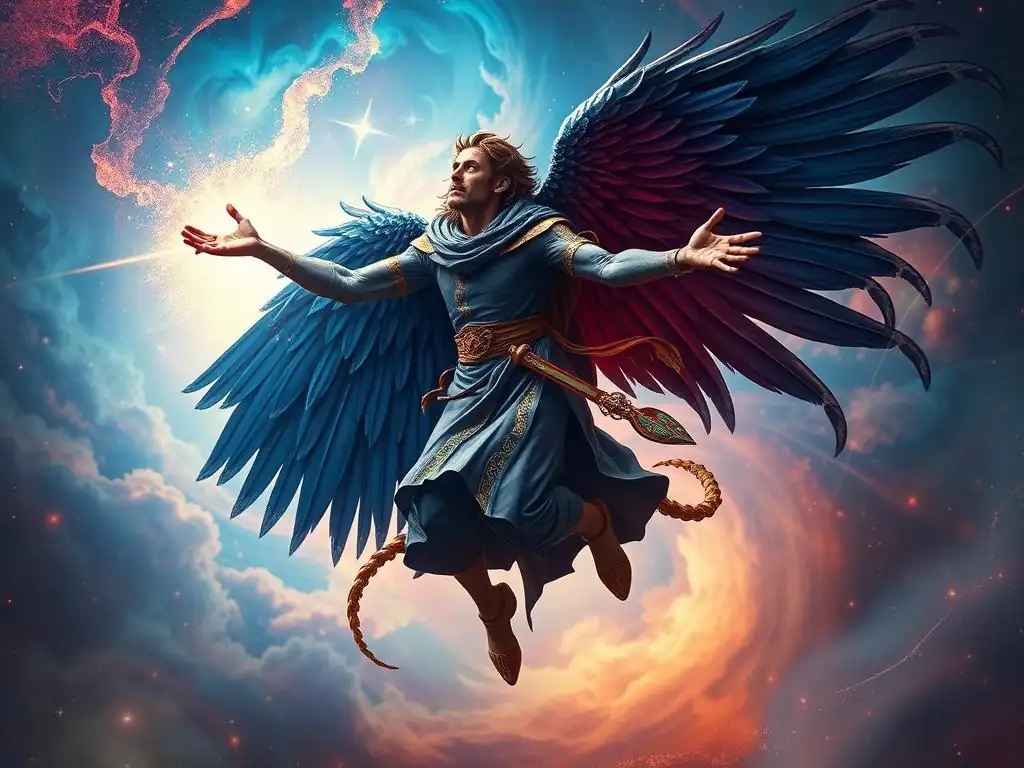
Welcome to Mythology and Legends, where ancient stories come alive!
Ever wondered if the heroes of old were truly masters of their destiny, or merely puppets dancing to the tune of fate? Dive deep with us as we unravel the intricate threads of fate versus free will choices in the grand tapestry of heroic tales. Discover how different cultures grapple with this timeless dilemma and what it reveals about our own understanding of agency and consequence. Are you ready to explore the epic struggle between destiny and decision? The answers await within...
- Introduction: Exploring the Timeless Debate in Hero Myths
- Defining Fate and Free Will in the Context of Mythology
- Examples of Fate Dominating Heroic Narratives
- Examples of Free Will Shaping Heroic Destinies
- The Interplay of Fate and Free Will: A Nuanced Perspective
- Cultural Variations in the Fate vs. Free Will Debate
- The Psychological Impact of Fate and Free Will on Heroes
- Fate Versus Free Will Choices: Analyzing Key Turning Points
- Modern Interpretations of Fate and Free Will in Heroic Narratives
- Conclusion: The Enduring Power of the Debate
-
Frequently Asked Questions
- What is the central conflict explored in "The Role of Fate vs. Free Will in Heroic Tales"?
- How do different cultures depict the interplay of fate and free will in their heroic myths?
- How does the concept of "fate versus free will" affect the audience's perception of a heroic character?
- What contemporary societal issues are influenced by the enduring debate between fate and free will?
- How can understanding the "fate versus free will" dynamic enhance our appreciation of mythological narratives?
- Final Reflection: Weaving the Tapestry of Destiny and Choice
- Unlock Your Inner Hero: Shape Your Destiny
Introduction: Exploring the Timeless Debate in Hero Myths
Heroic tales from across the globe often grapple with fundamental questions about human existence and destiny. Among the most enduring and philosophically rich is the tension between fate and free will. Do heroes simply act out a predetermined script written by cosmic forces, or do their choices and actions genuinely shape their path? This debate forms the backbone of many legendary narratives, providing depth and conflict that resonates with audiences through the ages. Understanding this dynamic is key to appreciating the complexity of mythological figures.
This exploration delves into how different cultures and stories have portrayed the interplay between destiny and agency. We will examine famous myths where fate seems inescapable, contrast them with tales emphasizing the hero's power of choice, and look at narratives where the two concepts are inextricably linked. The way heroes confront or succumb to their predetermined paths, or conversely, forge their own through difficult fate versus free will choices, reveals much about the values and beliefs of the societies that created these stories.
Fate, Free Will, and the Hero's Journey: Setting the Stage
The concept of the hero's journey, as outlined by Joseph Campbell, often involves a 'call to adventure' and trials that must be faced. Within this framework, the influence of fate can be seen in elements like prophecies, divine interventions, or inescapable circumstances that initiate the journey or present unavoidable obstacles. The hero is seemingly chosen or destined for a particular path or task.
However, the hero's journey also fundamentally relies on the hero's response to these external forces. The decision to answer the call, the choices made during trials, the alliances formed, and the ultimate confrontation with the central conflict are all acts of agency. The tension arises precisely from the hero navigating these predetermined elements using their personal strength, wisdom, and the critical fate versus free will choices they make at crucial junctures.
Why Fate Versus Free Will Choices Matter in Understanding Heroic Narratives
Analyzing fate versus free will choices provides a deeper insight into the character of the hero and the philosophical underpinnings of the myth. If a hero's actions are entirely predetermined, their struggle loses some of its dramatic weight; their courage and sacrifice become merely the execution of a script. Conversely, if free will is absolute, the sense of overwhelming odds or a grand, cosmic design is diminished.
The true power of many heroic narratives lies in the dynamic tension between these forces. It is the hero wrestling with a prophecy, attempting to avert a foreseen tragedy, or choosing to defy a powerful deity that creates compelling drama and explores fundamental human questions about control, responsibility, and destiny. Examining these specific fate versus free will choices helps us understand the moral landscape and the human struggle against perceived inevitability within these ancient stories.
Defining Fate and Free Will in the Context of Mythology
In mythological contexts, fate is often depicted as an external, powerful force that dictates events regardless of individual desires or actions. It can manifest as prophecy, divine decree, or the weaving of cosmic threads by entities like the Greek Moirai or the Norse Norns. This view posits that there is a predetermined outcome or path for individuals and the world, from which deviation is impossible or leads back to the intended course.
Free will, in contrast, represents the capacity of heroic figures (and humans) to make independent choices and act based on their own volition, desires, and reasoning. It is the belief that individuals have agency and can genuinely influence the course of their lives and the world around them. This perspective emphasizes the hero's courage, decision-making, and personal responsibility for their actions, highlighting the significance of their fate versus free will choices.
What is Fate? Exploring Predestination and Inevitability in Ancient Beliefs
Ancient cultures often envisioned fate not as a vague concept, but as an active force or set of entities. The Greek Moirai (Clotho, Lachesis, and Atropos) were goddesses who spun, measured, and cut the thread of life for every mortal, and even some gods were subject to their decisions. This wasn't just about the length of life, but significant events and the overall trajectory of one's existence.
Similarly, in Norse mythology, the Norns (Urd, Verdandi, and Skuld) sat by the well Urdarbrunnr at the roots of Yggdrasil, carving the destinies of gods and humans into the tree. Their pronouncements, often delivered as prophecies, were generally seen as inescapable, though the manner in which one met their fate could still be a matter of choice. This concept of predestination meant that certain events, like Ragnarök, the twilight of the gods, were foreseen and believed to be inevitable, regardless of individual efforts to prevent them.
Understanding Free Will: Agency, Choice, and the Hero's Power
While fate loomed large, mythological narratives rarely presented a world devoid of choice. Heroes, in particular, are defined by their actions and the difficult fate versus free will choices they confront. Free will is the capacity to assess a situation, weigh options, and decide on a course of action, even when faced with dire warnings or seemingly insurmountable obstacles.
The hero's power often stems directly from their exercise of free will. It is Hercules choosing to perform the seemingly impossible labors, Odysseus choosing the perilous route home, or Aeneas choosing to fulfill his destiny by leaving Dido. These decisions are not always easy or without cost, highlighting the responsibility inherent in agency. The hero's struggle is often the internal battle between succumbing to external pressures (fate or divine will) and asserting their own desires and moral compass through their fate versus free will choices.
Examples of Fate Dominating Heroic Narratives
Some of the most compelling and tragic myths are those where fate appears to be an unstoppable force, demonstrating the limits of human agency against a predetermined cosmic order. These stories often serve as cautionary tales about the futility of resisting destiny.
The story of Oedipus is perhaps the quintessential example of fate's inescapable grip. A prophecy is delivered to his parents, King Laius and Queen Jocasta of Thebes, stating their son will kill his father and marry his mother. In an attempt to avert this horrific fate, they abandon the infant Oedipus.
However, fate intervenes: the child is rescued and raised in Corinth. Years later, Oedipus hears a similar prophecy regarding his destiny and, in an effort to protect his perceived parents in Corinth, makes the pivotal fate versus free will choices to leave the city.
This act of free will, intended to escape fate, directly leads him to Thebes, where he unknowingly fulfills both parts of the prophecy by killing Laius in a roadside quarrel and marrying the widowed Jocasta. Every choice he makes to avoid the prophecy ironically brings him closer to its realization, illustrating a tragic view of destiny's power.
The Fates and Their Influence: Examining the Greek Concept of Moirai
The Moirai, or Fates, in Greek mythology personify the concept of predetermined destiny. They are typically depicted as three ancient women: Clotho ("the spinner") spins the thread of life, Lachesis ("the allotter") measures it out, and Atropos ("the unturnable") cuts it, determining the moment of death. Their power is so absolute that even the Olympian gods, including Zeus, are sometimes depicted as being subject to their decrees or at least unable to fundamentally alter the path they weave.
Their influence extends beyond mortality, shaping major events and the destinies of entire lineages. The Trojan War, for instance, is often framed as a destined conflict, with the fates of heroes like Achilles and Hector largely predetermined, though their specific actions and fate versus free will choices within that framework still matter. The Moirai represent a cosmic order where key aspects of existence are fixed, limiting the ultimate scope of individual agency.
Maui of Polynesian Mythology: Challenging Death, but Ultimately Bound by Fate
Maui, the great demigod hero of Polynesian lore, is renowned for his audacious feats, such as fishing up islands, snaring the sun, and bringing fire to humans. These acts showcase immense power and a strong will to improve the lives of humanity, representing significant exercises of agency and impactful fate versus free will choices. He often challenges the natural order and the power of the gods.
However, Maui's tales also contain elements of unavoidable fate. His final, most daring quest is to conquer death itself by entering the body of Hina-nui-te-pō, the goddess of night and death, and emerging through her mouth while she sleeps. Despite his heroic intent and immense power, this attempt is fated to fail.
A bird companion laughs, waking Hina-nui-te-pō, who then crushes Maui. This tragic end, often seen as a consequence of his hubris or a predetermined outcome, demonstrates that even a hero as powerful and willful as Maui cannot ultimately escape the finality of death, a fundamental aspect of fate.
Examples of Free Will Shaping Heroic Destinies
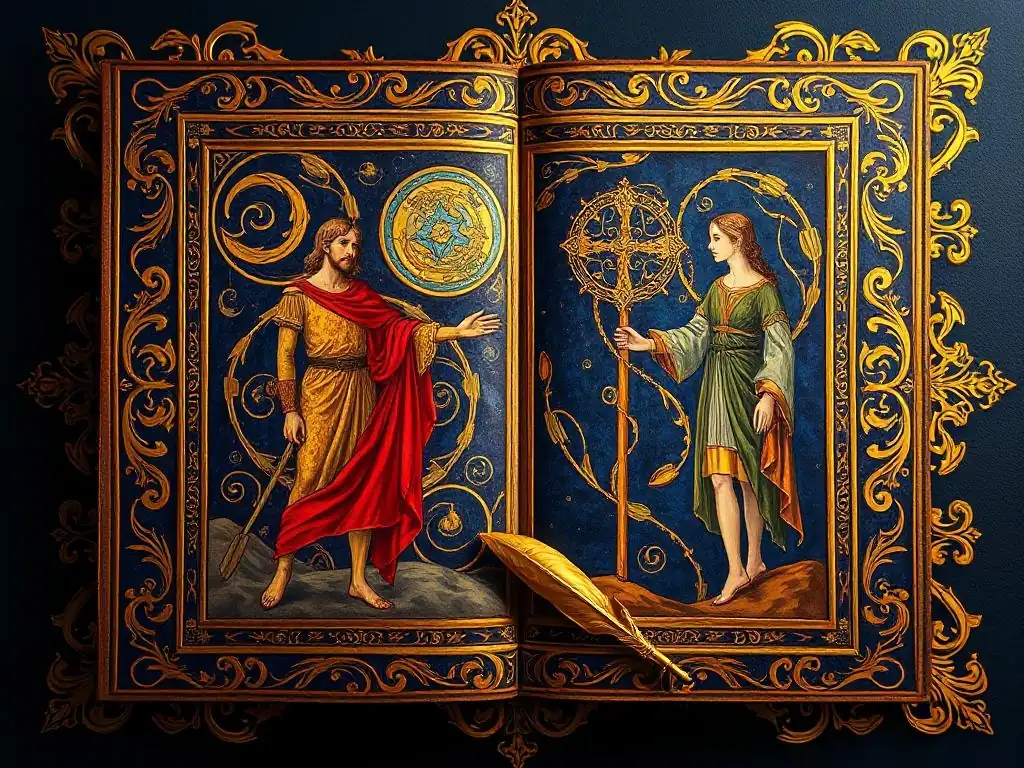
While fate is a powerful theme, many myths celebrate the hero's ability to overcome obstacles and forge their own path through courage, strength, and deliberate choices. These narratives emphasize agency and the impact of individual will.
Hercules: Overcoming Trials Through Strength and Determination
Hercules (Roman name for the Greek Heracles) is famous for his Twelve Labors, a series of seemingly impossible tasks. While these labors were imposed upon him by King Eurystheus as penance for a madness induced by the goddess Hera (an external, almost fated circumstance), the completion of each labor was a direct result of Hercules's extraordinary strength, cunning, and unwavering determination – clear demonstrations of free will and personal power.
For example, slaying the Nemean Lion required his unique physical power and strategic thinking to overcome its invulnerable hide. Capturing Cerberus from the Underworld demanded not just strength but also courage to face the realm of the dead and negotiate with Hades. Each labor was a challenge that Hercules chose to face and overcome through his own abilities, highlighting that even when given a predetermined set of tasks, the hero's agency in executing them is paramount. His fate versus free will choices in confronting these trials defined his legendary status.
The Power of Choice: Examining Beowulf's Decisions
The Anglo-Saxon epic Beowulf presents a hero who consistently makes conscious, deliberate choices that shape his destiny and the fate of others. Beowulf hears of King Hrothgar's plight with the monster Grendel and, despite having no obligation, makes the fate versus free will choices to sail to Denmark with his chosen companions to offer his aid. This initial journey is an act of pure volition driven by his desire for glory and his sense of duty.
Later, after defeating Grendel and Grendel's Mother, Beowulf chooses to return home, eventually becoming king of his own people. His final battle against the dragon, which costs him his life, is also a deliberate choice. Despite his advanced age and the counsel of his retainers, he decides to face the threat alone, driven by his heroic code and responsibility as king. These pivotal decisions, made freely throughout his life, underscore the epic's emphasis on the hero's agency and the impact of his courageous fate versus free will choices.
Gilgamesh: A King's Quest for Immortality Through Action
The Epic of Gilgamesh, one of the oldest recorded stories, features a powerful king whose destiny is initially marked by tyranny and later by grief and a quest for eternal life. While his initial nature might be seen as a kind of 'given' destiny, his transformation is driven by interaction and choice. His friendship with Enkidu softens his tyrannical rule, and Enkidu's death is the catalyst for Gilgamesh's profound fate versus free will choices to seek immortality.
His arduous journey to Utnapishtim, the immortal man, is a direct result of his will and determination to defy the common fate of mortality. He faces numerous trials, crosses treacherous waters, and confronts mythical beings, all through conscious effort and perseverance. Although he ultimately fails to achieve physical immortality, his journey and the lessons learned represent the power of striving and the significance of the quest itself, demonstrating that even against the backdrop of inevitable death, a hero's choices and actions define their legacy.
The Interplay of Fate and Free Will: A Nuanced Perspective
Many myths do not present fate and free will as mutually exclusive forces, but rather as concepts that interact and influence each other in complex ways. In these narratives, destiny might set the stage, but the hero's choices determine the details or the manner in which that destiny unfolds.
Can Heroes Truly Escape Their Fate? Exploring the Grey Areas
In numerous myths, heroes attempt to escape or defy a prophecy or a predetermined doom, but their actions often inadvertently lead them towards that very fate. This creates a paradoxical situation where free will seems to exist, but its exercise serves the ends of destiny. The Oedipus myth, discussed earlier, is a prime example of this ironic fulfillment.
However, other stories suggest that while the ultimate outcome might be fixed, the hero's choices can influence the journey, the suffering endured, or the impact on others. For instance, Achilles knows his fate is either a short, glorious life at Troy or a long, obscure one at home.
His choice to fight at Troy fulfills the prophecy of a glorious death, but the timing and circumstances of that death are influenced by his actions, his anger, and his relationships, highlighting a grey area where personal choices weave into the fabric of destiny. The complexity lies in discerning which aspects are fixed and which are open to fate versus free will choices.
Free Will as a Catalyst for Fulfilling Prophecy: A Paradoxical View
Sometimes, a prophecy isn't a rigid script but a potential outcome that requires specific actions—acts of free will—to be brought about. The hero's choices don't defy fate; they activate it. This perspective suggests that destiny isn't just something that happens to you, but something you participate in creating through your decisions.
Consider a prophecy that states a hero will defeat a great evil. The hero doesn't defeat the evil through passive waiting, but through actively training, seeking allies, facing challenges, and ultimately choosing to confront the antagonist. Their free will choices are the necessary steps that fulfill the prophecy. This view allows for both destiny and agency to coexist, with the hero's will serving as the engine that drives the narrative towards its fated conclusion, making their fate versus free will choices crucial to the cosmic plan.
Harry Potter: Chosen One Who Shapes His Own Destiny Within Prophecy
The modern heroic narrative of Harry Potter provides a compelling example of how a 'chosen one' prophecy can coexist with strong themes of free will. The prophecy states that "the one with the power to vanquish the Dark Lord approaches... and either must die at the hand of the other for neither can live while the other survives..." This marks Harry (or potentially Neville Longbottom) as fated to confront Voldemort.
However, the story emphasizes that Harry's choices, his character, and his relationships are what truly enable him to fulfill this destiny. Dumbledore explicitly states that it is Harry's choices, not his abilities or the prophecy itself, that make him who he is.
Harry repeatedly chooses courage over fear, friendship over isolation, and sacrifice over survival. His ultimate victory is a result of his deliberate actions and moral stance, demonstrating that while the prophecy set the stage for a confrontation, it was Harry's fate versus free will choices that determined the outcome and the manner in which his destiny was met.
Cultural Variations in the Fate vs. Free Will Debate
Different cultures have interpreted the relationship between fate and free will in distinct ways, reflecting their unique worldviews, religious beliefs, and social structures. Examining these variations offers insight into the diverse ways humanity has grappled with questions of control and destiny.
Fate and Free Will in Greek Mythology: A Deeper Dive
As touched upon with Oedipus and the Moirai, Greek mythology often presents a strong sense of an underlying, inescapable fate. However, it is not entirely deterministic. Heroes and even gods frequently attempt to alter destiny, sometimes succeeding temporarily or partially, but often failing tragically. This constant struggle highlights the Greek fascination with the limits of human power and the presence of forces beyond mortal (and sometimes even divine) control.
While fate might dictate the what (e.g., a hero's death at Troy), free will often dictates the how and the when. Heroes like Odysseus demonstrate immense cunning and resilience, making strategic fate versus free will choices that prolong their lives and influence their journeys, even if their ultimate return home or death is fated. The tension between the powerful, seemingly immutable Moirai and the vibrant, willful actions of heroes and gods is a defining characteristic of Greek myth.
Norse Mythology: The Role of Prophecy and the Hero's Response
Norse mythology, while also featuring powerful prophecies, particularly concerning the inescapable Ragnarök, places a strong emphasis on courage, action, and standing against inevitable doom. Fate (wyrd) is understood as a complex web woven by past actions and present choices, rather than a completely rigid, linear path. While certain outcomes are foreseen, heroes are expected to face them with valour and honor, regardless of the predicted result.
The gods themselves know their fate during Ragnarök, yet they prepare for battle, train their chosen warriors (Einherjar), and fight valiantly until the end. This emphasizes that while the outcome might be fated, the response to that fate is a matter of free will and defines one's character. Norse heroes' fate versus free will choices are not about escaping destiny, but about how they meet it, prioritizing bravery and legacy over survival against the odds.
Hindu Mythology: Karma and Dharma as Intertwined Determinants of Destiny
Hindu mythology presents a complex interplay of destiny shaped by karma (the consequences of past actions) and free will exercised through dharma (one's righteous duty or path). Karma creates a form of predisposition or consequence that influences one's current circumstances and future possibilities – a kind of accumulated 'fate' from past lives and actions.
However, within the framework of karma, individuals have the free will to choose how they act in the present, guided by their dharma. Performing one's dharma righteously, even when difficult, can mitigate negative karma and create positive future outcomes.
The Bhagavad Gita, for example, centers on Arjuna's internal conflict and his ultimate fate versus free will choices to fight, guided by his dharma as a warrior, despite his personal reluctance. This system suggests that destiny is not a fixed external force but a dynamic process shaped by the consequences of past choices and the exercise of free will in the present.
The Psychological Impact of Fate and Free Will on Heroes
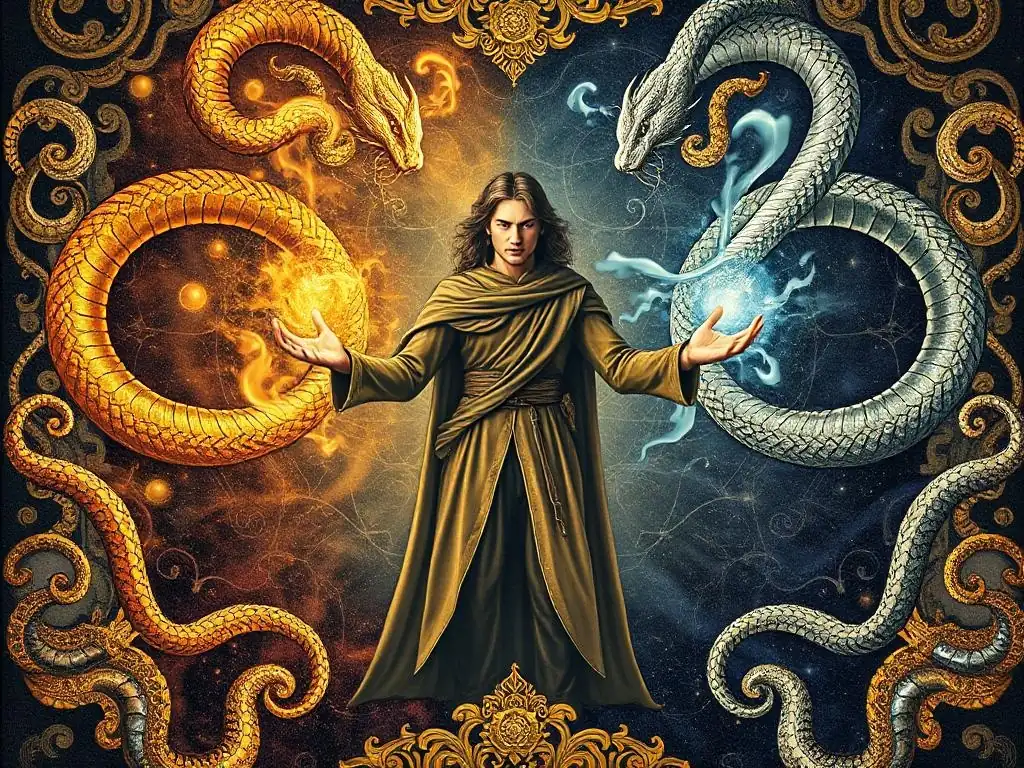
The philosophical debate between fate and free will has significant psychological implications for the heroic characters themselves. How a hero perceives their own agency or lack thereof profoundly impacts their motivations, emotional state, and resilience.
The Burden of Destiny: Psychological Toll on Characters Facing Fate
Heroes who believe they are subject to an inescapable fate often bear a heavy psychological burden. The knowledge of a predetermined, often tragic, outcome can lead to feelings of helplessness, despair, or anxiety. Oedipus's initial flight from Corinth, driven by fear of the prophecy, illustrates the panic that the perceived lack of free will can induce.
Characters like Hector in the Iliad, who knows Troy is fated to fall and he is fated to die, fight on not out of hope for survival, but out of duty and honor. This acceptance of a grim destiny requires immense psychological fortitude, but the burden of that knowledge shapes their interactions, their willingness to sacrifice, and their internal struggles. The conflict between personal desires and predetermined duty creates deep psychological tension, underscoring the weight of unavoidable fate versus free will choices that aren't truly choices at all in terms of outcome.
The Heroic Embrace of Agency: Psychological Benefits of Free Will
Conversely, heroes who embrace their capacity for free will and believe their choices matter often exhibit greater resilience, determination, and self-efficacy. The belief that their actions can influence outcomes empowers them to face challenges head-on, take risks, and persevere through adversity. Hercules tackling his labors, knowing success depends on his own strength, embodies this empowered mindset.
The psychological benefit lies in the sense of control and responsibility. Even when facing overwhelming odds or external constraints, the knowledge that they are making their own fate versus free will choices gives heroes a sense of purpose and dignity. This agency allows them to be subjects of their own story, rather than mere objects moved by cosmic forces, fostering bravery and the will to fight for what they believe in.
Fate Versus Free Will Choices: Analyzing Key Turning Points
Examining specific moments where heroes make critical decisions highlights the dynamic interplay between fate and free will. These turning points often reveal the character's core values and the perceived power they have over their own lives.
Oedipus Rex: The Choice to Flee Corinth and its Implications
One of the most tragic fate versus free will choices in mythology is Oedipus's decision to leave Corinth. Upon hearing the prophecy that he would kill his father and marry his mother, and believing the King and Queen of Corinth were his parents, Oedipus chose to flee the city to protect them and himself. This was a clear exercise of free will, an attempt to assert control over his destiny and avoid a horrific fate.
However, this choice, born out of fear and ignorance of his true parentage, directly led him down the road to Thebes. It was on this road that he encountered and killed Laius (his biological father) and subsequently arrived in Thebes to solve the Sphinx's riddle, leading to his marriage to Jocasta (his biological mother). His free-willed act of escape ironically served as the precise mechanism by which the prophecy was fulfilled, illustrating the potentially cruel nature of fate in Greek tragedy and the complex relationship between intended action and fated outcome.
Beowulf: Deciding to Confront Grendel and the Dragon
Beowulf's arrival in Denmark to fight Grendel is a pivotal fate versus free will choices. He was a successful warrior in Geatland with no direct ties to Hrothgar's kingdom, yet he chose to embark on a dangerous sea voyage purely based on tales of suffering and his desire for glory and to aid others. This decision was not compelled by prophecy or divine command, but by his own heroic code and ambition.
Similarly, his final decision to fight the dragon, despite his advanced age and the clear danger, is another critical choice. He could have sent his warriors, but he chose to face the threat himself, fulfilling his duty as king and seeking one last glorious victory. These key decisions, made freely at different stages of his life, underscore the narrative's emphasis on individual bravery and responsibility as drivers of destiny, making Beowulf a powerful example of a hero defined by his fate versus free will choices.
Modern Interpretations of Fate and Free Will in Heroic Narratives
The ancient debate between fate and free will continues to resonate in contemporary storytelling. Modern authors and filmmakers often revisit these themes, reimagining them for a new audience and incorporating modern philosophical perspectives.
Contemporary heroic narratives frequently explore the fate vs. free will dynamic through science fiction, fantasy, and even superhero genres. Authors might use concepts like genetic predisposition, predictive algorithms, or alternate realities to explore forms of 'modern fate', contrasting them with characters' struggles for self-determination.
Many modern stories lean more heavily on free will, emphasizing the hero's psychological journey, moral decisions, and the power of individual choice in overcoming seemingly insurmountable odds or societal constraints. While prophecies or predetermined elements might still exist (e.g., "the chosen one" trope), the focus is often on how the hero reacts to this destiny and the fate versus free will choices they make along the way, highlighting agency over strict predestination.
The Enduring Relevance of Fate Versus Free Will Choices in Modern Storytelling
The enduring relevance of exploring fate versus free will choices in modern heroic narratives lies in their connection to universal human concerns. We continue to grapple with questions about how much control we have over our lives, the impact of our decisions, and the role of external circumstances beyond our control.
Modern heroes navigating predetermined paths or defying expected outcomes reflect our own anxieties and hopes about destiny. Stories that allow heroes to make meaningful choices, even within challenging frameworks, empower audiences and affirm the value of individual effort and moral conviction. The debate remains a fertile ground for exploring themes of responsibility, identity, and the human capacity to shape the future, ensuring these ancient questions remain vital in contemporary tales.
Conclusion: The Enduring Power of the Debate
The tension between fate and free will is not merely an academic debate confined to ancient texts; it is a fundamental question about the nature of existence that lies at the heart of countless heroic narratives. From the tragic inevitability faced by Oedipus to the empowered choices of Beowulf, these myths provide a rich tapestry of human (and superhuman) struggle against or in concert with destiny.
Understanding how different cultures and stories have portrayed fate versus free will choices offers profound insights into their worldviews and the timeless human quest for meaning and control. The hero's journey, whether guided by prophecy or driven by personal will, remains a powerful metaphor for our own lives, filled with unforeseen circumstances and critical decisions.
Fate, Free Will, and the Human Condition: Reflecting on Our Own Choices
The myths and legends we've explored serve as ancient mirrors reflecting the human condition. We, like the heroes of old, face circumstances beyond our control – our birth, our environment, unforeseen events. Yet, we also possess the capacity for conscious thought and decision-making. The debate between fate and free will in these stories encourages us to reflect on our own lives: how much of what happens to us is predetermined, and how much is a result of our own fate versus free will choices?
These narratives remind us that while we may not control every event, we often have control over our response to those events. The courage to face adversity, the choice to act ethically, the decision to persevere despite setbacks – these are exercises of free will that define our character and shape our individual journeys, regardless of the hand we are dealt.
The Legacy of Heroic Tales: Inspiring Us to Confront Fate and Embrace Free Will
The enduring legacy of heroic tales lies in their ability to inspire and provide frameworks for understanding our place in the world. They teach us about the potential for greatness, the consequences of our actions, and the complex relationship between external forces and internal resolve. By examining how legendary figures navigate the tension between destiny and agency, we gain perspective on our own challenges.
Ultimately, these stories encourage us not to be passive recipients of fate, but to embrace our capacity for free will. They celebrate the hero's willingness to make difficult fate versus free will choices, to strive against the odds, and to find meaning and purpose in the face of uncertainty. The myths endure because they speak to our innate desire to believe that our choices matter and that we, too, can be the authors of our own heroic stories.
Frequently Asked Questions
What is the central conflict explored in "The Role of Fate vs. Free Will in Heroic Tales"?
The article explores the tension between predetermined destiny (fate) and the autonomous decisions (free will) made by heroes. It examines how these forces shape their journeys and ultimate outcomes.
How do different cultures depict the interplay of fate and free will in their heroic myths?
Different cultures offer varying perspectives; some emphasize inevitable destinies, while others highlight the hero's power of choice to alter their course. The article examines narratives from diverse cultural backgrounds.
How does the concept of "fate versus free will" affect the audience's perception of a heroic character?
The balance between fate and free will can impact audience empathy. A hero battling against fate might evoke greater sympathy and admiration than one simply fulfilling a preordained path.
What contemporary societal issues are influenced by the enduring debate between fate and free will?
The debate has ramifications for discussions on personal responsibility, social justice, and the nature of human agency. It influences how we perceive individual actions and societal outcomes.
How can understanding the "fate versus free will" dynamic enhance our appreciation of mythological narratives?
Recognizing this dynamic allows for a deeper understanding of the symbolic meaning and moral complexities within myths. It encourages us to question the nature of choice and consequence.
Final Reflection: Weaving the Tapestry of Destiny and Choice
The age-old debate of fate versus free will remains profoundly relevant today, shaping not only our understanding of narrative but also our own lived experiences. We grapple daily with the illusion of control, questioning whether our paths are predetermined or forged through conscious decisions. The heroic tales we consume, from ancient epics to modern blockbusters, reflect this very struggle, offering compelling narratives that explore the intricate dance between destiny and individual agency.
The enduring power of these stories lies in their ability to mirror our own internal conflicts. We see ourselves in the heroes who wrestle with their predetermined fates, striving to overcome obstacles or accepting their divinely ordained paths. The tension between these forces is what makes these narratives so captivating. The unexamined life is not worth living,
Socrates famously declared, and the exploration of fate versus free will forces us to examine the very core of our existence, our choices, and their consequences. This examination, whether through literature or personal reflection, is crucial for understanding our place in the world.
Consider the choices you make each day. Are they truly free, or are they subtly influenced by unseen forces, by upbringing, by circumstance? The heroes in these tales, though often imbued with extraordinary abilities, ultimately face the same questions we do.
I urge you to reflect on the narratives you engage with, and to consider how the interplay of fate and free will shapes your own personal narrative. Embrace the power of choice, but also acknowledge the influence of the larger forces at play. By understanding this dynamic, we can navigate our own lives with greater awareness and purpose, weaving our own unique tapestries of destiny and choice.
Unlock Your Inner Hero: Shape Your Destiny
Thanks for exploring the fascinating interplay of fate and free will in heroic tales! You've now gained a deeper understanding of how these forces shape legendary narratives. Ready to take the next step?
- Craft your own heroic journey: Start brainstorming a story where fate and free will collide. Consider the choices your hero makes and how destiny intervenes (or doesn't!). Let your imagination run wild!
- Share your ideas: Discuss your initial concepts with fellow mythology enthusiasts in the comments below – let's build a collaborative epic!
- Explore further: Research different mythological perspectives on destiny and free will. Are there cultures that emphasize one over the other?
What unexpected twist will your hero encounter as they navigate their destiny?