
The Enduring Wisdom of Myth for Today's Youth


Welcome!
Dive into the enchanting world of Mythology and Legends, where ancient stories whisper secrets across cultures. Ever wondered how these age-old narratives shape our modern lives? Our journey begins with exploring the captivating realm of Mythology for young people, unlocking the enduring wisdom hidden within these tales. What lessons can these legends teach the next generation? Prepare to uncover the profound connections and enduring power of myth.
- The Enduring Wisdom of Mythology for Today's Youth
- Why Mythology Matters: Engaging Young Minds with Ancient Stories
- Exploring Core Themes: What Can Myths Teach Young People?
- Mythology in the Classroom: Practical Applications for Educators
- Modern Interpretations: Reimagining Myths for a New Generation
- Benefits of Studying Mythology for Young People's Development
- Challenges and Opportunities: Teaching Mythology Effectively
-
Frequently Asked Questions
- What is Mythology and Legends and why should young people explore it?
- How can mythology be relevant to young people today?
- What are some good starting points for young people interested in exploring mythology?
- Does Mythology and Legends specifically cater to young readers?
- How can understanding mythology help young people in their studies?
- Final Reflection: Myths: Echoes of the Past, Guides for the Future
- Unlock Your Inner Hero: Myth's Modern Message
The Enduring Wisdom of Mythology for Today's Youth
Why Mythology Matters: Engaging Young Minds with Ancient Stories
The Relevance of Mythology for Young People in the 21st Century
Mythology offers a powerful lens through which young people can understand themselves and the world around them. Despite originating thousands of years ago, the core narratives of myths grapple with universal human experiences: love, loss, courage, betrayal, the search for meaning, and the struggle between good and evil. For today's youth navigating complex social landscapes and rapid technological change, these ancient stories provide relatable frameworks for processing emotions, understanding conflict, and exploring identity. For instance, the hero's journey, common across many cultures, mirrors the challenges and growth phases young people encounter as they move towards independence.
Furthermore, studying mythology for young people provides vital context for understanding contemporary culture. Allusions to mythological figures and tales are pervasive in modern literature, film, art, advertising, and even everyday language. Recognizing the story of Icarus when discussing ambition and risk, or understanding the symbolism of a Pandora's Box scenario, enriches a young person's cultural literacy. This connection between the ancient and the modern demonstrates the timeless nature of these narratives and helps young people see history not as a dead subject, but as a living tapestry that informs the present.
Beyond Entertainment: Unveiling the Educational Power of Myths and Legends
While undeniably captivating, the primary value of mythology extends far beyond mere entertainment. Myths serve as cultural blueprints, encoding the beliefs, values, and worldview of the societies that created them. By exploring diverse mythologies – from the epic cycles of ancient Greece and Rome to the rich oral traditions of Indigenous peoples or the intricate pantheons of Hindu mythology – young people gain profound insights into different ways of thinking and living. This exposure is crucial for developing a global perspective and fostering respect for cultural diversity in an increasingly interconnected world.
The study of myths also cultivates essential cognitive skills. Deciphering symbolic language, interpreting allegorical meanings, and analyzing complex character motivations inherent in mythological texts encourages critical thinking and analytical reasoning. Unlike straightforward historical accounts, myths often present multiple layers of meaning, requiring young people to think abstractly and engage in deeper interpretation. This process strengthens their ability to analyze complex information and form nuanced conclusions, skills vital for academic success and navigating the modern world.
Exploring Core Themes: What Can Myths Teach Young People?
Moral Lessons and Ethical Dilemmas in Mythological Narratives
Mythological narratives are replete with characters facing difficult choices and experiencing the consequences of their actions, making them fertile ground for exploring moral lessons and ethical dilemmas. Stories like that of Prometheus, who defies the gods to bring fire (knowledge/technology) to humanity and suffers eternal punishment, raise questions about sacrifice, authority, and the price of progress. The tale of King Midas and his golden touch serves as a cautionary tale about greed and unintended consequences.
These narratives don't always offer simple answers but present complex situations that encourage young people to think critically about right and wrong. For example, the various myths surrounding trickster figures like Anansi the Spider or Loki challenge conventional notions of morality, prompting discussions about cleverness, deception, and social order. Engaging with these stories helps youth develop their own ethical frameworks by examining historical and cultural perspectives on morality.
Understanding Human Nature Through Archetypal Characters in Myths
Myths are populated by archetypal characters – the hero, the villain, the wise old person, the trickster, the maiden – figures that resonate across cultures and time because they embody fundamental aspects of human nature. Studying these archetypes helps young people recognize recurring patterns in human behavior and personality, both in literature and in their own lives. The journey of a hero like Hercules, overcoming seemingly insurmountable tasks, speaks to themes of perseverance and strength in the face of adversity.
Examining the flaws and virtues of mythological figures provides insights into the complexities of the human psyche. The pride of Icarus, the jealousy of Hera, the loyalty of Penelope – these traits are instantly recognizable and relatable. By seeing these aspects of humanity writ large in mythological tales, young people can gain a deeper understanding of their own motivations and the motivations of others, fostering self-awareness and empathy.
Cultural Diversity and Global Perspectives in World Mythology
Exploring mythology for young people from diverse cultures is a powerful way to foster global awareness and challenge ethnocentric viewpoints. Comparing creation myths from different traditions – from the Egyptian Nun to the Norse Yggdrasil or the Chinese Pangu – reveals both universal human curiosities about origins and vastly different cultural explanations. This comparison highlights the diversity of human thought and imagination.
Exposure to myths from Africa, Asia, Oceania, and the Americas alongside European traditions broadens young people's understanding of the world's rich cultural tapestry. For instance, learning about the Dreamtime stories of Indigenous Australians or the epic of Sundiata Keita from West Africa introduces unique cultural values, social structures, and historical perspectives. This comparative approach not only enriches their knowledge base but also cultivates respect for different traditions and ways of life.
Mythology in the Classroom: Practical Applications for Educators
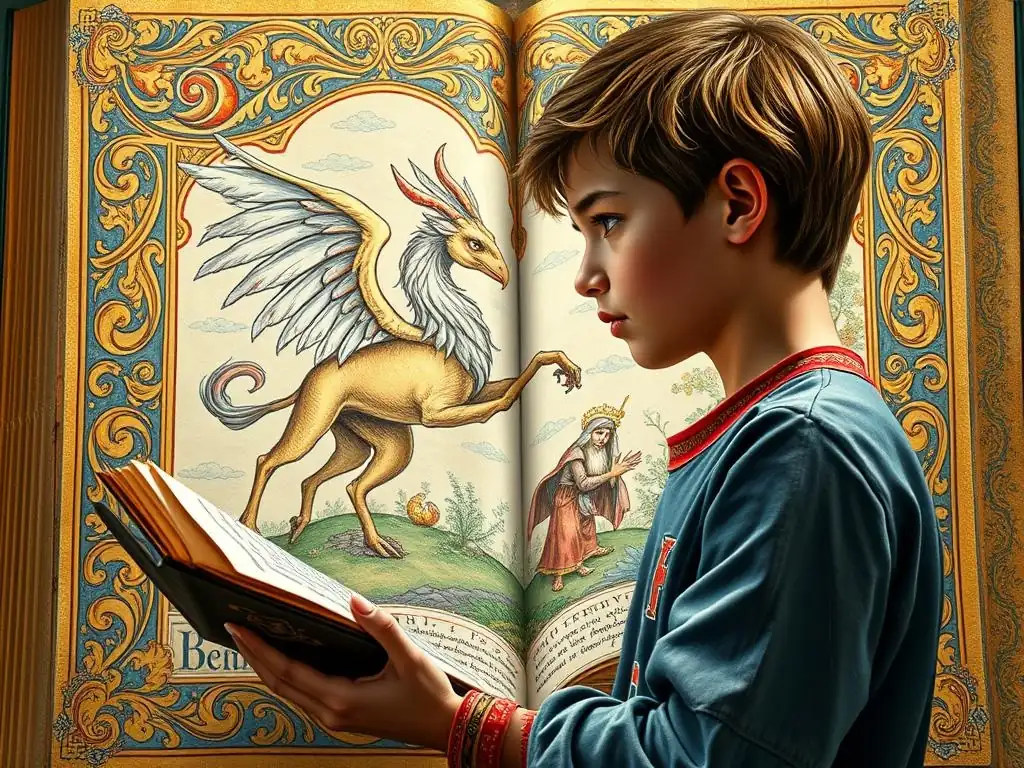
Integrating Mythology into the Curriculum: Ideas and Strategies
Integrating mythology into the curriculum can enrich various subjects beyond just language arts and history. In science, discussions about creation myths can lead to explorations of cosmology, geology, and evolutionary biology, contrasting ancient explanations with modern scientific understanding. Mathematics can find connections in the patterns and symbols found in certain myths or in analyzing the structures of epic poems.
Here are a few strategies for educators:
- Cross-curricular Units: Design units that link mythology to art (exploring mythological depictions), music (mythological themes in opera or classical music), or even physical education (tracing the origins of the Olympic Games).
- Comparative Studies: Have students compare and contrast myths from different cultures that address similar themes (e.g., flood myths, underworld myths, hero myths).
- Creative Responses: Encourage students to respond to myths through creative writing, dramatic interpretations, or visual art projects.
Using Myth to Foster Critical Thinking and Analytical Skills
Mythology provides excellent material for developing critical thinking and analytical skills. Students can analyze character motivations, evaluate the societal values reflected in a myth, or debate the various interpretations of a symbolic element. Asking questions like "Why did the gods react that way?" or "What does this monster represent to that culture?" encourages deeper engagement than simple plot recall.
Activities like:
- Myth Deconstruction: Breaking down a myth into its key components: characters, plot, setting, themes, symbols, and cultural context.
- Comparative Analysis: Writing essays or giving presentations comparing different versions of the same myth or similar myths across cultures.
- Ethical Debates: Holding classroom debates on the moral dilemmas presented in myths, requiring students to argue different perspectives.
These exercises challenge young people to move beyond passive reading and actively engage with the material, honing their ability to analyze complex narratives.
Creative Projects: Engaging Students with Mythology Through Art, Writing, and Drama
Creative projects are a dynamic way to make mythology for young people come alive and cater to different learning styles. Allowing students to express their understanding through art, writing, or drama can deepen their connection to the stories and themes. Visual projects might include creating comic strips of mythological events, designing costumes for mythological characters, or sculpting figures from myths.
Writing projects could range from rewriting a myth from a different character's perspective, writing a modern sequel to a myth, or crafting original myths to explain natural phenomena. Dramatic activities, such as staging scenes from myths or creating puppet shows, allow students to physically embody the stories and explore character interactions. These hands-on approaches make learning engaging and memorable.
Modern Interpretations: Reimagining Myths for a New Generation
Mythology in Young Adult Literature and Film: "Percy Jackson," "Circe," and Their Adaptations
The influence of mythology on young adult literature and film is undeniable, offering a direct and accessible entry point for modern youth. Rick Riordan's "Percy Jackson & The Olympians" series, for example, explicitly places Greek gods and monsters in a contemporary American setting, making ancient myths relatable and exciting for millions of young readers. Similarly, Madeline Miller's "Circe" reimagines a minor figure from Homer's Odyssey, giving her agency and exploring themes of power, independence, and identity from a feminist perspective.
These adaptations, and others like them, demonstrate the enduring appeal and flexibility of mythological narratives. They often resonate with young audiences because they retain the core archetypes and dramatic conflicts while updating the language, setting, and cultural context. While sometimes taking creative liberties, these modern interpretations serve as valuable gateways, often inspiring young people to seek out the original myths.
The Influence of Myth on Contemporary Art and Popular Culture
Beyond literature and film, mythology permeates contemporary art, music, fashion, and even video games. Artists continue to draw inspiration from mythological scenes and figures, reinterpreting them through modern aesthetics and addressing contemporary issues. For instance, many modern sculptures and paintings offer fresh perspectives on figures like Aphrodite or the Minotaur.
Popular culture frequently samples or directly references mythological themes. Video games like "God of War" or "Assassin's Creed: Odyssey" immerse players in mythological worlds (albeit often dramatized), while countless song lyrics and fashion designs subtly or overtly reference ancient tales. Recognizing these connections helps young people see that mythology is not confined to dusty textbooks but is a vibrant, living influence in the world around them.
Debunking Misconceptions: Addressing Common Myths About Mythology
One important aspect of teaching mythology for young people is addressing common misconceptions. Many assume myths are simply primitive stories or fairy tales without deeper meaning. It's crucial to explain that myths served vital functions in their original cultures, acting as history, science, religion, and moral instruction all rolled into one.
Another misconception is that mythology is monolithic, particularly regarding Greek and Roman myths. Educators should emphasize the vast diversity of world mythologies and highlight the unique characteristics of different traditions. Furthermore, clarifying the distinction between myth, legend, and folklore helps students understand the nuances of these narrative forms. Addressing these points ensures a more accurate and respectful understanding of the subject.
Benefits of Studying Mythology for Young People's Development
Enhancing Literacy and Comprehension Skills Through Mythological Texts
Engaging with mythological texts significantly enhances young people's literacy and comprehension skills. Myths often feature rich, descriptive language, complex sentence structures (especially in translations of ancient epics), and challenging vocabulary. Wrestling with these texts improves reading fluency, expands vocabulary, and develops the ability to infer meaning from context.
Furthermore, the intricate plots and large casts of characters in many myths require readers to track multiple storylines and relationships, strengthening their ability to follow complex narratives. Analyzing the symbolic language and allegorical meanings within myths also sharpens their critical reading skills, moving them beyond surface-level understanding to deeper interpretation.
Promoting Empathy and Understanding of Different Cultures
Studying mythology from around the world is a powerful tool for promoting empathy and understanding across cultures. By stepping into the worldview of a different society through their myths, young people gain insight into their values, fears, hopes, and explanations for the unknown. Learning about the Xhosa myth of Hlakanyana or the Japanese myth of Izanagi and Izanami offers perspectives vastly different from Western traditions.
Comparing and contrasting myths from different cultures that address similar universal themes (like death, creation, or the afterlife) highlights shared human concerns while also revealing unique cultural approaches. This process fosters an appreciation for diversity and helps young people recognize the common threads of humanity that connect people across time and geography.
Developing Problem-Solving Abilities and Creative Thinking
Mythological narratives often present characters facing seemingly impossible challenges, requiring cleverness, strength, or divine intervention to overcome. Analyzing how mythological heroes and other figures solve problems – whether it's Odysseus outsmarting the Cyclops or the Raven trickster figure using cunning – can inspire young people's own problem-solving skills. They can analyze the strategies employed and consider alternative approaches.
The symbolic and allegorical nature of myths also stimulates creative thinking. Interpreting the meaning behind mythical creatures, objects, or events encourages imaginative thought and the ability to think metaphorically. Rewriting or adapting myths in modern contexts, as discussed earlier, is a direct exercise in creative application of mythological themes and structures.
Challenges and Opportunities: Teaching Mythology Effectively
Addressing Sensitive Topics and Cultural Appropriation in Mythology
Teaching mythology, particularly world mythology, requires careful consideration of sensitive topics and the potential for cultural appropriation. Many myths contain elements that may be considered violent, sexual, or reflective of outdated social norms. Educators must approach these topics maturely and contextually, explaining their significance within the original culture without endorsing harmful elements.
Furthermore, when teaching myths from living cultures (such as Indigenous traditions), it is crucial to do so respectfully, acknowledging their sacred nature and avoiding trivialization or misrepresentation. Consulting resources created by members of those cultures and emphasizing the importance of respectful engagement are key opportunities to teach cultural sensitivity alongside the myths themselves.
Finding Reliable Resources: Edith Hamilton's "Mythology," Theoi.com, and The British Museum
Access to reliable resources is paramount for effective teaching of mythology for young people. While classic texts like Edith Hamilton's "Mythology" provide accessible overviews, it's important to use a variety of sources to ensure accuracy and breadth. Online resources like Theoi.com offer detailed information on Greek mythology with primary source references, while museum websites, such as The British Museum or The Metropolitan Museum of Art, provide context through artifacts and scholarly articles.
Other valuable resources include academic databases, university websites specializing in folklore and mythology, and translations of primary texts (like Homer, Ovid, or the Popol Vuh). Encouraging students to evaluate the credibility of online sources is also a vital skill to develop.
Inspiring a Lifelong Love of Learning Through Mythology
Ultimately, the goal of introducing mythology for young people is not just to impart facts but to inspire a lifelong love of learning and storytelling. Myths are inherently engaging; they are filled with drama, adventure, magic, and human emotion. By presenting them in a way that highlights their relevance, their educational value, and their enduring power, educators and parents can spark curiosity that extends far beyond the classroom.
Encouraging continued exploration through reading, visiting museums, or engaging with modern adaptations helps solidify this interest. Mythology provides a gateway to understanding history, literature, art, religion, and culture, offering a rich foundation for intellectual growth and personal reflection throughout a young person's life.
Frequently Asked Questions
What is Mythology and Legends and why should young people explore it?
Mythology and Legends is a website offering a comprehensive look at myths, legends, and folklore from diverse cultures. Exploring it can introduce young people to valuable cultural insights and timeless stories that shape our world.
How can mythology be relevant to young people today?
Myths explore universal themes like good vs. evil, love, loss, and courage, making them surprisingly relevant to modern challenges. They can also offer moral lessons and spark creativity in young people.
What are some good starting points for young people interested in exploring mythology?
Greek and Roman mythology are often popular starting points, offering familiar characters and exciting narratives. Exploring folklore from their own culture can also be a great way to connect with mythology.
Does Mythology and Legends specifically cater to young readers?
While not exclusively for young readers, Mythology and Legends aims to present information in an accessible and engaging manner. We strive to make complex narratives understandable for all ages.
How can understanding mythology help young people in their studies?
Understanding mythology can enrich their understanding of literature, art, history, and culture. It provides context and depth to many subjects studied in school, making learning more engaging.
Final Reflection: Myths: Echoes of the Past, Guides for the Future
The enduring power of myth is not a relic of the past; it's a vibrant, living force shaping the narratives we tell ourselves and the choices we make today. These ancient stories, often dismissed as mere fantasy, offer profound insights into the human condition, providing a framework for understanding our emotions, our relationships, and our place in the world. They resonate deeply because they grapple with timeless themes – love, loss, courage, betrayal – that continue to challenge and inspire us.
The impact of mythology on our cultural landscape is undeniable, weaving its way into our language, art, literature, and even our psychology. From the archetypes that populate our dreams to the metaphors that enrich our conversations, the influence of myth is pervasive. As Joseph Campbell so eloquently stated, Myth is a public dream; the dream is a private myth.
This highlights the intimate connection between these ancient narratives and our individual experiences, shaping our understanding of ourselves and the world around us. We see echoes of these stories in the superhero narratives that captivate our youth, in the struggles for justice that define our societies, and in the very search for meaning that drives us all.
Consider the lessons embedded within these ancient tales. Think about the courage of Persephone, the wisdom of Athena, or the resilience of Odysseus. These are not just characters in stories; they are mirrors reflecting our own potential for strength, compassion, and growth. I urge you, dear reader, to delve deeper into the world of myth. Explore these narratives, not just as historical artifacts, but as powerful tools for self-discovery and understanding. Let the echoes of the past guide you towards a future rich in meaning and purpose.
Unlock Your Inner Hero: Myth's Modern Message
Thanks for taking the time to explore the enduring power of myths! We hope you found inspiration and new perspectives on ancient stories and their relevance to modern life. Ready to delve deeper?
- Craft your own modern myth: Let your imagination run wild and write a short story inspired by the archetypes and themes we've explored. Think about what resonates with you today. It's a powerful exercise!
- Share your thoughts: What myth resonated most strongly with you, and why? We'd love to hear your reflections in the comments below. Let's build a community of myth-lovers!
- Explore our other articles: Discover more fascinating insights into mythology from around the globe – from Norse sagas to ancient Greek legends. You might be surprised by the connections you find.
What modern-day challenges can you see being addressed through the lens of these ancient narratives?